










Armenia at a crossroads of history Bridge or forward outpost?
During a meeting between representatives of the ruling Civil Contract party and residents of Kapan, Armenian Prime Minister Nikol Pashinyan made a number of high-profile statements that drew significant media attention and provoked a near-hysterical reaction from the Armenian opposition.
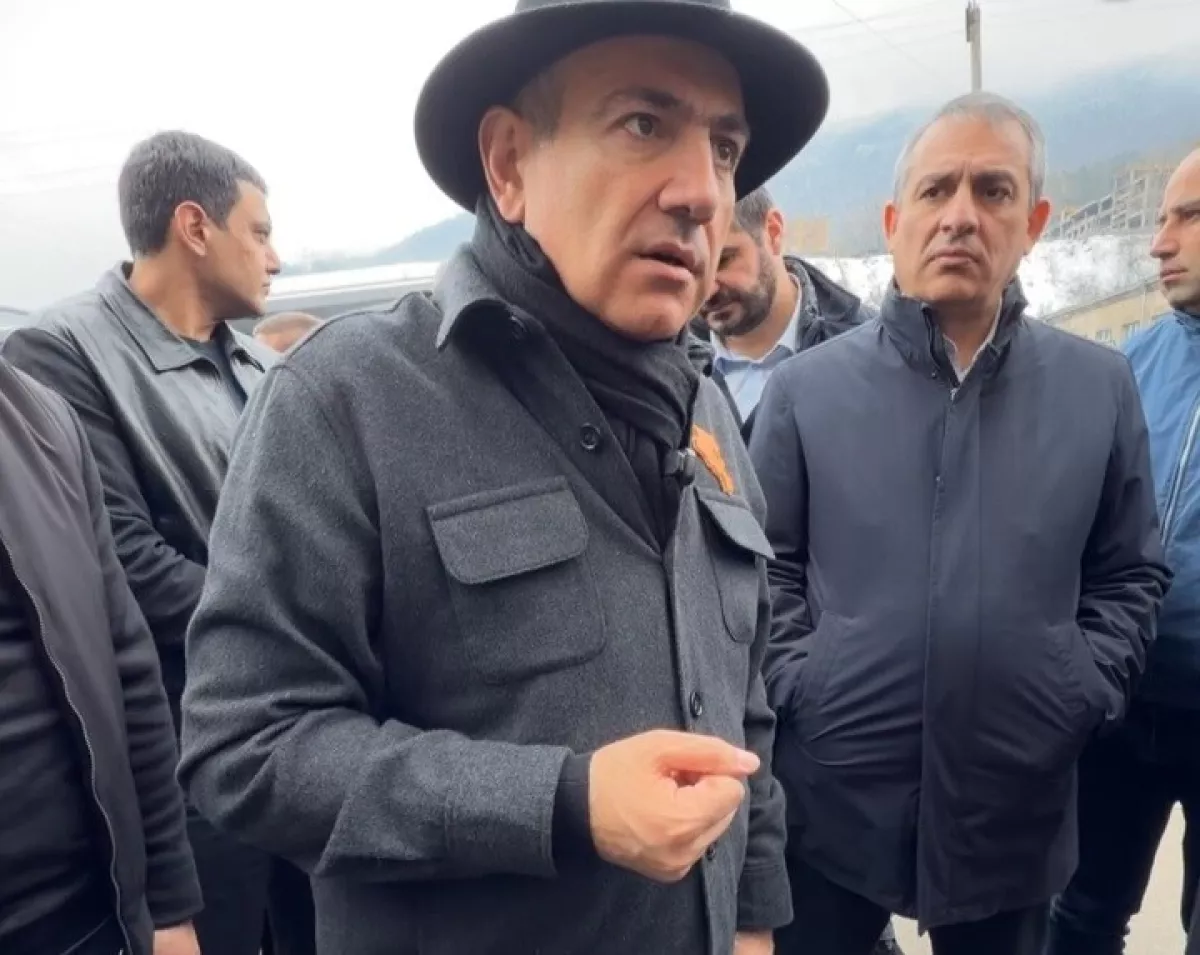
The Armenian leader emphasised that the foundation of state ideology must be rooted in Armenia’s own national interests, rather than those of foreign “sponsors.” He noted that the country’s previous model of existence—essentially that of a vassal state—could not be considered a worthy model of statehood. He went on to state that the current Declaration of Independence has, in essence, turned into a “declaration of conflict,” as claims against neighbouring states cannot serve as the basis for genuine independence.
At the same time, Pashinyan’s remark that the consolidating Armenian opposition effectively consists of “foreign emissaries” triggered a wave of criticism from his political opponents. However, a closer look at the political landscape of the neighbouring country suggests that there is a significant degree of truth in the prime minister’s words.
This is further evidenced by the fact that Robert Kocharyan has been nominated as the candidate for prime minister by the Armenia bloc—a decision that symbolically marked the culmination of what can only be described as a political farce. For some time, both Kocharyan and his entourage sought to create intrigue around the question of who would ultimately become the bloc’s nominee. Various scenarios were actively discussed within Armenia’s political space, different names were floated, and the impression was created that a genuine contest of ideas and strategies was unfolding within the opposition.
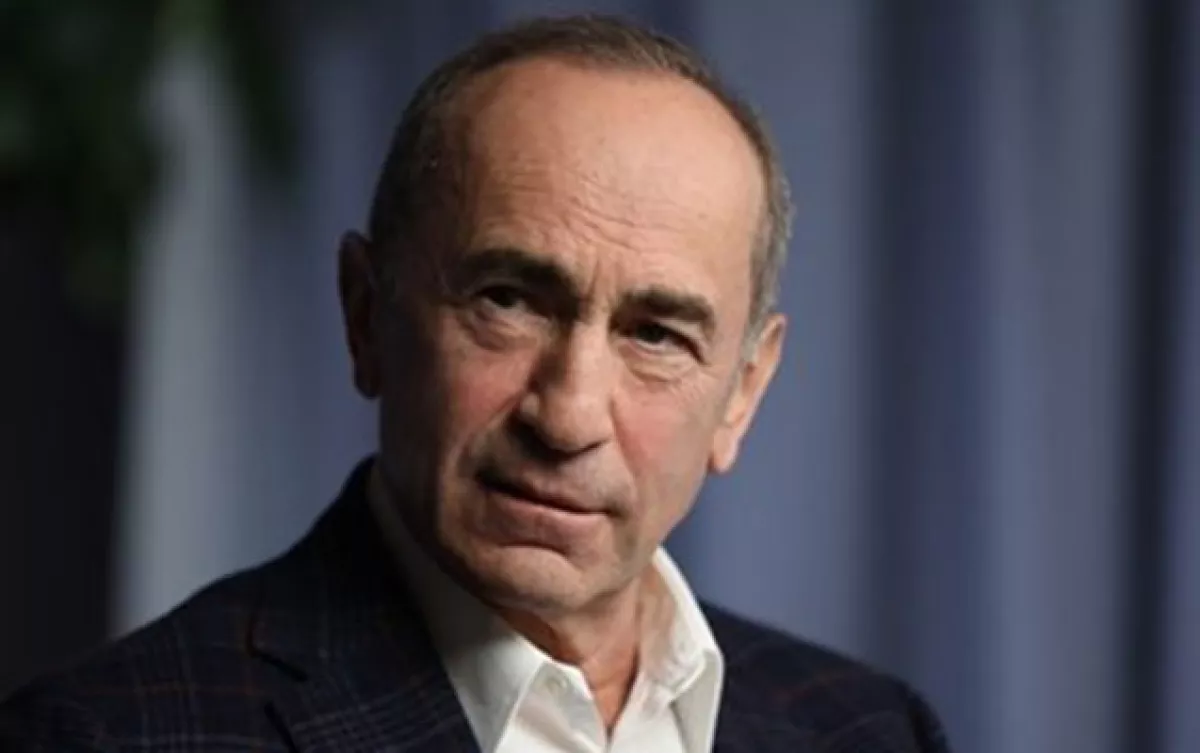
However, in the end, the outcome proved entirely predictable: Kocharyan emerged as the candidate. All these opposition manoeuvres were merely intended to create an illusion of renewal, lending even greater credibility to Pashinyan’s arguments—particularly given Kocharyan’s well-known longstanding ties with Russia. Notably, after stepping down as president, he spent many years as a member of the Board of Directors of AFK Sistema, a major Russian financial-industrial conglomerate. Founded by businessman Vladimir Yevtushenkov, the corporation is traditionally regarded as one of Russia’s largest business groups.
Yet far more significant than Kocharyan’s post-presidential positions is the policy he pursued while in power. It was during his presidency that a number of Armenia’s strategic economic assets were transferred to Russia. This process, widely known as the “debt-for-assets” scheme, resulted in Moscow gaining control over key elements of Armenia’s energy and industrial infrastructure. In effect, a substantial portion of the state’s fundamental economic levers was handed over to an external actor—laying the groundwork for the dependency that Pashinyan today describes as vassalage.
Kocharyan’s political rhetoric is no less telling. The former president has repeatedly made revanchist statements that point to very concrete ambitions: revising the outcome of the Second Karabakh War and abandoning the current course towards peace. In other words, this is a policy trajectory that risks derailing the peace process and, in the longer term, drawing Armenia into another military conflict. This is particularly paradoxical given that Armenian society itself has, in recent years, faced the consequences of the previous policy of confrontation.
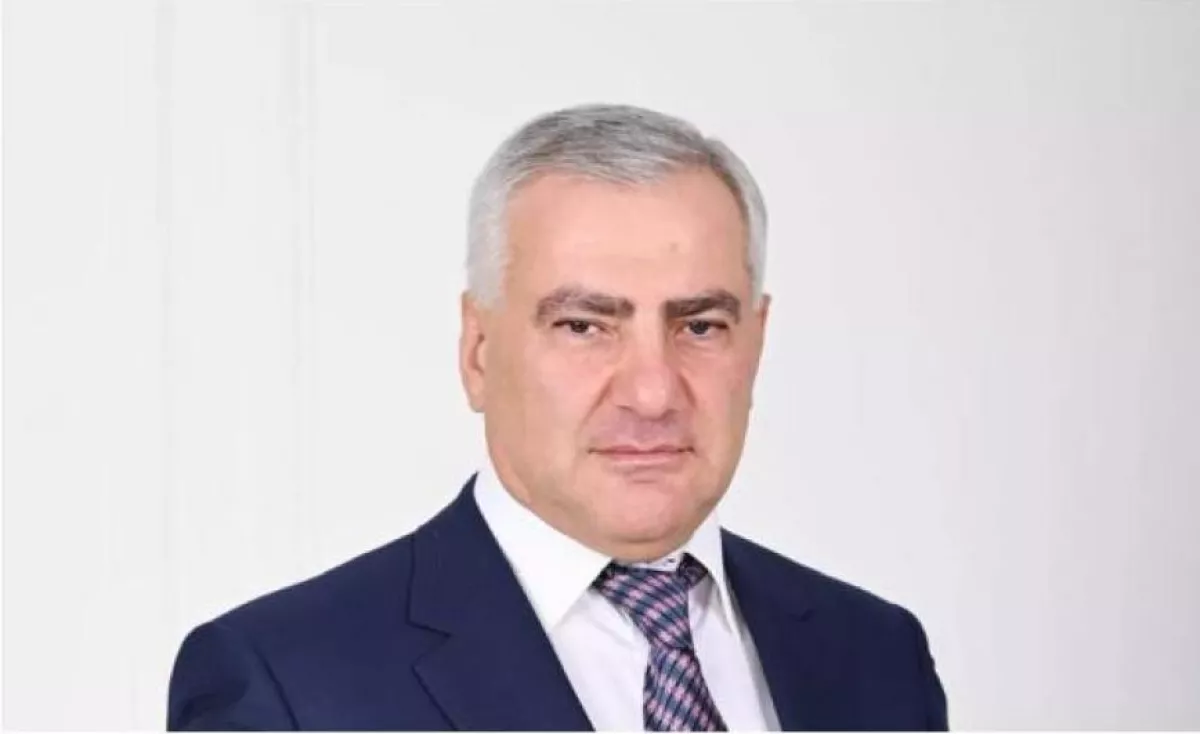
Meanwhile, Kocharyan is far from the only example within the Armenian opposition. On its bleak political horizon, new projects are emerging that replicate the model of external dependency. One such initiative is the party Strong Armenia, founded by Samvel Karapetyan, a Russian citizen of Armenian descent and owner of the Tashir Group of Companies. Given that its “founding father” is deeply embedded in the Russian business sphere, representatives of this political structure cannot deny two obvious facts: their close ties with Russian political and economic networks, and their highly critical—if not outright hostile—stance towards the peace process between Baku and Yerevan. In other words, here too, the goal is to return Armenia to the old model of existence—perpetual confrontation and dependence on external actors.
Thus, the Armenian opposition, however elegantly it dresses its rhetoric, is trying to turn the country back to a time when a policy based on the idea of a forward outpost, myths of a “great mission,” and territorial claims had trapped the republic in a geopolitical dead end: the economy was in decline, transport routes were virtually closed, and the Armenian people had become hostages to illusory ambitions.
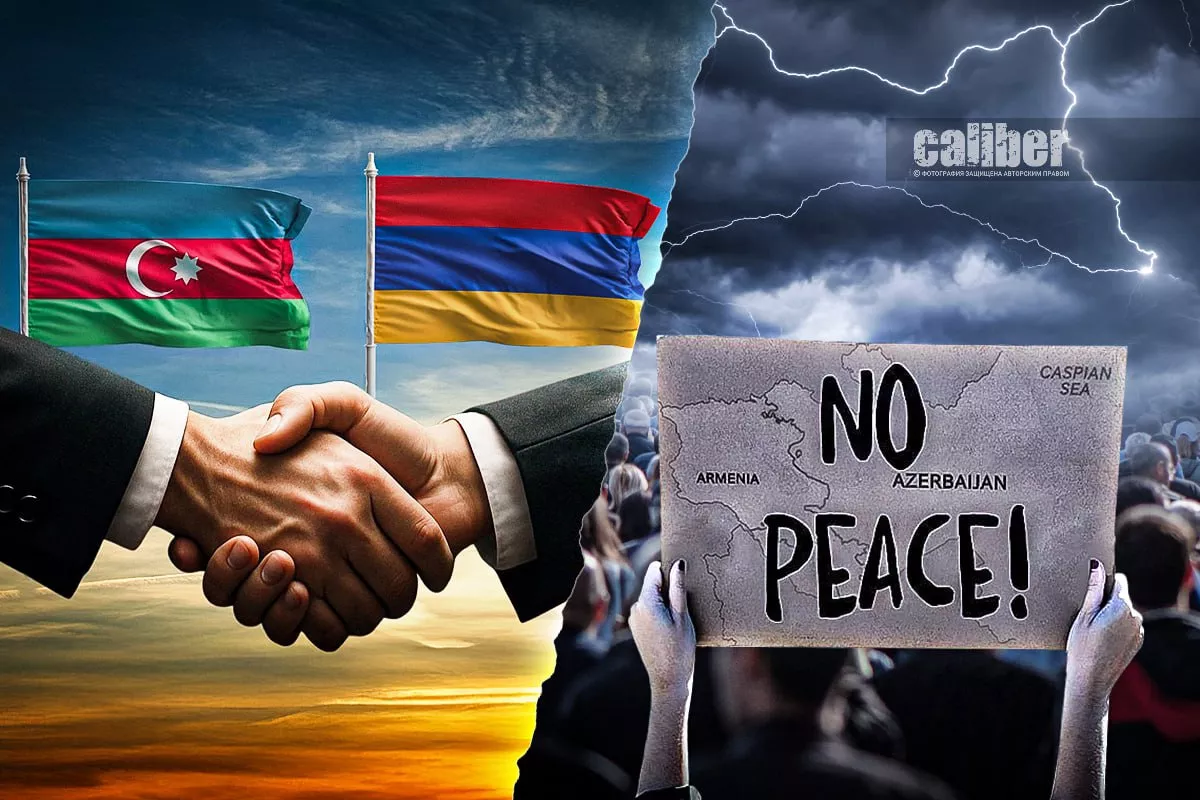
Today, thanks to Baku’s peaceful agenda, a different geopolitical configuration is taking shape in the region: new transport routes are opening, major regional infrastructure projects are being implemented, and the South Caucasus is increasingly integrating into a broader geo-economic space. For Armenia, this represents an opportunity to emerge from years of self-imposed isolation and become part of a new framework of cooperation.
However, the outcome will ultimately depend on the choice of the country’s citizens: a return to the all-too-familiar policies of revanchism, external dependency, and perpetual confrontation with neighbours, or the construction of a self-sufficient state grounded in national interests—without the role of a forward outpost or the illusions of geopolitics, as Prime Minister Pashinyan has emphasised.
As for Azerbaijan, its position remains unchanged: Baku is prepared for any development—whether a continuation of the peace process or other scenarios should Yerevan decide once again to plunge the region into the depths of confrontation and conflict.







 editor@caliber.az
 +994 55 444-88-98
 Азербайджан, Баку, ул. Низами, 203, Af Business House, 5-й этаж