










Kraj-2026: Poland’s military stakes Analysis by Lymansky
Poland is preparing for the Kraj-2026 (“Country-2026”) exercises, during which the most realistic scenario of a “large-scale war” will be practised, involving both military command and the country’s top political leadership. Who is interested in further destabilising the region?
Secret games
The Kraj-2026 exercises are scheduled for April–May. The scenario of the manoeuvres is strictly classified, and Polish media reveal almost no details. Nevertheless, some information about these exercises has still become known.
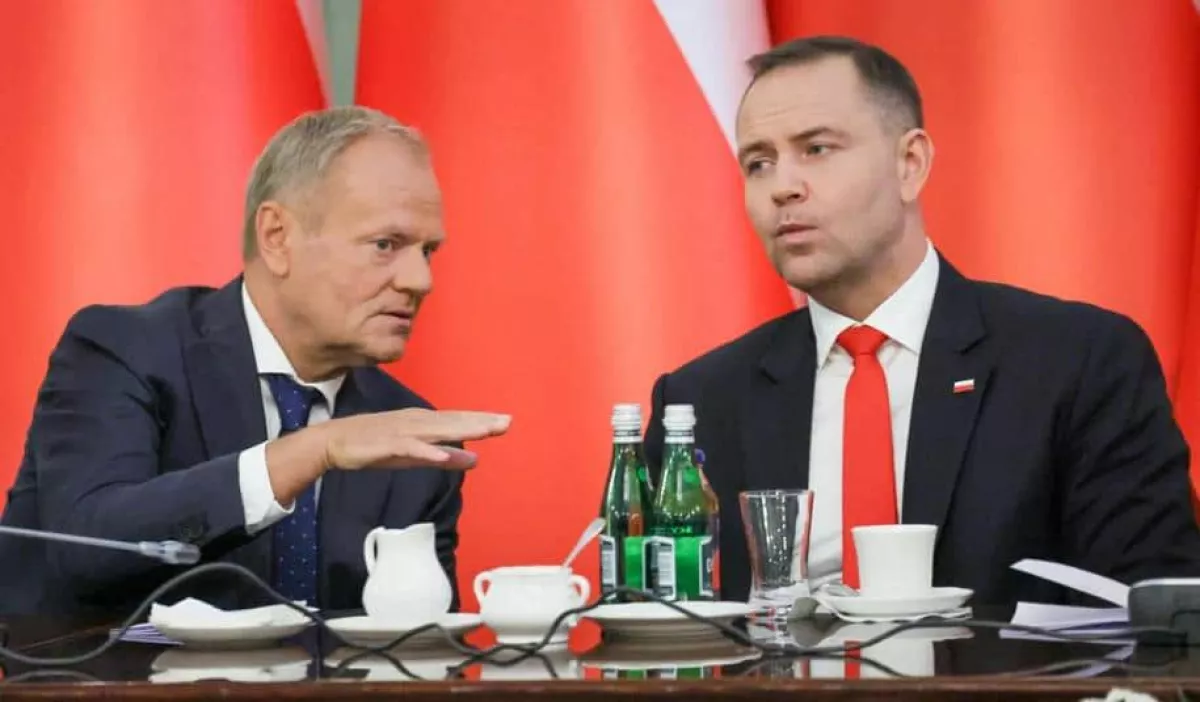
They will involve not only the command of the Armed Forces, but also various state institutions. The process is expected to be led by President Karol Nawrocki, Prime Minister Donald Tusk, and the National Security Bureau (NSB). Commanders of the armed forces, ministers, the speakers of the Sejm and the Senate, intelligence agencies, and other bodies are also planned to participate. The event plan has been approved by the National Defence Ministry and the President of Poland at the request of the prime minister.
During Kraj-2026, coordination between military and civilian structures at the onset of hostilities will be practised. Most likely, the exercises will take the form of a command-and-staff game. However, unexpected changes to the scenario cannot be ruled out, especially given the high level of secrecy. Essentially, this is a test for Poland’s leadership. However, it seems that not only the conventional “red” and “blue” sides will be competing in it…
Exercises for top leadership
Already at the preparation stage of the exercises, in the “best” traditions of the Polish–Lithuanian Commonwealth, a dispute broke out over who would play the key role. This refers to the rivalry between Karol Nawrocki and Donald Tusk, who have long been political opponents.
At the end of March, Nawrocki held a meeting with the senior command staff of the Polish army. This caused noticeable dissatisfaction among a number of politicians, including Deputy Prime Minister and Minister of National Defence Władysław Kosiniak-Kamysz. The reason is that the meeting took place bypassing the Ministry of National Defence. According to the Constitution, the President of the Republic of Poland is the Supreme Commander-in-Chief and holds broad powers. However, in peacetime, he does not directly interfere in the management of the armed forces, acting through the relevant ministry. In this case, Nawrocki addressed the commanders directly. This raises the question: does he consider the current situation no longer “peacetime,” or is he simply using the occasion to expand his own influence and put pressure on Tusk’s government?
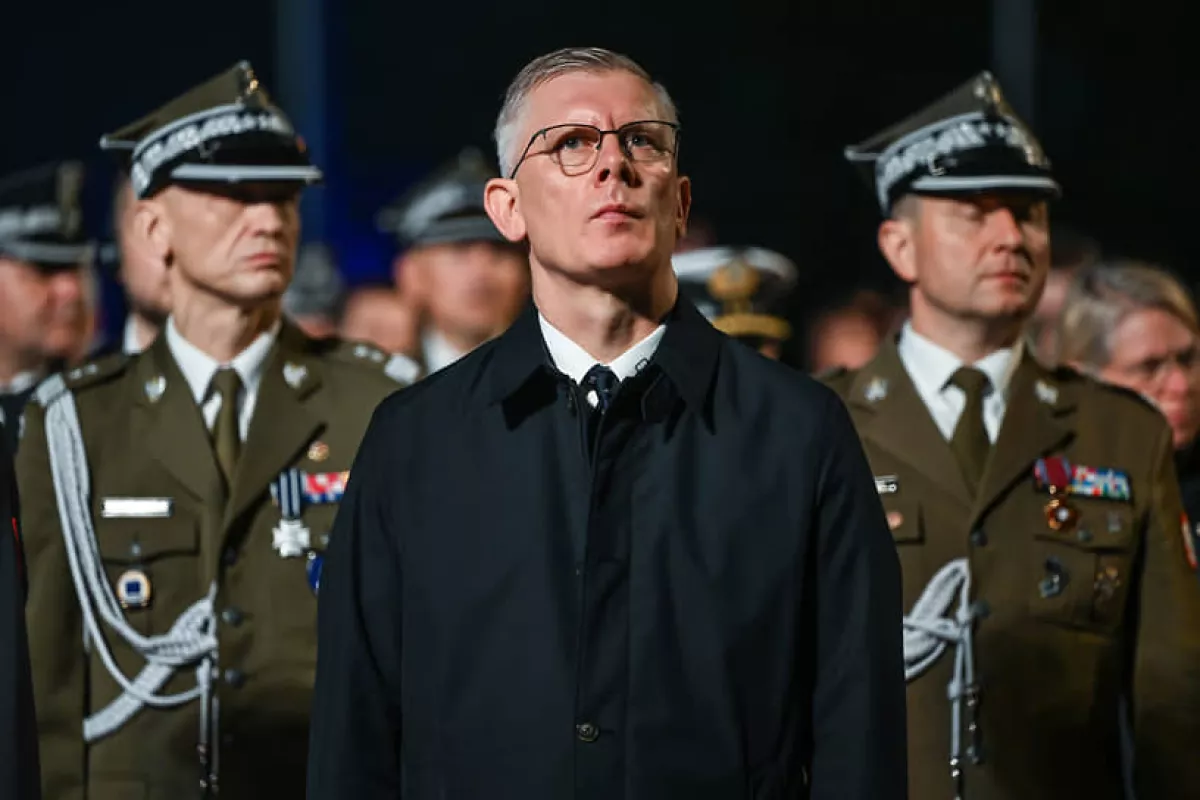
The meeting was attended neither by the prime minister nor by Defence Minister Kosiniak-Kamysz; however, the head of the NSB, Sławomir Cenckiewicz, was present. The NSB is considered a presidential structure. Appointed by Nawrocki to lead the bureau, Cenckiewicz— a historian by profession and a close associate of the president—had previously called for Tusk to be removed from public life.
In turn, in August 2025, the government demanded that the new head of the NSB be stripped of access to state secrets, citing a decision by the Military Counterintelligence Service from July 2024.
Cenckiewicz had also previously headed a commission investigating Russian and Belarusian influence. He holds a hardline position and, in October 2025, stated that Poland is already in a state of war with Russia (implicitly, also with Belarus). At the same time, he characterises the relationship between President Nawrocki and Tusk’s government as a “war” as well.
In February 2026, Cenckiewicz proposed the creation of a new governing committee headed by Nawrocki to strengthen the president’s role in managing military loans under the EU’s SAFE program, as well as in overseeing the armed forces. Nawrocki himself opposes financing the military through EU funds, viewing it as a threat to national independence.
In March 2026, another body was established — a new Security and Defence Council. It appears that the creation of new structures overseeing the military, along with Nawrocki’s direct contacts with military command, are part of a deliberate strategy by the presidential team.
It is evident that Karol Nawrocki and the forces behind him, citing a military threat, are seeking to maximise their influence within the state. It cannot be ruled out that one of the real objectives of the Kraj-2026 exercises may be to further strengthen the status of the National Security Bureau, the president, and his inner circle under the cover of an emergency agenda. At the same time, Nawrocki’s opponents ironically question whether the head of the NSB—who previously had his access to state secrets restricted by counterintelligence—will be able to participate fully in these processes.
Balancing on the edge
Recently, large-scale exercises have been taking place in Poland one after another, including those involving the armed forces of other NATO countries.
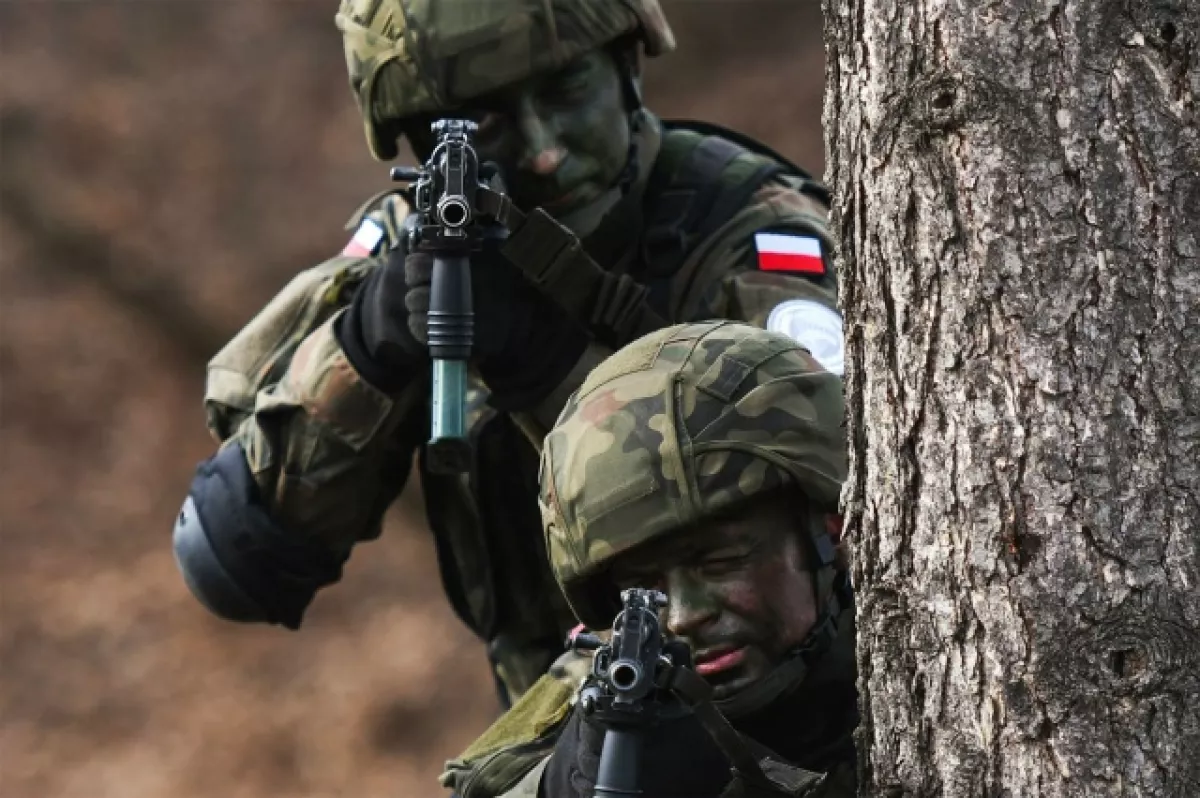
In February 2026, the transfer of troops and equipment to Poland and the Baltic states was practised during NATO’s largest 2026 exercise, Steadfast Dart. In addition, ongoing military operations are conducted on a regular basis, primarily near the borders with Belarus — “Enhanced Forward Presence,” “Eastern Sentry,” “Baltic Sentry,” “Safe Podlasie,” and “Eastern Shield.”
However, the Kraj-2026 exercises are not called strategic by chance — they are intended to rehearse far more complex tasks than simple troop redeployments or live-fire drills. Within their framework, a scenario of a real full-scale war with eastern neighbours will be simulated: the introduction of martial law, and the management of military forces and civilian systems under combat conditions.
It appears that a key element will be testing coordination between military and civilian structures, the resilience of communications, coordination mechanisms, and the role of top state leadership. The experience of modern conflicts shows that as the range and precision of long-distance strikes increase, the vulnerability of command structures and critical infrastructure grows exponentially, even when only conventional weapons are used.
It is not ruled out that during the exercises, training will include the relocation of military and political leadership to protected command posts, countering special operations forces, and responding to various elements of hybrid warfare.
As a result of the manoeuvres, existing military mobilisation plans may be adjusted and new recommendations developed. In Poland, the need to reform the system of high-level military command has long been discussed, and the results of Kraj-2026 may be used in this process.
Even the Catholic Church has been involved in the preparations. A group of priests has been formed within the Church, which—together with the Ministry of Defence and the Ministry of the Interior—develops plans for the evacuation of church and historical valuables, as well as the organisation of shelters.
Meanwhile, neighbouring Belarus is closely monitoring Warsaw’s military preparations.
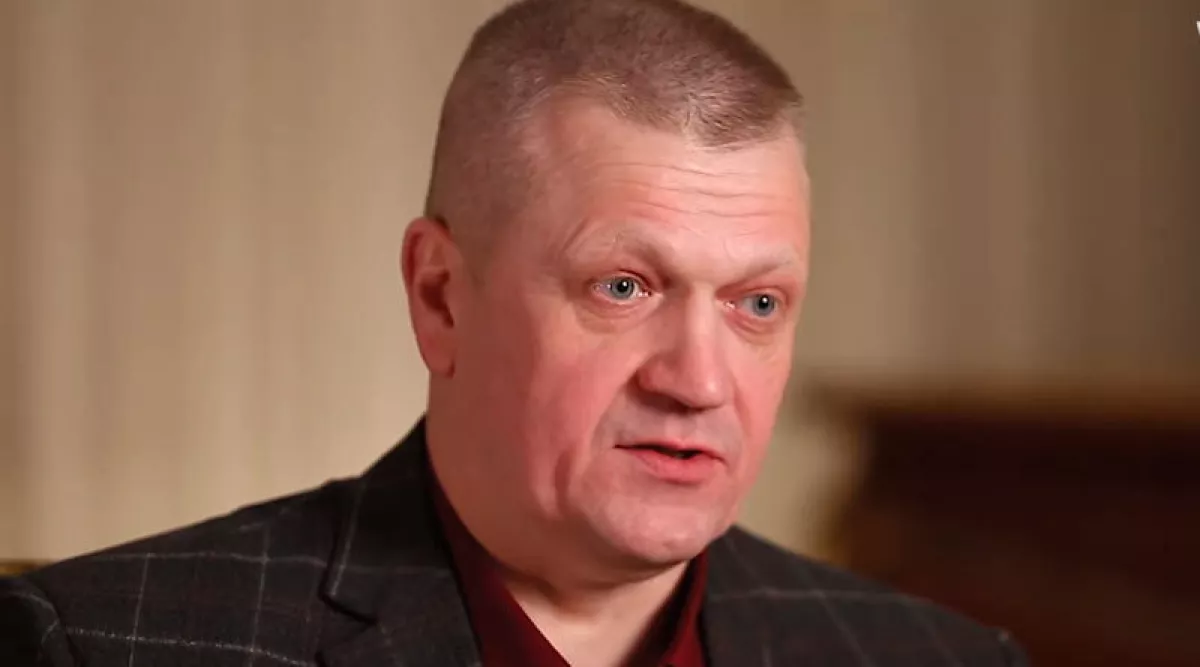
Deputy Head of the Faculty of the General Staff at the Military Academy, Andrey Bogodel, noted: “The Polish leadership is following a strict course of militarising the country, increasing the size of the army, intensifying combat training, and conducting exercises with offensive scenarios.”
The Kraj-2026 exercises, like other NATO manoeuvres and military preparations, indicate that not only the army but the entire system of Poland’s state governance is preparing for a possible war, which brings the region ever closer to the brink of a situation with potentially severe consequences.







 editor@caliber.az
 +994 55 444-88-98
 Азербайджан, Баку, ул. Низами, 203, Af Business House, 5-й этаж