










Wars, Strait of Hormuz factor, global grain crisis Analysis by Khazar Akhundov
The Food and Agriculture Organization (FAO) forecasts rising grain prices in the current agricultural year: the grain price index increased in March 2026, reaching its highest level since April 2025, reflecting higher quotations for all major grain crops. Concerns over reduced planting due to drought in the United States, as well as the war in the Persian Gulf, which has driven up fertilizer costs in Australia and several other countries, have pushed global grain prices higher. Against this backdrop, wholesale prices for bread wheat are also increasing in post-Soviet countries. In particular, Azerbaijan, which remains highly dependent on external supplies, faced a noticeable rise in grain import costs in the first quarter of 2026.
According to the FAO report, global food prices began to show an upward trend in February 2026 for the first time in the previous five months. These negative developments continued into the following month, with the FAO grain price index averaging 110.4 points in March, which is 1.5 per cent higher compared to February. Moreover, the FAO has presented preliminary estimates for wheat production in 2026: global output is expected to decline by approximately 3 per cent, reaching around 810 million tons.
Inflationary pressures in key grain-producing countries intensified significantly with the onset of the war in the Persian Gulf. Rising fuel prices used by farmers for harvesting and transporting crops are clearly among the contributing inflationary factors.
In turn, about one-third of global exports of urea and the raw materials for its production are supplied by gas-rich countries such as Qatar, Saudi Arabia, and Iran. However, the blockade of the Strait of Hormuz has led to shortages and rising prices for nitrogen fertilizers, which has a highly negative impact on agricultural productivity, driving up grain prices.
Fertilizers account for around 20 per cent of production costs in grain farming. In the event of failed negotiations and a prolonged crisis in the Persian Gulf, some experts even suggest that nitrogen fertilizer prices could double. According to forecasts by Goldman Sachs, grain supply will decline as farmers shift to less resource-intensive crops such as soybeans (as a legume, soy absorbs nitrogen from the air and is less dependent on nitrogen fertilizers).
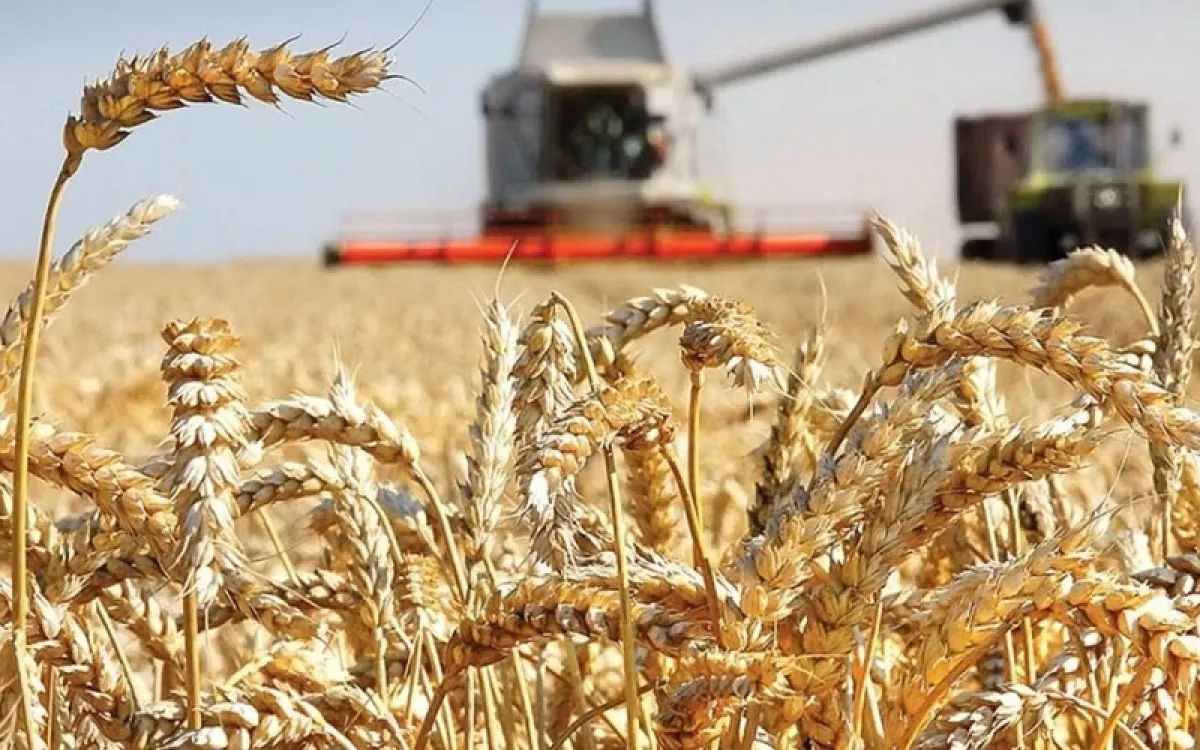
By early April 2026, the global wheat market had seen a noticeable price increase of over 18 per cent since the beginning of the year. This is linked to forecasts of declining yields in the United States amid drought concerns, as well as expectations of reduced planting in Australia due to higher fertilizer costs. This upward pressure has been partially offset by generally favorable crop conditions in Europe, but the overall trend of rising grain prices persists. At the end of March, the United States Department of Agriculture (USDA) released its latest report, providing forecasts for grain planting in North America. It noted that the total area sown with wheat in 2026 is estimated at 43.8 million acres, which is 3 per cent lower than in 2025 and below market expectations.
Notably, the global rise in grain prices has also affected the post-Soviet region, with major wheat producers such as Russia and Kazakhstan seeing a moderate increase in wholesale prices since the beginning of the year.
In particular, since the start of 2026, grain exports from Russia have grown significantly (by more than 1.5 times to 17.8 million tons by April). Unlike the domestic market, export prices for Russian grain have remained high, even despite a slight decline in April to $238 per ton. Rising logistics costs due to longer delivery distances have been recorded, and export duties were increased starting March 18 — all of which are factored into the cost of wholesale prices.
Since 2021, Russia has tightened export quotas and introduced additional customs fees and duties on the export of grain, fodder, feed additives, oilseeds, and various fertilizers. These measures are justified domestically as necessary to protect the internal market.
Meanwhile, according to data from the Kazakh Grain Union, the revaluation of the tenge (which has strengthened against the dollar by 2.5 per cent), along with a recent ban on imports of certain grains and feed from Russia, has negatively affected the potential of Kazakhstan’s grain market. By April, exports had declined by 14 per cent. Currently, export grain prices remain stable in anticipation of market signals, while premium-grade flour is being sold at $405–410 per ton.
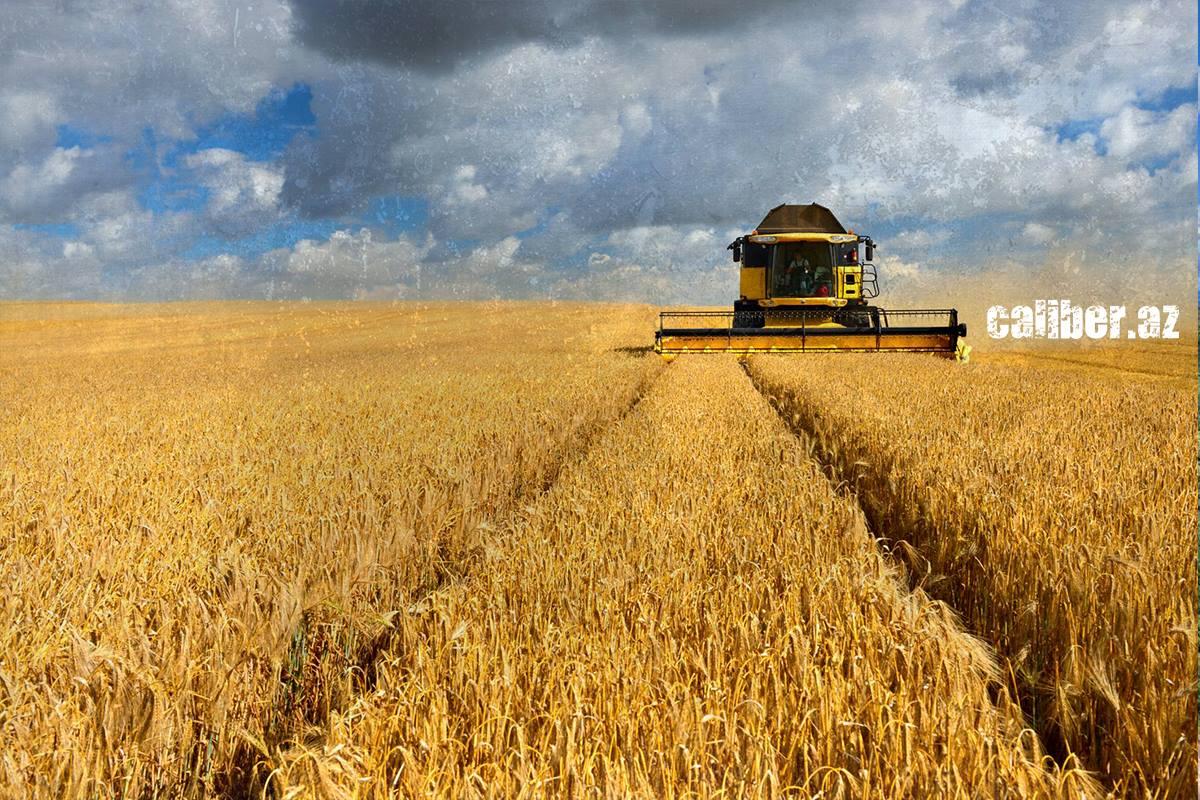
Against the backdrop of current trends in the global grain market, how is Azerbaijan faring, given that it still remains highly dependent on imports of food-grade grain due to a number of objective factors?
A significant share of Azerbaijan’s demand for food wheat is met through imports: up to 1.5 million tons of hard wheat are brought in annually, mainly from Russia and Kazakhstan. As recently as 2023, Russian supplies accounted for 81 per cent of all wheat imports into Azerbaijan. However, in 2024–2025, as part of a diversification policy, the country began increasing wheat purchases from Kazakhstan.
According to data from the State Customs Committee of Azerbaijan, in January–February 2026, Azerbaijan imported 257.3 thousand tons of wheat worth $57.896 million. Compared to the same period in 2025, this figure increased by 43 per cent in value terms and by 70 thousand tons, or 37.2 per cent, in volume.
The increase in wheat imports is an alarming signal, indicating the country’s high dependence on imports and significant risks to food security.
At the same time, according to data from the State Statistical Committee of Azerbaijan, in 2025 Azerbaijan harvested 3,277,800 tons of cereals and legumes (including corn), which is nearly 3 per cent higher than the year before.
“The average grain yield in the country increased from 31 centners to 33.4 centners,” said Azerbaijan’s Minister of Agriculture Majnun Mammadov in February. According to him, under the implementation of the “State Program on Measures to Increase Self-Sufficiency in Food Wheat,” yields in a number of farms and agro-parks rose from 40.6 centners to 56.7 centners thanks to modern, water-efficient irrigation methods.
However, in 2025 the production of food-grade wheat amounted to only 130,000 tons, while the rest consisted of soft, feed-grade grain varieties used for compound feed production and generally unsuitable for baking, pasta, and confectionery products. This situation makes the domestic market highly dependent on global and regional wheat prices, which, in the event of escalating global conflicts and other geopolitical force majeure factors, could lead to rising prices for a key staple of the food market — flour.
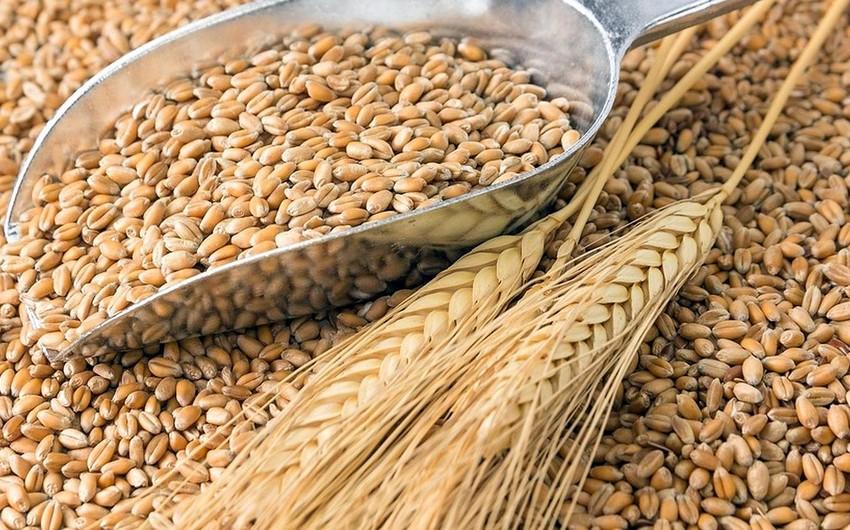
For now, the market situation remains relatively stable. According to data from the State Service for Antimonopoly and Consumer Market Control under the Azerbaijani president, the wholesale price of a 50-kg sack of flour in the first ten days of April ranged between 26.1 and 28.6 manats ($15.3–$16.8). These prices have remained stable compared to last year: in 2025, wholesale prices for a 50-kg sack of flour fluctuated within the range of 25.8–28.6 manats ($15.2–$16.8). Retail bread prices across the country have also generally not undergone significant changes.
However, it remains unclear how long this balance will last, given price volatility in the global grain market, as well as adverse climate factors domestically—such as droughts and irrigation issues, or heavy rainfall like that seen in March–April 2026, which damages cereal crop fields.







 editor@caliber.az
 +994 55 444-88-98
 Азербайджан, Баку, ул. Низами, 203, Af Business House, 5-й этаж