










Strait of Hormuz trap: victory or a new snare? Analysis by Shereshevskiy
U.S. President Donald Trump halted a devastating strike that was planned last night against Iran’s critical infrastructure — including power plants and refineries. This occurred after Tehran agreed to unblock the Strait of Hormuz. The parties, it seems, have reached an agreement on a two-week ceasefire. Following this, a pause sets in the war between the U.S.-Israeli coalition and Iran, creating a new, highly unstable balance of power.
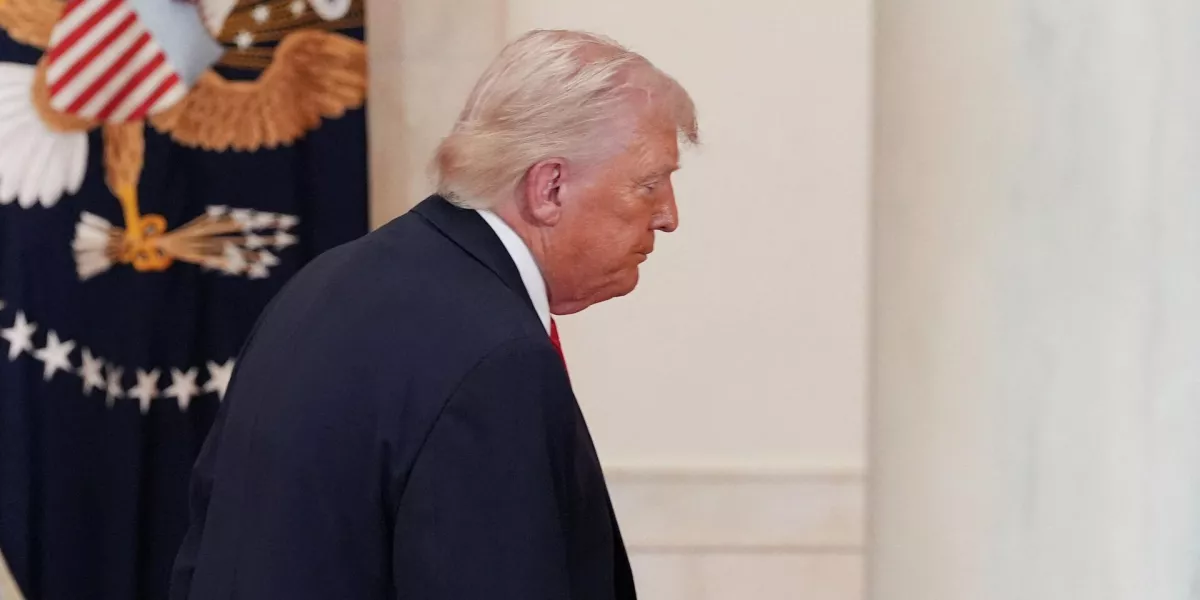
The U.S. and Israel not only eliminated almost the entire previous Iranian leadership (targeted assassinations of high-ranking figures continued throughout the five weeks of war) but also destroyed a significant portion of the country’s defence industry. They were on the verge of plunging the country into darkness by taking out power plants, refineries, fuel supplies, bridges, and railroads — which would have meant the practical collapse of the state. While the U.S. threatened strikes on energy infrastructure, Israel hit major petrochemical and metallurgical enterprises, as well as key railway hubs.
On Tuesday evening, Trump wrote on Truth Social: "Based on conversations with Prime Minister Shehbaz Sharif and Field Marshal Asim Munir, of Pakistan, and wherein they requested that I hold off the destructive force being sent tonight to Iran, and subject to the Islamic Republic of Iran agreeing to the COMPLETE, IMMEDIATE, and SAFE OPENING of the Strait of Hormuz, I agree to suspend the bombing and attack of Iran for a period of two weeks. This will be a double sided CEASEFIRE!"
Shortly thereafter, Iran’s Supreme National Security Council (SNSC) announced that the Islamic Republic intends to engage in diplomatic talks with the United States over the next two weeks. According to the Iranian side, these negotiations are scheduled to take place on Friday in Islamabad.
"This does not mean the war is over, and Iran will accept a cessation of hostilities only… in light of the adoption of the principles outlined in its ten-point plan," the SNSC statement said.
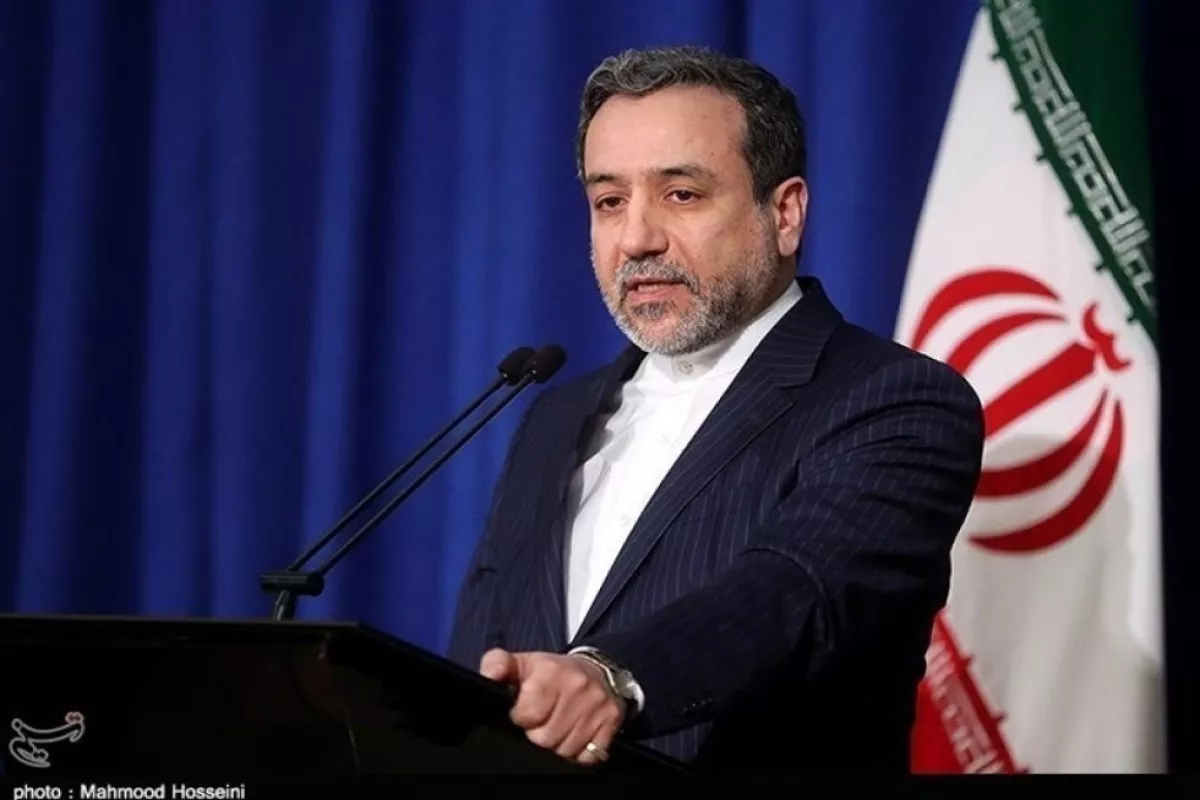
After the ceasefire was announced, Iranian Foreign Minister Abbas Araghchi stated that “over the next two weeks, safe passage through the Strait of Hormuz will be ensured in coordination with the Iranian armed forces.”
Earlier, in a separate post on Truth Social on Tuesday morning, Trump had threatened to destroy “whole civilisation” in Iran if its leaders did not reopen the strait, which normally handles about 20% of global oil shipments. However, after Tehran agreed to lift the blockade, the U.S. president “froze” the planned strike.
The Strait of Hormuz has become a powerful tool of leverage for Iran. Its blockade caused a sharp rise in oil prices, which could have triggered a global economic recession (prices fell after the blockade was lifted). By driving up prices, Tehran effectively struck at the global — including American — economy, which also impacted Trump’s approval ratings. In response, the U.S. president deployed his main argument: absolute air superiority and a real threat to collapse Iran’s energy system by destroying key elements of its modern infrastructure. Tehran backed down.
How long will this ceasefire last? Two weeks — and then what?
The new military-political equation looks like this. On one hand, Trump’s ultimatum was serious enough to compel Tehran to unblock the Strait of Hormuz. This could strengthen the American leader’s confidence: in a sort of “cowboy duel,” Iran blinked first.
On the other hand, Tehran demonstrated just how powerful levers remain in its hands. Blocking the strait proved relatively simple: periodic attacks on tankers with missiles or drones are enough. This halts shipping and effectively removes up to 15 million barrels of oil per day from the global economy — oil that cannot be quickly replaced. Moreover, Iran remained the only country continuing to export oil through the strait and even increased its revenues.
The U.S. was unable to effectively stop the blockade. To fully control the strait, it would likely have needed a ground operation — extremely unpopular at home and involving significant losses. At the same time, Iran can resume the blockade at any moment. Trump understands this — and it is bound to worry him. Tehran’s goal was to inflict maximum damage and show just how dangerous it is to enter into a direct confrontation with it.
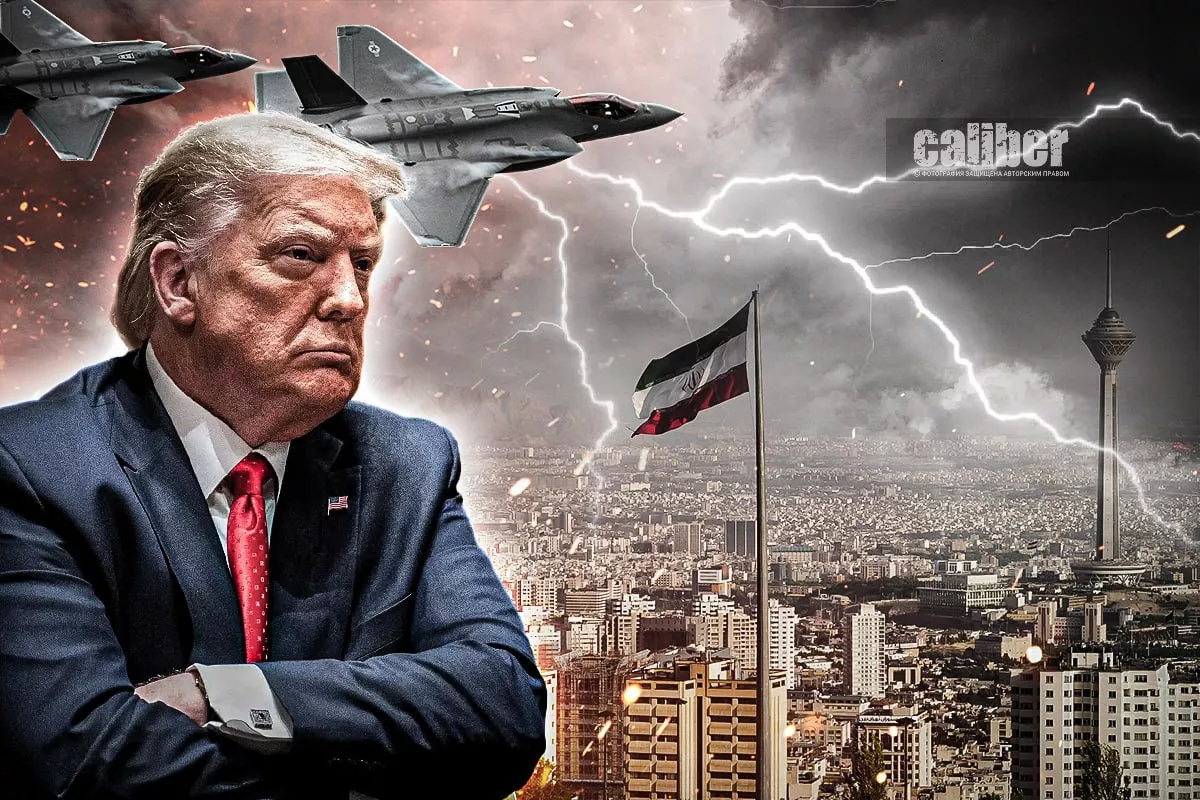
In the end, what will weigh more in Donald Trump’s eyes — fear of a renewed Iranian blockade of the Strait of Hormuz, or confidence in his own power and the weakness of an opponent who yielded to his ultimatum?
The parties’ positions in the negotiations remain uncompromising. The U.S. demands that Iran completely abandon uranium enrichment (“zero enrichment”) and halt its missile programme. If these conditions are met, Washington would be ready to lift economic sanctions, and Trump would have the opportunity to present this as a major foreign-policy victory and a new U.S.-favourable nuclear agreement.
However, Iran has no intention of making such concessions. Its demands are equally unrealistic: Tehran rejects the idea of zero enrichment, insists on the withdrawal of American forces from the Persian Gulf, and demands compensation for the damage inflicted during the war.
If no agreement is reached, if a long-term nuclear deal does not materialise — what then? A fragile ceasefire without peace? Will Trump risk getting drawn back into a war with Iran, potentially falling into the same trap? We do not know. But another scenario emerges: what if, conversely, he chooses not to take the risk?
Among analysts and public commentators, criticism of Trump is already emerging. In their view, the situation looks like this: the U.S. president began a war aiming to force Iran to abandon its nuclear and missile programmes, but ended it having achieved only the unblocking of the Strait of Hormuz — which, before the conflict, had not even been closed.
This criticism is largely fair, but with an important caveat. Iran’s military power has been significantly weakened: its defence industry and civilian economy have suffered severe blows, and its administrative system is partially disorganised. Moreover, the regime was already in a difficult position before the war. In January, mass protests erupted due to the economic downturn. In recent weeks, signs of partisan activity have appeared in some regions. The country faces a water crisis caused by desertification, energy problems from inefficient power grids, and the destructive effects of sanctions and corruption. Inflation has reached 50%, and poverty levels are around 70%. The post-war situation has only worsened, and the regime is now highly likely to focus on its own survival.
Furthermore, although Israel has, at this stage, aligned with Trump’s position, this does not mean it will refrain from new strikes on Iran in the future. Given its complete air superiority, such operations remain technically feasible — unless Washington imposes strict constraints.
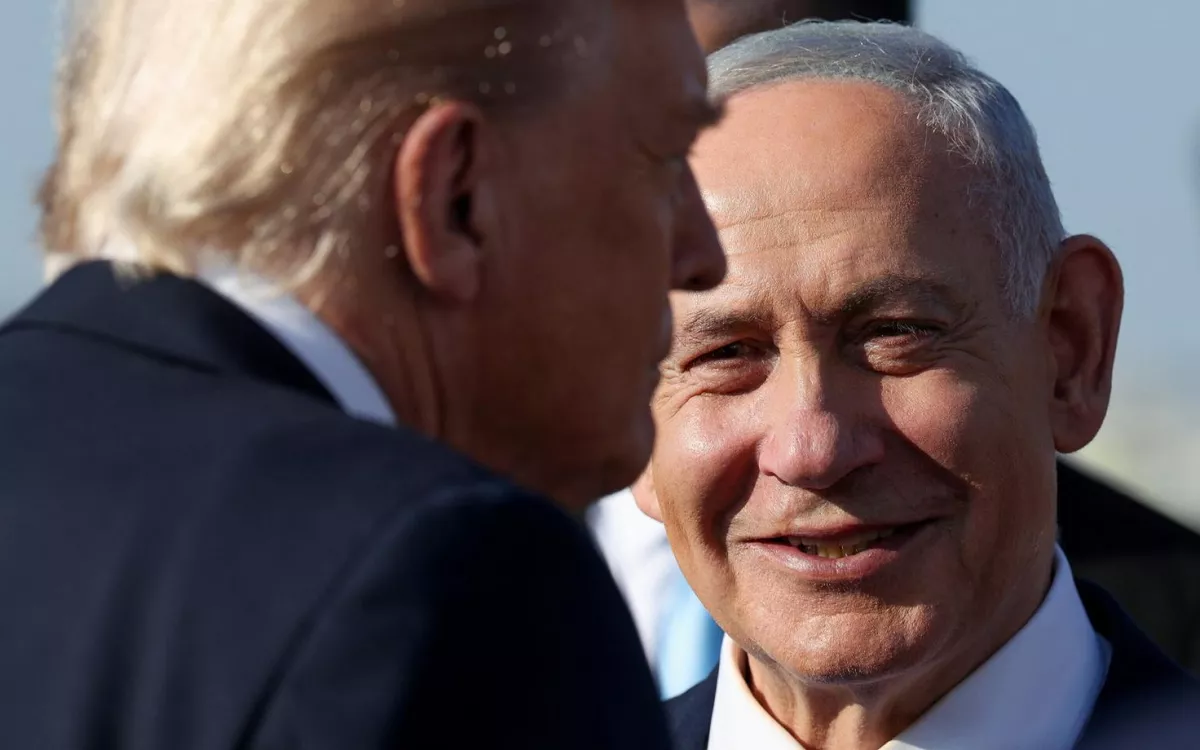
However, the question remains whether Trump has enough influence over Israeli Prime Minister Benjamin Netanyahu to restrain him from escalating the conflict. Much depends on this.
The key question remains the same: what will happen if Iran continues to refuse the U.S. demands for “zero enrichment” and attempts to restore its nuclear programme? How will Trump respond? In such a scenario, refraining from decisive action could be perceived within the U.S. — both by the public and political elites — as a sign of weakness. Therefore, the possibility of the war resuming remains open.
Arguments against a new escalation include the Strait of Hormuz and the massive consequences caused by its blockade. This experience is bound to cause serious concern for Trump: falling into such a trap again would be undesirable.
On the other hand, arguments in favour of renewed conflict are equally compelling: Tehran yielded under the threat of infrastructure destruction and lifted the blockade, demonstrating its vulnerability. Yet it remains unwilling to make concessions on the key issue — its nuclear programme.
Ultimately, a situation of strategic uncertainty has emerged, which will directly affect oil prices and a broader range of global processes.







 editor@caliber.az
 +994 55 444-88-98
 Азербайджан, Баку, ул. Низами, 203, Af Business House, 5-й этаж