










Iran blocks the Strait of Hormuz — Trump loses patience Analysis by Shereshevskiy
Iran continues to block the Strait of Hormuz for most vessels and charges fees from those it does allow through. This is causing discontent among American oil companies, concern among diplomats from various countries, and, of course, irritation from U.S. President Donald Trump.
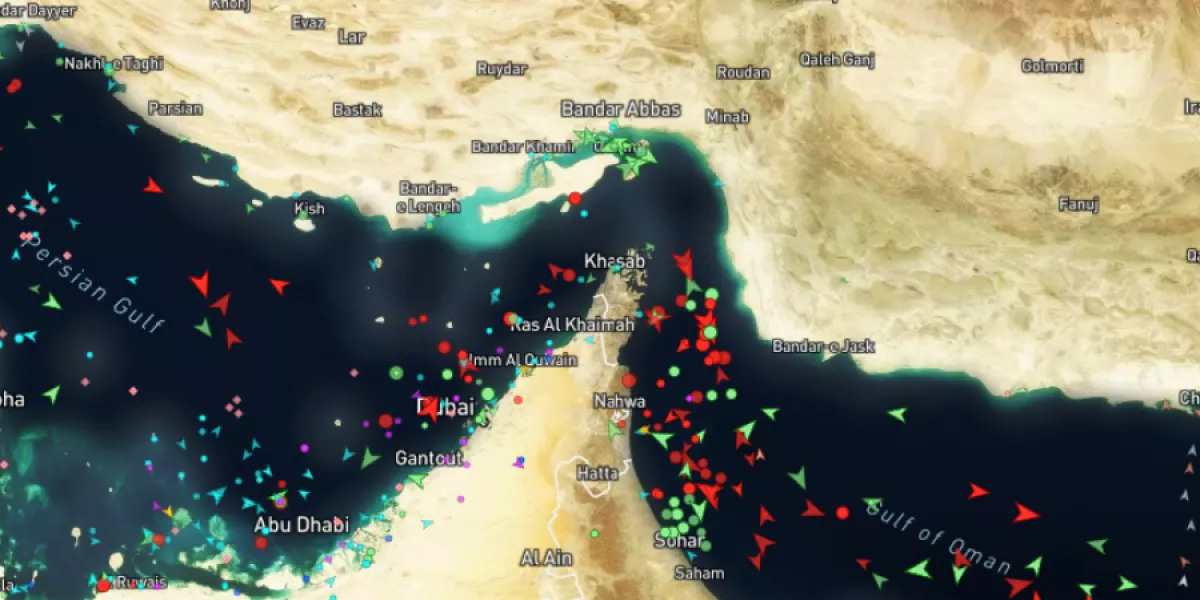
In normal times, around 20% of global oil trade passed through the Strait of Hormuz. Now it is effectively closed due to Iran’s actions, which include attacks on tankers, and about 15 million barrels of oil have been removed from the global market. This is driving up prices and threatening a global economic recession.
On April 7, the United States and Iran appeared to reach an agreement on a two-week temporary ceasefire. The U.S. and Israel suspended strikes on Iran’s critical infrastructure, while Tehran, in turn, agreed to reopen the Strait of Hormuz. However, in practice, the blockade has not been lifted. Iran continues to restrict the passage of vessels and demands payment from the few it allows through.
Meanwhile, the oil industry is presenting its position on the Strait of Hormuz to the White House. According to Politico, citing informed sources, oil company executives are referring to international agreements, sanctions legislation, and high fees, opposing Iran’s intention to impose transit charges, while Tehran insists on its right to introduce such levies.
President Donald Trump’s peace plan on Iran is facing resistance from one of the key political and economic groups in the United States — the oil industry. Company executives are reaching out to the White House, Secretary of State Marco Rubio, and Vice President J. D. Vance, expressing opposition to what they believe is Iran effectively being granted by Trump the right to charge fees for passage through the strategically vital Strait of Hormuz as part of peace negotiations.
This was reported to the publication by an industry consultant who spoke on condition of anonymity. “Hell yes,” he replied when asked whether executives had approached the White House with protests. “We didn’t have to do that before — and I thought we won the war. Any place you have access to the administration, you ask, what are you guys thinking? The response administrative officials were giving industry representatives “is not a cold shoulder,” this person added. “It’s more like, ‘Yeah, OK, we’ll take note.’”
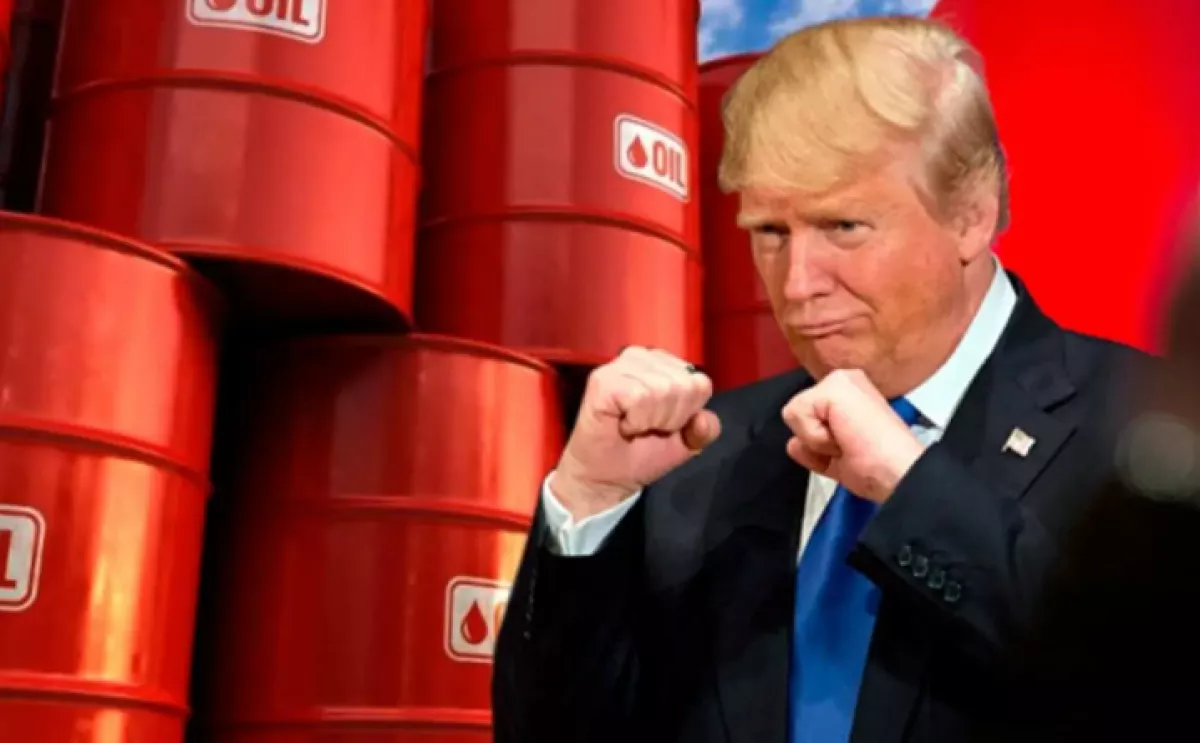
Representatives of the oil industry met on April 8 with senior officials of the Trump administration at the State Department to express their concerns. They presented the following arguments:
— first, conceding to Iran’s demands would lead to an increase in tariffs and insurance costs of around $2.5 million per shipment, which would ultimately be passed on to consumers;
— second, granting Iran de facto control over the Strait of Hormuz could create a dangerous precedent for other countries to impose tolls on key trade routes, such as the Strait of Malacca;
— finally, paying such fees could expose companies to the risk of legal action for violating sanctions against Iranian officials.
Oil companies have also directly voiced their concerns to Trump himself, albeit in a more restrained manner. As a senior U.S. official noted, “the president is extremely sensitive to the legacy and judgment on the success of this war so pushing the president right now is seen as a risky proposition.”
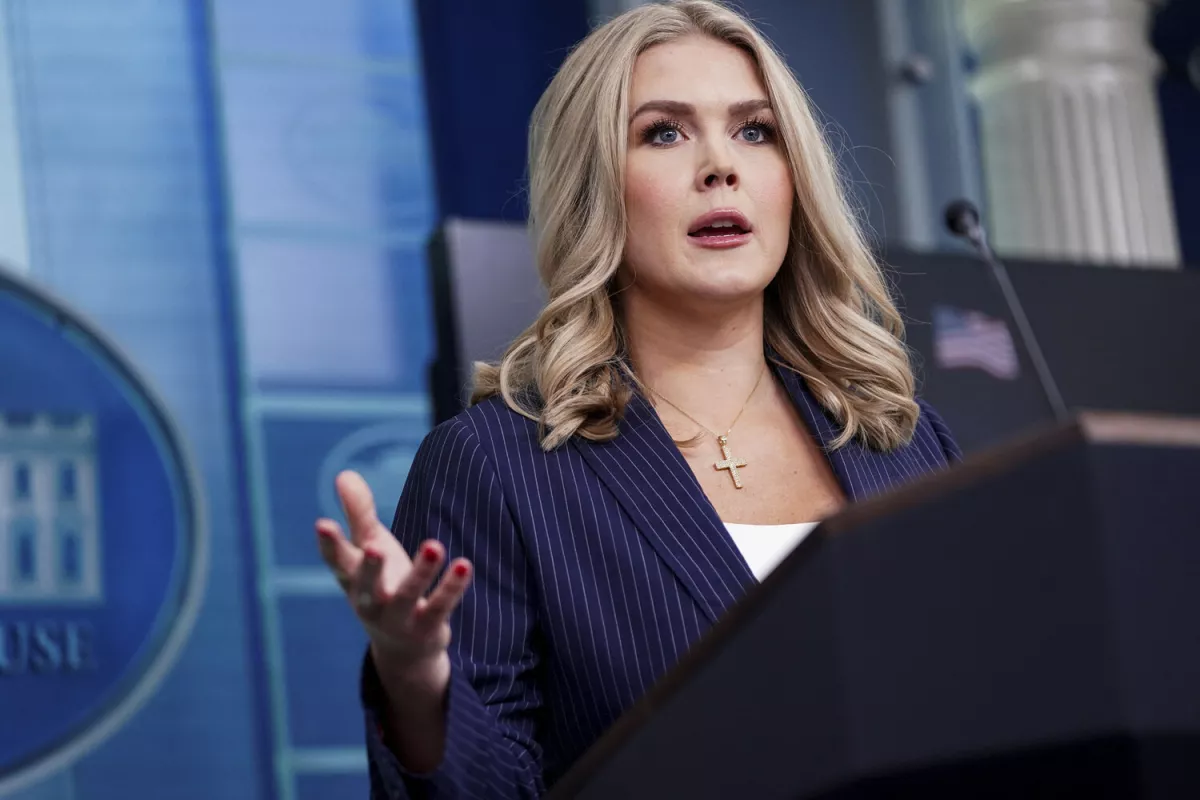
Iran, according to White House press secretary Karoline Leavitt, has “put forward a more reasonable and entirely different and condensed plan to the president and his team,” without disclosing further details.
“The president’s red lines, namely the end of uranium enrichment in Iran, have not changed. And the idea that President Trump would ever accept an Iranian wish list as a deal is completely absurd.” At the same time, payment for passage through the Strait of Hormuz is among Tehran’s demands.
Since around one-fifth of global oil supplies depend on this route, granting Iran control over transit would significantly increase costs and legal risks for companies accustomed to free navigation.
Iran is demanding payment in yuan or cryptocurrency for the passage of tankers through the strait. On April 7, Trump stated that the United States is ready to use Iran’s proposed 10-point plan, which includes charging about $2 million per vessel, as a basis for reaching a long-term truce.
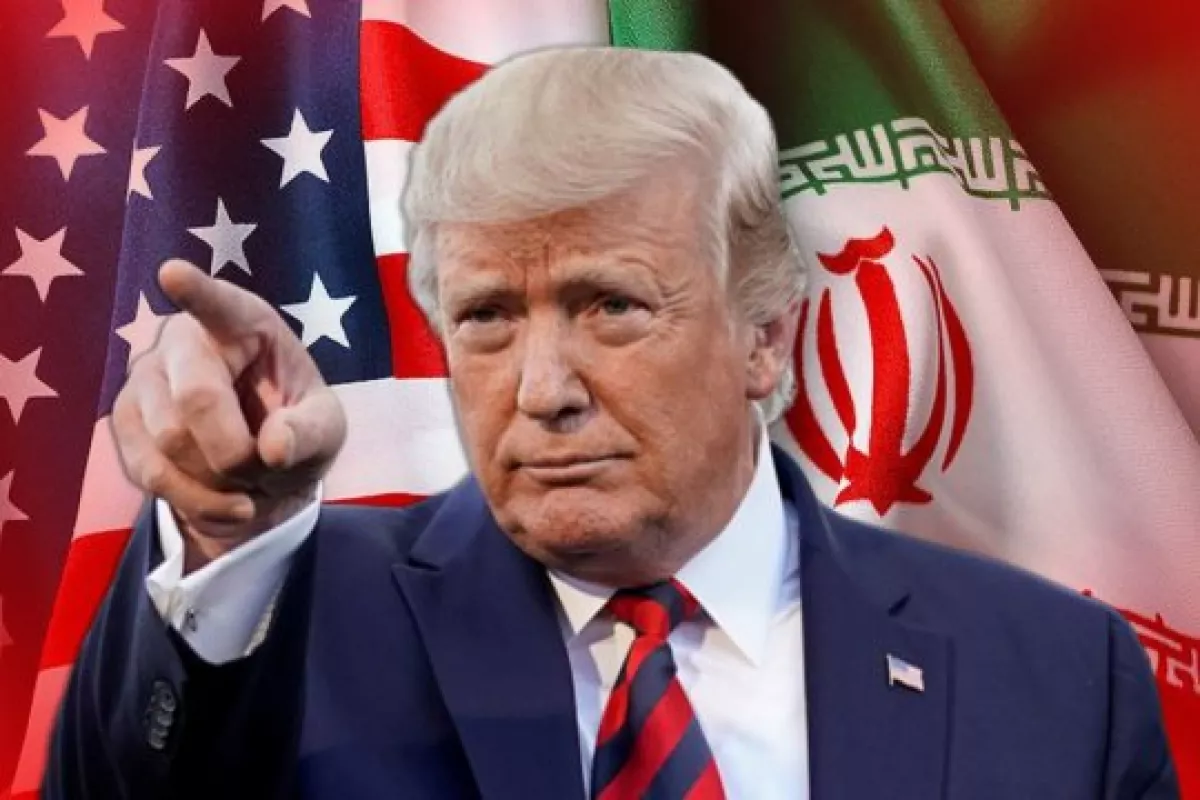
On April 7, Trump also stated that the United States was “very far along with a definitive Agreement concerning Longterm PEACE with Iran, and PEACE in the Middle East,” adding “We received a 10 point proposal from Iran, and believe it is a workable basis on which to negotiate.”
Donald Trump did not object to Iran charging fees for passage through the Strait of Hormuz and publicly allowed for the possibility of creating a “joint venture” to implement the scheme.
“It’s an idea the president has floated,” White House press secretary Karoline Leavitt said at a briefing on April 8, commenting on Trump’s proposal to share transit fee revenues with Iran.
“And it’s something that will continue to be discussed over the course of the next two weeks. The immediate priority of the president is the reopening of the strait without any limitations, whether in the form of tolls or otherwise.”
However, these statements contradict Trump’s own rhetoric.
Even after the announcement of a ceasefire, traffic through the Strait of Hormuz remains largely paralysed, according to Kpler analyst Matt Smith. Moreover, Iran reportedly closed the strait again on April 8 following Israeli strikes on Lebanese territory.
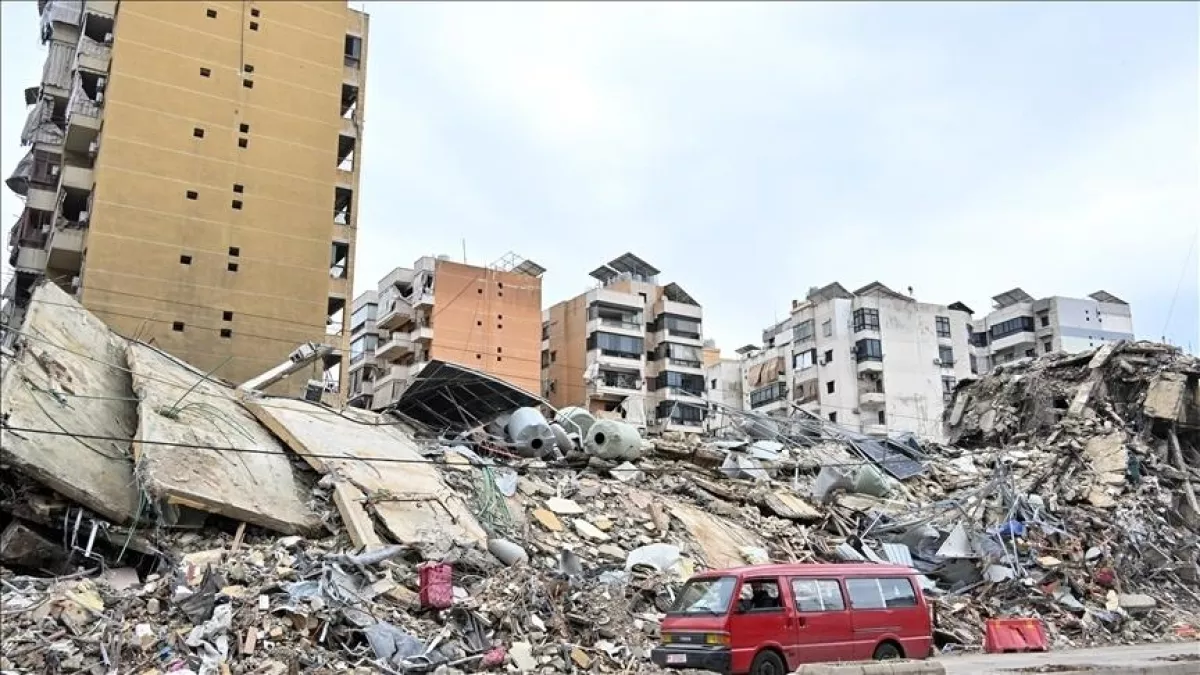
Tehran insists that any ceasefire must be comprehensive, including a halt to Israeli strikes in Lebanon. Otherwise, it has no intention of lifting the blockade. Israel, for its part, refuses to link the situation in Lebanon to agreements on Iran, stating that the two tracks are unrelated.
Foreign diplomats are also expressing concern, reaching out to the White House, which, they say, has so far shown little interest in their position.
“Next will it be Russian tolls in the Arctic? Chinese tolls in the South China Sea?” one Washington-based diplomat working in Asia asked. Diplomats fear that Iran could selectively impose fees, allowing some vessels through while restricting others depending on their political alignment. According to another diplomat in Washington, “seven or more ships” flying the Malaysian flag have already passed through the strait, “toll-free apparently.”
“Malaysia has always been really vocal against Israel, way before this whole Hormuz situation, so Tehran probably sees them as a friendly country. That plus staying neutral on the U.S.-Israel strikes probably helped a lot,” he noted.
The transit fee of $2 million U.S. dollars per ship from Iran’s 10-point plan represents further potential for blackmail,” said Arthur Leichthammer, a research fellow at the Jacques Delors Centre in Berlin. “That would be an extremely costly concession — both politically and economically.”
According to him, most shipping companies are not prepared to pay such fees, considering them economically unviable in the long term.
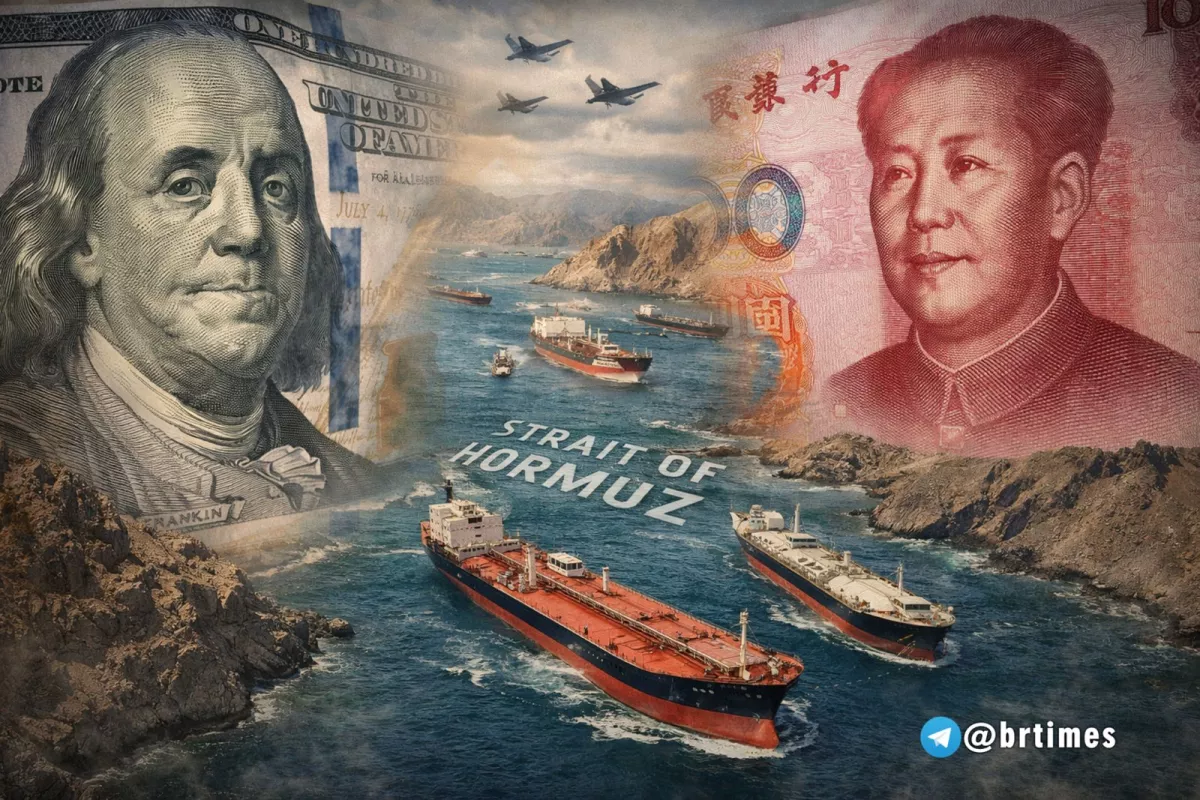
In the current circumstances, the situation increasingly looks less like a draw. If Tehran maintains control over the Strait of Hormuz and imposes its own rules, it may emerge from the conflict weakened, yet at the same time significantly strengthened in strategic terms. Iran would retain control over one of the world’s key trade arteries, giving it the ability to exert direct pressure on the global economy and substantially increase its budget revenues. This is not only an economic factor but also a major boost to Tehran’s political influence. Moreover, it would set a dangerous precedent, putting the principle of freedom of navigation at risk. At the same time, the United States’ status as a superpower is largely based on its ability to ensure the security of critical trade routes. Losing this function would inevitably call its global leadership into question.
However, important nuances remain. American transport aircraft continue to arrive in the region, delivering cargo to U.S. and Israeli military bases. At the same time, an increase in the U.S. ground presence in the Middle East has been observed. This may indicate preparations for a new phase of armed confrontation between the U.S.-Israeli coalition and Iran.
It is difficult to say whether pressure from the oil industry played a decisive role or whether Trump himself began to take into account political and reputational risks, but he issued another statement: “Iran is doing a very poor job, dishonorable some would say, of allowing Oil to go through the Strait of Hormuz. That is not the agreement we have!”







 editor@caliber.az
 +994 55 444-88-98
 Азербайджан, Баку, ул. Низами, 203, Af Business House, 5-й этаж