










US vs NATO: rhetoric of rupture or negotiation tactic? Washington pressures the Alliance
Amid White House threats of a possible US withdrawal from NATO, the international community and global media are closely following any developments related to the situation.
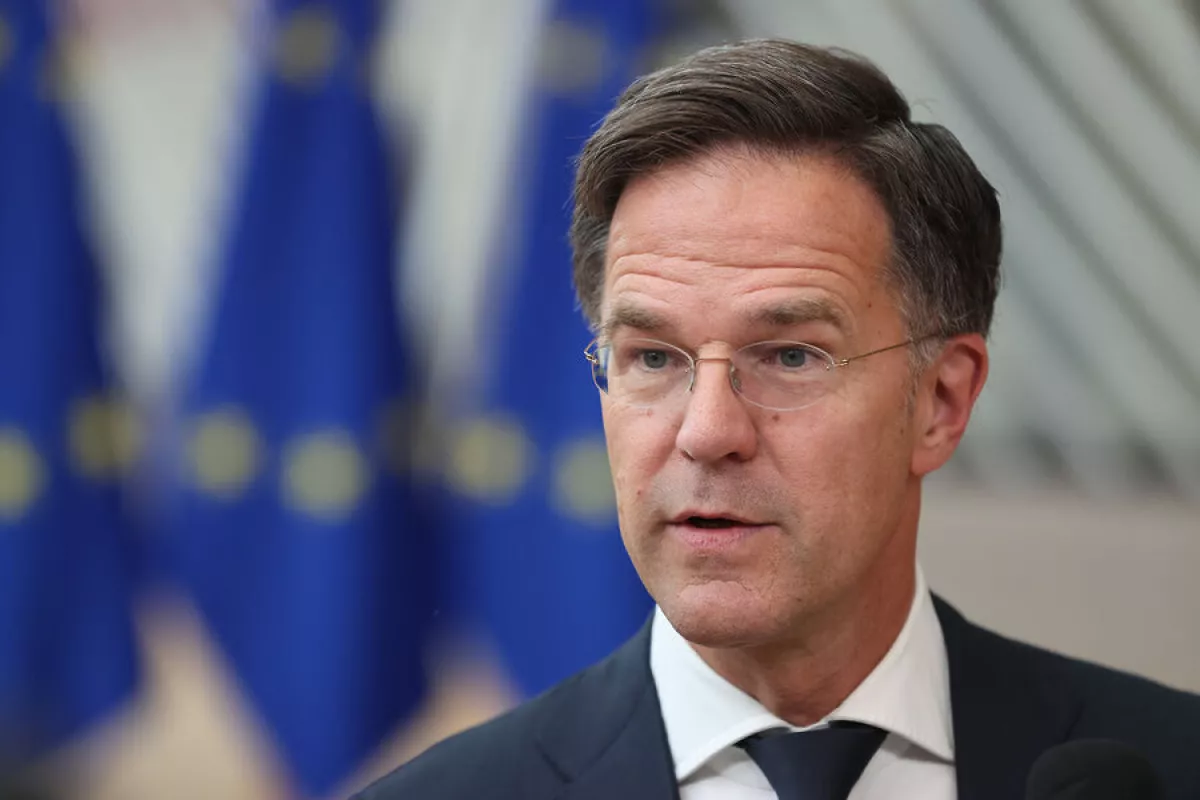
According to the Associated Press, a closed-door meeting took place between President Donald Trump and NATO Secretary General Mark Rutte, which likely unfolded in a rather tense atmosphere. In a later interview with CNN, the NATO chief stated that the US president had expressed disappointment with the actions of several Alliance members in the context of the confrontation with Iran.
“He is clearly disappointed with many NATO allies. And I can see his point. But at the same time, I was able to point to the fact that the large majority of European nations has been helpful with basing, with logistics, with overflights, with making sure that they lived up to their commitments,” he said.
Rutte also declined to say whether Trump had raised the issue of withdrawing from the Alliance during their conversation, but described the meeting as “a very frank, very open discussion, but also a discussion between two good friends.”
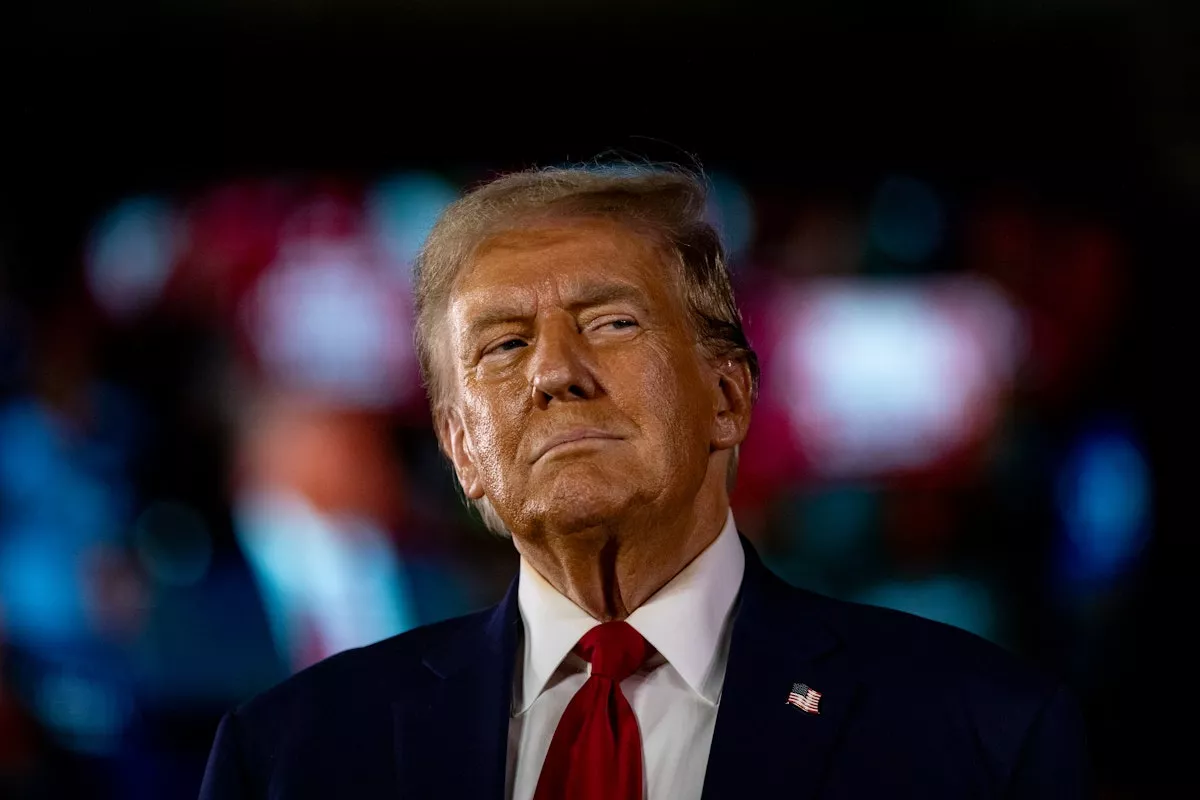
In this context, it is worth recalling that prior to the meeting, The Telegraph reported that the US president could inform Rutte of a potential refusal to defend NATO member states. Meanwhile, the White House chief, in an interview with ABC, stated that Washington’s call for NATO partners to join a military operation against Iran was nothing more than a test of the Alliance—and, as events have shown, the bloc did not pass it.
As we can see, the intrigue surrounding a possible US withdrawal from NATO is becoming increasingly complex. Against this backdrop, it is necessary to assess the likelihood of such a scenario in the foreseeable future—specifically during Trump’s time in office.
First of all, the US president’s current hardline stance toward the Alliance is a direct reflection of the position he held when he was a candidate for his first presidential term. Even then, Donald Trump repeatedly spoke unfavourably about NATO, arguing that the bloc had become obsolete.
In particular, in a 2016 interview with ABC, he stated that the Alliance was incapable of dealing with terrorism and therefore should either be reformed or replaced by another organisation: “What I'm saying is NATO is obsolete, and it's extremely expensive for the United States, disproportionately so. And we should readjust NATO. And it's going to have to be either readjusted to take care of terrorism. Or we're going to have to set up a new coalition, a new group of countries to handle terrorism, because terrorism is out of control.”
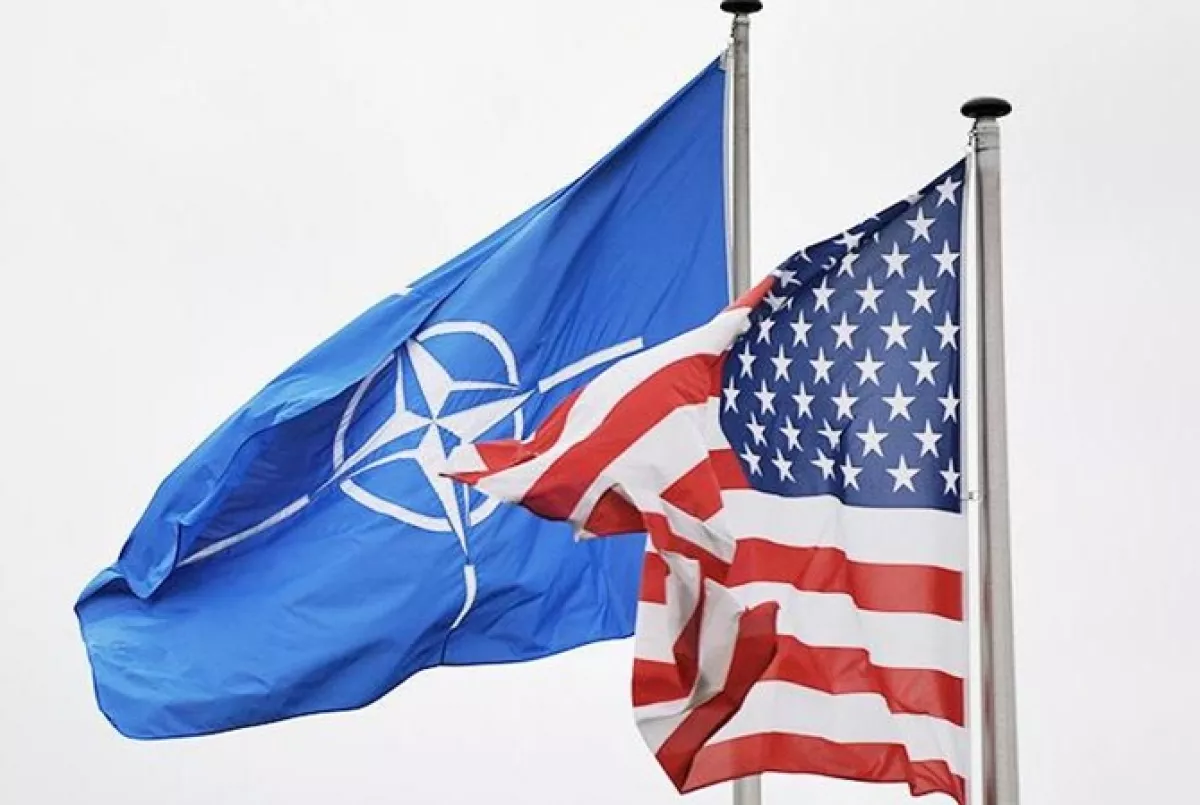
The most forceful public statement against the Alliance was made in May 2017. Speaking at the opening of a memorial to the victims of the September 11 attacks, which—together with a fragment of the Berlin Wall—is installed at NATO’s new headquarters, Donald Trump called on member states to contribute their “fair share” to defence spending, arguing that the United States bears a disproportionate burden compared to its European partners.
Subsequently, this issue—of particular importance to the Trump administration—was reflected in the new US National Security Strategy. Notably, the document frames Europe’s increased defence spending as a central pillar of relations with European allies. On this point, the White House has already achieved tangible results: according to NATO Secretary General Rutte’s March report on Alliance activities, all 32 NATO countries have raised their military spending to 2 per cent of GDP or higher, with three states reaching the 3.5 per cent level in 2025.
Continuing this topic, the Trump administration has requested a record military budget of $1.5 trillion from Congress for fiscal year 2027. Analysts suggest that this move, which includes a sharp 40 per cent increase, is driven by the need to replenish weapons stockpiles and strengthen defence capabilities amid heightened tensions with Iran.
However, despite all of the above, a US withdrawal from the Alliance appears unlikely due to a number of factors. The first is that such a radical step would require congressional approval. At the same time, only a small group of conservatives in the legislature support this idea, while Democrats, on the contrary, advocate strengthening NATO and view the bloc as a key element of US national security.
On the other hand, the US government maintains that the authority to withdraw from the North Atlantic Treaty rests with the president, and that any attempts to prevent this would be unconstitutional. Thus, if Trump were to make a final decision to leave the Alliance, the matter would likely be referred to the US Supreme Court. This would not only significantly delay the process but also cast doubt on its outcome, as the court’s ruling cannot be predicted.
The second factor is that a large portion of American society supports the United States remaining in NATO. According to Gallup data from early 2024, two-thirds of Americans wanted to maintain or increase America’s role in the Alliance. A survey conducted in the same year by the Pew Research Center showed that 58 per cent of US citizens view NATO favourably. At the same time, ideological divisions are clearly evident: 75 per cent of Democrats support NATO, while Republican support declined from 49 per cent in 2023 to 43 per cent.
The third factor is the Defense Department, which views the military Alliance as a key instrument of influence, while still considering the possibility of penalising certain member states for refusing to support Washington in its confrontation with Iran. However, an important clarification must be made: the Pentagon is not discussing withdrawal from the Alliance. Rather, it is considering a potential reduction of US troop presence in certain member states or a reassessment of existing commitments.
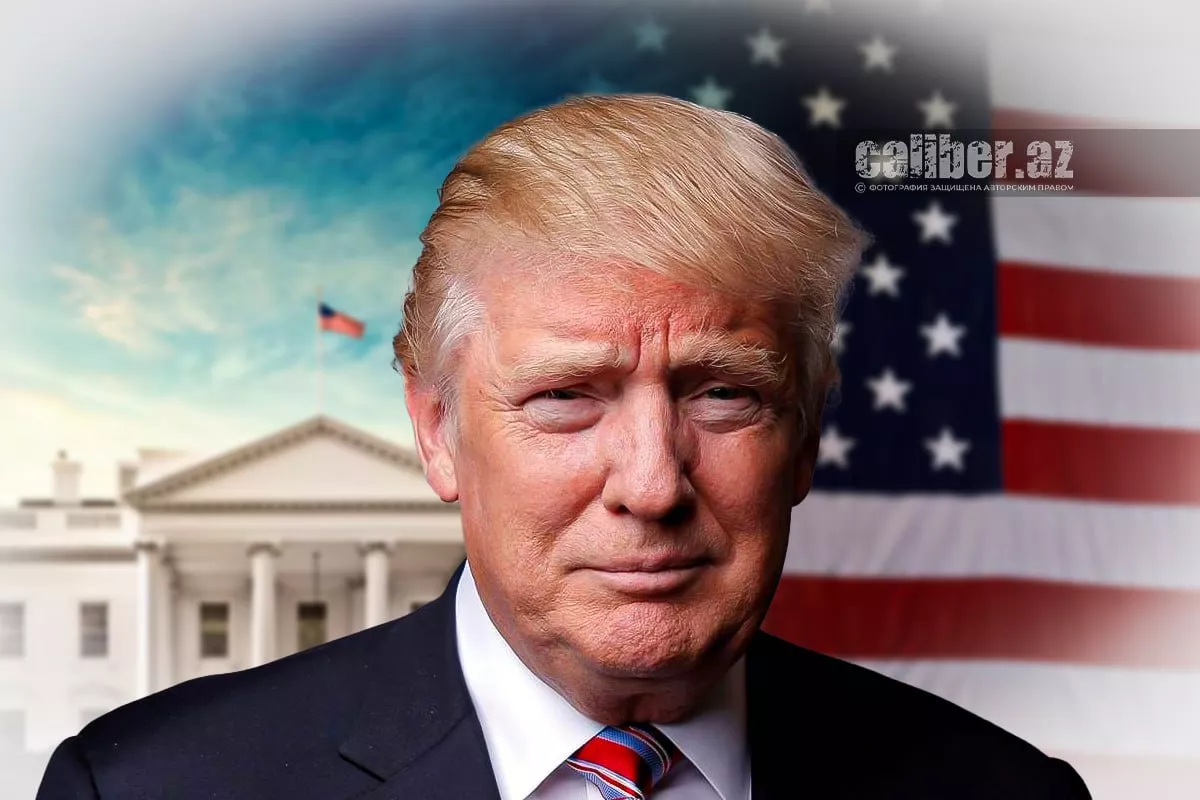
Thus, based on all of the above, it can be argued that the US president is using the threat of withdrawing from NATO as a tool of pressure, primarily aimed at reducing Washington’s financial burden in maintaining the Alliance and compelling Europe to take greater responsibility in this sensitive area. In other words, the United States is effectively seeking to minimise its obligations as a guarantor of European security.
In addition, the White House appears to be counting on the idea that, faced with the prospect of the United States leaving the bloc, allies will become more cooperative on issues related to Ukraine and Iran.
On the other hand, the refusal to support the United States in the war with Iran has become a clear indicator that NATO countries are not fully aligned with Washington’s foreign policy line, which will likely push the Trump administration to further tighten pressure in matters of European security—an issue that represents the Alliance’s Achilles’ heel.
At the same time, it can be assumed that such a tactic by the White House is not aimed at withdrawing from the bloc, but rather at consolidating the United States’ status as the dominant power both within NATO and in the broader international system.







 editor@caliber.az
 +994 55 444-88-98
 Азербайджан, Баку, ул. Низами, 203, Af Business House, 5-й этаж