










Baku – Tbilisi: Balance against chaos Article by Vladimir Tskhvediani
On April 6, 2026, Azerbaijani President Ilham Aliyev paid a state visit to Georgia. The visit carried particular significance, as—against the backdrop of recent global developments—Georgia and Azerbaijan have effectively formed a kind of “peace corridor” between the Black Sea and the Caspian Sea — as well as between Iran and Russia, both involved in military conflicts.
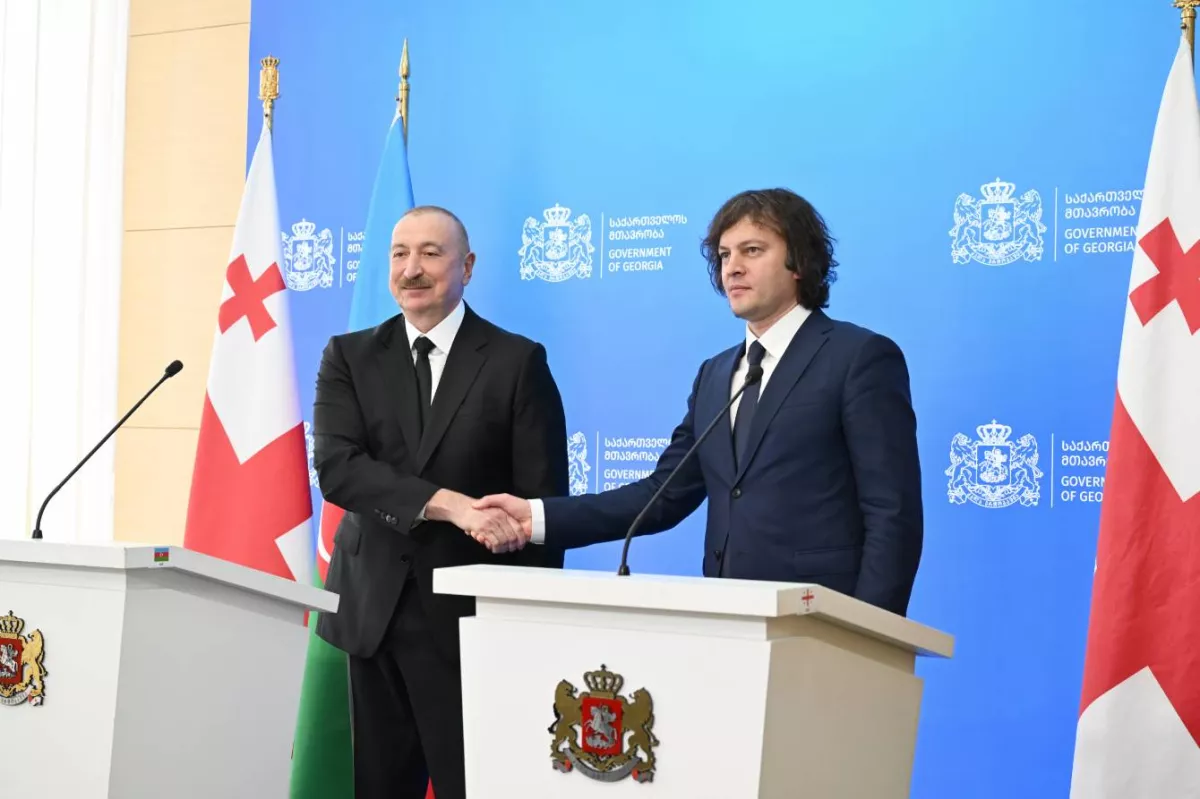
“A fundamentally new situation is emerging in the South Caucasus, and the countries in this region must not miss these opportunities. Unfortunately, peace, security, stability, and tranquility are being disrupted in many parts of the world, resulting in bloody clashes, wars, suffering, and losses. A similar situation once existed in the South Caucasus as well. But today, the South Caucasus is turning into a space of peace, tranquility, security, and cooperation. I would like to especially highlight Georgia’s role in this process,” said Ilham Aliyev in a press statement alongside Georgian Prime Minister Irakli Kobakhidze.
In turn, Prime Minister Irakli Kobakhidze emphasised that “global geopolitical shifts have further elevated the importance of the Middle Corridor, as well as the strategic significance of the Black Sea and the South Caucasus as a whole.”
“As a bridge connecting Asia and Europe, our countries play a pivotal role in transit,” Kobakhidze noted.
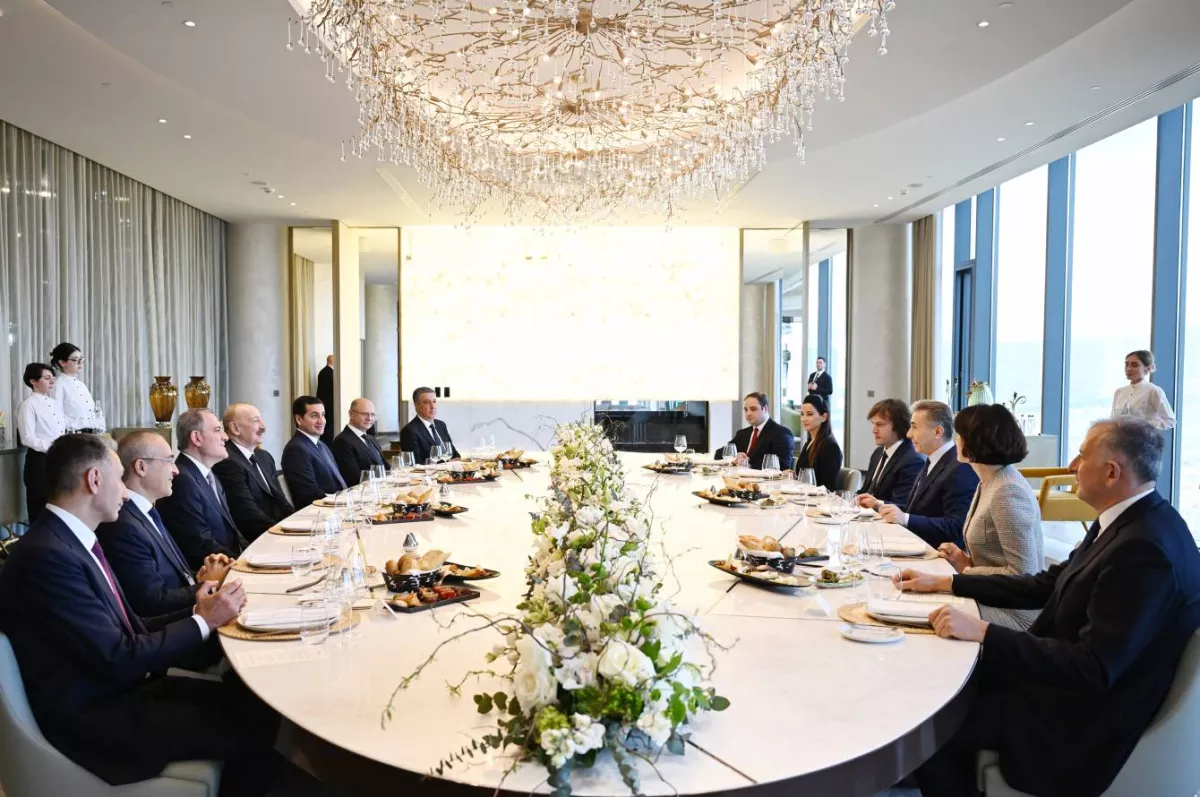
In honour of the Azerbaijani president, a luncheon was hosted by Bidzina Ivanishvili, the honorary chairman of Georgia’s ruling party. During the meeting, discussions focused on close partnerships in the energy sector, as well as transport and energy projects jointly implemented by Azerbaijan and Georgia. The strategic importance of the Baku–Tbilisi–Kars railway for regional connectivity was highlighted separately.
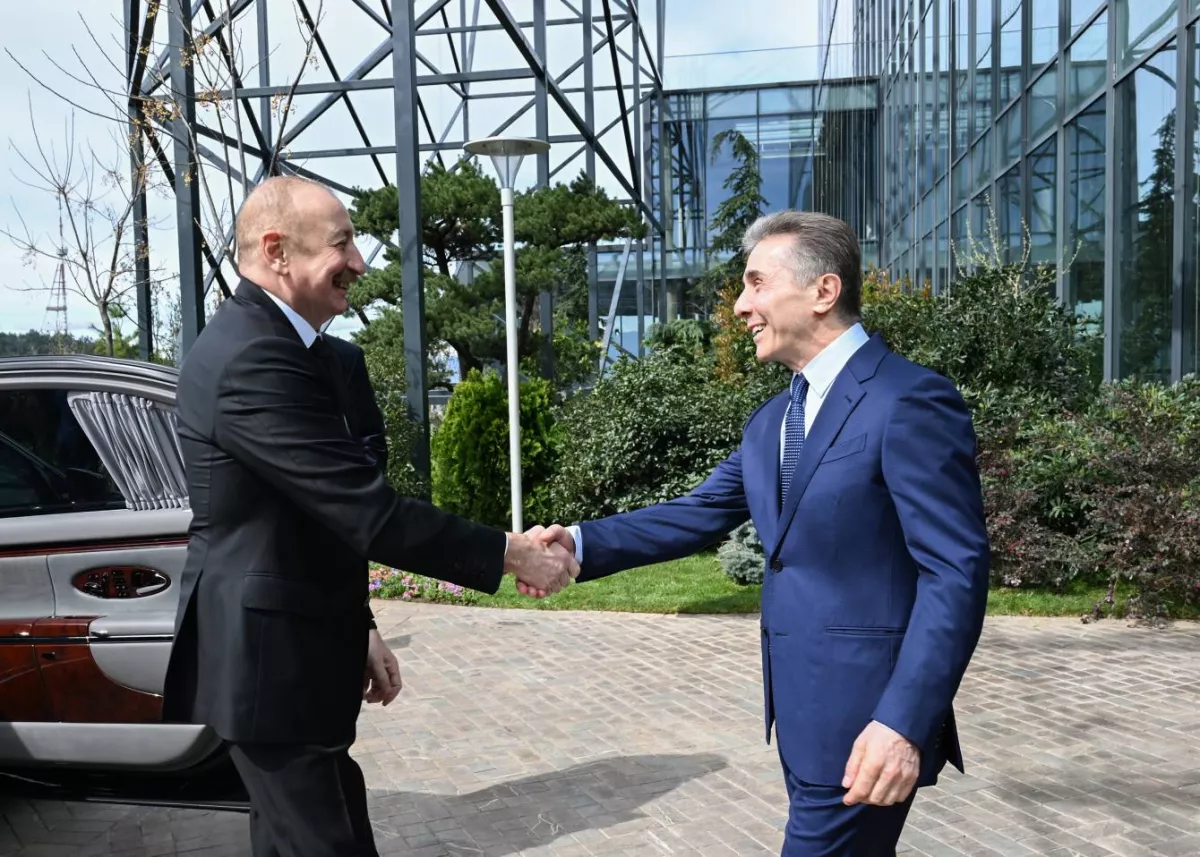
Ivanishvili expressed his gratitude to Aliyev for supporting peace and stability in the South Caucasus, noting that amid growing security challenges, it is crucial for the political leaders of both countries to make every effort to preserve peace and promote economic development.
Aliyev, in turn, emphasised bilateral projects, the significance of the energy corridor, and Georgia’s active role in the export of Azerbaijani natural resources. He confirmed his commitment to continue working together to maintain peace and stability in the region.
The joint efforts of Azerbaijan and Georgia to ensure peace and stability in the South Caucasus became a central theme of the visit—particularly given that, in the current geopolitical context, real risks remain: external forces could attempt to destabilise this “peace corridor” between Azerbaijan and Georgia, as well as the Middle Corridor that passes through it.
Attempts have already been made to draw Georgia and Azerbaijan into the conflicts raging near the South Caucasus. External actors are also capable of exploiting scenarios involving “revolutions,” coups, and “Maidans,” which, as the experience of other countries shows, often lead to armed conflicts.
A similar threat emerged in Georgia in 2024–2025, when the pro-Western opposition, supported by certain EU structures, tried to destabilise the situation through street protests. In large part, stabilisation was achieved thanks to Azerbaijan’s position, which supported the Georgian Dream government, which had received a mandate of confidence in the October 2024 elections.
In this context, mutual support for territorial integrity and the unequivocal condemnation of any forms of separatism take on particular importance—a point that Irakli Kobakhidze emphasised in his press statement following the meeting with Ilham Aliyev.
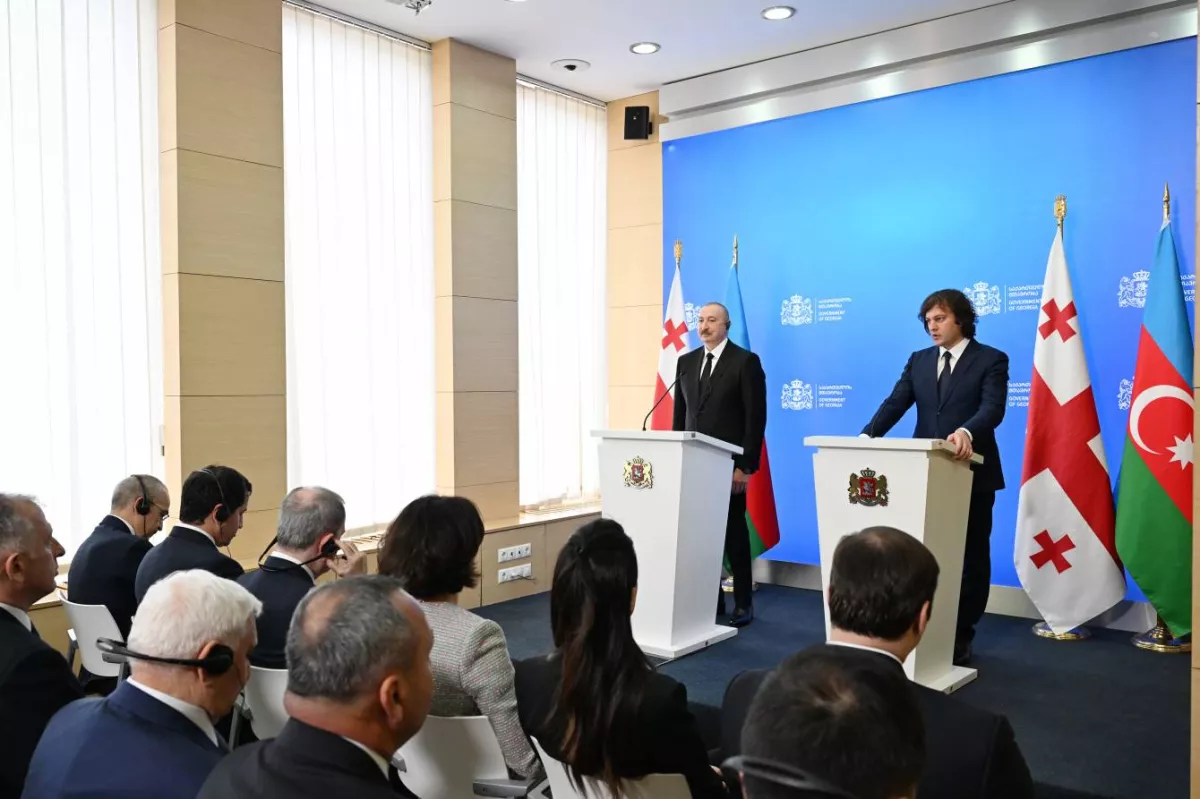
“I would like to express my gratitude for Azerbaijan's steadfast support for the sovereignty and territorial integrity of Georgia. Since restoring its independence, Georgia has always been a strong advocate of Azerbaijan's national interests, sovereignty, and territorial integrity; it remains so now and will remain so in the future. During our meeting today, we discussed in detail not only our bilateral ties but also broader matters concerning the future of the South Caucasus region as a whole,” stated the Georgian prime minister.
Formally, Georgia’s territorial integrity is recognised by both the United States and European Union countries. However, in practice, Brussels provides funding to numerous NGOs operating in the occupied Georgian territories and supporting separatist projects of the so-called “independent” Abkhazia and “South Ossetia.”
In the past, similar NGOs in these territories were actively funded by the United States through USAID. This highlights the Western countries’ double standards regarding the territorial integrity of South Caucasus states.
A similar approach was previously evident in relation to Azerbaijan, when Karabakh was under occupation, and a separatist regime existed there. Today, the occupation is a thing of the past, giving Georgia grounds to hope for the restoration of its own territorial integrity.
Moreover, the continued existence of separatist regimes in the occupied Georgian territories remains a source of instability and poses a potential threat to a critical element of international logistics: the Middle Corridor.
By Vladimir Tskhvediani, Georgia, exclusively for Caliber.Az







 editor@caliber.az
 +994 55 444-88-98
 Азербайджан, Баку, ул. Низами, 203, Af Business House, 5-й этаж