










Hungarian turning point Results and forecasts
On April 12, 2026, a major political event took place in Hungary. The Tisza Party, led by Péter Magyar, secured a decisive victory in the parliamentary elections, winning 138 seats in the 199-member National Assembly. The ruling Fidesz party of Prime Minister Viktor Orbán received 55 seats, while the far-right Our Homeland party won six. Voter turnout reached nearly 80 per cent — an absolute record in Hungary’s history.
That same evening, Viktor Orbán called Magyar to congratulate him on his victory, acknowledging that the result was “painful but clear,” and promising that Fidesz would continue to serve the Hungarian people from the opposition. Thus ended the 16-year era of one of the most influential — and, it must be said, one of the most distinctive — European leaders of modern times.
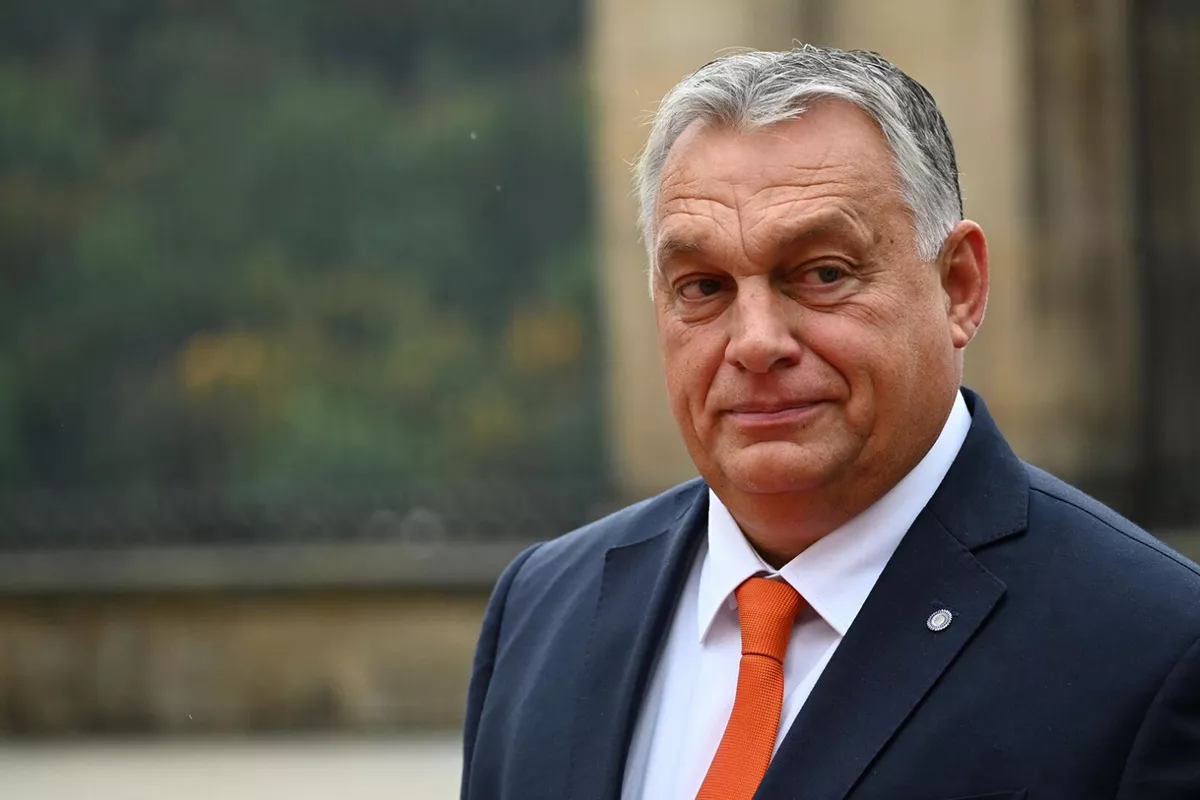
Viktor Orbán
To assess the scale of what has happened, it is necessary to recall how and from what Viktor Orbán began his second term in power (he first led the government in 1998 after Fidesz won the parliamentary elections with 44% of the vote, but in 2002 his party was defeated). In 2010, Hungary had not yet recovered from the global financial collapse; public debt was bloated, the economy was contracting, and the political system was in a deep crisis of trust following the scandalous “Őszöd speech” by Socialist Prime Minister Ferenc Gyurcsány (May 2006).
Fidesz secured a constitutional majority, and Orbán immediately set about fundamentally reshaping the state. As part of a programme to stimulate economic growth, a flat income tax of 16 per cent was introduced (later reduced to 15 per cent), private pension funds worth around $12 billion were nationalised, and an aggressive policy to reduce utility tariffs was implemented. Unemployment, which stood at around 11 per cent, fell below four per cent within a few years. GDP growth at times exceeded four per cent annually. IMF loans were repaid ahead of schedule. A large-scale demographic programme — including non-repayable loans for large families and tax incentives — did indeed raise the birth rate from 1.25 children per woman in 2010 to 1.49 in 2019.
Orbán built a foreign policy model he himself termed “illiberal democracy” — sovereign, multi-vector, and deliberately at odds with the Brussels mainstream. Under his leadership, Hungary consistently rejected EU migration quotas, blocked several sanctions packages against Russia, maintained close ties with Beijing and Ankara, and firmly opposed the accelerated integration of Ukraine into the European Union. Orbán became a figure of global stature: for some, a symbol of resistance to the “progressive West”; for others, an “authoritarian” leader undermining European unity from within. Washington under Donald Trump treated him with marked warmth, and Vice President J.D. Vance visited Budapest just ahead of the elections to express support. On both sides of the Atlantic, Orbán came to embody the idea that sovereign conservatism can retain power for years within a democratic system.
However, toward the end of his sixteen-year rule, Orbán increasingly faced the costs of this model. Economic indicators began to deteriorate gradually. Inflation in 2022–2023 was among the highest in the European Union. In terms of GDP per capita, Hungary — once a leader among Central European countries — fell behind Poland, Croatia, and the Baltic states. Healthcare and education systems came under mounting strain: staff shortages, long waiting times for medical appointments, and a growing outflow of qualified professionals to Western Europe.
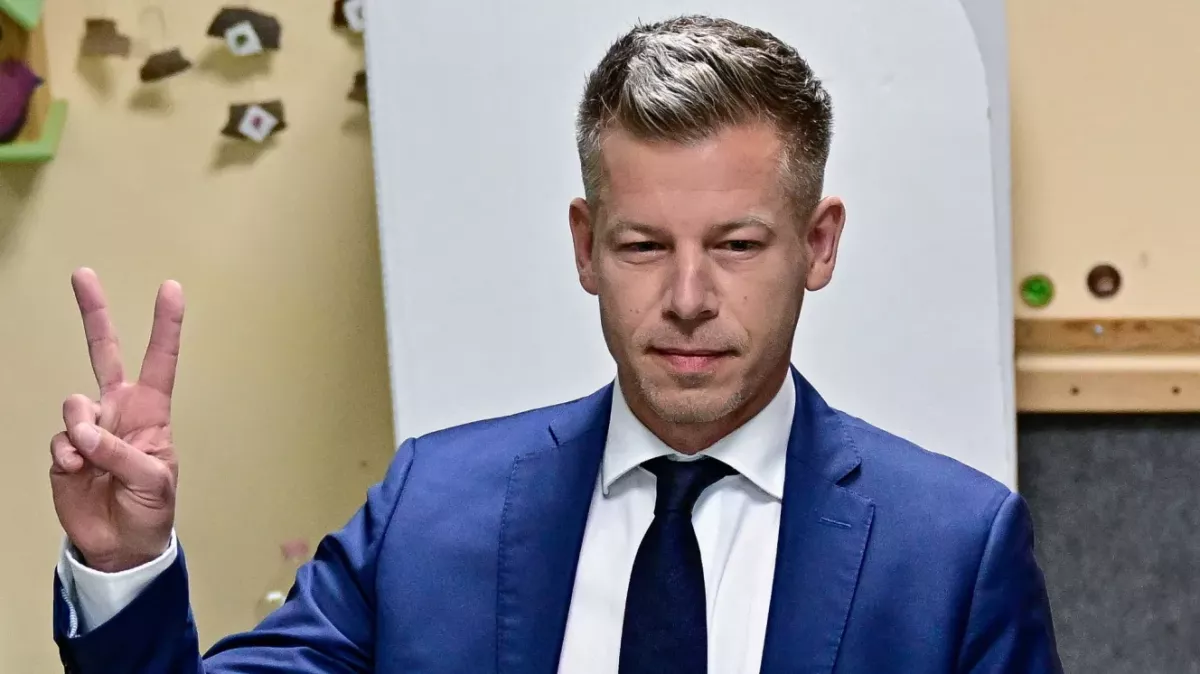
Péter Magyar
Péter Magyar, a product of the very core of the Fidesz system (2002–2024) — his former wife, Judit Varga, served as Minister of Justice, while he himself headed the Student Loan Centre and worked at the state Development Bank — burst onto the Hungarian political scene from an unexpected direction. In 2024, a scandal surrounding the pardon of an individual involved in a child abuse case, which implicated high-ranking officials and even led President Katalin Novák — a close ally of Orbán — to resign, became the spark that triggered a political avalanche.
Magyar publicly broke with Fidesz in February 2024, brought hundreds of thousands of people onto the streets of Budapest, and within a matter of months built a political machine unlike anything the Hungarian opposition had seen throughout Orbán’s sixteen years in power. In the European Parliament elections in June 2024, Tisza secured seven seats, and by April 2026, it had evolved into a force capable not only of defeating Fidesz, but of delivering it a crushing blow.
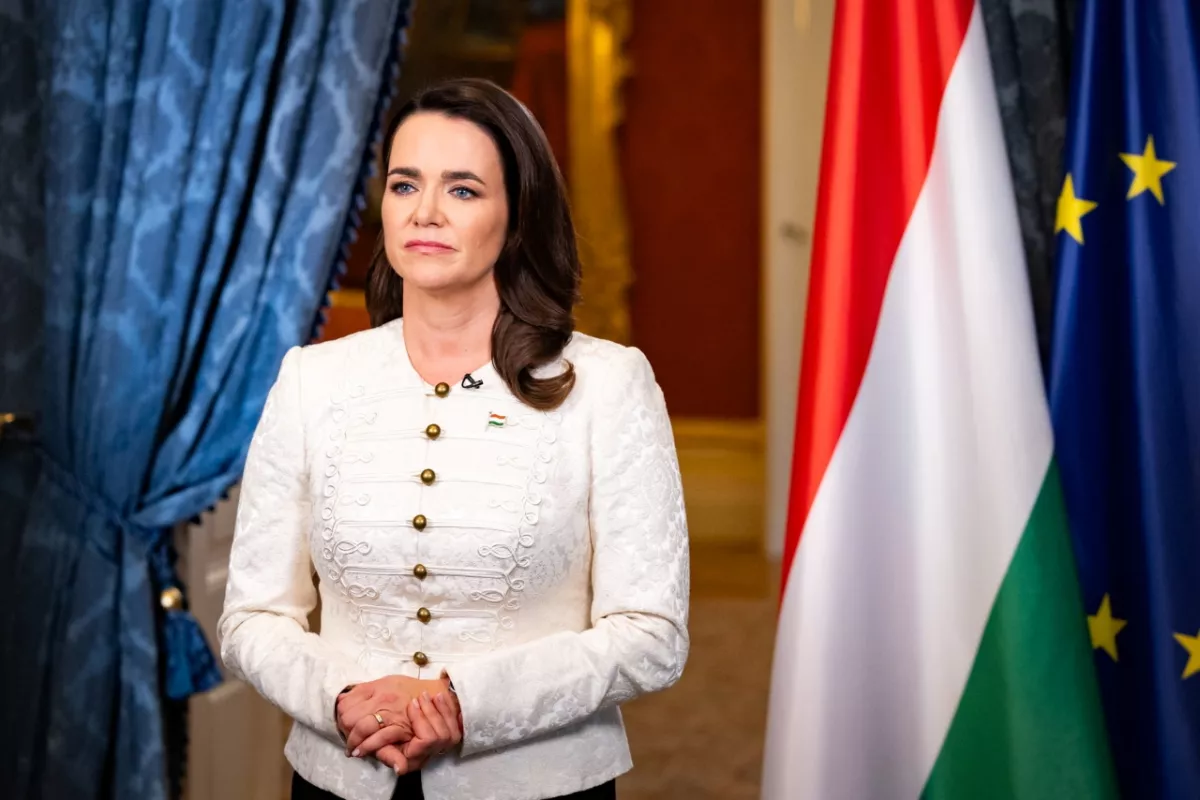
Katalin Novák
The strength of Magyar’s campaign lay in his precise choice of agenda. Where Orbán spoke of “civilisational battles,” threats from the West, and the war in Ukraine, Magyar focused on food prices, queues in hospitals, and crumbling schools. He turned these issues into a powerful political weapon, travelling to more than five hundred settlements and visiting up to seven towns a day — an unprecedented pace in Hungarian politics.
The key question now is what Magyar will do with the power he has gained and how his rule will affect the domestic and foreign policy configuration shaped under Orbán. A constitutional supermajority of 138 seats gives him the ability to amend the country’s Basic Law, restructure the judiciary, and remove Fidesz political appointees from key positions. Magyar has already announced plans to introduce a two-term limit for the prime minister (eight years), with retroactive application to Orbán. He also intends to restore separate ministries for healthcare, education, and the environment.
The nomination of former Shell vice president István Kapitány as a candidate for Minister of the Economy, and Anita Orbán (no relation to Viktor Orbán), a former deputy CEO of Vodafone, as a candidate for Minister of Foreign Affairs, points to the seriousness of his governing ambitions.
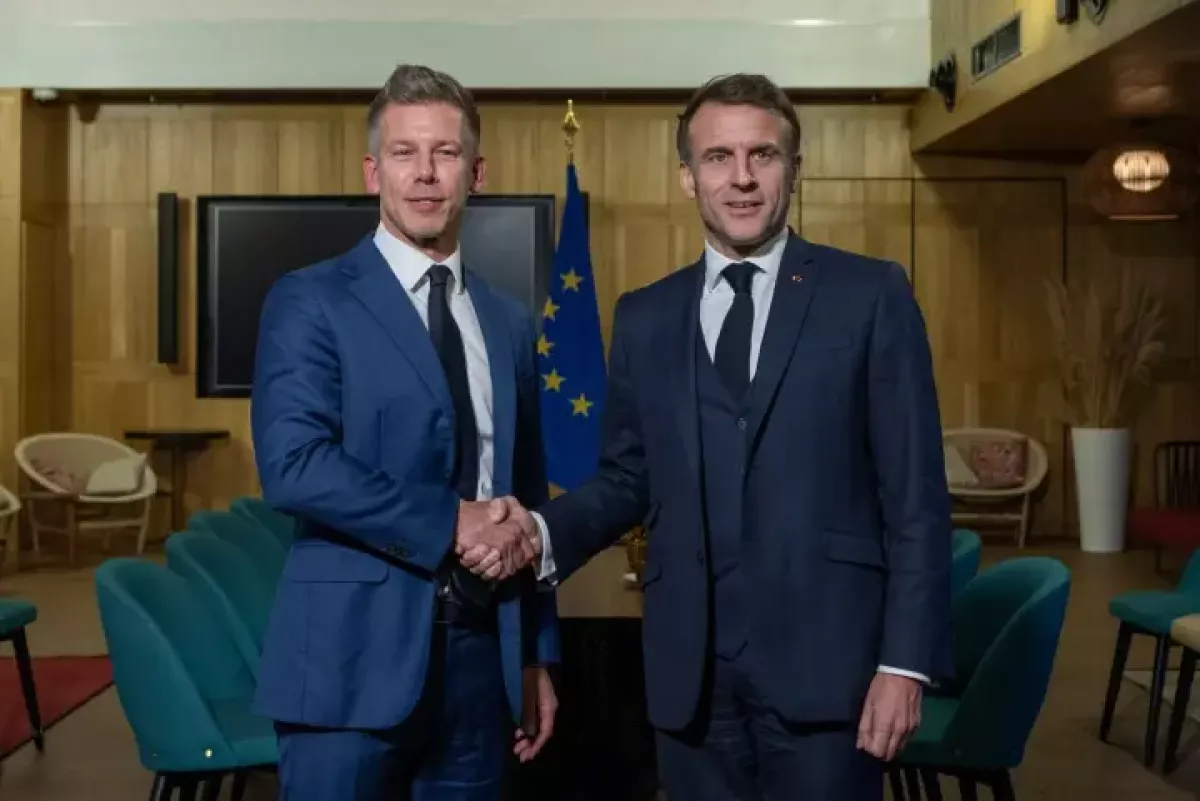
Magyar and Macron
In foreign policy, the Tisza Party declares loyalty to the EU, good-neighbourly relations, and responsibility for Hungarian diasporas abroad. Anita Orbán, the candidate for foreign minister, formulated the position quite succinctly: Hungary should “stop being a stick in the spokes and become a spoke of the wheel” — part of a functioning system rather than the cause of its breakdown. In practical terms, this means ending the systematic vetoes on EU decisions regarding Ukraine and Russia, and unblocking frozen European funds.
At the same time, it would be naïve to expect a radical break with Orbán’s legacy across all fronts. Magyar remains cautious on the issue of Ukraine’s accelerated accession to the EU; his party in the European Parliament has repeatedly diverged from the European People’s Party’s position on Ukraine. Moreover, reducing dependence on Russian energy sources, by his own estimates, will take years — with a timeline extending to 2035, significantly later than the EU’s target benchmarks.
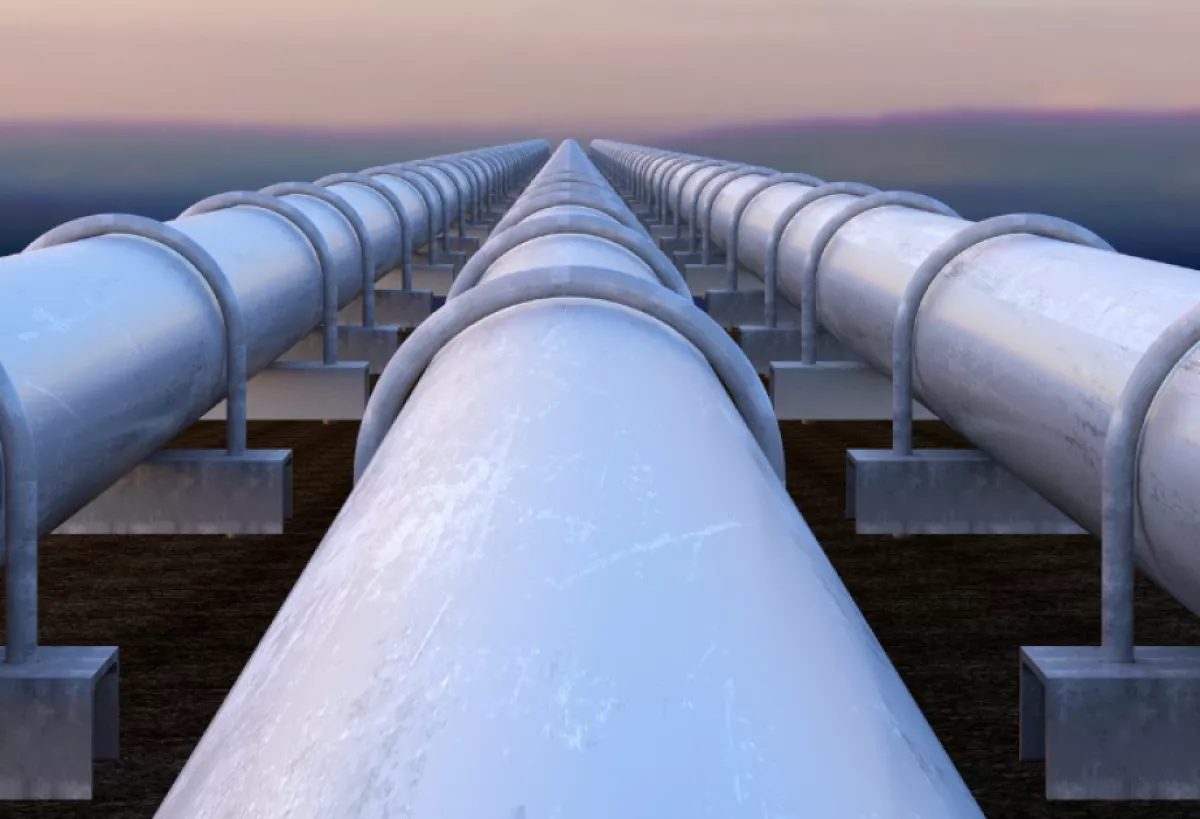
For Baku, the change of power in Budapest is an event that calls for a sober and thoughtful analysis, without rushing to conclusions in either direction. Relations between Azerbaijan and Hungary have been built over decades and have reached the level of a strategic partnership, formalised in a joint declaration in 2014 and consistently deepened with each successive meeting between Ilham Aliyev and Viktor Orbán. Energy cooperation has been the backbone of these ties. Hungary’s MVM acquired a 5 per cent stake in the Shah Deniz gas field and 4 per cent in export pipelines, while MOL holds 9.57 per cent in the ACG oil block and 8.9 per cent in the Baku–Tbilisi–Ceyhan pipeline. Azerbaijani gas has been supplied to Hungary since 2023. Bilateral trade turnover increased by 77 per cent over four years (2021–2024). An Azerbaijani pharmaceutical company is launching production under licence from Gedeon Richter; Hell Energy is building a plant in Azerbaijan; and an agreement has been signed to transmit renewable electricity from Azerbaijan to Europe via the “Green Energy Corridor” involving Georgia and Romania.
It is important to understand that this foundation has been built primarily on pragmatic economic and energy interests — and these will outlast any change of government in Budapest. Energy diversification is an area where Tisza does not diverge from Orbán’s course. Magyar is no less interested than the outgoing prime minister in reducing dependence on Russian hydrocarbons, and Azerbaijani gas and oil represent precisely the alternative route that Budapest needs. Hungarian investments in Azerbaijan’s energy sector are commercial assets of MOL and MVM, not tied to the personality of any particular leader. Moreover, the need for energy security under Magyar may even increase, given his stated intention to unlock frozen EU funds and restart the economy — for which stable energy supplies will be critically important.
The other dimension is the political aspect of the relationship — the particular atmosphere of understanding that under Orbán went far beyond standard diplomatic protocol. Budapest consistently demonstrated solidarity with Baku on European platforms, firmly defended the principle of Azerbaijan’s territorial integrity, and expressed readiness to participate in the reconstruction of the liberated territories. At the Organisation of Turkic States (OTS) summit in Shusha, Orbán highly praised Azerbaijan’s peace-oriented policy — and these were not just words, but positions backed by concrete political actions over many years. The government of Magyar, as is often expected, may build relations in a different key — more restrained and more embedded in a broader European logic. This is a natural recalibration, which, however, does not in itself imply a loss of partnership potential.
Yet here too, there is no reason for panic or apocalyptic scenarios. For Europe, Azerbaijan is first and foremost an energy partner and a key transport hub of the Middle Corridor, and this role does not change with the replacement of a government in any single EU member state. Relations between Baku and Budapest are not based solely on the personal friendship of two leaders, although that has played its role, but on an institutional framework of strategic partnership reinforced by real investments and mutual economic interests. The very fact that Azerbaijani gas is supplied to Hungary, that MOL and MVM are deeply involved in the Caspian energy sector, and that a four-party agreement on the “Green Corridor” has been signed, creates a framework that any rational politician in Budapest would prefer to preserve.
A separate issue deserving attention is the future of Hungary within the Organisation of Turkic States (OTS). Budapest was granted observer status in the OTS in 2018 — an initiative launched by Orbán that fit naturally into his “Eastern Opening” doctrine and his deep interest in the historical and cultural links between the Magyars and Turkic peoples, which trace back to the era of the great steppe migrations. Orbán readily emphasised this affinity, calling Hungarians “the westernmost Eastern people,” and was awarded the Supreme Order of the Turkic World.
In May 2025, Budapest hosted, for the first time, an informal meeting of the OTS Council of Heads of State, where Orbán received the presidents of Azerbaijan, Türkiye, Kazakhstan, Kyrgyzstan, and Uzbekistan. Behind this symbolism lay tangible results: Hungary’s trade turnover with Turkic states exceeded $5 billion, Budapest joined the Turkic Investment Fund with a contribution of $100 million, and more than 5,000 students from OTS countries are currently studying at Hungarian universities.
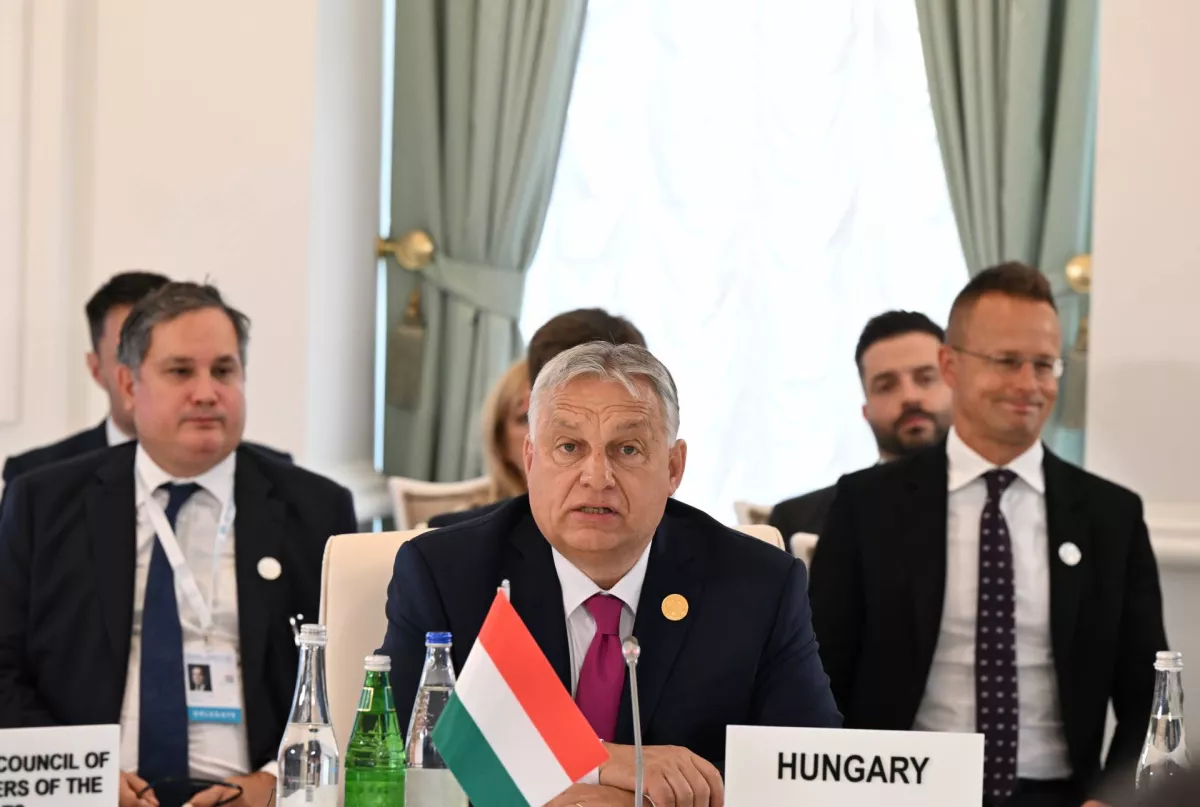
Orbán at the OTS summit in Shusha
For the Organisation of Turkic States, Orbán’s departure represents a tangible loss in the sense that he was the only Western leader who did not merely attend Turkic forums, but turned his participation into a political event. His presence gave the OTS weight in the eyes of Western observers and demonstrated that the organisation is not a closed club, but a platform attractive to European states. The loss of this symbolic capital is therefore inevitable.
However, institutional inertia, economic interests, and the existence of the Budapest-based OTS office ensure a basic level of continuity for the format. The key test will be the position of the new government regarding upcoming summits and its willingness to continue practical cooperation.
Looking ahead, it is worth noting that Magyar faces an exceptionally complex task. A two-thirds majority provides him with instruments for transformation, but it also carries risks: the concentration of such extensive power in the hands of a single party — even one with good intentions — could reproduce the same logic that Magyar promised to eliminate. European analysts are already warning that expectations should be calibrated cautiously. Orbán built his system over sixteen years, and it would be naïve to expect its dismantling within a single parliamentary term.
For Baku, the situation requires strategic restraint. The shift in Budapest’s political language — from Orbán’s “East and West” to Magyar’s “back to Europe” — does not change the fact that Azerbaijan remains a key partner for Hungary in the field of energy security, while Hungary remains an important investor for Azerbaijan and a gateway to the European market. The task for the Azerbaijani side is to build effective working relations with the new team in Budapest, emphasising an energy and economic agenda that does not provoke objections from any government, and to adapt political engagement to the new realities.
The Hungarian elections of April 12, 2026, will go down in history. Orbán departed with dignity: he acknowledged defeat, congratulated his rival, and promised to work in opposition. Magyar has received a mandate unmatched in Hungary’s democratic history. He must now prove that he is capable not only of dismantling another system, but also of building his own — one that is fair, transparent, and still open to partners with whom Hungary is bound by real interests and a shared history of cooperation.
By István Farkas, Budapest, exclusively for Caliber.Az







 editor@caliber.az
 +994 55 444-88-98
 Азербайджан, Баку, ул. Низами, 203, Af Business House, 5-й этаж