










From Brexit – back to the EU? Britain draws closer to Brussels
Today’s global geopolitical turbulence, widespread chaos, and the unpredictability of international political and economic processes are pushing even the most principled and independent players in foreign policy to reconsider their stance on the bloc system. This trend has become particularly evident recently in the case of the United Kingdom, which officially left the European Union back in 2016.
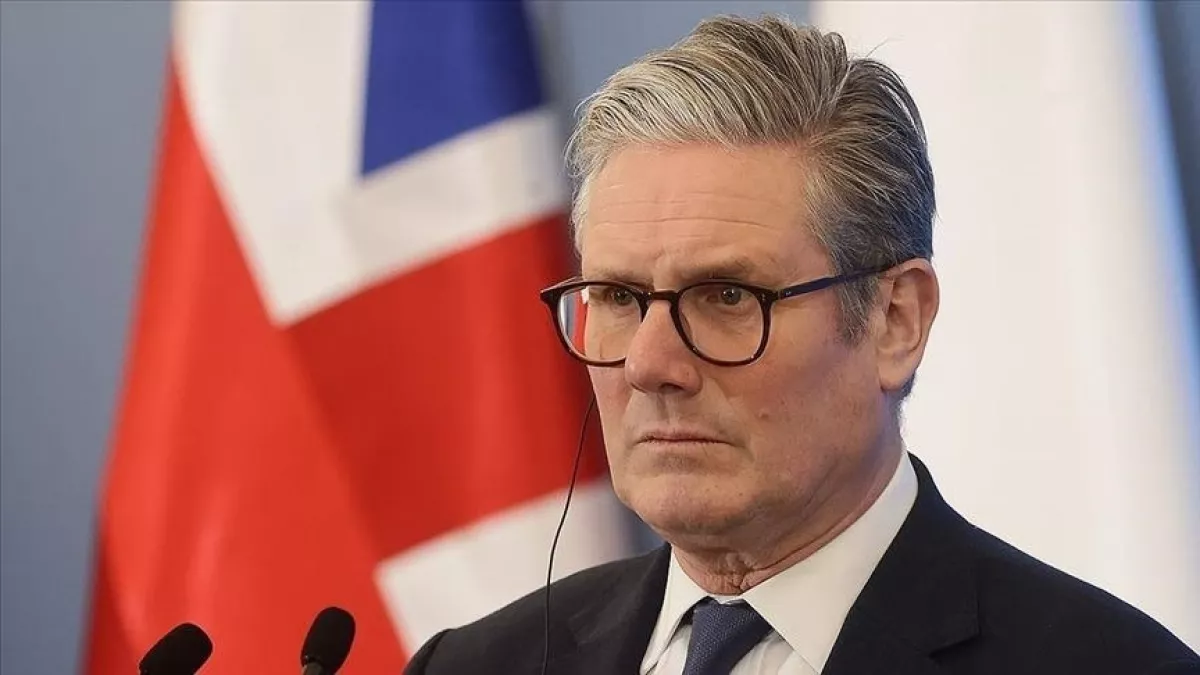
Speculation about a possible return to the EU has been sparked by Keir Starmer’s statements on a pro-European course for the kingdom, which naturally attracted the attention of global media. As The Irish Times notes, against the backdrop of increasing global instability, the Prime Minister, for the first time since taking office, called for a deepening of the partnership with the EU. It should be noted that the current British Prime Minister’s position on this issue has long varied across a wide spectrum. Prior to the 2016 referendum, he actively opposed Brexit and criticised the idea, while during the negotiations (2017–2019), he advocated for a second referendum, considering the conditions proposed by the Conservative government unacceptable.
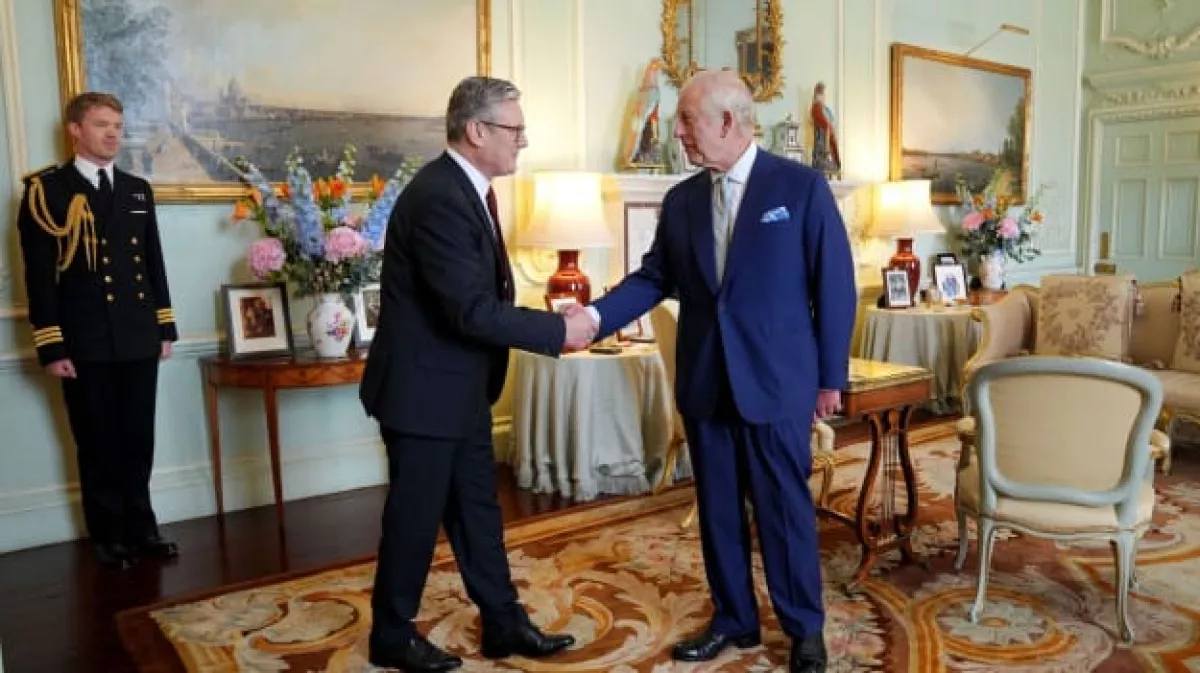
However, after being elected leader of the Labour Party in April 2020, Starmer completely changed his approach, stating that the party must respect the decision of the people and not block the Brexit process. Following this, he ruled out the possibility of the United Kingdom rejoining the EU, asserting that the country’s economy was already struggling before Brexit. Nevertheless, after winning the prime ministerial election in July 2024, Starmer began describing Brexit as a source of “chaos,” seeking to reset relations with Brussels.
Quick background: The referendum on the United Kingdom’s exit from the EU was held on June 23, 2016, with 51.9% of voters supporting the leave option. The withdrawal process formally began on March 29, 2017, when the country notified the EU of its intention, triggering Article 50 of the Treaty on European Union. However, the kingdom officially left the European Union at midnight on January 31, 2020.
So, let’s try to assess the likelihood of Great Britain returning to the European Union, and what the pros and cons of Brexit are for the kingdom.
Is it all about Trump?
Analysts suggest that Starmer’s shift in rhetoric is partly linked to the actions of the U.S. president, whose policies and sharp statements toward allies have prompted London to reconsider its foreign policy priorities. According to a YouGov survey commissioned by The Times, only 14% of Britons still consider relations with the United States “special,” while 57% support closer ties with the EU. In this context, experts do not rule out the possibility that London could gradually move toward deeper integration with Europe.
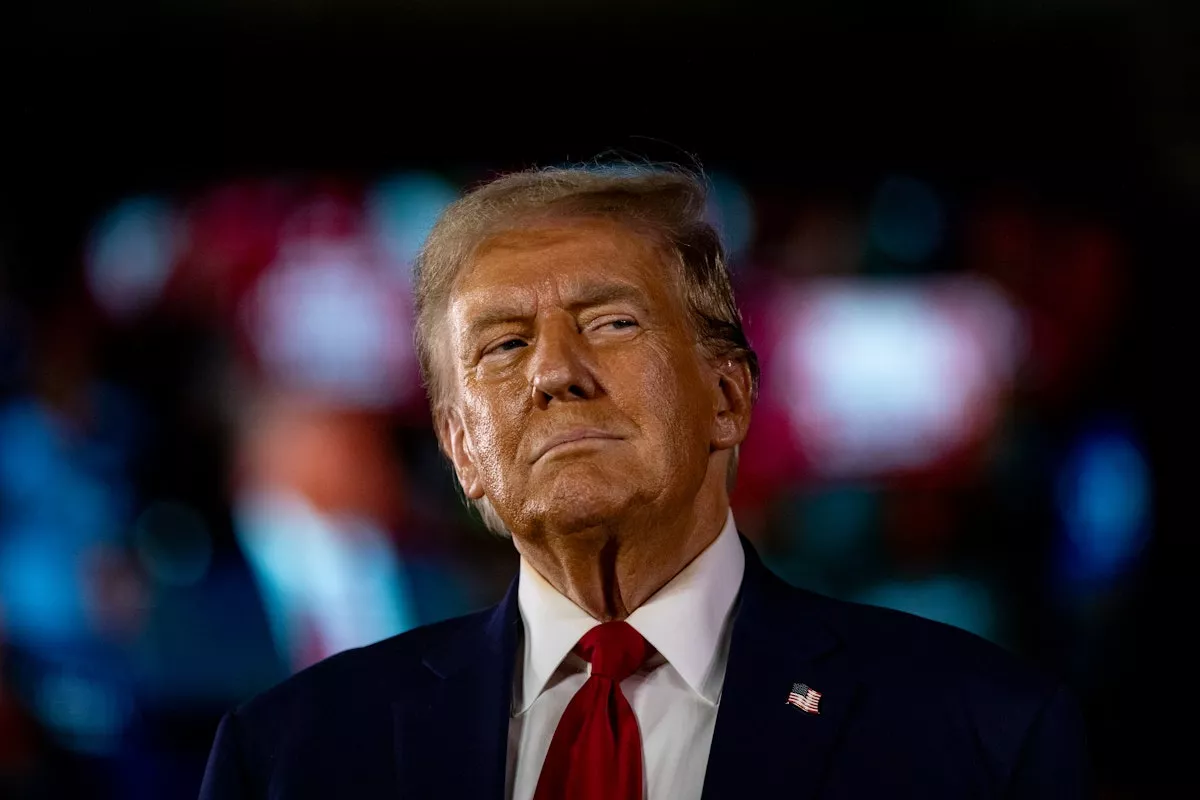
Regarding Donald Trump’s personal position, he supported Brexit, calling it a “great thing” for the British and arguing that it would make the United Kingdom more independent and facilitate a bilateral trade deal between Washington and London. Considering that the White House chief frequently criticises the European Union, including its trade policies toward the United States, his interest in seeing a major British economy return to the EU orbit seems unlikely.
Pros and cons outside the bloc
Leaving the EU has proven, as they say, a double-edged sword for the United Kingdom. On one hand, it restored legislative sovereignty, control over migration, and the ability to strike independent trade deals. On the other hand, it came at a high cost: businesses suffered losses, investment declined, and supply chains became more complicated.
In particular, after Britain left the jurisdiction of the European Court of Justice and ceased to be bound by EU legislation, it no longer has obligations to follow all bloc rules. However, in gaining political autonomy, it also lost influence over EU decisions and, as a result, forfeited its position as a key player in Europe.
The country also began implementing an independent migration policy: free movement of EU citizens was ended, and a points-based immigration system was introduced, which reduced the inflow of labour, particularly in the service sector. At the same time, economists estimate that slower economic growth, rising prices due to trade barriers, and complications in logistics with the EU as the main trading partner have led to economic losses, even despite the UK signing a number of independent trade agreements.
Thus, Brexit has politically granted greater sovereignty but has economically weakened the kingdom.
Can the process be reversed?
Sociological surveys in the UK over the past year confirm persistent public dissatisfaction with the results of leaving the European Union: more than 60% of Britons believe it was a mistake, with many linking economic difficulties to the consequences of Brexit.
At the same time, a full return to the European structure is a complex process. Firstly, it would require a nationwide referendum, meaning political will and a certain degree of consensus. However, at this stage, the Conservatives oppose the idea of rejoining, while the Labour Party, although supporting improved relations with the EU, has not yet openly called for a return to the organisation.
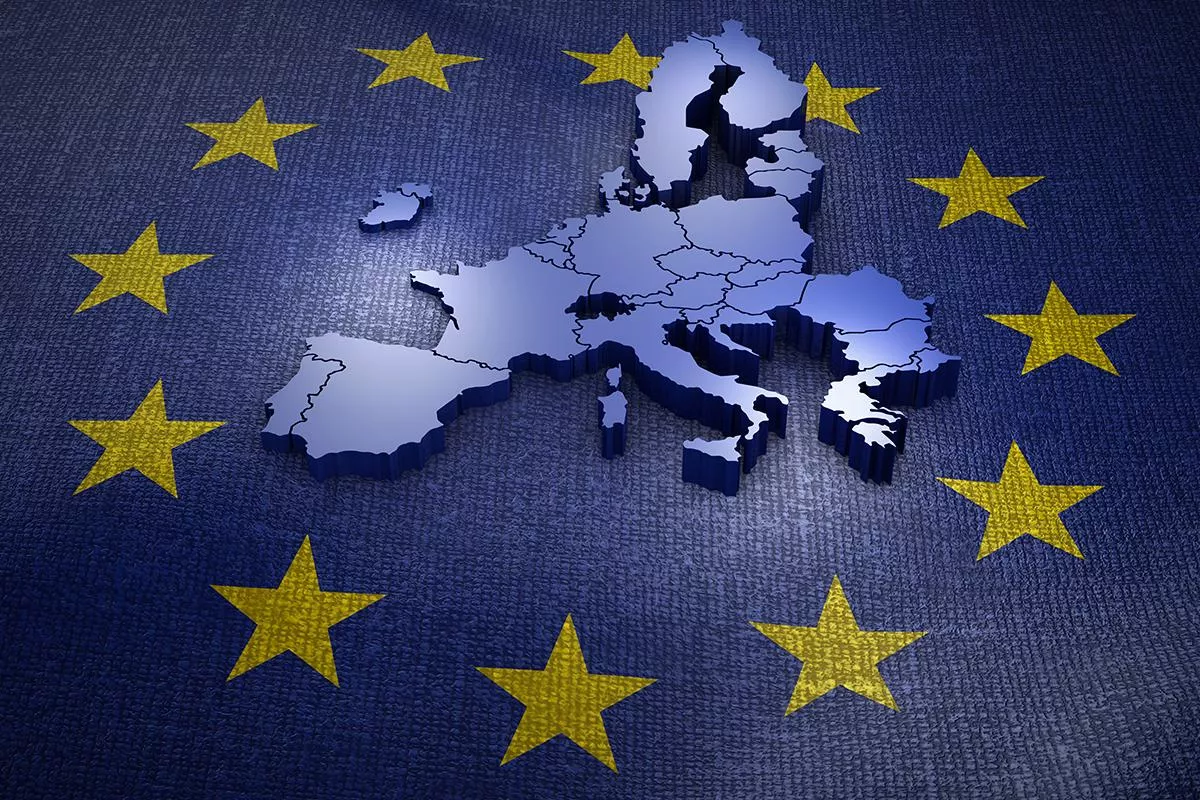
Secondly, if the United Kingdom were to rejoin the European Union, it would no longer be able to enjoy the same benefits and privileges it had before Brexit. In that case, the country would be treated as a new member state, required to accept all conditions, including entry into the Eurozone and the Schengen Area. In simple terms, Brussels would demand that London assume all obligations currently borne by other member states. This is supported by data from last year’s surveys, which show that the majority of Europeans (58–62% in the largest EU countries) believe the United Kingdom should join the European Union on equal terms, without any special privileges.
Thus, at present, political and economic factors collectively make the likelihood of the kingdom returning to the EU very low. Such a step could become possible in the future, should a government with a clearer pro-European policy come to power. However, during Starmer’s tenure, London is most likely to pursue a gradual rapprochement with EU structures, primarily through a “soft” economic policy.







 editor@caliber.az
 +994 55 444-88-98
 Азербайджан, Баку, ул. Низами, 203, Af Business House, 5-й этаж