










Transatlantic rift Iran and growing cracks in the US–EU alliance
Amid global upheaval, the European Union remains in a state of persistent turbulence, exacerbating the fractures already present within its structure. The situation is further complicated by the angry remarks of President Donald Trump, triggered by the refusal of European allies to side with Washington in its conflict with Tehran.
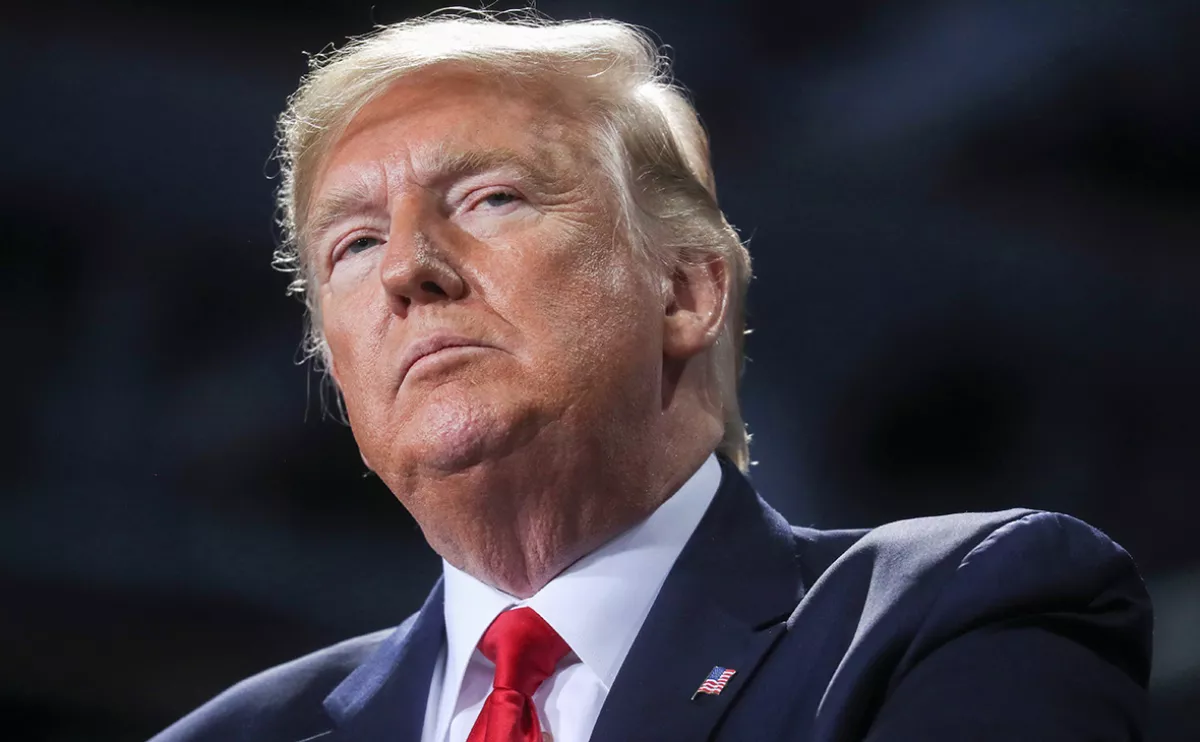
Even the fact that all 27 EU member states supported a UN Security Council resolution condemning Iran for attacks on ships and the territories of Persian Gulf countries did not affect the openly antagonistic attitude of the head of the White House toward the European Union. Washington continues to view the measures taken by Brussels as insufficiently effective.
This is further confirmed by the fact that even after meeting with the NATO Secretary General in the U.S. capital, Donald Trump once again published several harsh posts on social media targeting the bloc, accusing it of unwillingness to assist the United States. Meanwhile, the newspaper Politico notes that Mark Rutte, during his meeting at the White House, failed to soften the American president’s stance toward the European members of the Alliance.

In response to Washington’s intense pressure, senior EU officials have issued statements that could well provoke a diplomatic scandal. Among them are the recent remarks by the EU’s top diplomat, Kaja Kallas, made in an interview with CNN. In particular, she described the criticism directed at Europe by the Trump administration and several Persian Gulf countries over its insufficient support in the war with Iran as unfair, noting that Europe did not create this situation but is “doing a lot for the region. If you think about, like I mentioned, the naval operation we have in the region to keep the Red Sea open. If you think about the support for Lebanese armed forces to fight…”
At the same time, the European diplomat also reproached the Persian Gulf states for offering little real support to Europe in 2022, when the Russia–Ukraine war began: “We haven’t seen, you know, really the Gulf countries helping us there. Whereas, you know, it can’t be only one way.”
In addition to the EU’s top diplomat, European Commission President Ursula von der Leyen has repeatedly voiced “measured” criticism of the United States, promoting—amid uncertainty in relations between Brussels and Washington—the idea of greater “European strategic autonomy.”
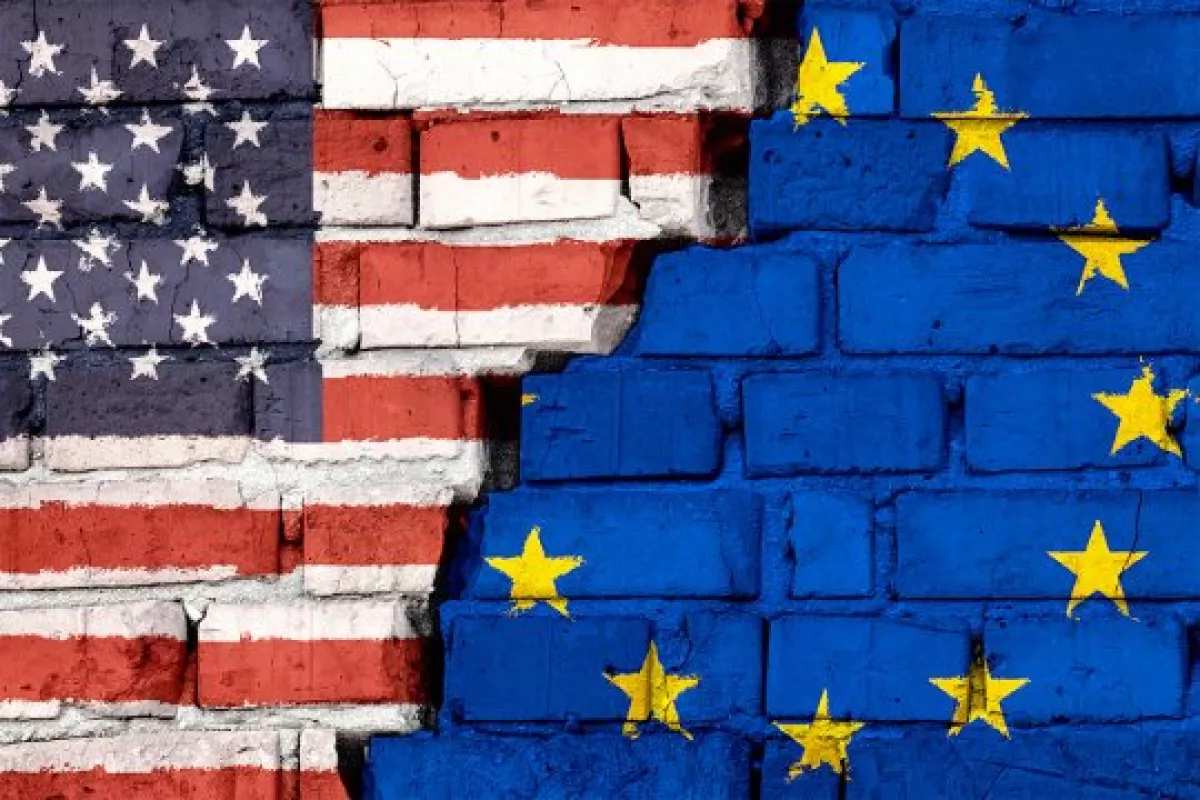
Thus, if one asks the question, “How justified are U.S. criticisms of its European allies in the context of the U.S.–Israel confrontation with Iran?”—the answer is far from straightforward.
First and foremost, the European Union’s lack of active involvement in the Middle Eastern confrontation is primarily due to differing threat perceptions: for the United States, Iran represents a global existential threat, whereas for Europe, military intervention in this conflict carries serious risks, including the potential for a humanitarian catastrophe and a full-scale energy crisis.
Accordingly, the EU prefers diplomatic methods of pressure, such as sanctions and the adoption of resolutions against Tehran. The American side, however, interprets such “restraint” on the part of Brussels as “insufficient support.”
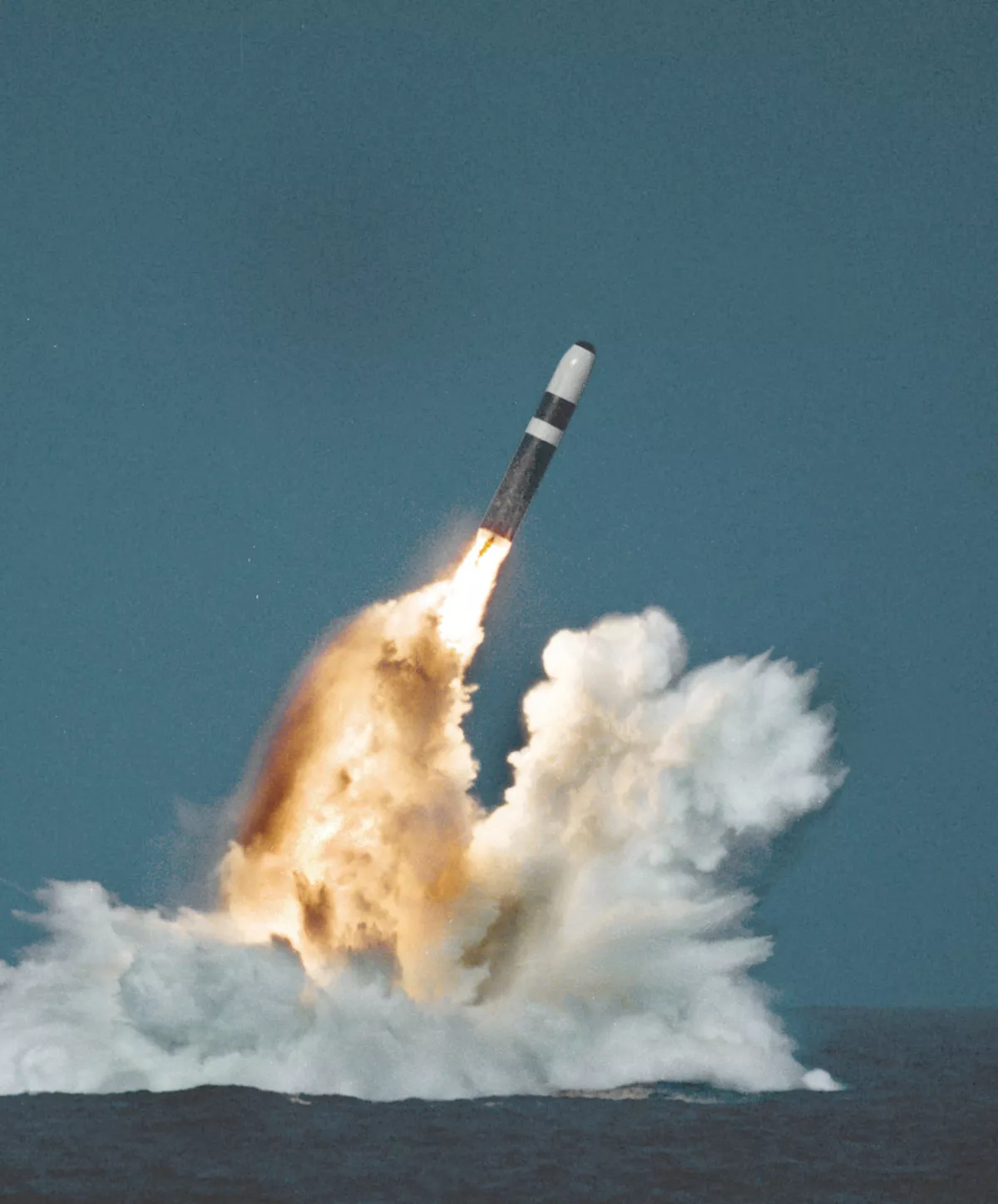
In fairness, it must be acknowledged that Washington’s complaints do contain a rational element, especially given that the Old Continent has for decades been protected under the U.S. military umbrella. Within the framework of joint NATO missions, American nuclear weapons are stationed in EU countries, more than 80,000 U.S. troops are deployed, and over 40 military bases are maintained— the largest of which are located in Germany, Italy, and Poland. According to military analysts, around 48 per cent of Europe’s weapons are purchased from the United States.
Thus, the United States effectively acts as the guarantor of security for the entire European continent. It is no coincidence that at the beginning of 2026, the NATO Secretary General specifically emphasized that Europe would not be able to defend itself without the American nuclear umbrella.
From Trump’s perspective, therefore, the refusal of European states to take direct part in the Middle Eastern conflict appears as an evasion of responsibility. In short, the White House’s claims toward the EU are based on the view that, while actively relying on American capabilities to ensure its own security, the European Union is unwilling to expose itself to comparable risks.
However, there is also another side to this issue that Washington should not ignore. In calling on its European allies to join the war in the Middle East, the United States cannot legitimately invoke Article 5 of NATO, as it applies only in the event of an attack on a member state—not in the case of offensive operations. A clear example is the aftermath of the September 11, 2001 terrorist attacks, when the Alliance recognized the incident as an attack on the United States and provided support by granting access to airspace and ports for the U.S.-led counterterrorism operation.
Thus, today the United States can only argue that European countries refusing to take direct part in the Middle Eastern conflict have failed to meet Washington’s expectations—nothing more.
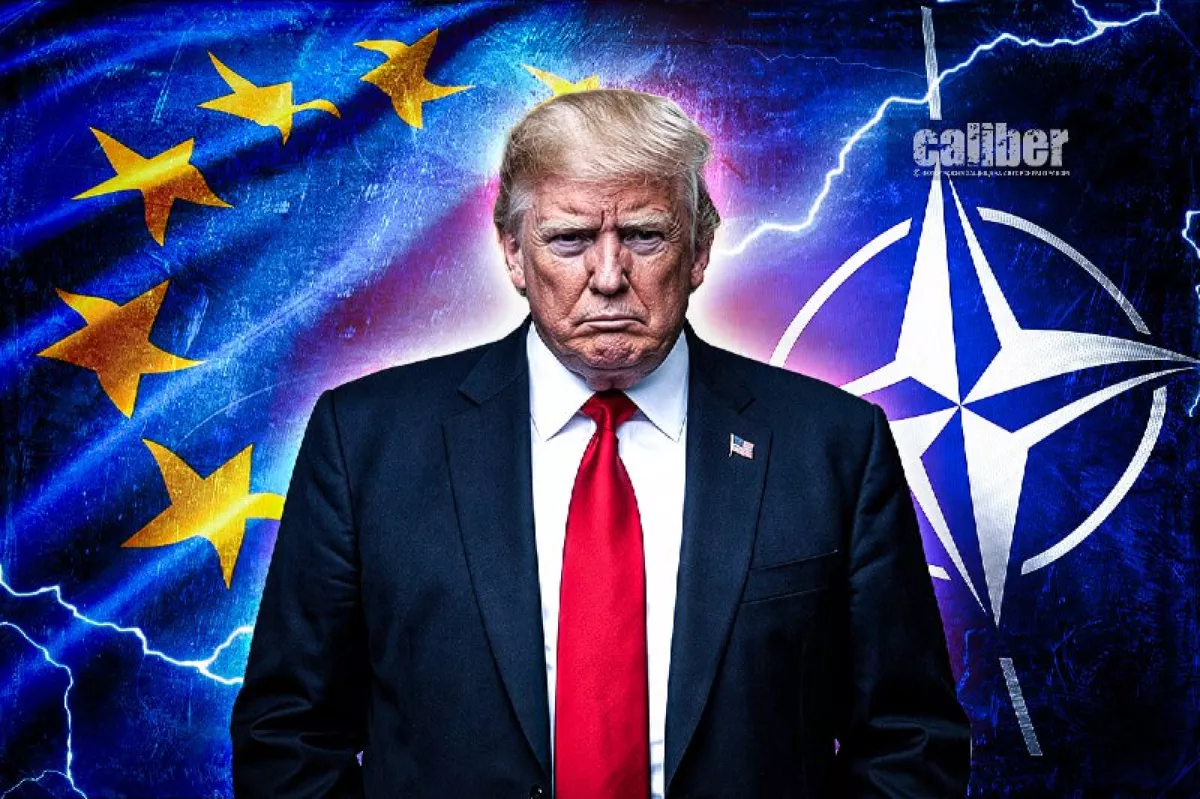
Thirdly, as is well known, when articulating its demands to the EU, the United States has also advanced a narrative about potentially withdrawing from NATO, further complicating the already tangled web of contradictions between Brussels and Washington. Moreover, the U.S. fails to take into account the fact that the EU does not have a unified army, and not all member states possess strong military capabilities, which limits their ability to rapidly deploy forces to the Middle East.
In summary, the disagreements between the United States and the European Union stem from fundamentally different perspectives: the White House views the issue through the lens of power and financial costs, while the EU approaches it in terms of risks and consequences for its own security. The current trajectory of developments in the Middle East suggests that these two vectors are unlikely to converge into a single point of consensus anytime soon.
Apparently, it is precisely this rather bleak outlook that is pushing the EU to seek mechanisms to safeguard its security in case Washington decisively abandons its allied commitments, and prompting high-ranking European officials to make statements whose tone often departs from traditional diplomatic restraint.







 editor@caliber.az
 +994 55 444-88-98
 Азербайджан, Баку, ул. Низами, 203, Af Business House, 5-й этаж