










Baku and Belgrade align strategies on energy and connectivity A strategic partnership in motion
Today, many European countries are facing energy shortages and sharp price increases due to the ongoing fifth year of the Russian-Ukrainian conflict, as well as the recent escalation in the Persian Gulf. Against this backdrop, the uninterrupted export of Azerbaijani gas via the Southern Gas Corridor (SGC) is helping several countries in Southern and Eastern Europe navigate this crisis period.
In particular, the business ties between Azerbaijan and Serbia are proving highly promising: alongside the energy sector, the countries are expanding cooperation in non-oil sectors and investment projects. These areas were discussed yesterday in Baku during the visit of a Serbian delegation led by the Minister of Mining and Energy, Dubravka Đedović.
For over a decade, Serbia has been one of Azerbaijan’s important political and economic partners in the Southern European region. Strong political will and the personal friendship between Presidents Ilham Aliyev and Aleksandar Vučić provide a solid foundation for Azerbaijani-Serbian relations.
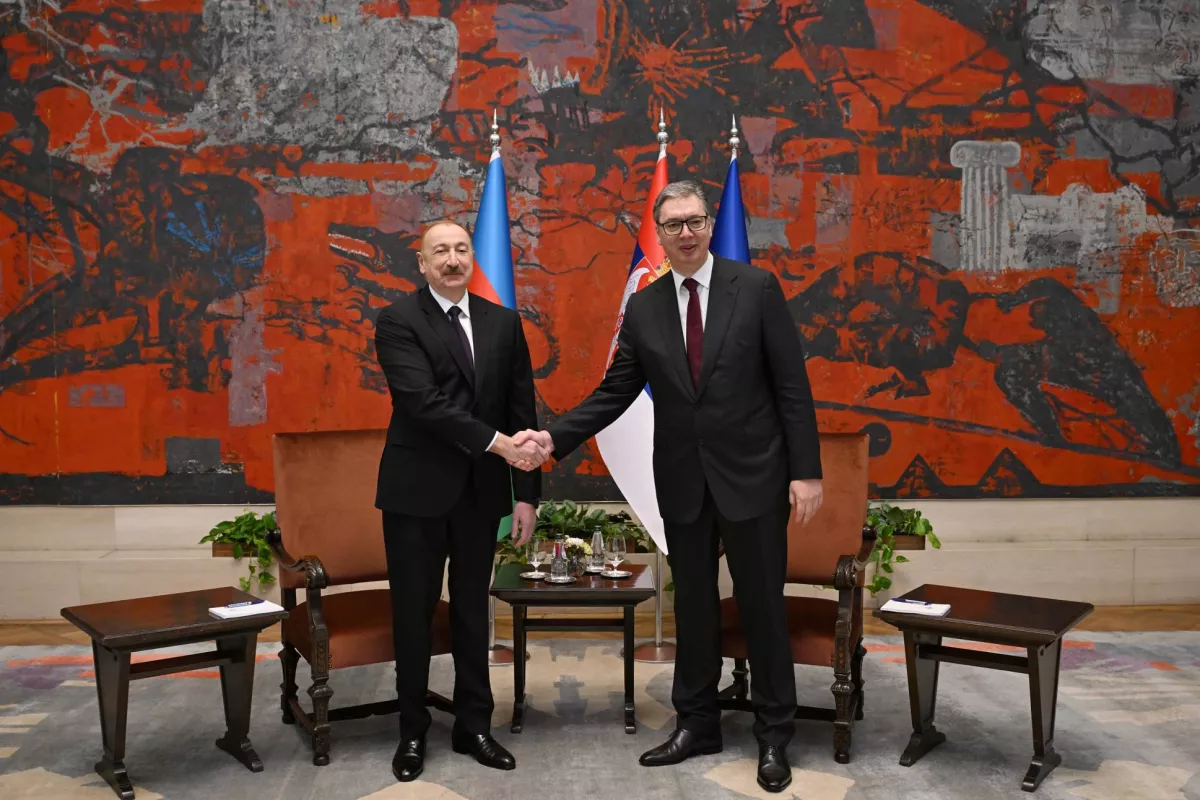
The close nature of bilateral relations is formally enshrined in the 2013 Declaration on Strategic Partnership, the 2018 Joint Action Plan, and the 2022 Memorandum on the Establishment of the Strategic Partnership Council. Currently, 57 intergovernmental and interstate agreements have been signed between the two countries, with another 13 under consideration and expected to be concluded soon.
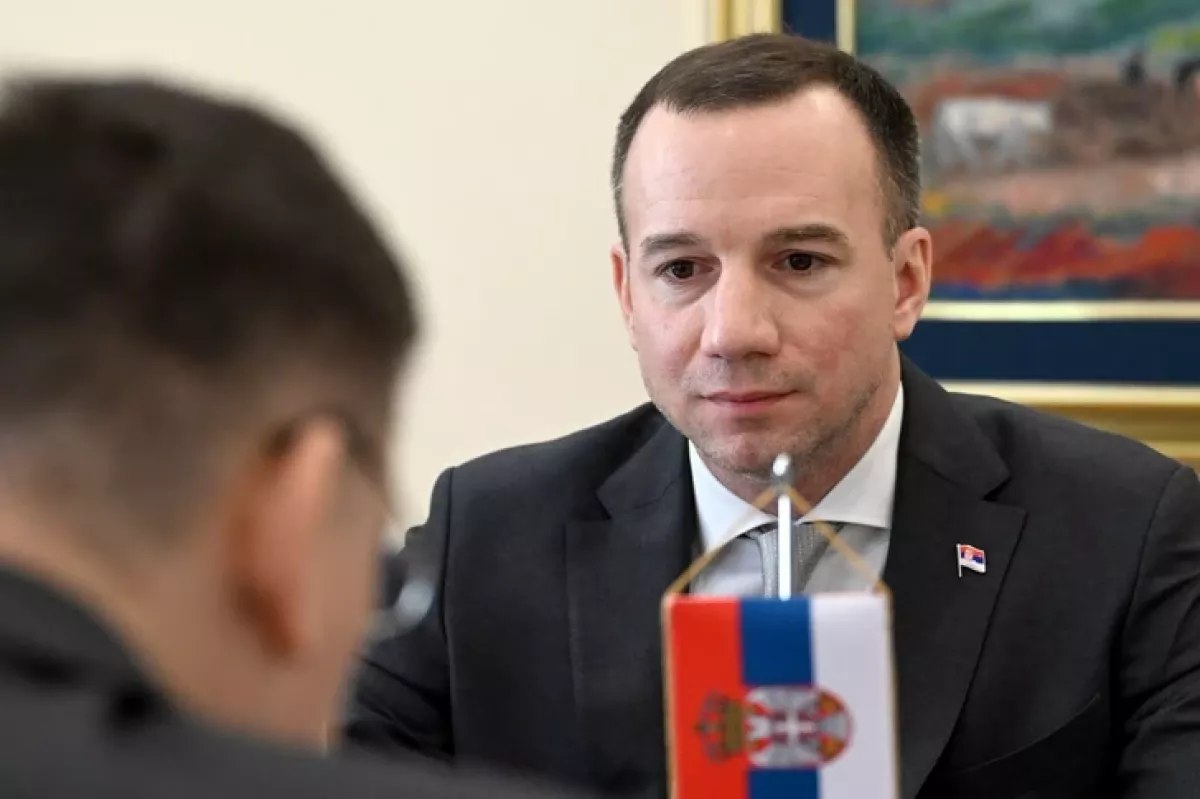
“In the context of energy supply disruptions in European countries amid the war in Ukraine, Serbia has placed its trust in Azerbaijan as a reliable partner to meet its energy needs,” recently stated Damjan Jović, State Secretary of the Serbian Ministry of Foreign Affairs. “Cooperation with Azerbaijan, particularly in the energy sector, undoubtedly holds significant strategic importance for Serbia, and these ties are currently developing successfully.”
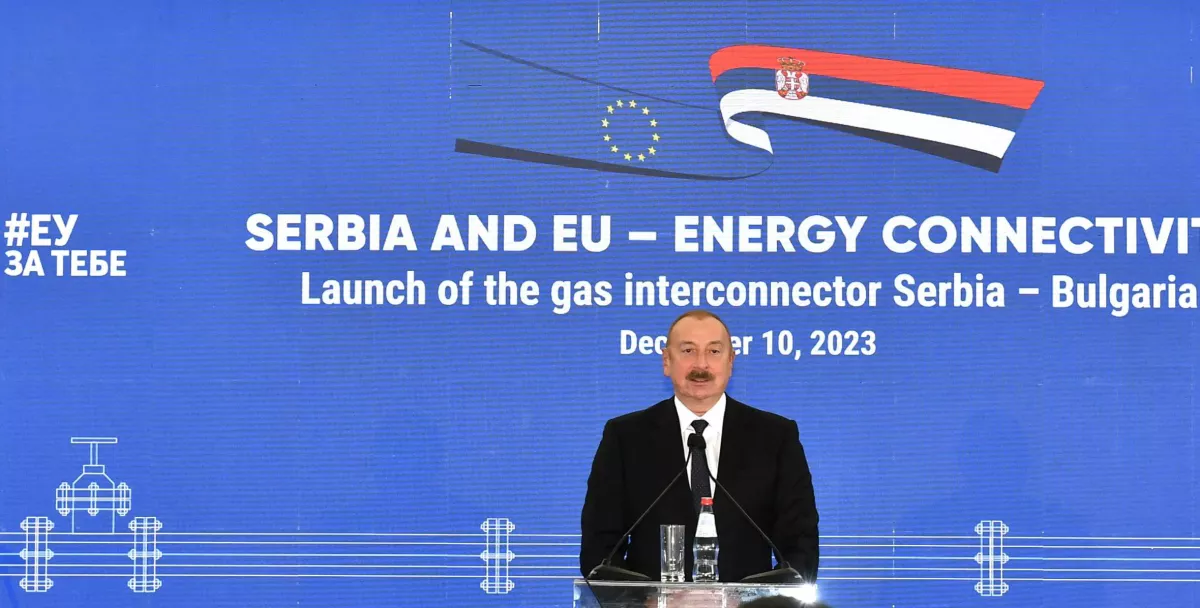
Indeed, today the foundation of bilateral trade is Azerbaijani exports, primarily consisting of hydrocarbon resources. This trend gained momentum following the commissioning in December 2023 of the 170-kilometre Niš–Dimitrovgrad Interconnector (Bulgaria–Serbia Gas Interconnector, IBS), which linked the gas transportation systems of Bulgaria and Serbia. Since January 2024, Azerbaijani gas has been supplied through the SGC system via the IBS.
Under the agreements, annual deliveries of up to 400 million cubic metres are to be ensured in 2024–2026. Additionally, SOCAR and its Serbian partner, gas operator Srbijagas, plan to gradually increase Azerbaijani gas supplies to Serbia to 1 billion cubic metres per year. Intensive negotiations are ongoing, and the agreement for the specific project is largely ready for signing.
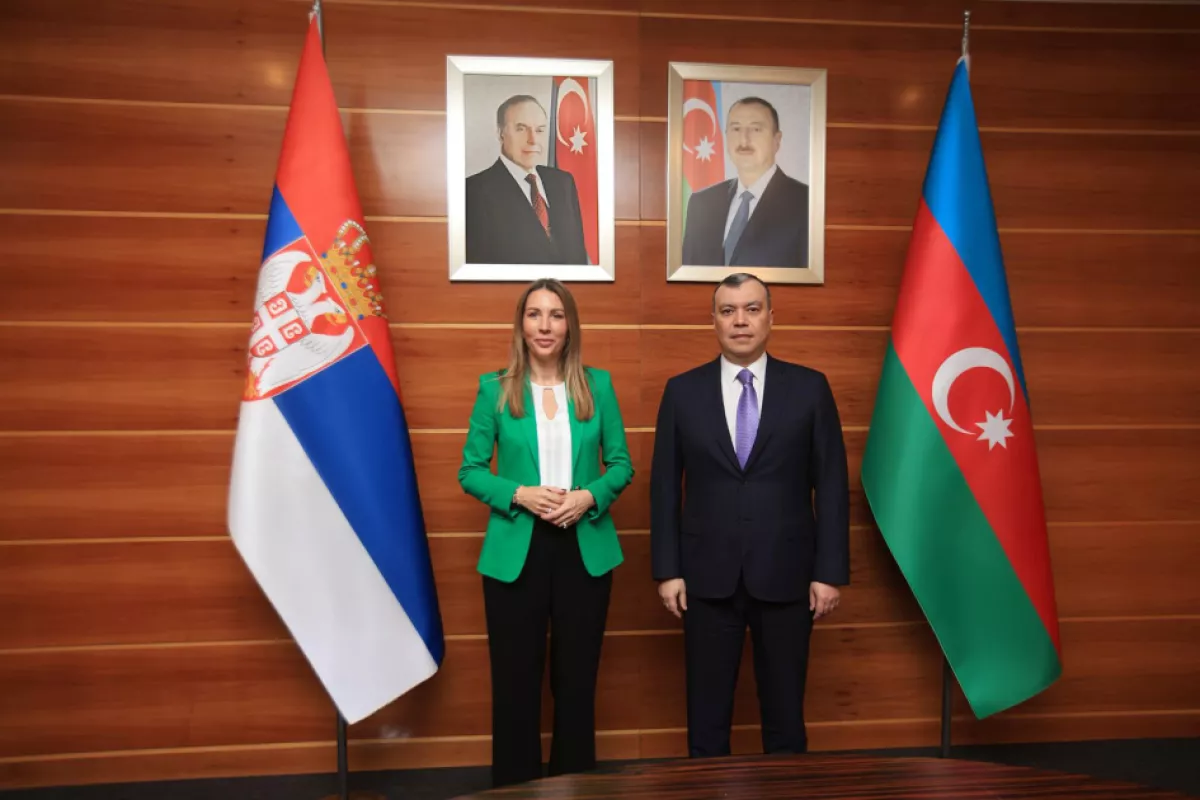
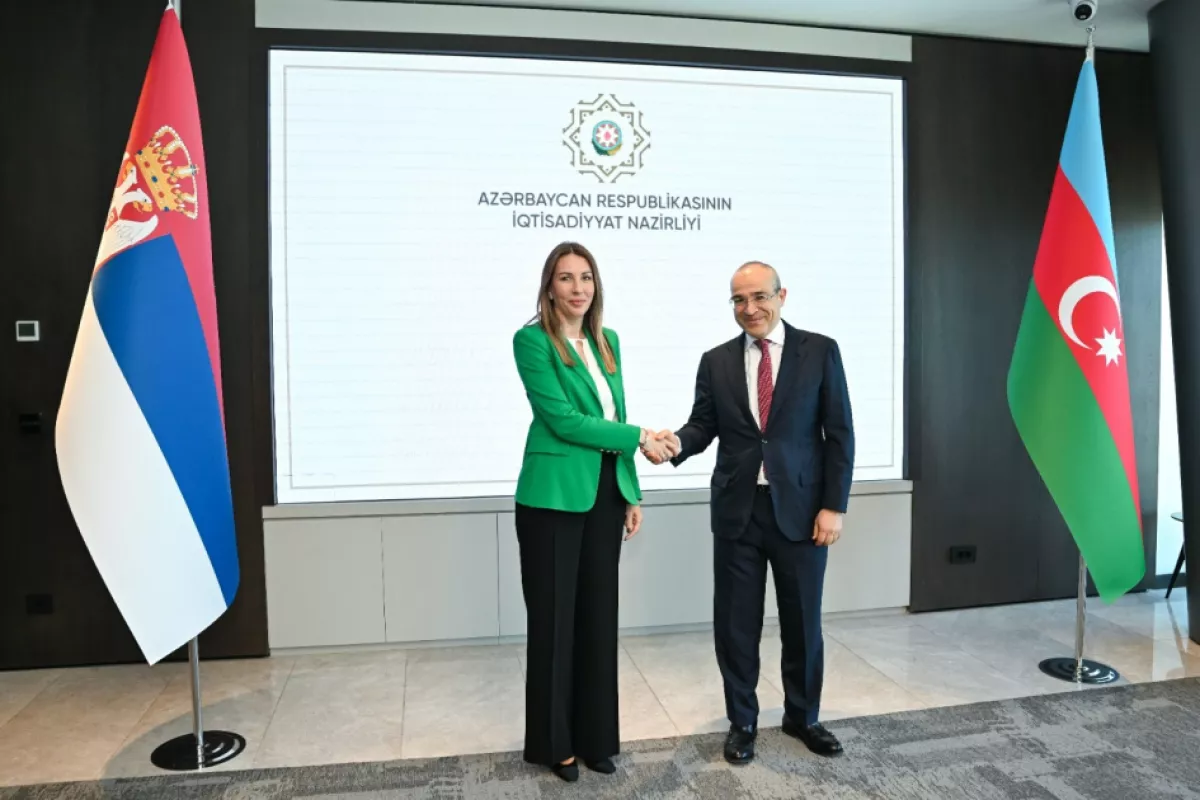
This work is progressing successfully. According to information from the Azerbaijani Ministry of Finance, the contract for Azerbaijani gas supplies to Serbia via the IBS interconnector was recently extended in Baku until the end of 2026. The prospects for cooperation in the gas sector were discussed during a meeting between Sahil Babayev, Minister of Finance and co-chair of the Azerbaijani-Serbian Intergovernmental Commission on Trade and Economic Cooperation, and Dubravka Đedović, Minister of Mining and Energy of Serbia.
“The meeting addressed bilateral cooperation between Azerbaijan and Serbia, including the current state and future development of energy sector ties. Minister Babayev also emphasised that the relationship between the two countries represents a strategic partnership and noted that cooperation is successfully developing on the basis of a solid legal framework and high-level political dialogue. Numerous signed agreements, the activities of the Intergovernmental Commission, and the Strategic Partnership Council create a favourable foundation for further strengthening ties,” the Ministry of Finance stated.
Notably, today Azerbaijan–Serbia cooperation in the energy sector goes beyond conventional energy trade towards joint investment initiatives. A particularly promising project is the collaboration between SOCAR, the Serbian energy operator EPS, and Srbijagas on the construction of a 500 MW combined-cycle gas power plant near the Serbian city of Niš (350 MW electric, 150 MW thermal). The project is expected to be completed around 2029, financed on a parity basis, with Azerbaijan supplying the natural gas for the plant.
“The agreement signed in February 2026, providing for the construction of the gas-turbine power plant in Serbia, will make a significant contribution to strengthening the region’s energy security,” said Minister Dubravka Đedović.
In the medium term, Baku and Belgrade also plan to cooperate on new energy initiatives, such as the Black Sea Energy project, which envisions the supply of green energy from Azerbaijan via an undersea power cable across the Black Sea.
Energy is far from the only area in which Baku and Belgrade plan to actively cooperate in the future. To diversify economic cooperation, priority sectors have been identified, including transportation, agriculture, industry, construction, tourism, and more. New business directions in Azerbaijani–Serbian partnership, including in non-oil sectors, were recently discussed during a meeting between Mikayil Jabbarov, Minister of Economy of Azerbaijan, and Rovshan Najaf, President of SOCAR, with the Serbian minister.
“During the meeting, we highlighted the strategic partnership between our countries and the positive dynamics in the development of economic relations. We also discussed the current state and future prospects of cooperation in the fields of energy, green technologies, infrastructure, industry and investment, including work carried out within the framework of cooperation with SOCAR and potential joint projects,” wrote Jabbarov on his social media account X.
Currently, nine Serbian companies operate in Azerbaijan in the trade and services, agriculture, and infrastructure sectors, while leading Azerbaijani construction firms, such as AzVirt, are successfully implementing major highway projects in Serbia. This cooperation is expanding: in March of this year, AzVirt signed a new commercial contract for the design and construction of a high-speed highway along the section connecting the Bački Breg – Sombor – Kula – Vrbas – Srbobran border crossing.
“Today’s contract with Azvirt represents one of the key elements of our ‘Serbia 2030-2035’ plan. The Republic of Serbia will provide financing, and we have agreed to complete the first section within two years,” wrote President Aleksandar Vučić on social media after participating in the signing ceremony. Serbian companies are also ready to engage in freight transportation and investment in new transport and logistics infrastructure along the Middle Corridor, linking Asia and Europe.
The two friendly countries also plan to expand cooperation in the tourism sector, supported by the planned launch of a direct flight between Belgrade and Baku in May this year. Recently, AZAL (Azerbaijan Airlines JSC) signed a codeshare agreement with Serbia’s national carrier, Air Serbia. Flights between the capitals of the two countries will operate twice a week, and the codeshare partnership will provide passengers with a wider range of travel options and convenient connections.







 editor@caliber.az
 +994 55 444-88-98
 Азербайджан, Баку, ул. Низами, 203, Af Business House, 5-й этаж