










Trump’s Strait of Hormuz gambit From ultimatum to compromise
On April 7, 2026, on the eve of the deadline set by Donald Trump for Iran, he wrote on his Truth Social page: “A whole civilization will die tonight, never to be brought back again. I don’t want that to happen, but it probably will.”
There was nothing fundamentally new in this: shortly before that, Donald Trump had already spoken about plans to “bring them back to the Stone Ages, where they belong” and even into hell, declaring the final closure of Iranian civilization.
What is different, however, is that the wider public paid almost no attention to another idea from his April 7 post — namely, that amid what he described as a “complete and total regime change” in Iran, in which “less radicalized minds prevail,” something “revolutionarily wonderful” might occur.
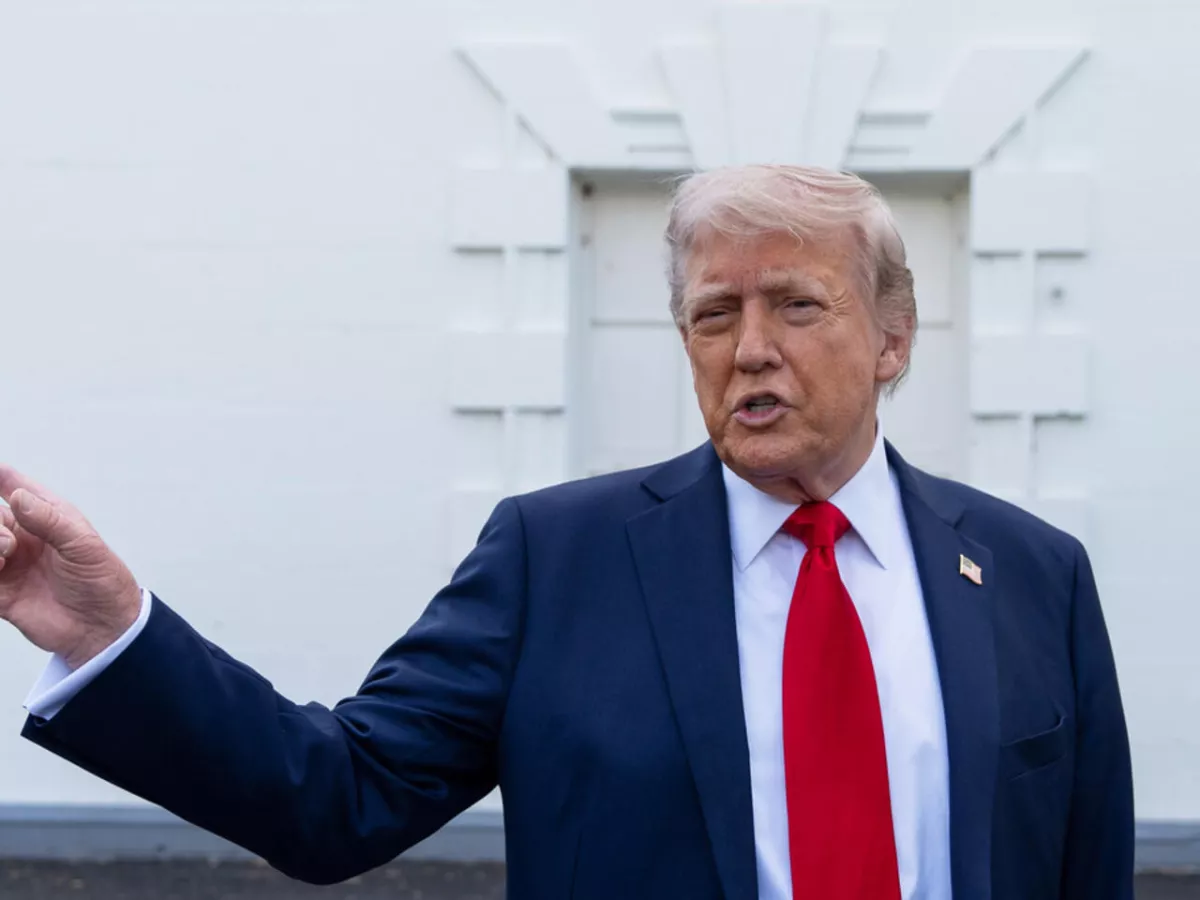
“WHO KNOWS?” Donald Trump wrote in capital letters. “We will find out tonight, one of the most important moments in the long and complex history of the World.”
Some time later, Donald Trump stated that if Iran agreed to the “complete, immediate, and safe opening of the Strait of Hormuz,” he would be ready to suspend bombings and attacks on Iran for two weeks. He then announced that he had received a 10-point proposal from Tehran, which he described as a “workable basis on which to negotiate.”
According to him, “almost all of the various points of past contention” had already been agreed upon, and the 14-day period would allow the agreement to be finalised.
The situation seemed to have been contained. However, most observers assumed that Donald Trump would not be able to stop and would carry out the ultimatum. But did he really want that? Or was it a more complex strategy?
In his book The Art of the Deal, published in 1987, Donald Trump outlines his own negotiation style: he aims “very high” from the outset and then keeps “pushing and pushing and pushing,” seeking to achieve the desired outcome.
He has repeatedly applied this approach in politics as well. Among the recent examples is his demand that NATO allies increase defence spending to 5 per cent of GDP, which was later softened to 2.5–3 per cent.
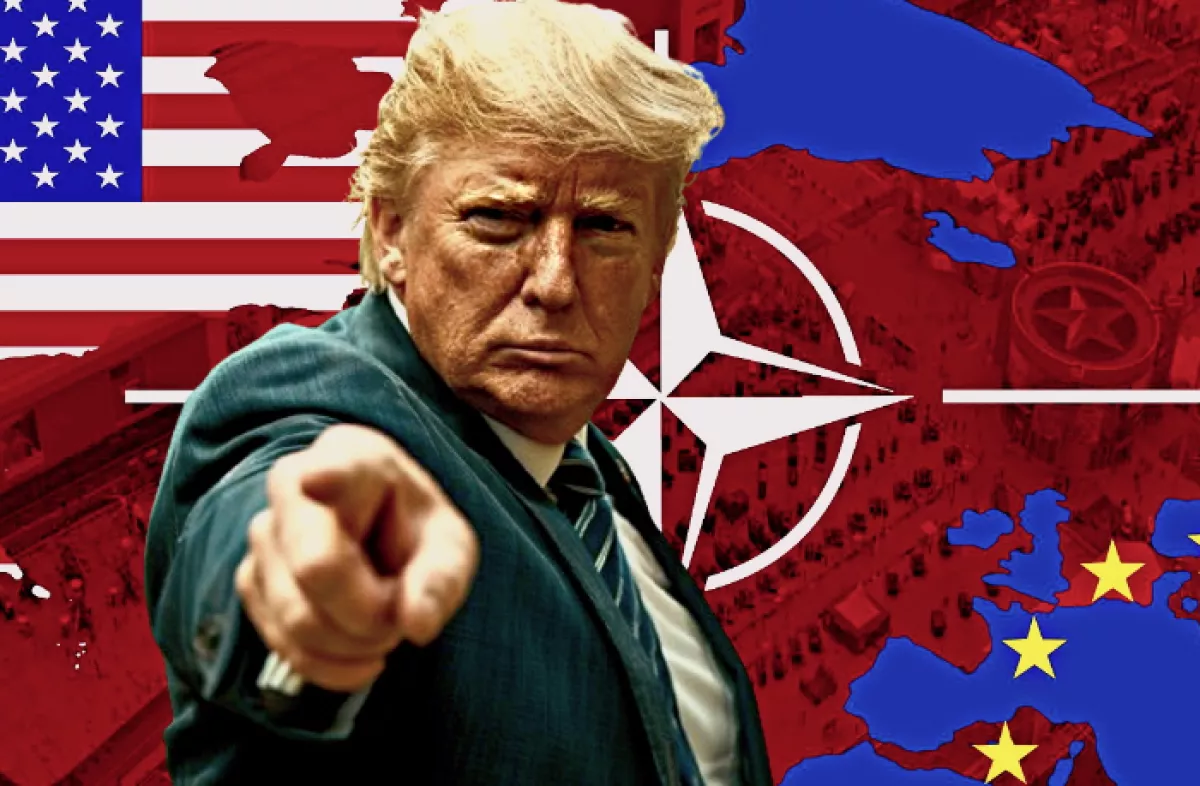
A similar pattern was observed in the issue of tariffs: after initially announcing tough measures, Donald Trump later softened them.
In this context, the position of a number of analysts (albeit a small group) becomes clearer: from the very beginning, Donald Trump was primarily interested in establishing control over the Strait of Hormuz — possibly even in a format of joint management with Tehran.
Apparently not receiving the desired response, he shifted to military pressure. Thus, on March 23, 2026, speaking to journalists, Donald Trump stated that the United States could govern Iran jointly with an unnamed Iranian leader, specifying that this could involve “joint leadership” over the Strait of Hormuz. When asked with whom exactly, he replied: “Maybe me. Me and the ayatollah, whoever the ayatollah is, whoever the next ayatollah is.” He also added that “there’s automatically a regime change,” and that the United States is “dealing with some people that I find to be very reasonable, very solid.”
On March 27, at an investment conference on Saudi Arabia in Florida, Trump went even further. Once again mentioning negotiations with Iran and the need to open the Strait of Hormuz, he jokingly referred to it as “the Strait of Trump.” Although he immediately tried to soften the remark with an ironic tone, the very fact of such a statement was quite telling.
Upon closer examination, the overall picture becomes much clearer. Especially considering that earlier, in one of our previous articles, we had already noted the postponement of Trump’s planned visit to China and suggested that he seeks to approach it with strengthened negotiating positions — as a victor in key “anti-China directions.”
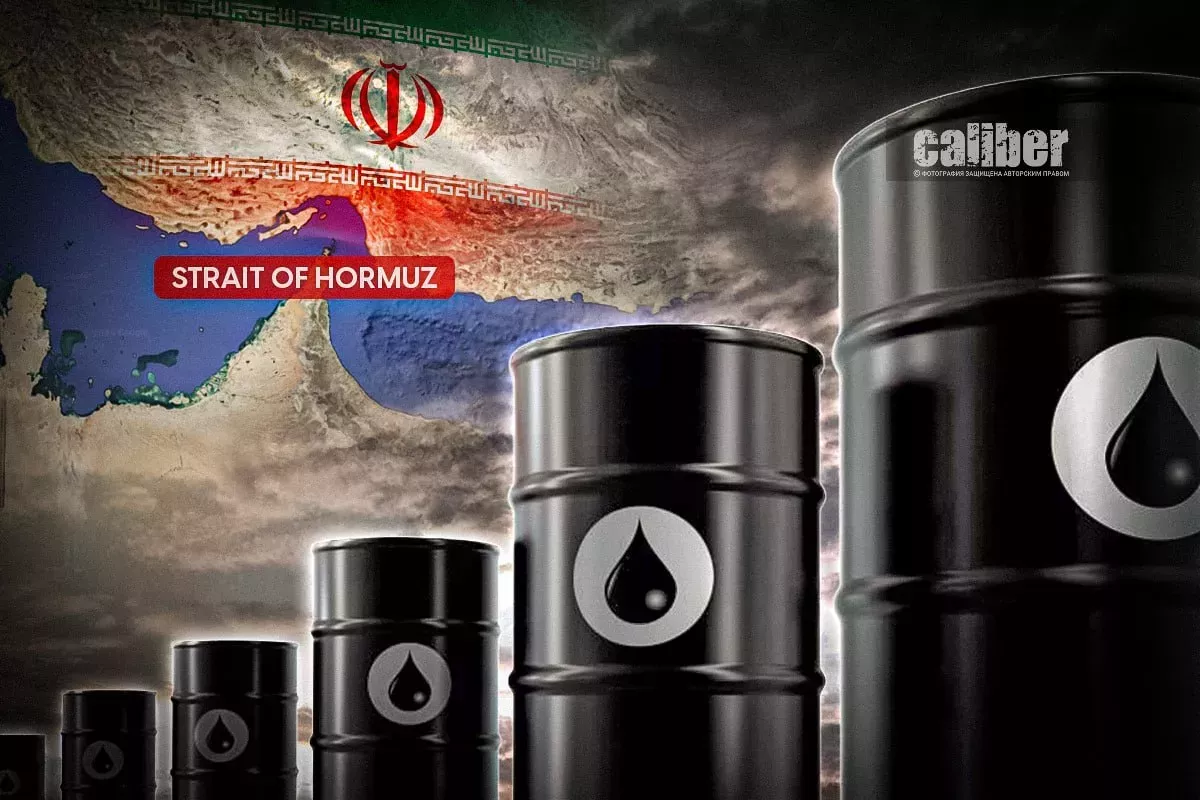
In support of this, one can point to the gradual strengthening of Washington’s control over strategically important transport and energy routes that had previously been largely within Beijing’s sphere of influence: first the Panama Canal and the Venezuelan direction, and now the Strait of Hormuz, through which a significant share of energy resources flows to China.
Of course, unresolved issues remain — including the ongoing military actions of Israel against Lebanon. However, in a broader context, it is evident that Donald Trump is building a “winning trajectory” for himself ahead of his postponed visit to the PRC, now scheduled for May.
P.S. During the preparation of this material, it became known that, when answering a question about whether he agrees with the claim that “the Iranians charge fees for ships passing through the Strait of Hormuz,” Donald Trump stated: “We’re thinking of doing it as a joint venture. It’s a way of securing it — also securing it from lots of other people. It’s a beautiful thing.”







 editor@caliber.az
 +994 55 444-88-98
 Азербайджан, Баку, ул. Низами, 203, Af Business House, 5-й этаж