










Hormuz tensions echo the Suez Crisis Is history repeating itself?
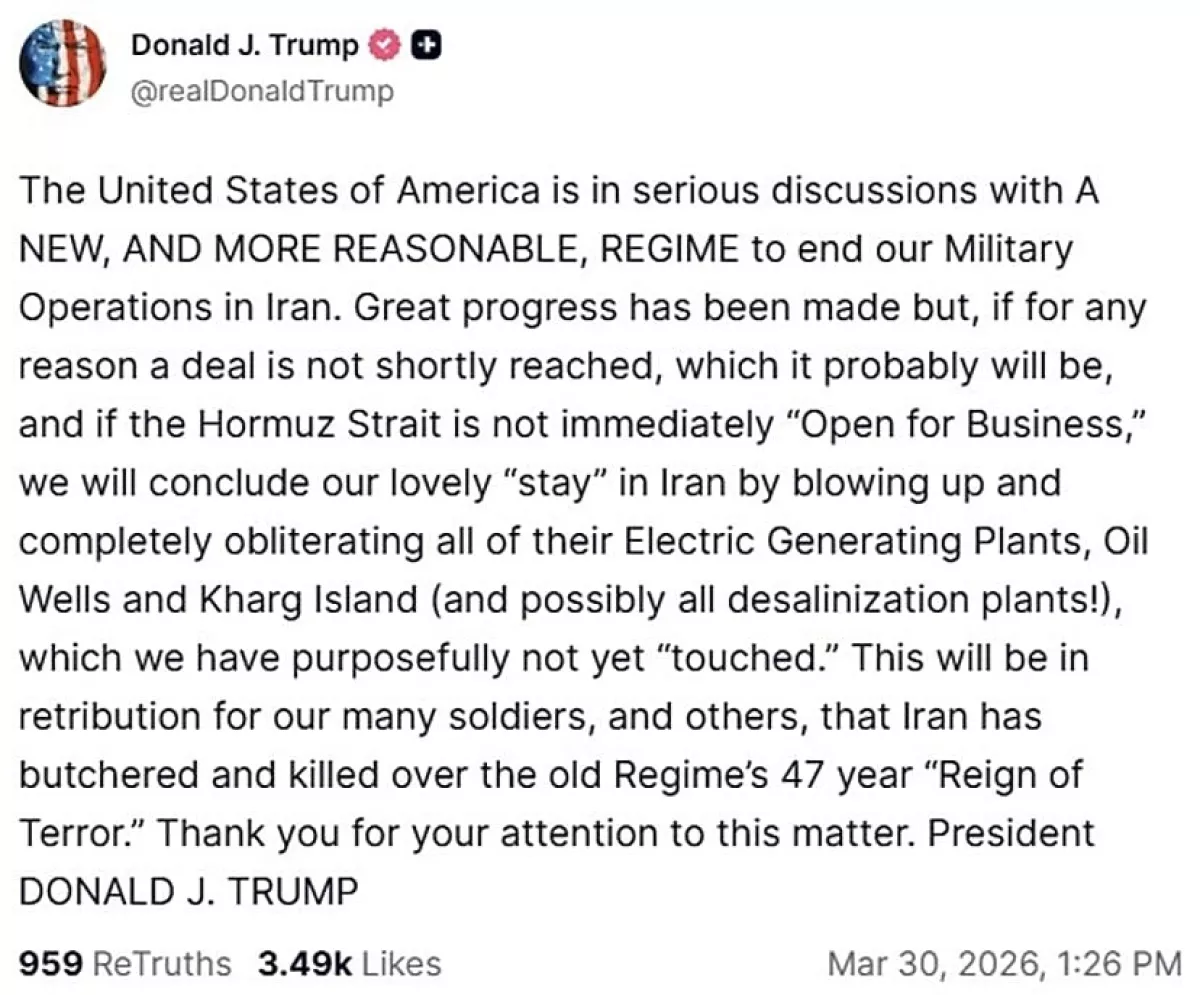
U.S. President Donald Trump, announcing on his Truth Social page that “serious discussions” between Washington and a “more reasonable regime” in Tehran had achieved “great progress,” added that if the deal collapses and there is no movement on reopening the Strait of Hormuz, “we will conclude our lovely ‘stay’ in Iran by blowing up and completely obliterating all of their Electric Generating Plants, Oil Wells and Kharg Island (and possibly all desalinization plants!), which we have purposefully not yet ‘touched.’”
A number of analysts immediately drew certain parallels with events that took place in the region 70 years ago.
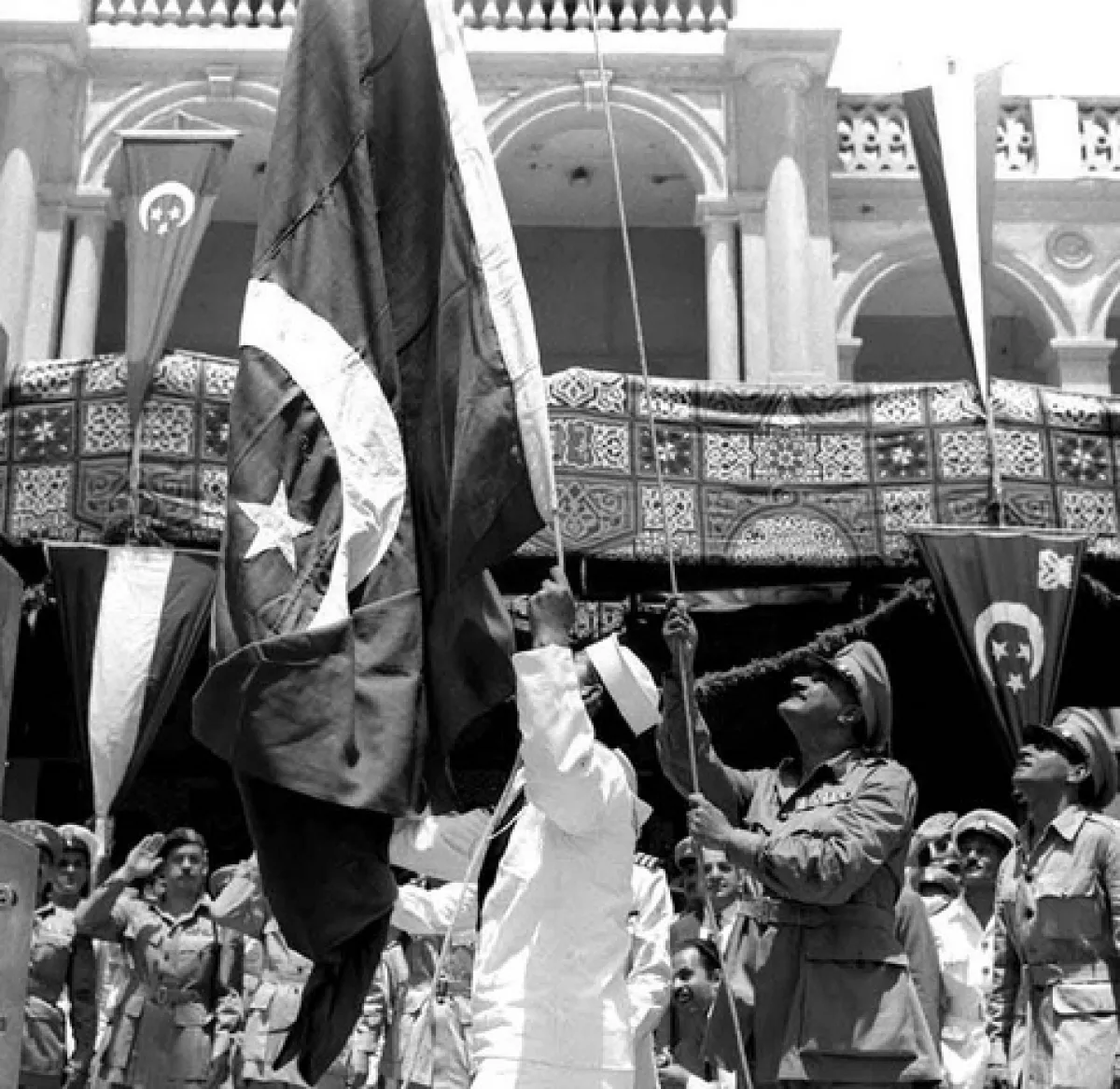
In the summer of 1956, Egyptian President Gamal Abdel Nasser announced the nationalisation of the Suez Canal. By that time, he had developed a special relationship with the Soviet Union, from which he purchased weapons, and he was also providing support to Algeria in its anti-French uprising. In addition, he was the originator of the idea of creating a pan-Arab union. All of these factors, naturally, were unacceptable to the United States, Israel, the United Kingdom, and France.
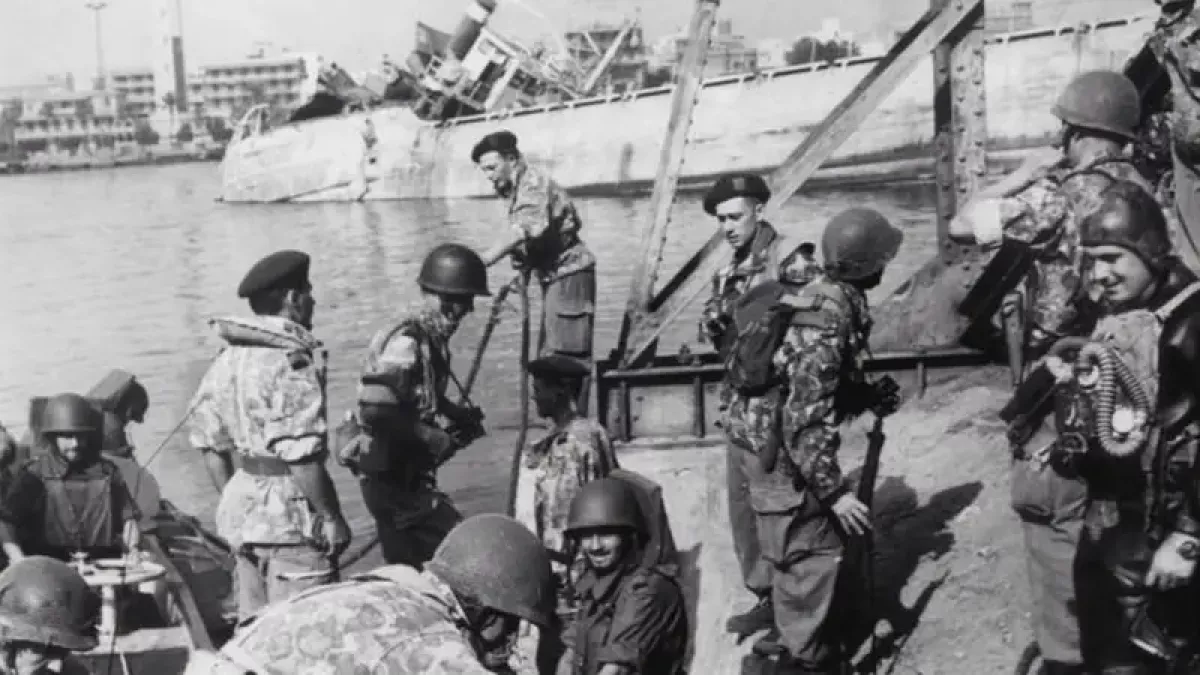
In the autumn of 1956, the “tripartite alliance” of Israel, the United Kingdom, and France launched an anti-Egyptian military campaign, which developed quite successfully. This provoked a strong reaction from the Soviet Union, which threatened to provide military support to Egypt if the troops of the three countries were not withdrawn from its territory within 12 hours (against the backdrop of Moscow’s suppression of anti-government uprisings in socialist Hungary).
The outstanding statesman and former U.S. Secretary of State Henry Kissinger referred to a message sent by the Kremlin to U.S. President Dwight Eisenhower, which explicitly stated that aggression against Egypt could lead to the escalation of the conflict into a Third World War.
At that time, Washington had serious geopolitical disagreements with the United Kingdom in the Middle East, and the U.S. president, taking advantage of the situation, exerted pressure on Israel, the United Kingdom, and France, which ultimately withdrew their troops from Egyptian territory (with the participation of the United Nations).
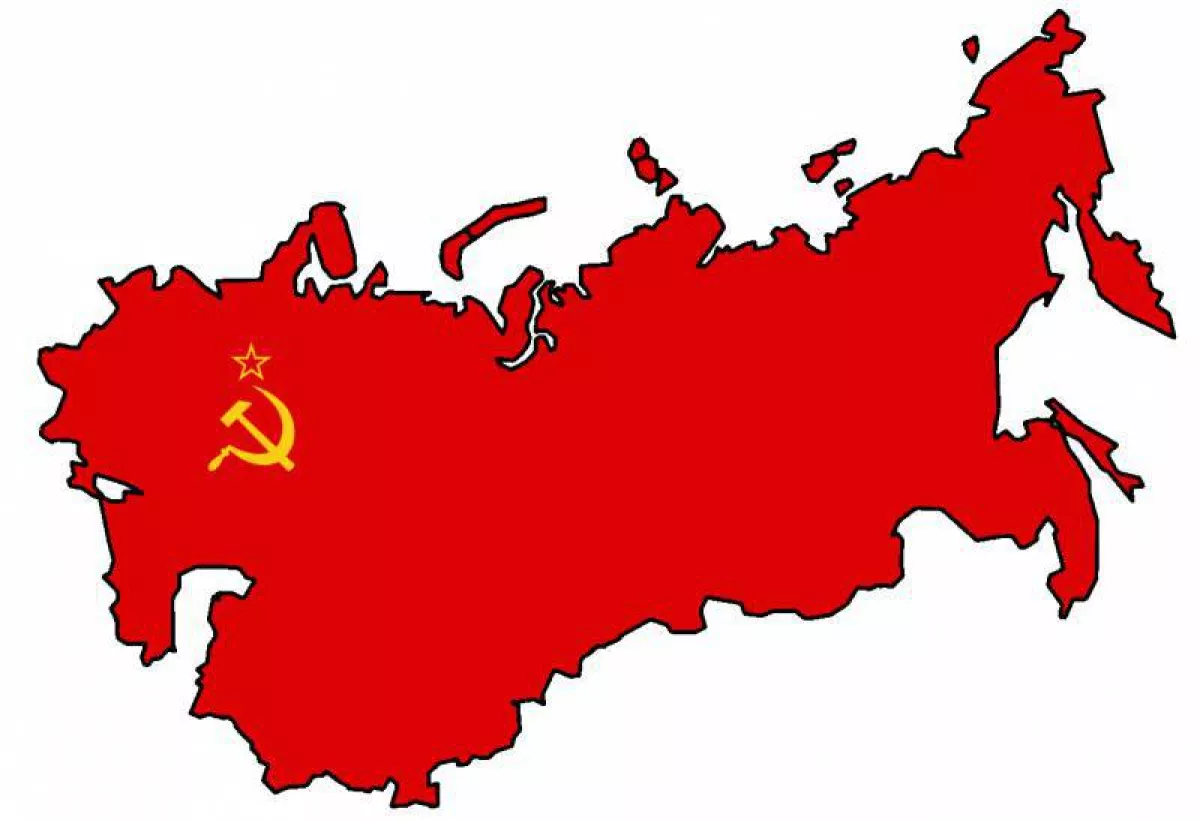
In this context, a number of experts still believe that it was the tough warning from the Soviet Union that played the key role. Other analysts are convinced that the decisive factor was the alignment of anti-London interests between Washington and Moscow.
One of the most important geopolitical outcomes of these events was the weakening of the United Kingdom’s position in the Middle East, which coincided with the formulation of the Eisenhower Doctrine in 1957, strengthening the influence of the United States in the region. Under this doctrine, the U.S. president was granted the authority to provide military and economic assistance to countries in the Middle East and, if necessary, to use armed forces.
Drawing parallels between the events of 70 years ago and the current situation in the region, the key question is how actively China will respond to ongoing developments—effectively the only power capable, to some extent, of counterbalancing the United States at the global level. This perspective has gained particular relevance in light of the statements made by Trump at the beginning of the article, and its emergence is far from accidental.
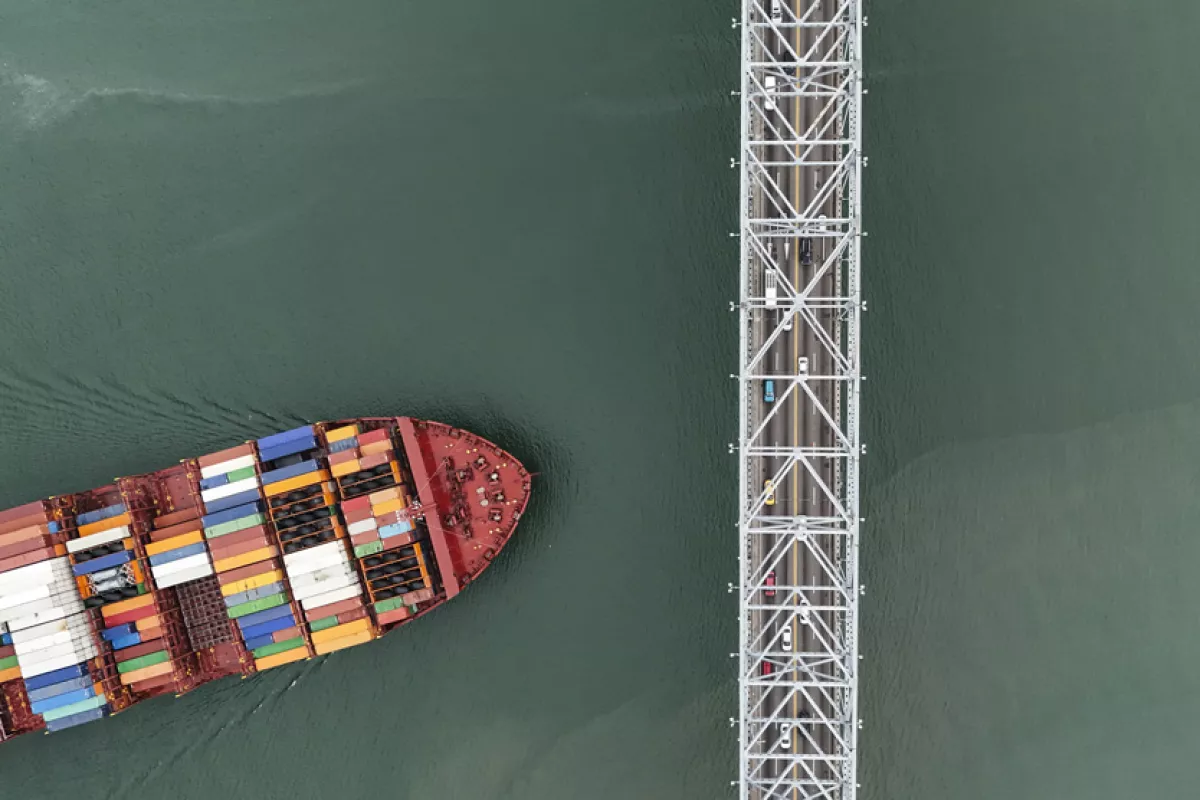
Thus, on March 26, the Federal Maritime Commission (FMC) reported that it was closely monitoring China’s actions regarding Panama that are “affecting global shipping conditions.” As emphasised in the statement, Beijing has “imposed a surge in detentions of Panama‑flagged vessels in Chinese ports under the guise of port state control.” Given that a significant share of container shipping to the United States is carried out under the Panamanian flag, such actions by China “could result in significant commercial and strategic consequences to U.S. shipping.” The logic of what is happening is, in general, quite clear.
Just over a year ago, José Raúl Mulino, the president of Panama, following talks with U.S. Secretary of State Marco Rubio, announced the government’s decision not to extend the memorandum of understanding with China under the Belt and Road Initiative. As he noted, “we'll study the possibility of terminating it early.” Shortly thereafter, following a ruling by the country’s Supreme Court, Panamanian authorities took control by force of two ports at the entrances to the Panama Canal, which had previously belonged to the Chinese (Hong Kong-based) conglomerate CK Hutchison Holdings.
The situation in and around Venezuela also fits into the same anti-Chinese context, where, following well-known events, Beijing’s positions have likewise weakened. Nearby is the chronically unstable situation in Pakistan, where China continues to maintain significant influence. And finally, there is the Iranian dimension, including the issue of the Strait of Hormuz, through which a substantial share of energy resources from the Middle East flows to China.
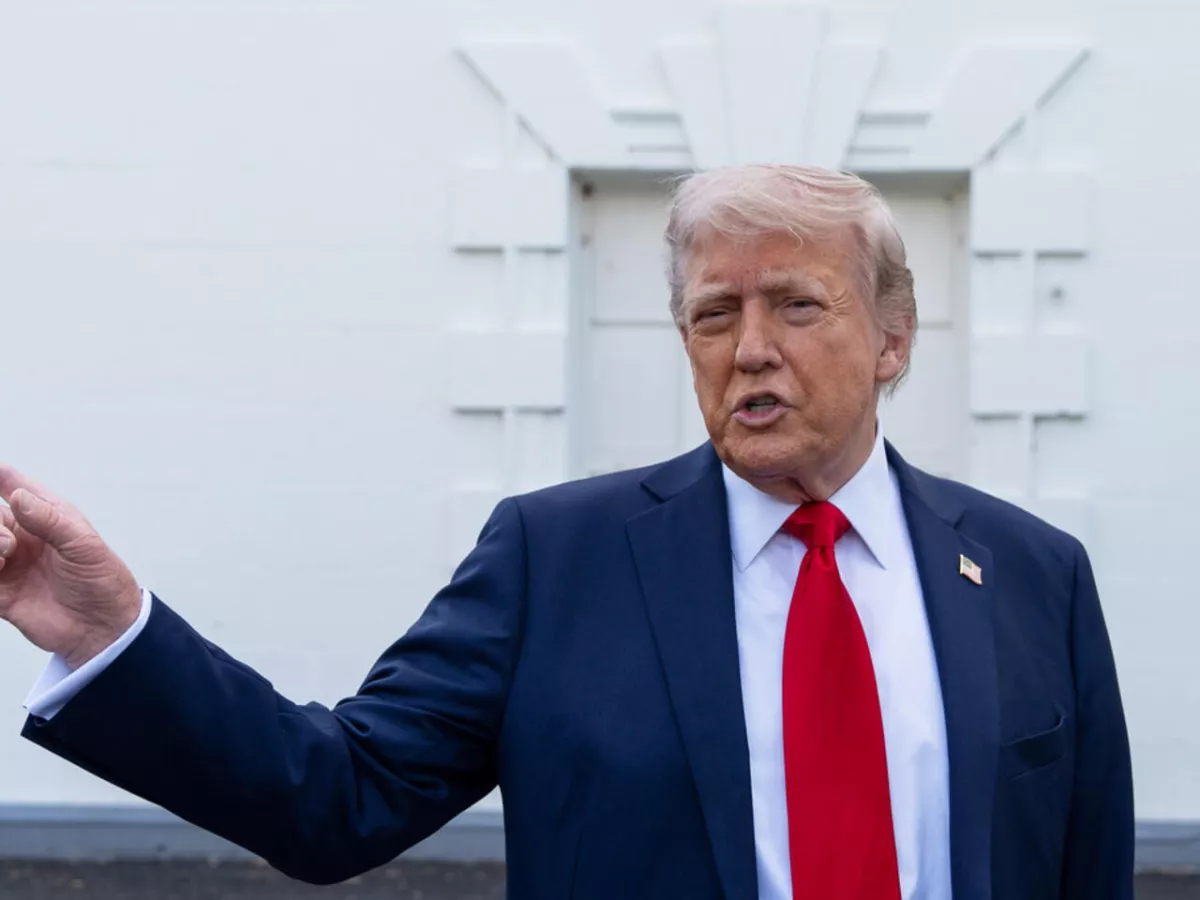
It is telling that just a few days ago, Donald Trump, in a joking yet provocative manner, referred to this very gulf as if it bore his own name, making it clear that it was no slip of the tongue. At the same time, the words of respect expressed toward the Chinese leadership did nothing to reduce the level of geopolitical tension between the United States and China. Moreover, Trump postponed his planned March visit to Beijing until May, apparently intending to approach it from a position of strengthened negotiating leverage—as a winner on key “anti-China fronts.”
It is precisely in this context that a number of experts draw parallels between the current situation around Tehran and the balance of power in the Middle East 70 years ago. The key intrigue lies in who, this time, will become the architect of a new regional configuration.







 editor@caliber.az
 +994 55 444-88-98
 Азербайджан, Баку, ул. Низами, 203, Af Business House, 5-й этаж