










Crescent diplomacy Pakistan as a key mediator between the US and Iran
The agreement reached last night on a two-week ceasefire between the US/Israel and Iran marks a diplomatic breakthrough amid the rapid escalation seen in recent days. It is particularly noteworthy that our brotherly Pakistan played a central role in this development.
In recent weeks, Islamabad has been the main channel for exchanging signals between the parties. Thanks to its efforts—alongside those of Türkiye and Egypt—the confrontation has shifted from mutual strikes to an active negotiation format.
US President Donald Trump directly linked the decision to suspend military activity to contacts with Pakistan’s Prime Minister Shehbaz Sharif and Chief of the Armed Forces Asim Munir. In turn, Sharif confirmed Pakistan’s readiness to consolidate this success by inviting US and Iranian delegations to Islamabad for further talks, highlighting the “constructiveness” and “political wisdom” demonstrated by both sides.
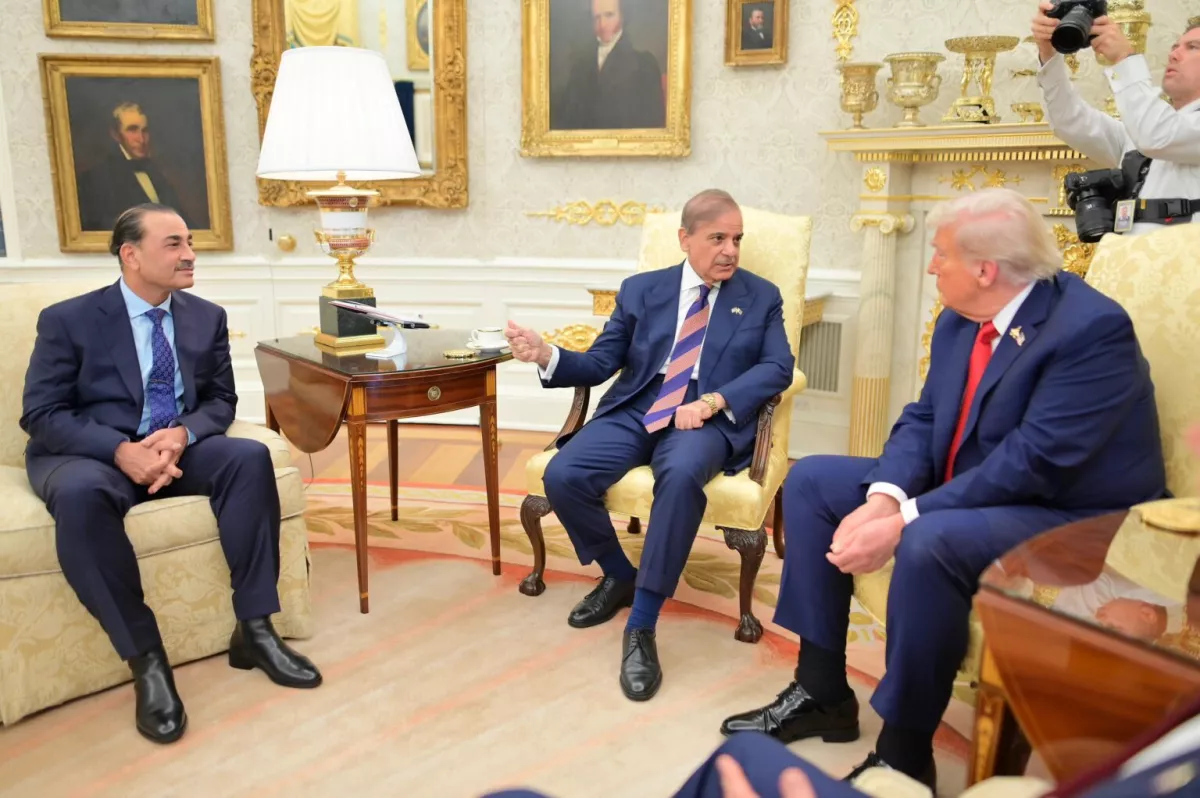
Against this backdrop, it becomes clear that Pakistan has gone beyond its previous role as a “communication channel” and has effectively become one of the central participants in the diplomatic process. This has been made possible in large part by a combination of personal and structural factors: Sharif and Munir share a relationship of trust with Trump, which facilitated dialogue with Washington, while Islamabad’s links with Tehran are grounded in geography, an extensive shared border, and enduring cultural and religious ties.
Equally important is Pakistan’s unique position of neutrality—it is not directly involved in the conflict and does not host American bases on its territory, making it an acceptable mediator for both sides. It should also be noted that Islamabad’s peacekeeping efforts are driven by pragmatic considerations. Economic dependence on oil supplies passing through the Strait of Hormuz has already led to rising fuel prices, forcing the Pakistani authorities to adopt austerity measures, making de-escalation not only a diplomatic necessity but also an internal imperative.
The particular value of Pakistan’s diplomacy lies in the fact that its manoeuvres take place under extremely sensitive circumstances: tensions with Afghanistan persist, confrontation with India continues, and defence commitments to Saudi Arabia add an element of uncertainty in the event of a wider conflict.
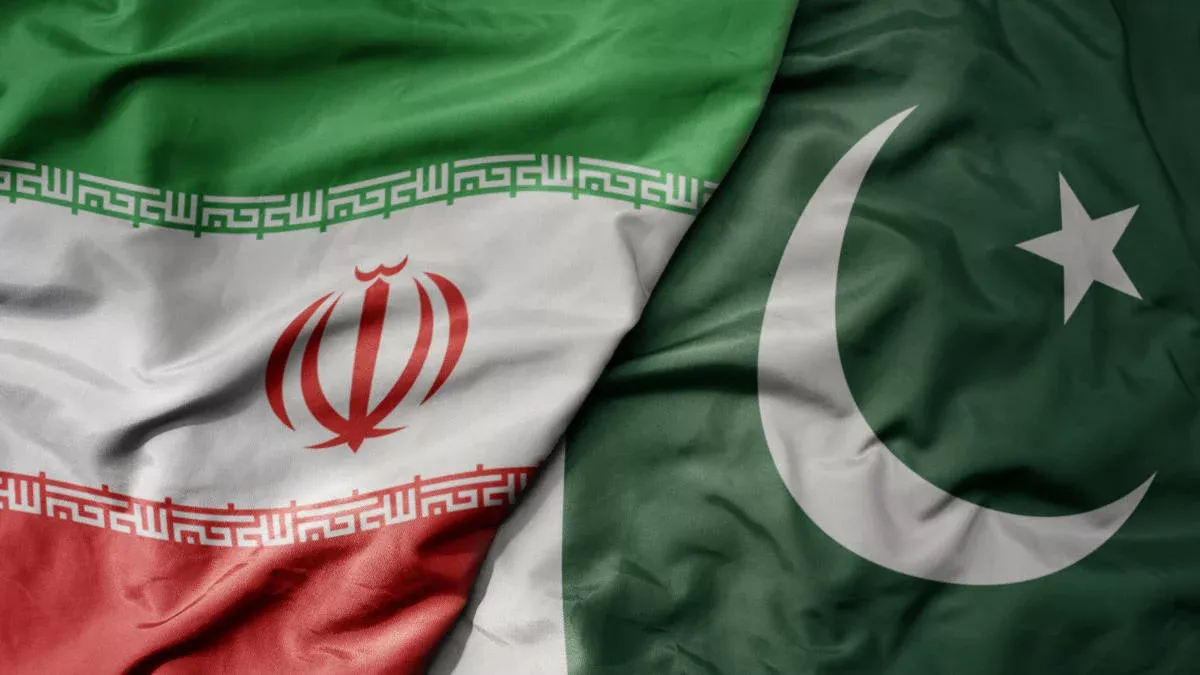
Additional pressure comes from a domestic factor—public sentiment of Islamic solidarity with Iran makes any overt support for the US politically sensitive.
Indeed, many analysts now agree that the current ceasefire appears more as an interim achievement than a final resolution of the conflict: its future will depend on Washington and Tehran’s ability to reach more durable agreements. Nevertheless, even at this stage, Pakistan’s role can be seen as having fundamentally changed—regardless of how events unfold, it has secured its status as a serious mediator, capable of operating under high uncertainty and guiding the conflicting parties toward a complex compromise.







 editor@caliber.az
 +994 55 444-88-98
 Азербайджан, Баку, ул. Низами, 203, Af Business House, 5-й этаж