










Beyond the familiar The European continent on the brink of change
Europe is entering the mid-2020s as a space where multiple crises overlap and begin to reinforce each other. Issues of energy, economy, migration, security, and politics have merged into a single complex knot that shapes the behaviour of the entire continent.
The energy factor has become a starting point. After abandoning Russian supplies, the EU found itself in a new reality of expensive and unstable energy. At the same time, the current price spikes themselves are not unprecedented: oil has risen higher before, and gas in 2022 cost many times more than current levels. But the problem is not in the absolute values, rather in the structure—Europe lost its cheapest and most predictable energy source and shifted to a more expensive and volatile system based on liquefied natural gas (LNG) and spot markets.
Against this backdrop, a long-term trend is intensifying: the transformation of the industrial model. Some energy-intensive industries are gradually moving to regions with lower costs—in the U.S. and Asia. This even affects major German companies such as Volkswagen, BMW, and BASF. At the same time, Europe is trying to restructure, betting on technology, services, and “green” energy. As a result, a dual process is emerging: elements of deindustrialisation are combined with attempts to create a new industrial base.
Economic pressure is being amplified by social factors. Rising prices, inflationary spikes, farmers’ protests, and strikes show that the previous model—where income growth offset costs—no longer works fully. At the same time, government spending is increasing, including support for Ukraine and defence, which further strains domestic resources.
Yet it is security that has become the factor shaping the logic of many decisions. Europe increasingly thinks in terms of a prolonged conflict. The abandonment of Russian energy resources, the growth of military budgets, and the reorientation of industry—all fit into a strategy aimed at reducing vulnerability and preparing for potential confrontation. In this context, economic rationality often takes a back seat to geopolitical considerations.
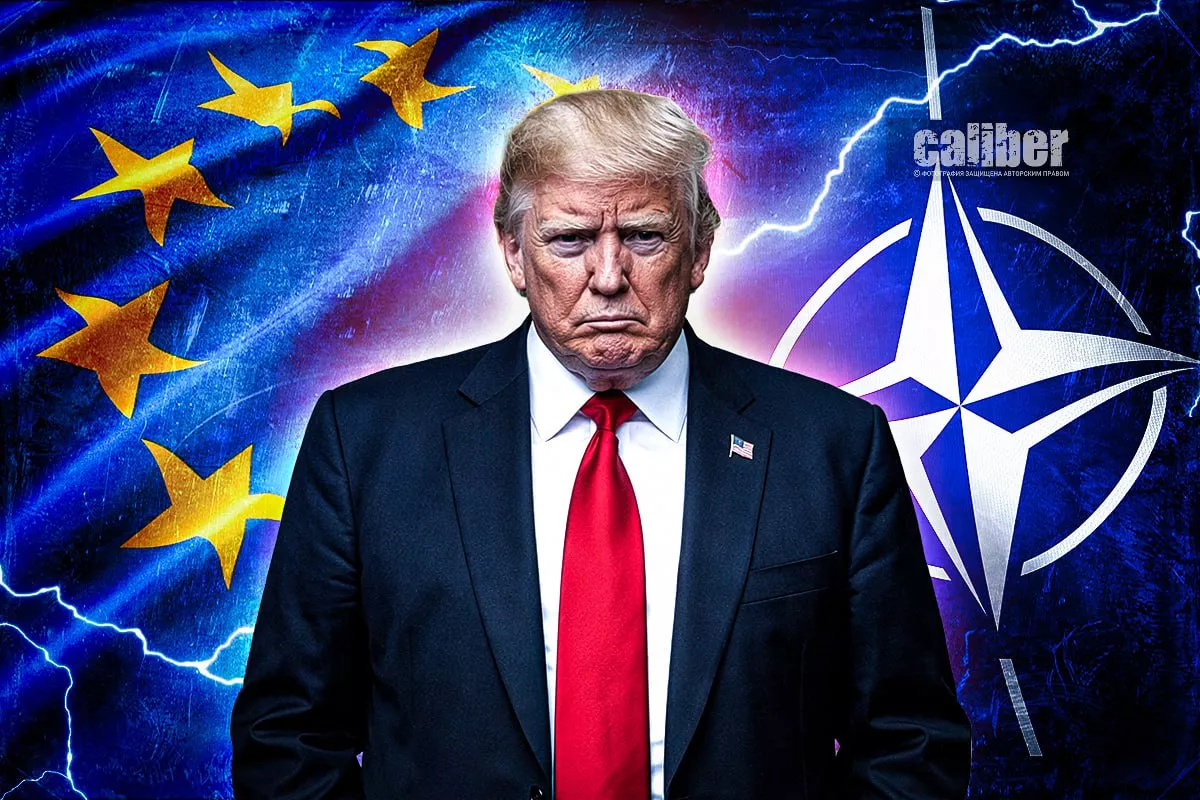
Additional tension is created by the crisis in transatlantic relations. Sharp statements by Donald Trump about a possible reevaluation of the U.S. role in NATO, criticism of allies, and demands to increase military spending have heightened doubts about the reliability of American guarantees. Even if a formal U.S. exit from the alliance is unlikely, merely raising the question changes Europe’s behaviour.
The conflict over Iran and the situation in the Strait of Hormuz serve as a telling episode. European countries did not support the U.S. military operation, restricted the use of their infrastructure, and simultaneously began seeking diplomatic solutions, including negotiations with Tehran on shipping. This demonstrates an important shift: Europe increasingly acts in its own interests, even when they diverge from those of the United States.
At the same time, other contradictions are accumulating within NATO. Different approaches to Ukraine, disputes over cost-sharing, and disagreements on external operations all undermine the sense of unity. However, the alliance is not disappearing; it is adapting. Still, without American involvement, European defence cannot yet be fully independent.
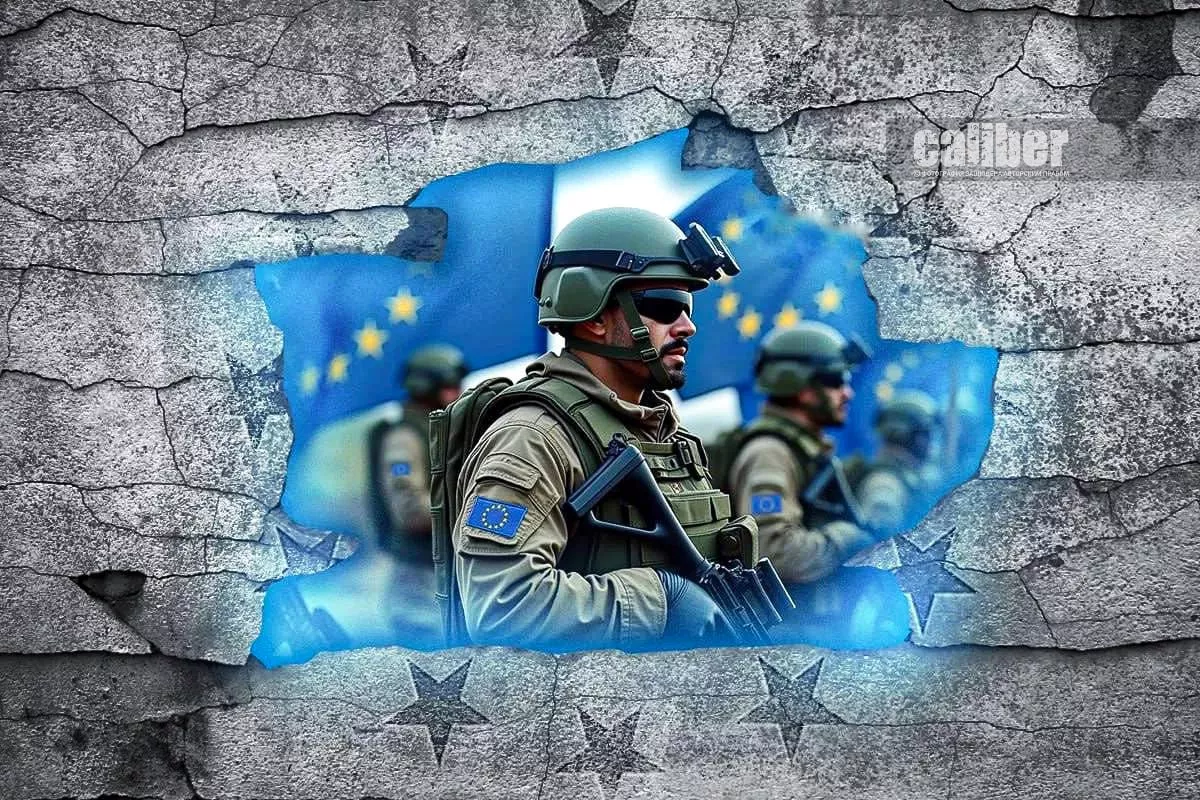
Awareness of this dependence is pushing Europe to seek alternatives. Regional cooperation formats are developing, such as Northern European defence initiatives, and new alliances and collective security mechanisms are being discussed. The EU is increasing funding for defence projects, attempting to build its own industrial and technological base. But this process requires time and resources, which are not always sufficient.
Amid external challenges, internal contradictions are also intensifying. Within the EU, conflicts among political leaders are growing, Europeans’ dissatisfaction with the authoritarian style of EU officials is increasing, and disagreements on strategic issues are emerging. Debates about the union’s future, its expansion, and its role in the world are becoming increasingly sharp.
Yes, it can now be stated: Europe is in a state of transition. The old supports—cheap energy, stable supply chains, and unconditional U.S. backing—are weakening. The new ones—technological autonomy, military independence, and political consolidation—are only beginning to take shape. This process is accompanied by conflicts, mistakes, and costs, but it is precisely this process that defines the current dynamics.
P.S. The news overnight about a two-week ceasefire in Iran may indicate a reassessment by Donald Trump of his aggressive geopolitical strategy. This is a very significant moment in contemporary history, which will impact both U.S.-European relations and Europe’s overall geopolitical positioning.







 editor@caliber.az
 +994 55 444-88-98
 Азербайджан, Баку, ул. Низами, 203, Af Business House, 5-й этаж