










Beyond the rhetoric: who is really militarising Eastern Europe? Analysis by Limansky
At the Security Forum in Vienna, the Permanent Representation of the Republic of Belarus to the OSCE called on the participating states of the organisation to resume dialogue, primarily on issues of military threats. This statement comes amid growing tensions on Belarus’s borders.
Restore trust
The Forum for Security Co-operation (FSC) is a decision-making body of the OSCE dealing with the military-political aspects of security. Its meetings are held weekly in Vienna.
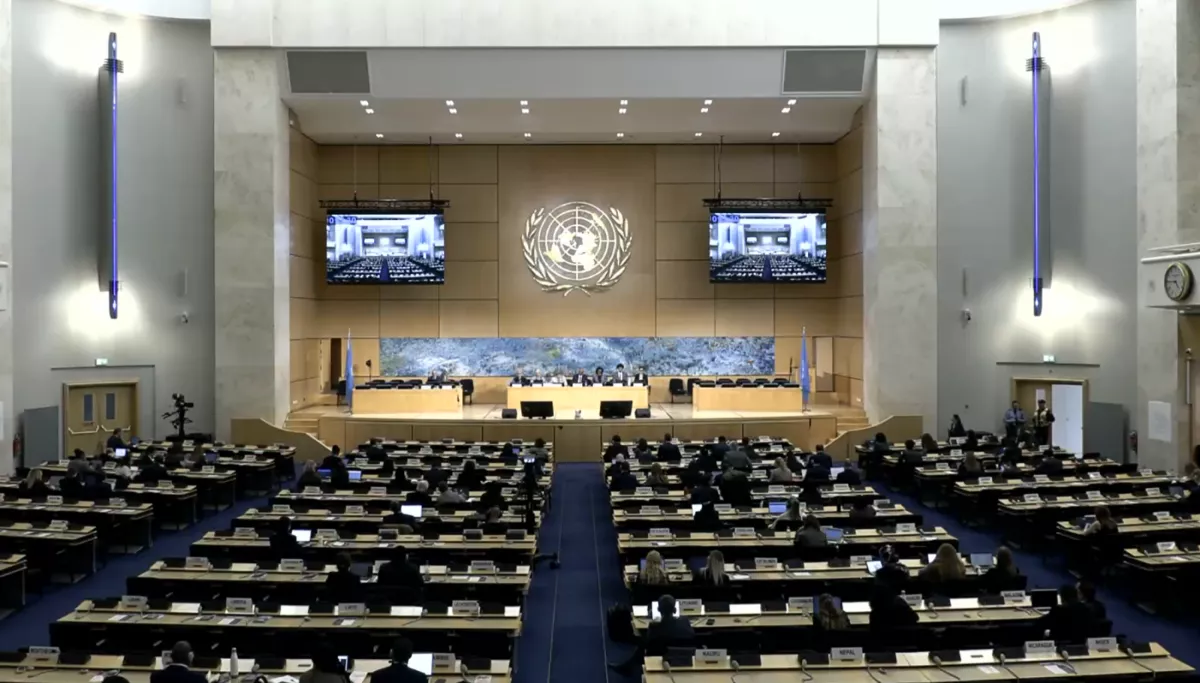
On March 11, at a meeting of this organisation, the representative of Belarus made the following statement: “At the previous meeting of the OSCE Forum for Security Co-operation, the United Kingdom delegation called on Belarus to refrain from actions and rhetoric that further militarise the OSCE region. In this regard, we would like to present our assessment of the trend toward the militarisation of the European continent, supported by specific figures.
There is an unprecedented increase in military spending by NATO and EU member states. The North Atlantic Alliance intends to raise the level of defence spending of its members to 5 per cent. The EU’s agreed ‘defence preparedness roadmap’ envisages the allocation of €800 billion [$921 billion] to the defence sector by 2030. This includes more than a threefold increase in spending on equipping armed forces with combat aircraft, drones, heavy armoured vehicles, as well as the further development of the defence industry.”
At the same time, NATO countries bordering Belarus are among the frontrunners in this arms race, unprecedented since the end of the Cold War. In 2025, the combined military spending of Poland, Lithuania, and Latvia exceeded €52 billion ($59.9 billion)—25 times higher than Belarus’s defence expenditures. In 2026, these “North Atlantic” neighbours intend to increase their military spending to 5 per cent of GDP. Against this backdrop, the question arises: what role could Belarus possibly play in the “militarisation of the region” if the republic allocates only about 2 per cent of its GDP to defence?
“Clearly, against the backdrop of our neighbours’ inflated military budgets, Belarus’s defence spending appears rather restrained,” the Belarusian representative stated, emphasising that accusations against Minsk of militarisation are, to put it mildly, inappropriate. “Belarus is not engaging in a reckless arms race by drastically increasing military expenditures. In this matter, we proceed from the principle of reasonable sufficiency. However, when there is an escalation of military-political tensions, including in the immediate vicinity of our borders, when reliable security guarantees are lacking, and arms control mechanisms and confidence-building measures are deteriorating, we are compelled to take additional steps to ensure national security. Among them is the deployment of Russian tactical nuclear weapons and the ‘Oreshnik’ missile system.
The Belarusian representative also emphasised that these steps are a response to external threats and are fully proportionate to the escalation of tensions. The measures taken by Minsk are entirely defensive in nature and comply with all international agreements, including the Treaty on the Non-Proliferation of Nuclear Weapons (NPT).”
As can be understood, the Belarusian side’s reaction to the British delegation’s call to use the OSCE Forum to restore communication and reduce risks was generally positive—provided that this process is based on a professional and depoliticised approach, with priority given to dialogue “along military lines.”
This is precisely what Belarus has been consistently advocating for over the past four years. However, Western countries have persistently refused to adopt such an approach.
“Perhaps Western politicians simply do not trust military professionals, whose responsible engagement could allow common sense to prevail?” the Belarusian representative asked at the OSCE Forum. “Excuses that such dialogue is hindered by Belarus’s close cooperation with Russia do not withstand any scrutiny. Clear examples include the reaction to Belarus’s invitation to participate in monitoring the joint Belarus-Russia exercise ‘Zapad-2025,’ as well as the outright refusal to engage in military-to-military contacts in general. How serious can concerns about military activity on Belarusian territory be, when for several years Western countries have completely ignored the military-political instruments that could practically alleviate them?
The Belarusian delegation once again calls on OSCE participating states to abandon the logic of confrontation and resume professional dialogue, particularly along military lines, in order to restore trust and create a space of equal and indivisible security on the European continent.”
Measured response
The West, however, masks its military-confrontational approach toward Belarus with rhetoric about its ties to Russia. But what are the facts? Since declaring its independence, Belarus has sought no conflicts with anyone. During the Soviet era, the Belarusian Red Banner Military District hosted two tank armies, one combined-arms army, one air army, four Strategic Rocket Forces divisions with nuclear weapons, as well as numerous other units and formations. At that time, the concentration of military personnel in the Belarusian Military District was the highest in Europe—one soldier for every 43 civilians. The overwhelming majority of these forces were withdrawn from the territory of independent Belarus. The country’s own main ground forces consisted of only four mechanised brigades and three Special Operations brigades.
Moreover, in the early 1990s, Belarus reduced its weapons and military equipment 2.8 times more than the United Kingdom, France, and the United States combined on European territory. All Russian bases in Belarus were eliminated, except for two technical facilities—the 43rd Russian Navy Communications Node in Vileyka and the 474th Separate Radio-Technical Node in Baranovichi of the Russian Aerospace Forces’ missile attack early-warning system.
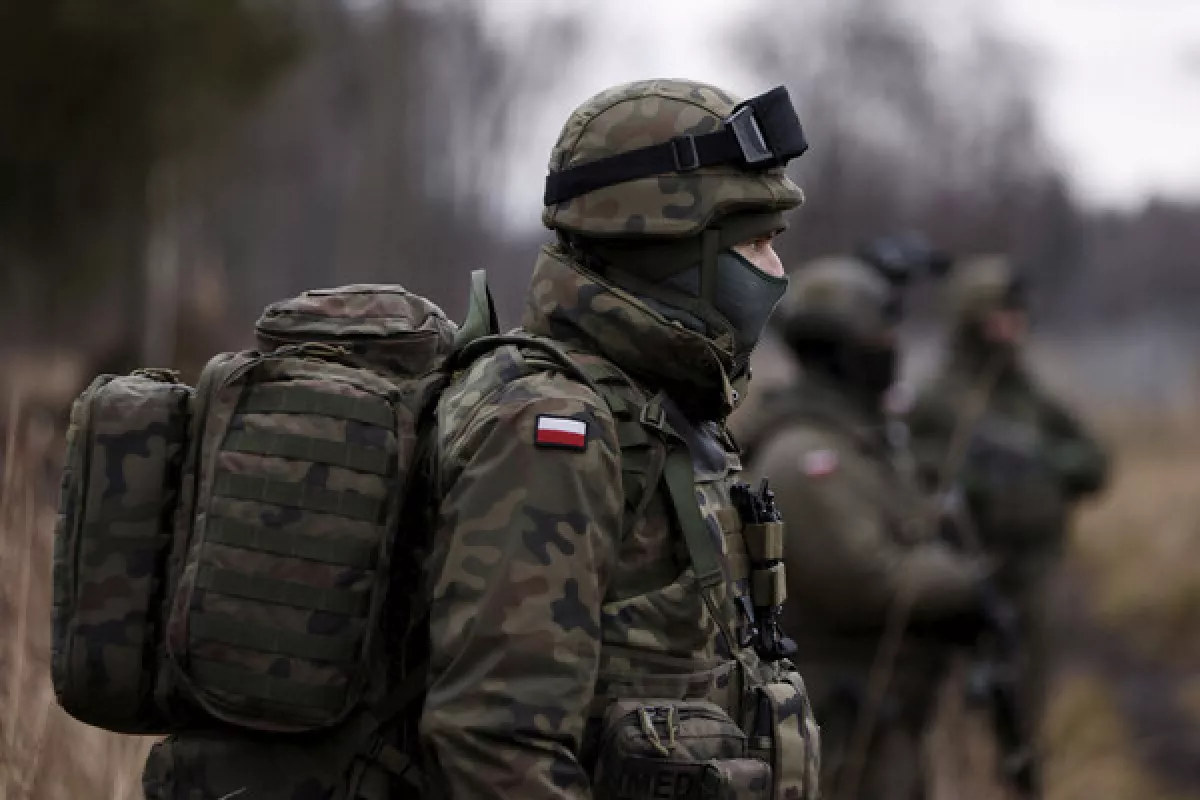
At the same time, the Belarusian Armed Forces numbered around 65,000 personnel, whereas Poland’s army in 1999, at the time of its NATO accession, counted 226,000 troops.
In 2004, Lithuania and Latvia also joined NATO. Forces from other North Atlantic Alliance countries, including the United States, were initially deployed on a rotational basis and later permanently in Poland and the Baltic states. Combined with hostile rhetoric and support for a destructive pro-Western opposition, this increasingly posed a tangible threat to Belarus.
Against this backdrop, military-political cooperation with Russia came to be seen by Minsk as the only viable option for safeguarding state sovereignty. At the same time, Russian ground forces and aviation were not stationed on Belarusian territory. Meanwhile, NATO strike forces along its borders were continuously being reinforced.
In 2016, even before the outbreak of the war in Ukraine, a decision was made to deploy a heavy U.S. Army armoured brigade on NATO’s eastern flank, including in Poland, Lithuania, and Latvia.
In 2020, an agreement was signed establishing the legal framework for the permanent presence of U.S. forces in Poland. By that time, approximately 4,500 American military personnel were already stationed in the country.
The forward command of the U.S. 5th Army Corps was deployed to Camp Kościuszko in Poland in 2022, where a permanent American garrison was subsequently established.
Apart from Poland, U.S. armoured forces in Europe are permanently stationed only in Germany. As of today, around 10,000 U.S. troops are present in Poland, primarily on a rotational basis.
Despite statements by Donald Trump about a possible reduction of the U.S. military presence in Europe, in 2025, the then-President of Poland, Andrzej Duda, stated that the country would be ready to host the entire American contingent in the event of its withdrawal from Germany, amounting to approximately another 35,000 troops.
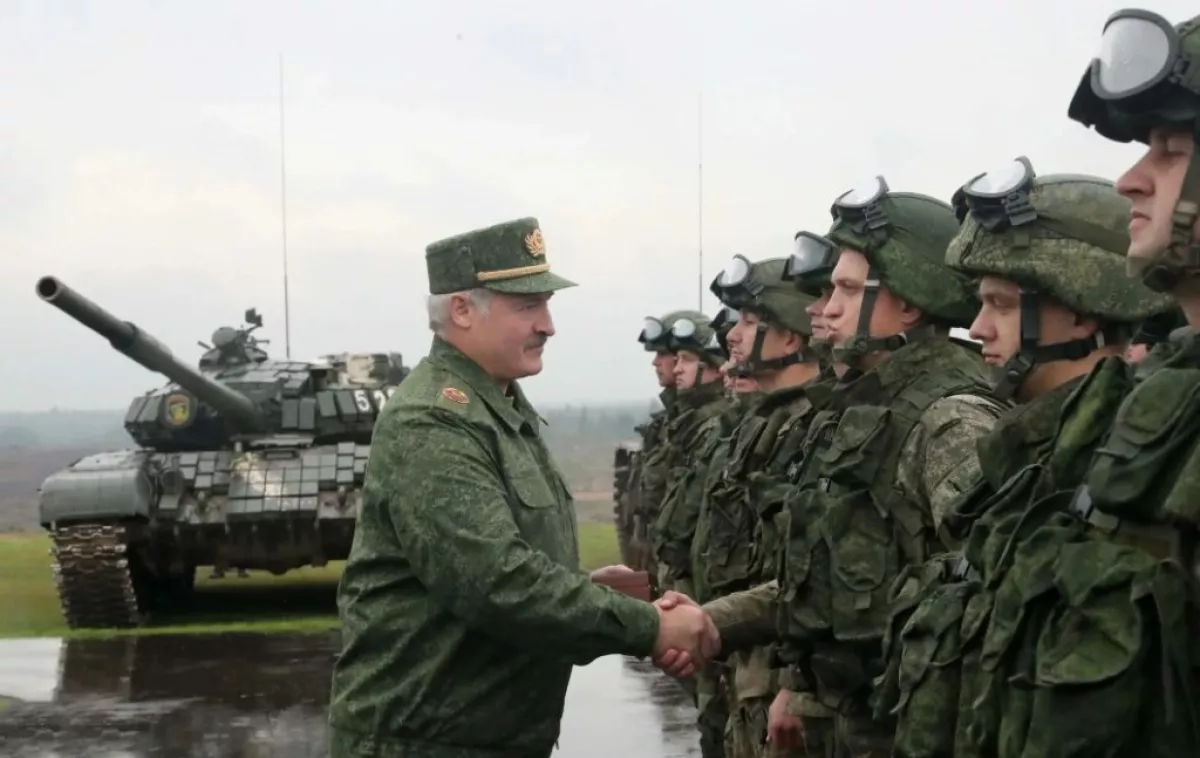
As of 2025, the entire Belarusian army numbers around 48,000 personnel, of which 18,000 serve in the Ground Forces.
NATO’s forward forces are also deployed in Lithuania and Latvia. Notably, Germany’s 45th Armoured Brigade is permanently stationed in Lithuania—its first permanent deployment there since World War II and in close proximity to the Belarusian border.
This illustrates who is militarising the region and how. Against this backdrop, Belarus’s response to these developments appears more than measured.
Unpeaceful partners
Independent Belarus has always shown a genuine commitment to building good-neighbourly and peaceful relations with the West, including in the military sphere, and has taken concrete steps toward this goal.
In 1995, the Republic of Belarus joined NATO’s “Partnership for Peace” program (Russia did so in 1994), and since 1998 it has maintained its own diplomatic mission to the North Atlantic Alliance.
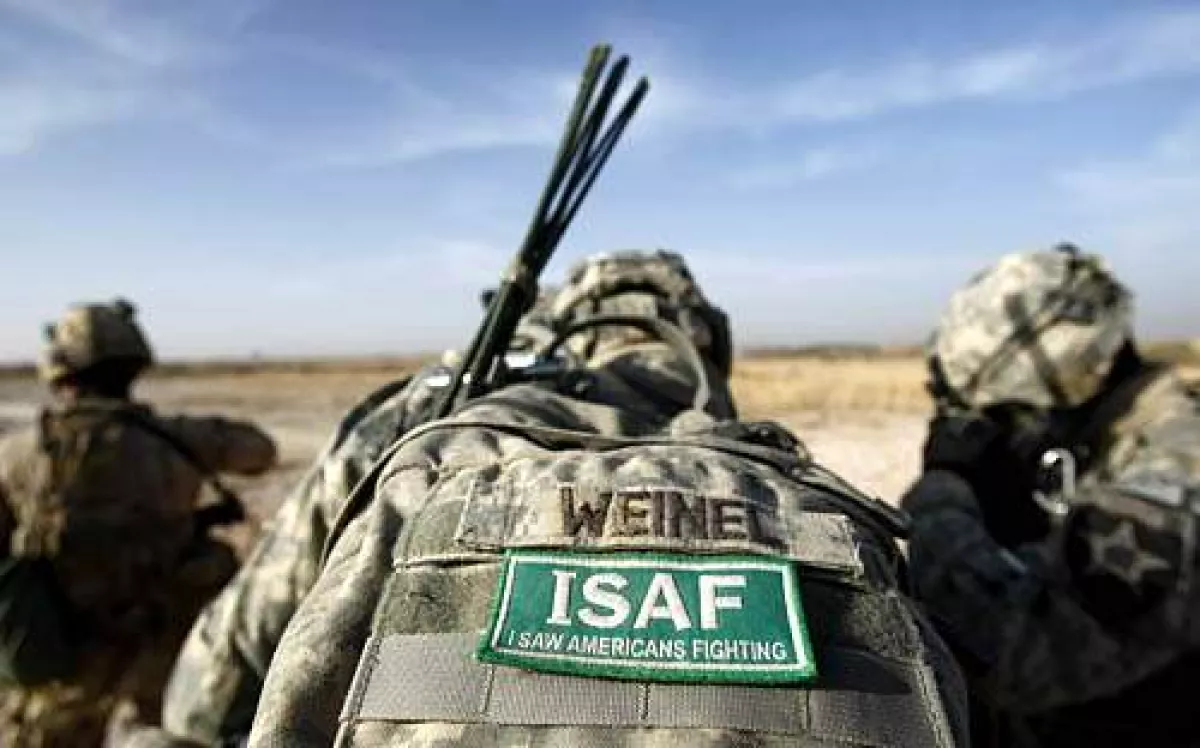
Minsk allowed the ISAF mission in Afghanistan to use its airspace, and non-military cargo was also transited through Belarus in 2010. One area of cooperation involved preparing joint forces for potential participation in peacekeeping missions under the PARP program.
In particular, for this purpose, exercises were systematically conducted with the peacekeeping company of the 103rd Separate Guards Airborne Brigade (formerly known as the “Vitebsk Division” of the Airborne Forces), and peacekeeping training programs were implemented at the Belarusian Military Academy.
Other areas of cooperation included combating illegal migration and terrorism, as well as practising responses to emergencies. Belarus also initiated joint exercises with the Alliance in radiological threat scenarios, drawing on its unique experience with the Chornobyl disaster.
In addition, NATO countries were given access to four specialised courses conducted by the Ministry of Defence and the Ministry of Emergency Situations of Belarus. Within the framework of a joint project between the North Atlantic Alliance and the Belarusian Ministry of Defence, and in accordance with the Ottawa Convention, more than 330,000 anti-personnel TNT-type mines were destroyed.
Recently, Poland and Lithuania withdrew from this anti-personnel mine ban convention and announced their intention to actively use such weapons in a potential conflict. Belarus hosted a NATO contact embassy. The Alliance also cooperated with the pro-government Belarusian NGO, the “Centre for the Study of Foreign Policy and Security,” which conducted joint seminars in Minsk until 2018.
All of this previously allowed the Belarusian Ministry of Foreign Affairs to assert that there were no serious problems between NATO and Belarus.
As early as August 2020, the Belarusian Ministry of Defence expressed readiness to cooperate with NATO—provided that the Alliance would take into account Russia’s status as Belarus’s strategic partner. However, Belarus’s participation in the “Partnership for Peace” program was suspended at the initiative of the West—even before the outbreak of the war in Ukraine. Following attempts by pro-Western forces to “envelop” the incumbent government during the presidential elections in August 2020, an attempted coup was carried out. After its failure, most cooperation programs were terminated.
NATO’s website notes: “In 2021, Allies suspended practical cooperation between NATO and Belarus, while maintaining dialogue, as necessary.”
However, even this “as necessary” formula has effectively not worked. Against the backdrop of escalating military-political tensions, the West has consistently rejected Belarus’s attempts to establish cooperation, even in sensitive areas such as arms control and the conduct of military exercises.
The Belarusian side invited nearly all EU countries and the OSCE Secretariat to observe the joint Belarus-Russia exercise “Zapad-2025” so that they could see firsthand its defensive nature. However, the majority of the invited countries ignored this invitation.
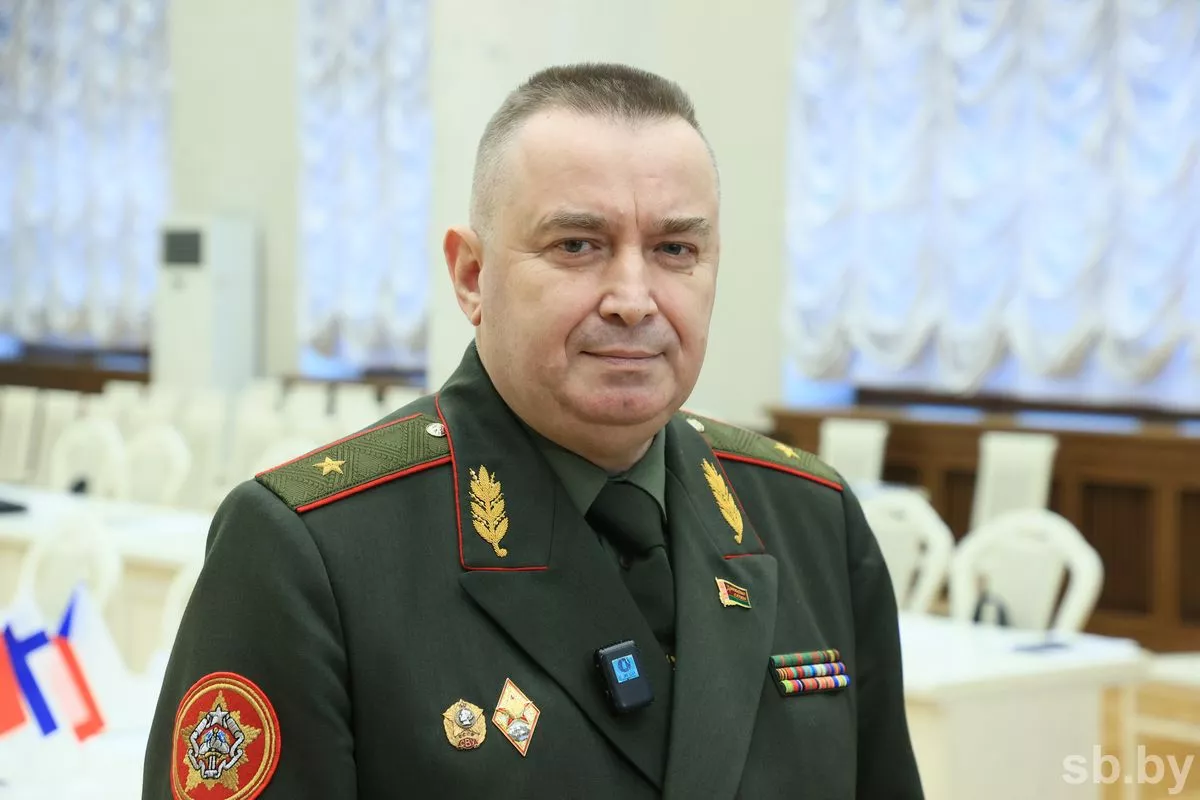
Chief of the International Military Cooperation Department, Assistant to the Defence Minister for Foreign Military Policy, Major General Valery Revenko, commented on this as follows: “Their policy is aimed at escalating the situation, at preparing for war. And they make no attempt to hide it. Accordingly, it is not in their interest to see the realities taking place on our soil.”
Meanwhile, the United States did send its observers to the “Zapad-2025” exercises.
At the same time, NATO countries regularly violate international law during large-scale military exercises near Belarus’s borders. For instance, in 2024, Poland deployed significantly more personnel than permitted under the 2011 Vienna Document during the Dragon 2024 exercises.
During NATO’s largest exercises in decades, Steadfast Defender 2024, Belarus received neither invitations nor even notifications.
Can the OSCE Forum become a genuinely effective mechanism for fostering cooperation and security between the West and Belarus? At present, such a scenario appears to be more of an optimistic assumption.







 editor@caliber.az
 +994 55 444-88-98
 Азербайджан, Баку, ул. Низами, 203, Af Business House, 5-й этаж