










Geopolitics of balance The Formula of Azerbaijani Diplomacy
Today, Azerbaijan is actively developing partnerships with various centres of power, some of which, in the international landscape, can be described as being on opposite sides of the barricades. In a context of intensifying geopolitical confrontation, this diplomatic configuration represents a rare example of skill in maintaining a balance of interests. The meetings held today by Hikmet Hajiyev, Assistant to the President of Azerbaijan and Head of the Foreign Policy Department of the Presidential Administration, clearly demonstrate this.
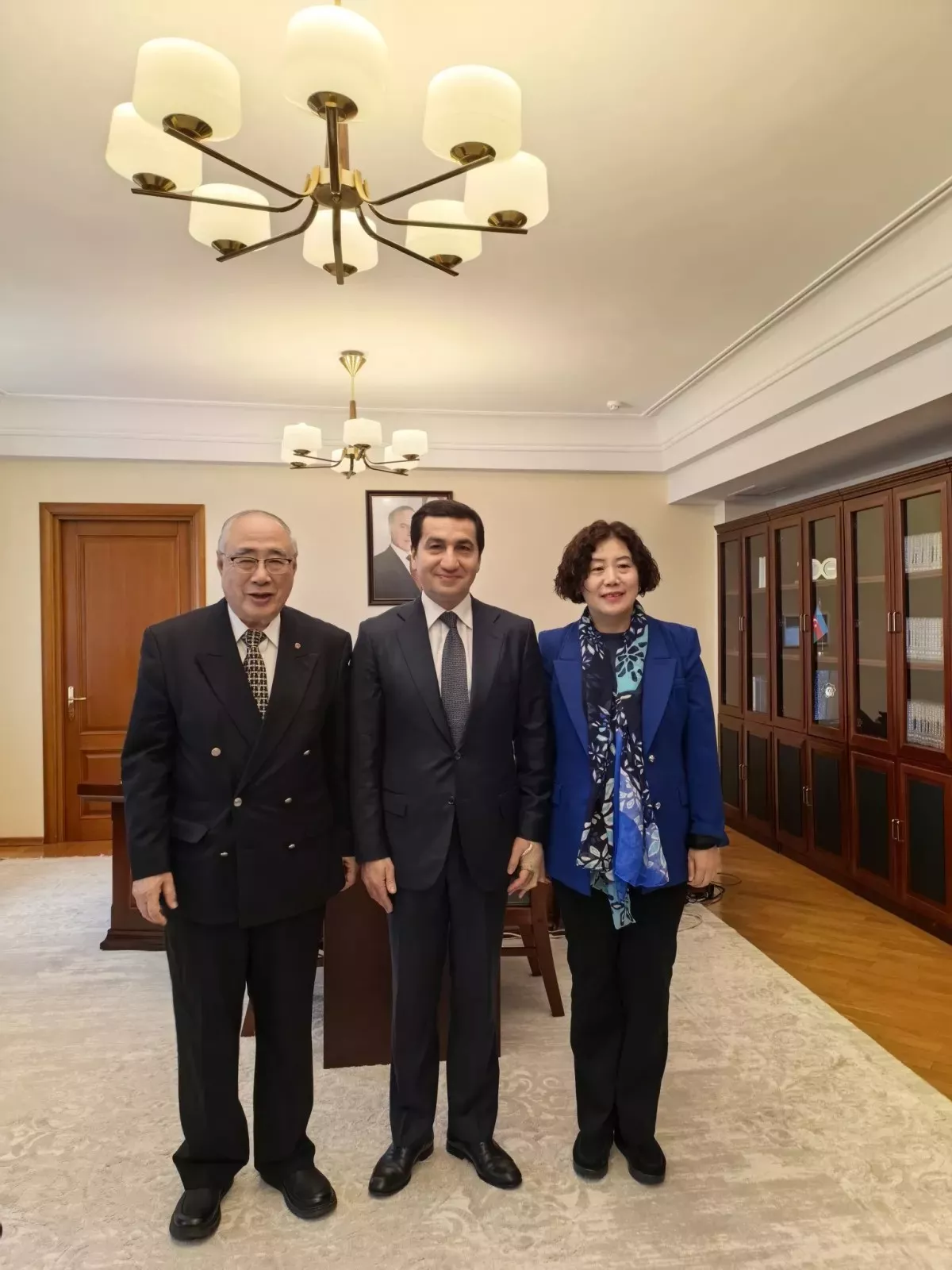
Hikmet Hajiyev shared on his X social media page about a meeting with Wu Hongbo, former Special Representative of the Chinese Government for European Affairs, and Lu Mei, Ambassador of China to Azerbaijan, noting that the sides exchanged views on various issues.
"Had a productive meeting with Wu Hongbo, former special representative of the Chinese government for European affairs and Chinese Ambassador in Azerbaijan. We exchanged views on Azerbaijan–China comprehensive strategic cooperation and discussed key regional affairs. A valuable dialogue reflecting the depth of our bilateral relations," Hajiyev wrote.
Commenting on his meeting with the European Union Special Representative for Central Asia, Ambassador Eduards Stiprais, Hikmet Hajiyev emphasised that the discussions focused primarily on regional connectivity and the development of transport routes.
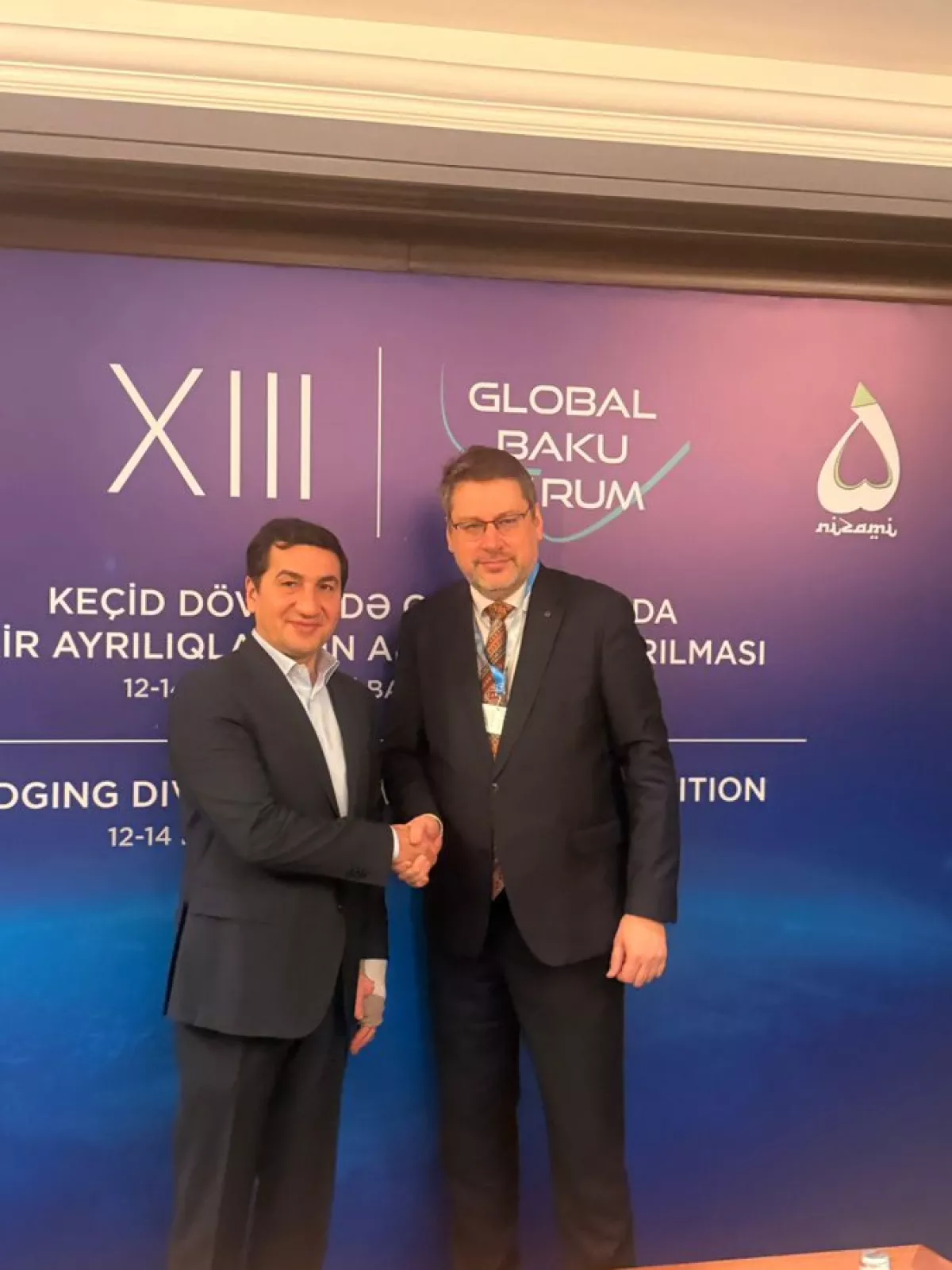
"We held fruitful discussions with Ambassador Eduard Stiprais, the Special Representative of the European Union for Central Asia on regional cooperation, particularly focusing on connectivity, as well as the Trans-Caspian and TRIPP projects. Considering Azerbaijan’s full membership in the Central Asia Consultative Council, there are significant opportunities for cooperation within this format," Hajiyev wrote on his X social media page.
These diplomatic contacts should not be seen as routine working meetings, as they are part of a broader strategic concept of Azerbaijan’s foreign policy: Baku does not rely on anyone else in addressing key security and regional policy issues. This approach not only reflects the country’s current diplomatic stance but also incorporates lessons drawn from three decades of recent history in the South Caucasus.
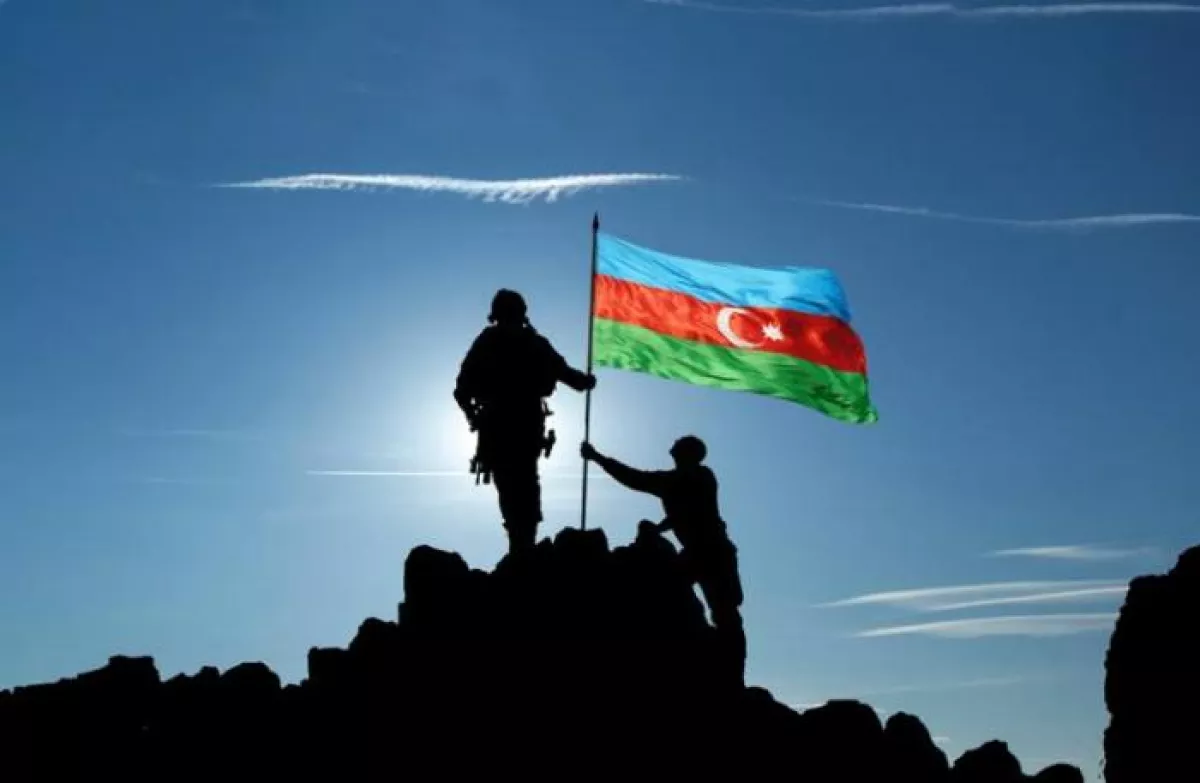
For a long time, the international community has demonstrated an inability to effectively respond to key regional challenges. As a result, Azerbaijan developed its own strategy for protecting national interests and ensuring security. It is precisely this approach that has allowed the country to fully restore its state sovereignty and territorial integrity.
A key feature of Azerbaijan’s foreign policy formula is that independence in decision-making does not mean isolationism. Baku places particular importance on its ties with Washington, and during the visit of U.S. Vice President J.D. Vance, a Charter on Strategic Partnership was signed, confirming the high level of trust between the two states and outlining new directions for cooperation.
At the same time, Azerbaijan has been steadily strengthening its relations with China. In recent years, Baku has become one of Beijing’s key partners in Eurasian transport initiatives that connect East Asia with European markets.
Simultaneously, the country maintains a pragmatic and stable dialogue with Russia, which also plays an important role in maintaining strategic balance in the region. In this way, Azerbaijan’s geopolitics of balance has become a significant factor in ensuring stability across the South Caucasus.
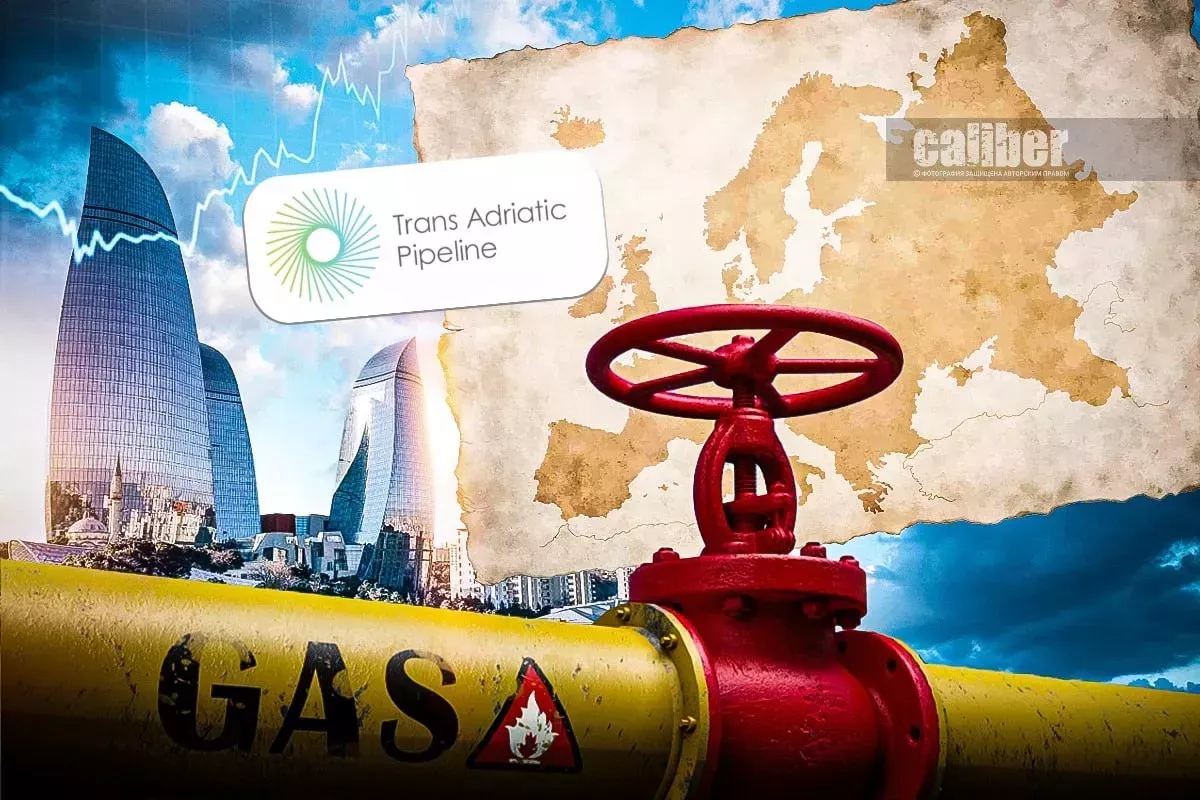
Against this backdrop, Baku’s role in ensuring Europe’s energy security—and beyond—is particularly significant. Currently, Azerbaijani gas reaches consumers in 16 countries, making Azerbaijan the global leader in the number of countries supplied with pipeline gas. This not only demonstrates the scale of the country’s export capabilities but also reflects the high level of trust in Baku as a reliable and responsible energy partner.
However, Azerbaijan’s strategic importance today is determined not only by its energy resources. The country is playing an increasingly important role in the development of transport corridors connecting Europe and Asia. This refers, in particular, to the Middle Corridor—a large-scale transport and logistics route running through Central Asia, the Caspian Sea, and the South Caucasus. This artery provides an alternative to traditional transport routes and opens new opportunities for international trade, especially amid the growing fragmentation of the global economy. Another important element is the completion of the Baku–Nakhchivan railway project, which will create a stable route between Europe and Asia.
Thus, thanks to its well-calibrated, pragmatic, multi-vector foreign policy—anchored in national interests—Azerbaijan is steadily consolidating its status as one of the key players in the emerging Eurasian political and economic system.







 editor@caliber.az
 +994 55 444-88-98
 Азербайджан, Баку, ул. Низами, 203, Af Business House, 5-й этаж