










Europe without the US: Is it ready to defend itself? Teymur Atayev’s analysis
On September 4, NATO’s annual Northern Viking 2026 exercise concluded off the coast of Iceland. Among other objectives, the drills focused on detecting Russian submarines. The most notable feature of this year’s exercise was the absence of US warships and aircraft from the anti-submarine warfare component. For the first time, European allies and Canada independently provided these capabilities, while the United States limited its involvement to selected units, along with command and logistical support.
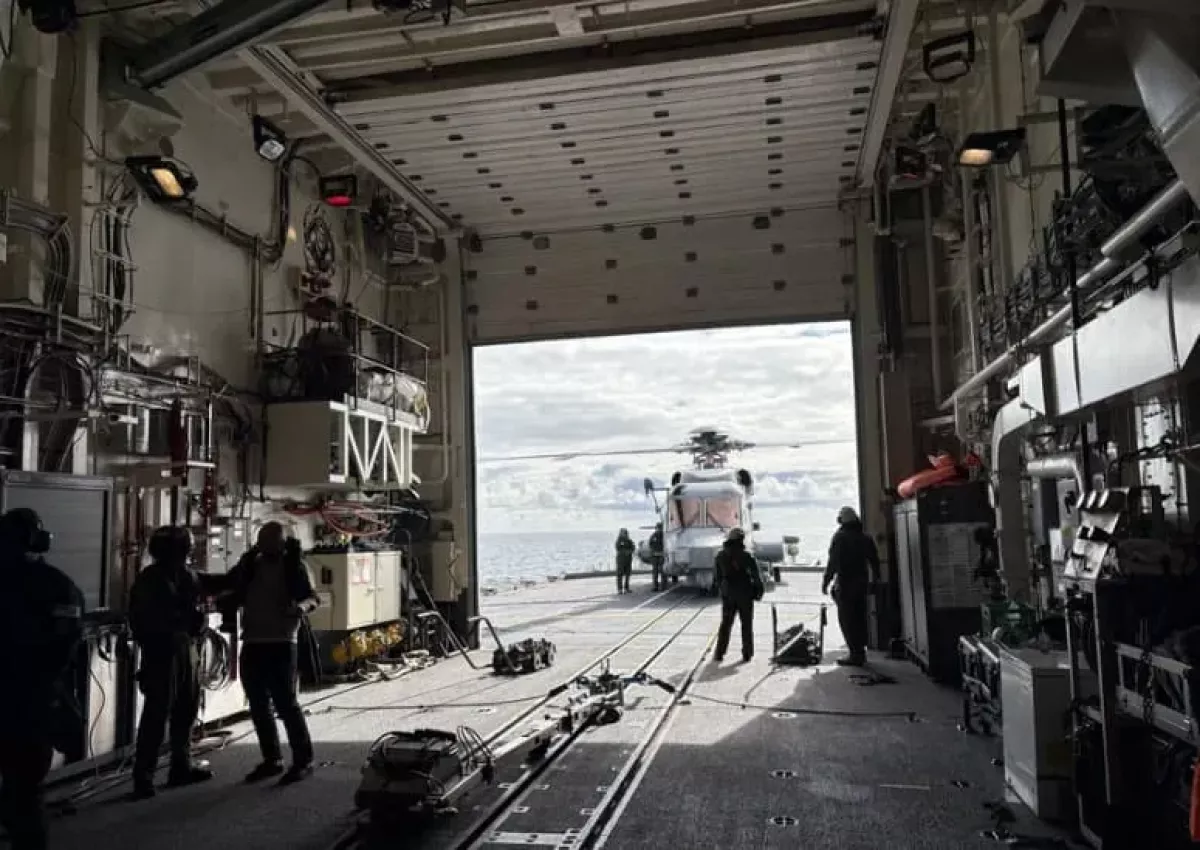
Jonas Allansson, head of the Defence Directorate at Iceland’s Ministry for Foreign Affairs, noted that “we see how Europe and Canada are stepping up their efforts.”
Developments of this kind were largely predictable. The 2026 US National Defense Strategy states that President Donald Trump is urging European NATO “allies to begin taking their defences seriously.” Under this approach, European allies are expected to take the lead in addressing threats to the continent that are “less serious for us, but more serious for them,” with the United States providing critical but more limited support.
Washington formally articulated this policy on July 28, when US Deputy Secretary of Defense Elbridge Colby presented it as the administration’s strategy for Europe. He had already incorporated its core principles into his “NATO 3.0” model, unveiled earlier this year.
The model envisages European allies providing the bulk of the forces and conventional weapons needed to “deter regional adversaries” — primarily Russia — while the United States assumes a supporting role, including by providing strategic nuclear deterrence.
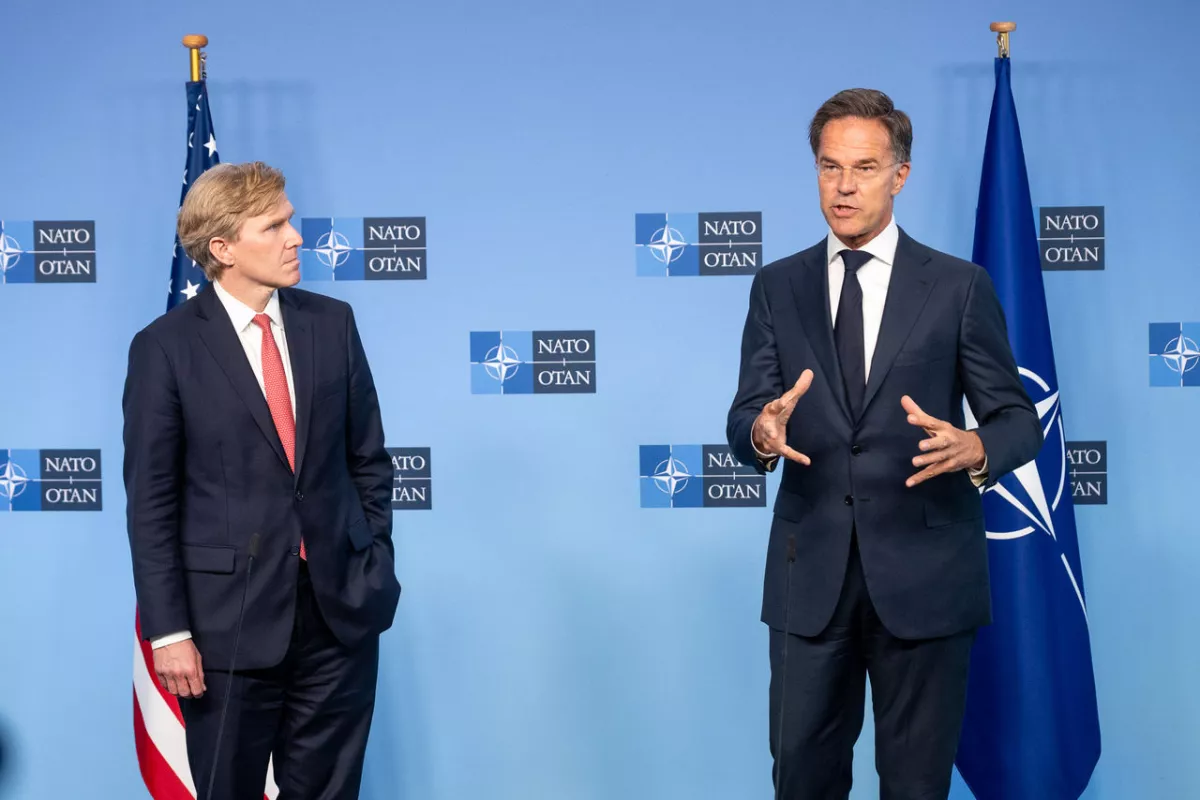
According to NATO’s official website, speaking on August 27 — at the height of the Northern Viking exercise — before the North Atlantic Council and in the presence of Elbridge Colby, NATO Secretary General Mark Rutte said that the “NATO 3.0” model envisages a stronger Europe within a stronger NATO, where America and its Allies share responsibility more fairly for collective security. He also emphasised the significant progress made towards a stronger and fairer Alliance.
As for the exercises off the coast of Iceland, only individual US units took part, while American forces had traditionally led Northern Viking. The US military enabled the participating sides to improve their understanding of maritime activity in the Arctic region. According to NATO representative and Commander Timothy Pietrack, it is through exercises like these that a permanent presence in the North Atlantic is built. He noted that this demonstrates NATO’s readiness to defend every inch of Allied territory and to act wherever the security of the Alliance requires it.
The question, however, is how prepared Europe is to confront Russia independently, without the United States, including militarily if necessary. This issue is now of concern to many experts.
The British newspaper The Guardian has highlighted concerns among military planners working with NATO that, in the event of a war with Russia, Europe as it stands today would be unable to withstand a prolonged war of attrition because its population is insufficiently prepared for military action.
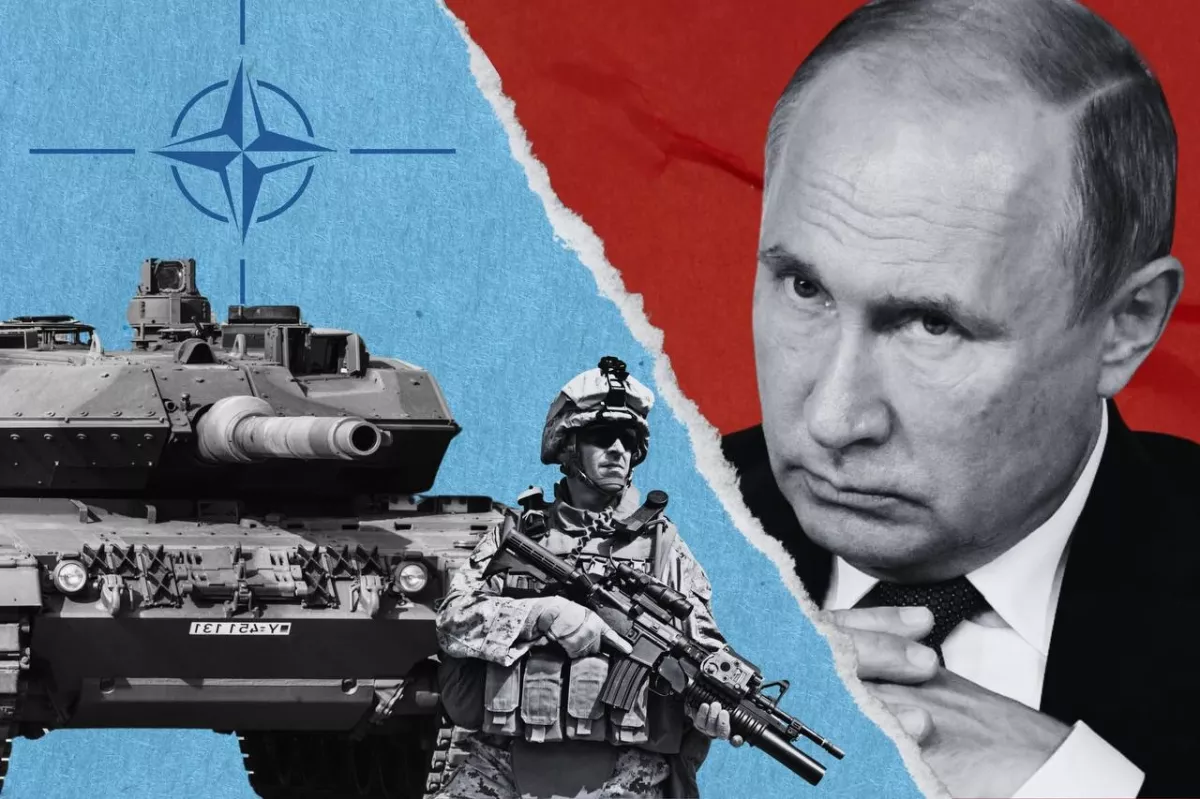
Among the problems are the possibility of Russia winning a “hybrid war with Europe” and growing support for populist forces in major European countries. This, in turn, threatens proposals to establish a group of five European countries that would take on a new coordinating role amid the reduction of US commitments to Europe’s conventional defence.
In addition, European public opinion shows little willingness to endure a prolonged war, forcing NATO to base its planning on a relatively short conflict.
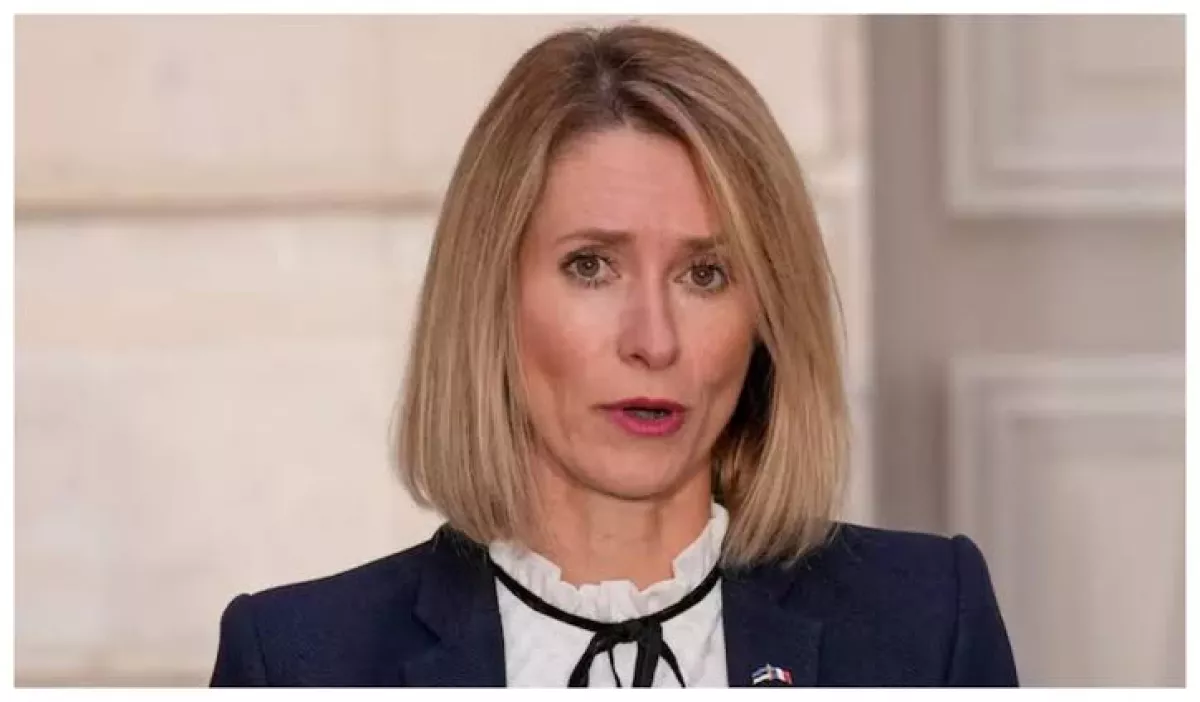
Against this backdrop, reports emerged that on September 7, EU foreign policy chief Kaja Kallas cancelled a planned presentation of an expert defence group. The decision reportedly followed opposition from the governments of Germany and Italy to its establishment. The group, led by Kallas, was tasked with developing proposals for the rapid and effective elimination of gaps in Europe’s military capabilities and subsequently presenting a report with concrete recommendations.
Thus, there are numerous obstacles on the path toward European military and defence autonomy without US support. However, analysts note that the preliminary results of Northern Viking demonstrated not only the practical but also the psychological readiness of European countries to conduct large-scale exercises without Washington’s direct participation and to coordinate their forces in key areas.

In this context, particular attention is also being paid to the European Union’s readiness to significantly increase investment in Greenland, thereby effectively expressing its open disagreement with the White House’s position on the territory. The EU has now announced a €200 million investment package for Greenland, aimed at strengthening ties and supporting areas including critical minerals, digital infrastructure and renewable energy.
In any case, observers agree that Europe remains a long way from achieving strategic autonomy from the United States. This is particularly true given the lack of unity among the major European powers on many key issues of defence policy. Europe continues to rely heavily on the United States for critical military capabilities, including intelligence, surveillance and reconnaissance, strategic airlift, missile defence, space assets and command-and-control.
In this regard, it is worth recalling that Emmanuel Macron’s presidential term is drawing to a close, while Chancellor Friedrich Merz’s approval rating remains low. Meanwhile, the two leaders are among those seeking to clear the way toward greater European independence in security and defence.
Will they succeed? And, more importantly, is Europe as a whole ready for such independence?







 editor@caliber.az
 +994 55 444-88-98
 Азербайджан, Баку, ул. Низами, 203, Af Business House, 5-й этаж