










“Sweet” exports: How Azerbaijan is benefiting from the global sugar shortage Analysis by Khazar Akhundov
The global sugar market has seen a sharp rise in prices since August, driven by growing concerns over supply shortages. Adverse weather conditions, higher logistics and fuel costs, and tighter production have added to market volatility. The resulting supply pressures have boosted demand for sugar and sugar products, particularly across the former Soviet Union, where declining sugar production in Russia has further strained regional supplies.
Azerbaijan is emerging as one of the key beneficiaries of these trends. In January–July 2026, the value of the country’s sugar exports increased 2.6-fold. Backed by growing production capacity and the continued expansion of sugar beet cultivation, Azerbaijan has largely overcome its reliance on imported sugar and is increasingly supplying neighbouring markets.
Factors behind the global storm
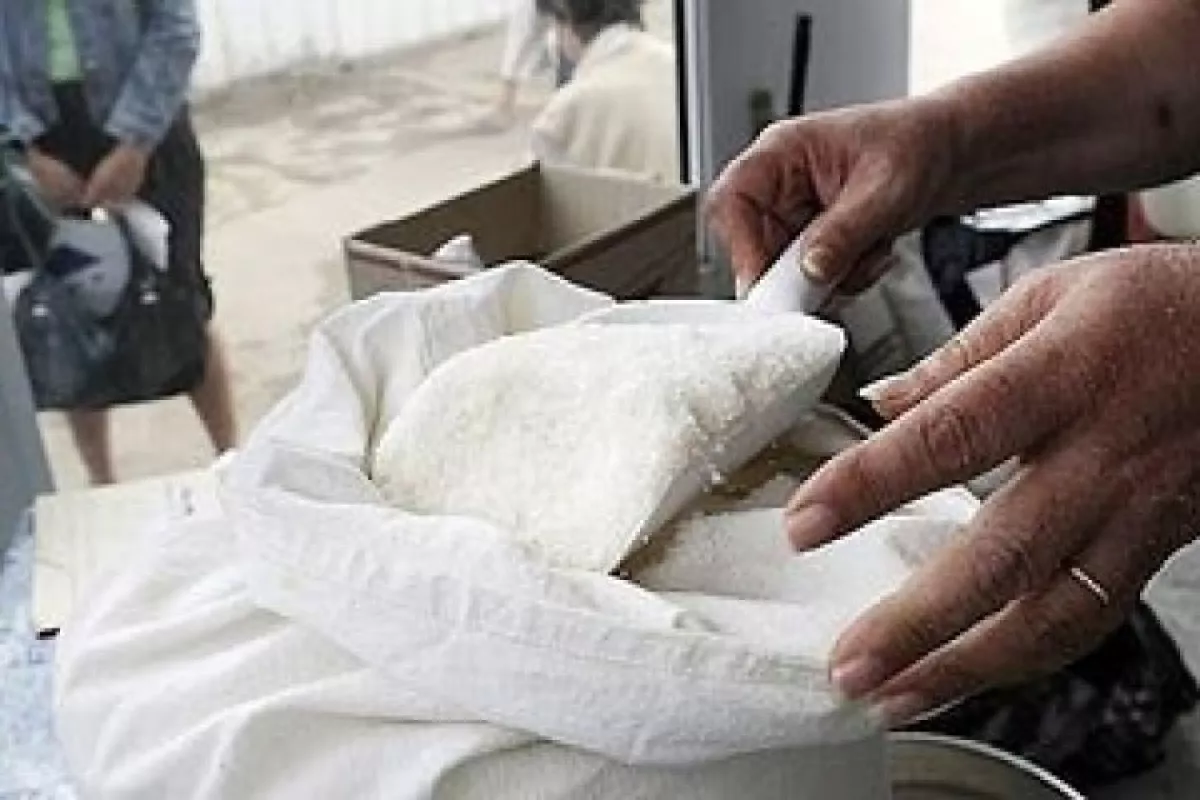
The latest rally in global sugar prices is being driven by a combination of supply-side pressures. Analysts at Goldman Sachs warn of significant risks associated with the natural phenomenon known as “super El Niño,” which has brought extreme heat, drought and devastating floods to major sugar-producing and exporting countries, including Brazil, India and Thailand.
India has already taken steps to protect its domestic market, imposing restrictions on sugar exports through the end of September. The move has significantly reduced the volume of sugar available on international markets.
Brazil, another major global supplier, has also seen exports come under pressure. In addition to unfavourable weather conditions, increasing amounts of sugarcane are being diverted to bioethanol production. Against the backdrop of the prolonged conflict in the Middle East and elevated prices for conventional fuels, turning sugarcane into biofuel has become considerably more profitable than producing sugar.
Concerns over the European harvest are adding to the pressure. A summer heatwave has adversely affected sugar beet yields, while logistical disruptions have further pushed up costs. Maritime freight rates have surged, and high fuel and fertiliser prices have increased the overall cost of agricultural production.
The situation is also deteriorating in Russia, a major sugar producer in the region. According to U.S. Department of Agriculture forecasts, Russian sugar production is expected to reach no more than 6.25 million tonnes in the 2026/27 season, down 10.7% from the previous year due to a reduction in planted areas.
Together, these factors have pushed global sugar prices to fresh highs. According to ICE Futures data, sugar prices rose 26.5% in August alone, while October futures climbed to $0.19 per pound, their highest level since April 2025.
A different trajectory and an export breakthrough
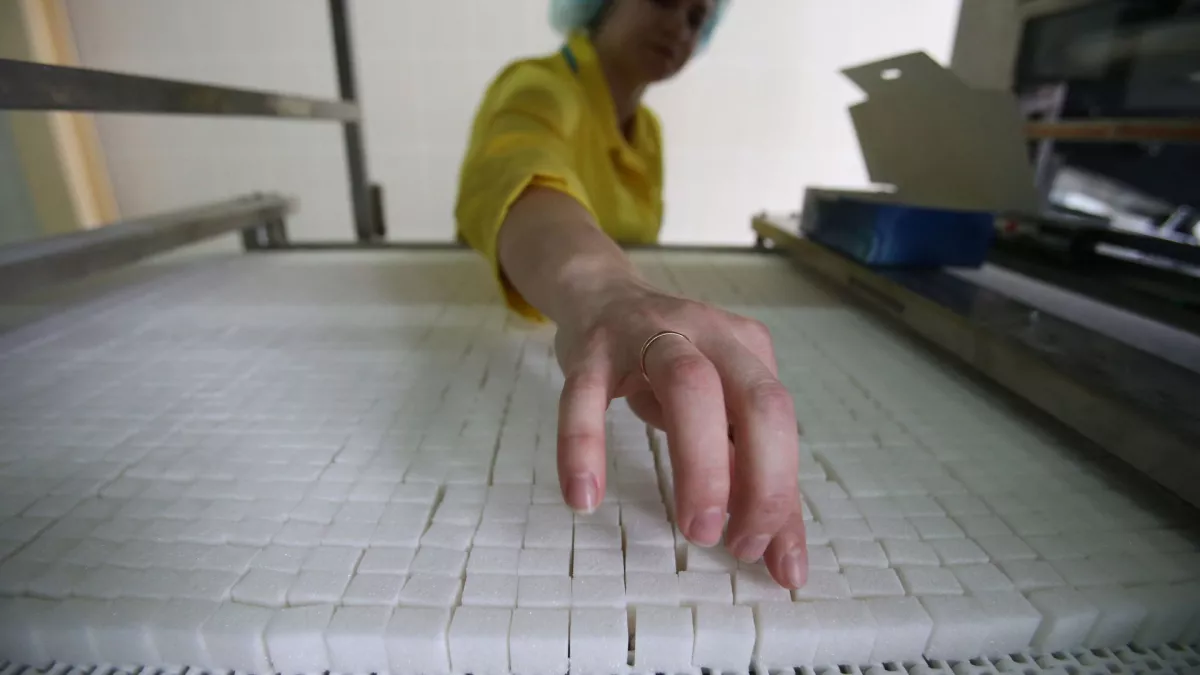
Against this backdrop, Azerbaijan’s sugar industry is showing remarkable resilience. After a downturn in 2024, when production fell by 8.7%, the domestic industry has been on a steady upward trajectory since last year, with both output and exports increasing. Today, Azerbaijan’s sugar self-sufficiency rate exceeds 102%, enabling the country to export 80,000–90,000 tonnes of sugar annually.
According to the State Statistics Committee, Azerbaijan produced 266,900 tonnes of sugar and sugar products in January–July 2026, up 30.7% from the same period a year earlier.
The August edition of the Export Review, published by the Center for Analysis of Economic Reforms and Communication, reported that Azerbaijan Sugar Production Association LLC exported $79.3 million worth of products during the first seven months of 2026 — 2.6 times more than in the same period of 2025.
The main markets for Azerbaijani sugar are countries across the former Soviet Union, including Uzbekistan, Turkmenistan, Kyrgyzstan, Tajikistan, Russia and Georgia. Smaller volumes are also exported to Iraq.
From zero to a regional sugar hub
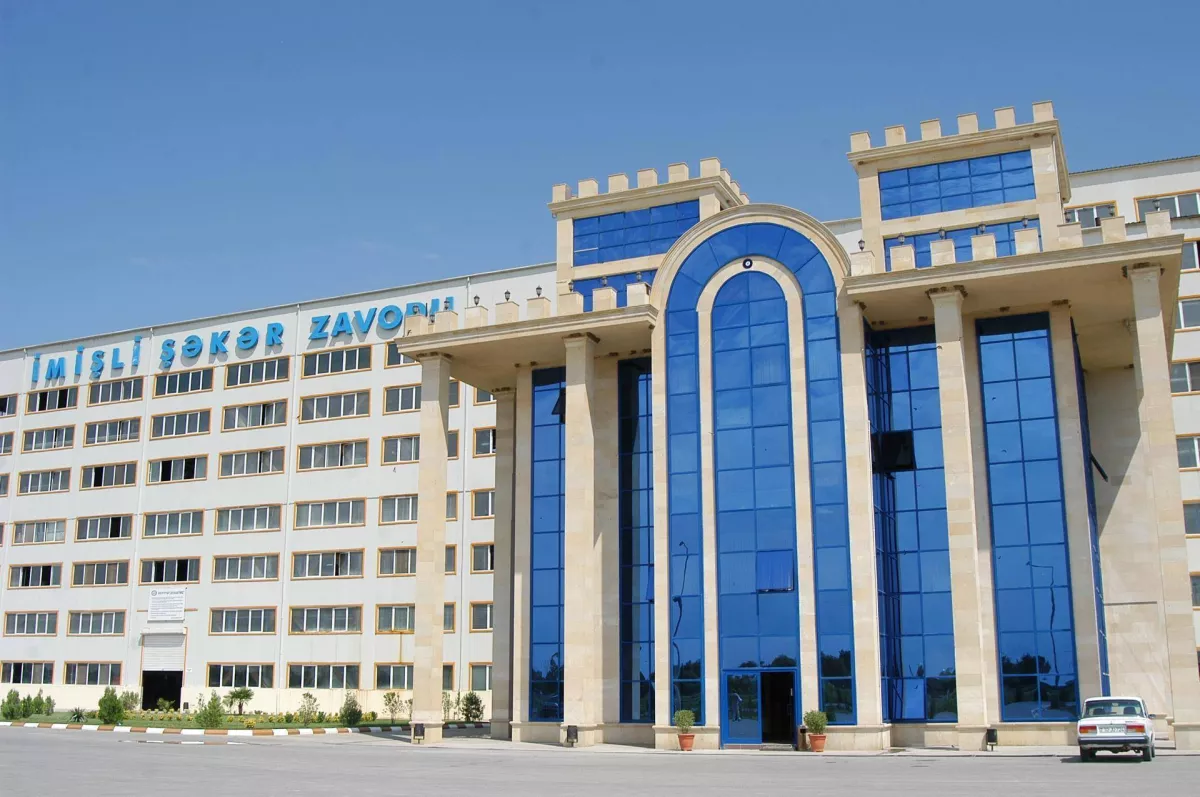
It is worth recalling that Azerbaijan had no domestic sugar production during the Soviet era. The industry was built from scratch after independence. In March 2006, the Imishli Sugar Plant, operated by the Azersheker Production Association and established with investment from Azersun Holding, was commissioned. It became the largest sugar-processing facility of its kind in the South Caucasus.
The plant initially had an annual production capacity of 60,000 tonnes, but this was soon expanded to its designed capacity of 300,000 tonnes. Today, its modernised facilities can produce up to 550,000 tonnes of a wide range of finished products, including granulated, powdered, cube and pressed sugar.
The plant also operates on a zero-waste production model. Beet pulp and molasses are processed into livestock feed, ethanol and other by-products, helping maximise the value of the raw materials.
Beyond its industrial role, the facility has an important social and economic impact, providing employment for thousands of people both in Imishli and in more than 20 districts across Azerbaijan where the raw materials are cultivated.
Incentives for farmers and an expanding raw-material base
To strengthen the security of its raw-material supply, Azersun Holding has for years provided comprehensive support to local farmers, supplying high-yield seeds, fertilisers and specialised agricultural machinery. During the 2023/24 agricultural season, the company increased the purchase price for a tonne of sugar beet. Over the past two years, a differentiated subsidy system has also been introduced to encourage farmers to adopt modern irrigation systems.
Government support has also played a key role. Under a new preferential financing mechanism, the state subsidises up to 19% of the annual interest rate on crop loans for farmers growing annual crops, including sugar beet. The Agricultural Credit and Development Agency (AKİA) covers the interest on short-term loans of up to one year used to purchase seeds, fertilisers and pesticides and to finance agricultural operations.
The measures are already producing tangible results. This year, the area planted with sugar beet increased to 8,000 hectares, from 6,500 hectares a year earlier. In the near term, the target is to expand cultivation to 9,000–10,000 hectares and extend sugar beet production to as many as 30 districts.
The broader goal is to double sugar beet production and gradually increase annual output to 800,000 tonnes, further strengthening Azerbaijan’s position as a regional sugar producer and exporter.
The focus is on foreign markets
Azerbaijan’s annual domestic demand for sugar, including household consumption and use by the food-processing industry, is estimated at 250,000–260,000 tonnes. According to the FAO classification, Azerbaijan is a medium-level sugar consumer, with annual per capita consumption averaging around 27 kg. By comparison, the global average is 22 kg, while consumption stands at 33 kg in the United States and 34 kg in Russia.
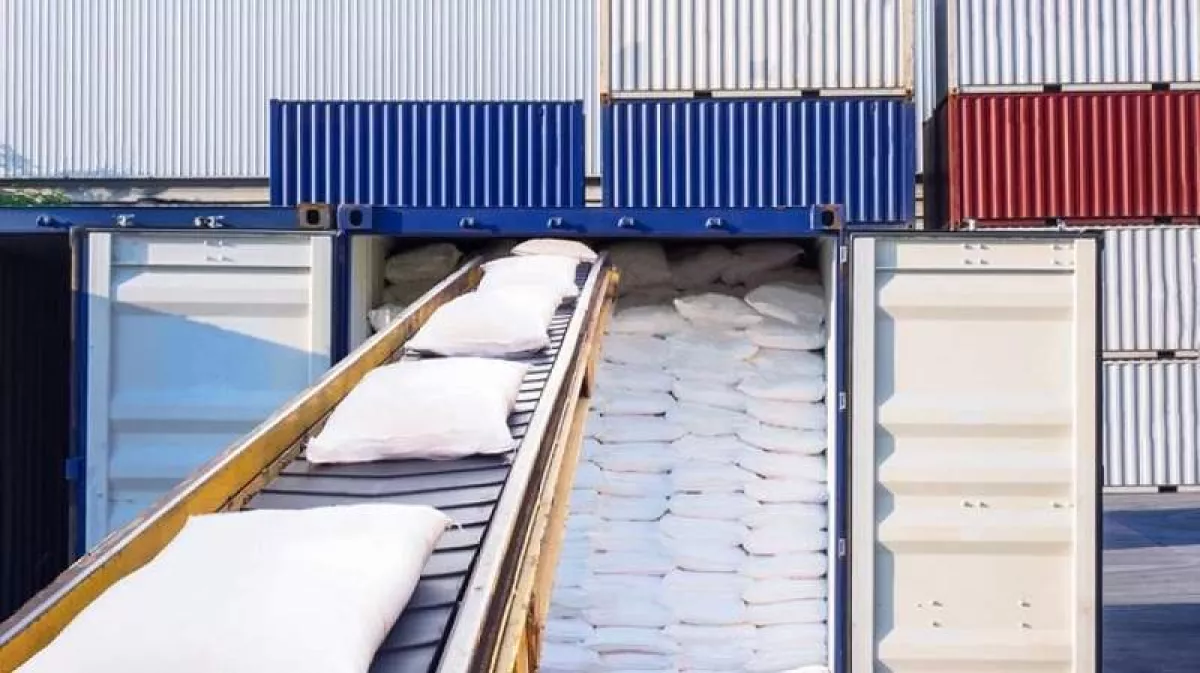
Given the significant volume of imported confectionery products, a sharp increase in domestic demand for refined sugar is unlikely. As a result, the ambitious programme to expand sugar beet cultivation and processing capacity has been geared toward export markets from the outset.
The expectation is that, in the near future, roughly half of all sugar and sugar products manufactured in Azerbaijan will be destined for foreign markets.







 editor@caliber.az
 +994 55 444-88-98
 Азербайджан, Баку, ул. Низами, 203, Af Business House, 5-й этаж