










How Baku and Tbilisi’s interests converge in the Pacific islands Article by Vladimir Tskhvediani
A delegation from the Georgian Ministry of Foreign Affairs, led by Deputy Foreign Minister Alexander Khvtisiashvili, participated as a special guest in the 55th meeting of the Pacific Islands Forum (PIF) leaders. The annual gathering focused on sustainable development, regional security and climate change. During the visit, the Georgian delegation also held bilateral meetings with PIF Secretary General Baron Waqa, Palau President Surangel Whipps Jr., and Nauru President David Adeang.
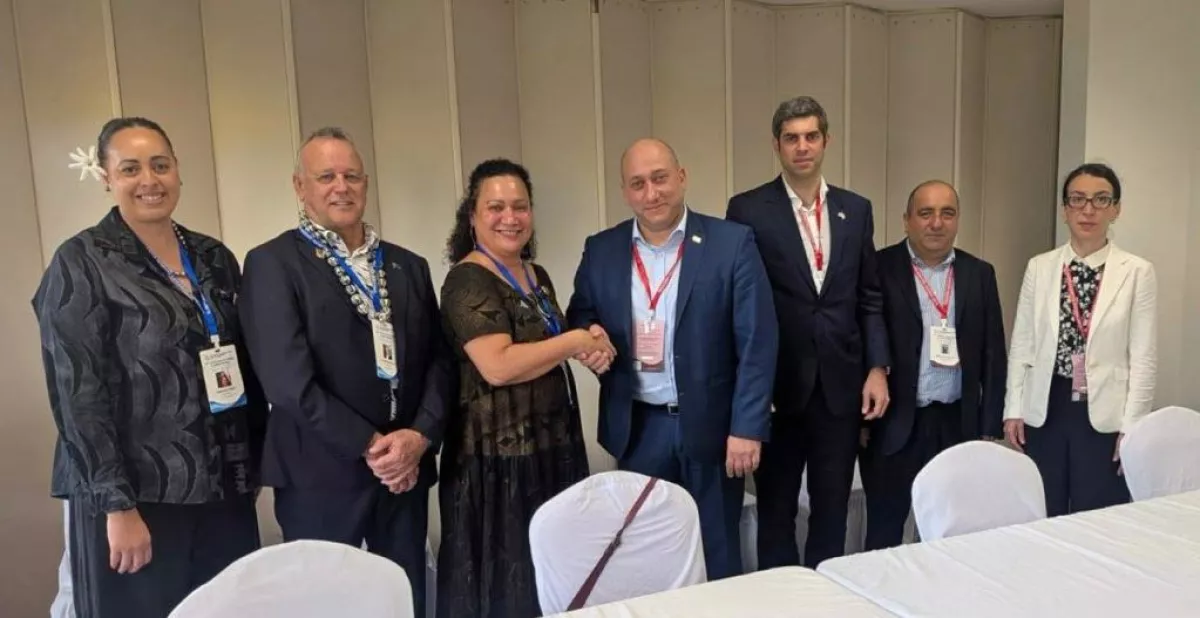
For Georgia, participation in the forum is particularly significant. Just a few years ago, Tuvalu, Vanuatu and Nauru recognised the so-called “independence” of Abkhazia and South Ossetia, the separatist entities in Georgia’s occupied territories. All three countries subsequently reversed those decisions and reaffirmed their recognition of Georgia’s territorial integrity. Today, Tbilisi continues to strengthen ties with Pacific island states while seeking new areas for cooperation.
Georgia’s interest in the region remains strong, while new areas of shared interest have also emerged. These include issues of mutual concern to Georgia and the small Pacific island states, such as environmental protection, the rehabilitation of land affected by mineral extraction — a particularly serious challenge in Nauru — and the development of international tourism.
Geopolitically, the Pacific region, or Oceania, remains highly complex, in part because of the enduring legacy of colonialism. This is particularly evident in the cases of France’s overseas territories of New Caledonia and French Polynesia, whose political status remains contested and continues to fuel movements seeking greater autonomy. Both territories have been full members of the Pacific Islands Forum since 2016.
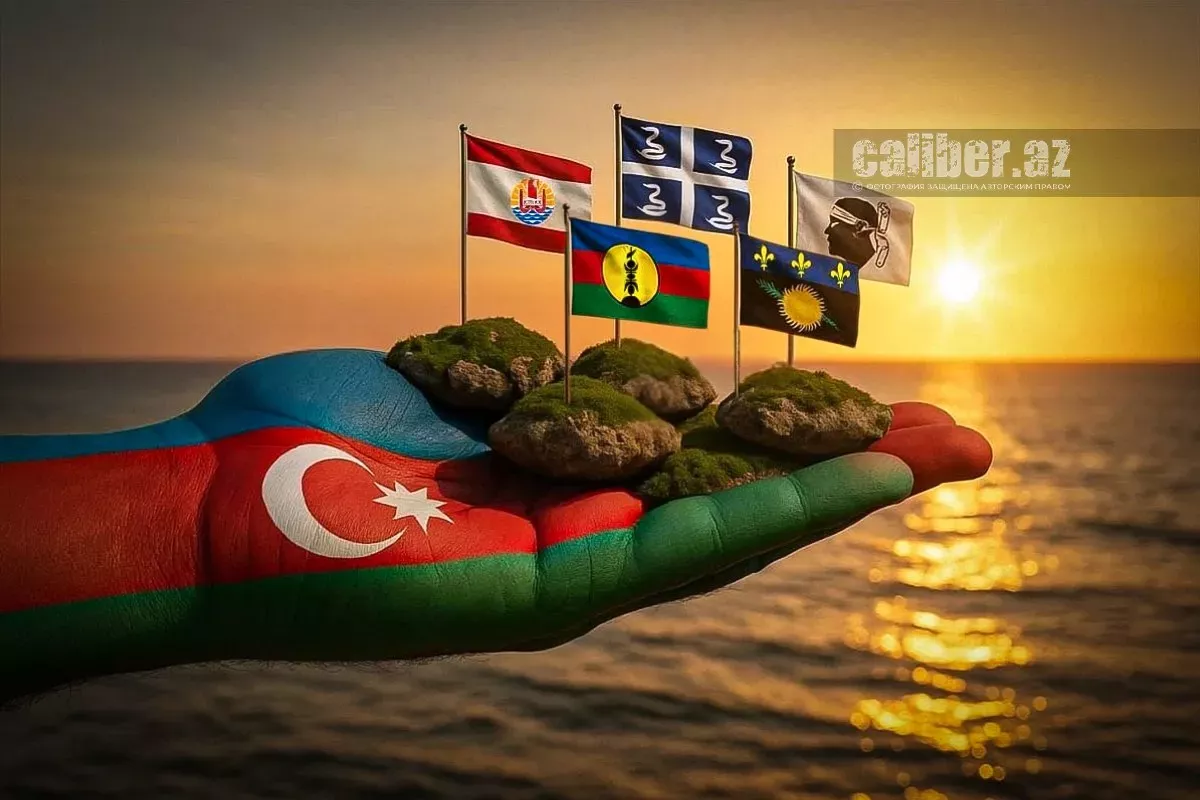
Support for the struggle of Pacific island peoples for independence and against colonialism has been consistently provided by Georgia’s closest neighbour, Azerbaijan. Back in 2023, during the conference “Towards the Complete Elimination of Colonialism” in Baku, representatives of movements advocating independence for French overseas territories, including New Caledonia and French Polynesia, established the Baku Initiative Group (BIG) to support their struggle for liberation from colonial rule.
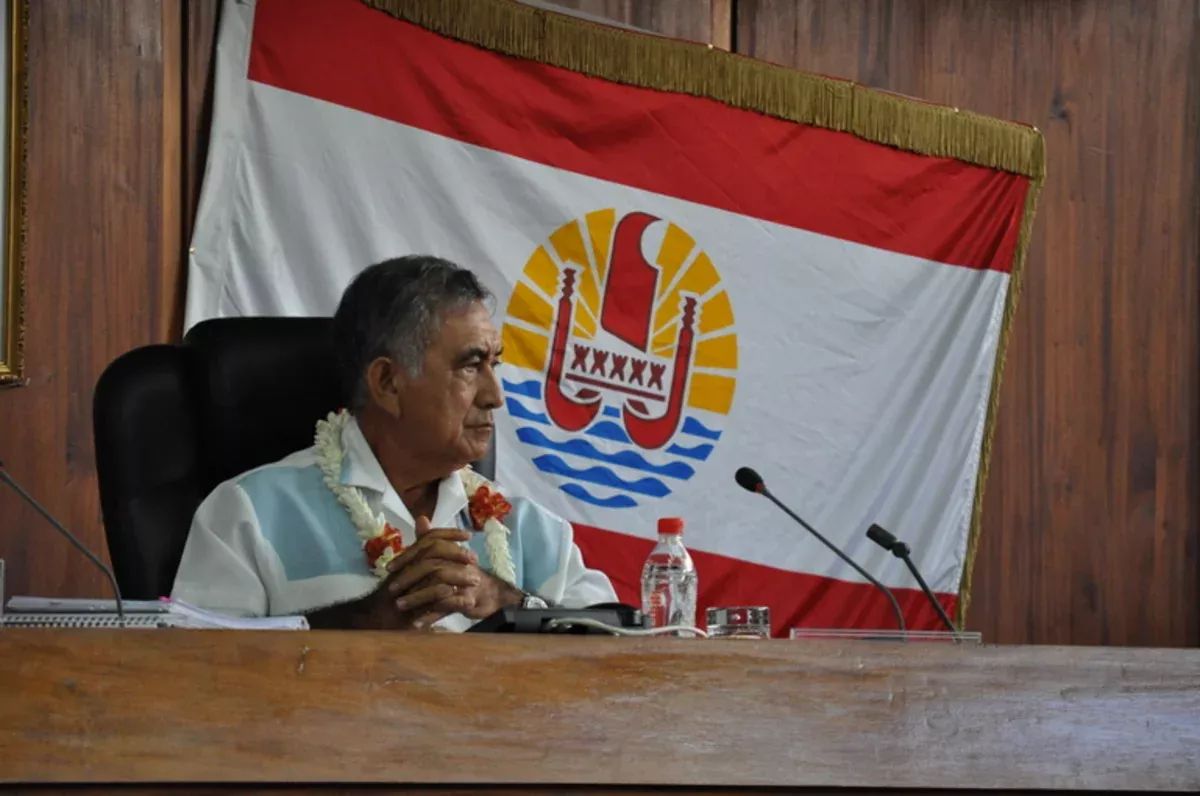
According to recent information from BIG, Oscar Temaru, leader of Tavini Huiraatira, a party advocating independence for French Polynesia—or Maohi Nui, as the indigenous people call their islands—has prepared a declaration on the full sovereignty of Maohi Nui. It is due to be presented in New York in October 2026 during meetings of the UN General Assembly’s Fourth Committee, which deals with political affairs and decolonisation.
New Caledonia is also moving toward greater self-government, with Azerbaijan and the Baku Initiative Group providing support at the international level. The situation on the islands sharply deteriorated in May 2024 after Paris initiated an electoral reform. The indigenous Kanak people opposed the changes, arguing that they could strengthen the political influence of French settlers and undermine the prospects for independence.
In 2025, a compromise agreement was reached to establish the “State of New Caledonia.” At the same time, the territory retains its status as a French overseas possession with a special political system. The question of its final status remains open, while supporters of independence continue to push for full sovereignty.
The Baku Initiative Group and Azerbaijan support the Kanak independence movements and help promote their position on the international stage. If it achieves full sovereignty, New Caledonia—or Kanaky, as it is known by its indigenous inhabitants—could develop mutually beneficial cooperation with Azerbaijan as well as with countries friendly to Baku. Thus, in the future, Georgia and Azerbaijan could coordinate cooperation with both already independent states and new states in the Pacific region.
The neighbouring states of Oceania not only support the Kanak struggle for independence but also oppose what they view as attempts by France to revise borders and territorial arrangements in the Pacific along neocolonial lines.
According to the Baku Initiative Group, Vanuatu has taken its territorial dispute with France over Matthew and Hunter Islands to the International Court of Justice (ICJ). Vanuatu is also seeking to resolve the maritime boundary issue with French-administered New Caledonia.
Matthew and Hunter Islands, which have a combined area of approximately 1.3 square kilometres, are located in the southwestern Pacific between Vanuatu’s southern islands and New Caledonia. Their status is important for determining maritime boundaries, including territorial waters, an exclusive economic zone (EEZ) of approximately 350,000 square kilometres, and the continental shelf.
The forces advocating independence for New Caledonia support Vanuatu’s position, which was set out in the Keamu Accord between the Vanuatu government and the Kanak Socialist National Liberation Front (FLNKS). In May 2026, FLNKS leader Christian Tein reaffirmed the movement’s support for Vanuatu’s position.
For Vanuatu, consistently upholding the principle of territorial integrity is important not only in its dispute with France but also in matters concerning the territorial status of other countries. This makes Vanuatu’s decision to withdraw its recognition of the so-called “independence” of the separatist entities in Georgia particularly significant.
Had Vanuatu maintained that recognition, its foreign policy could have faced a clear inconsistency: it would be difficult for the country to defend its own territorial integrity while simultaneously supporting changes to the territorial status of another country against that country’s position. By reversing its earlier decision, Vanuatu has brought its position on Georgia more closely into line with its broader principle of respect for territorial integrity.
By Vladimir Tskhvediani, Georgia, exclusively for Caliber.Az







 editor@caliber.az
 +994 55 444-88-98
 Азербайджан, Баку, ул. Низами, 203, Af Business House, 5-й этаж