










"Where Seas Meet Corridors": Georgia’s ports face surging demand Analysis by Vladimir Tskhvediani
The Georgian International Maritime Forum (GIMF 2026), held in Batumi on September 7–8, 2026, was aptly titled “Where Seas Meet Corridors”, with particular attention focused on the growing importance of the Middle Corridor. Opening the forum, Georgian Prime Minister Irakli Kobakhidze said freight traffic along the Middle Corridor could triple by 2030, while transit times could be cut in half.
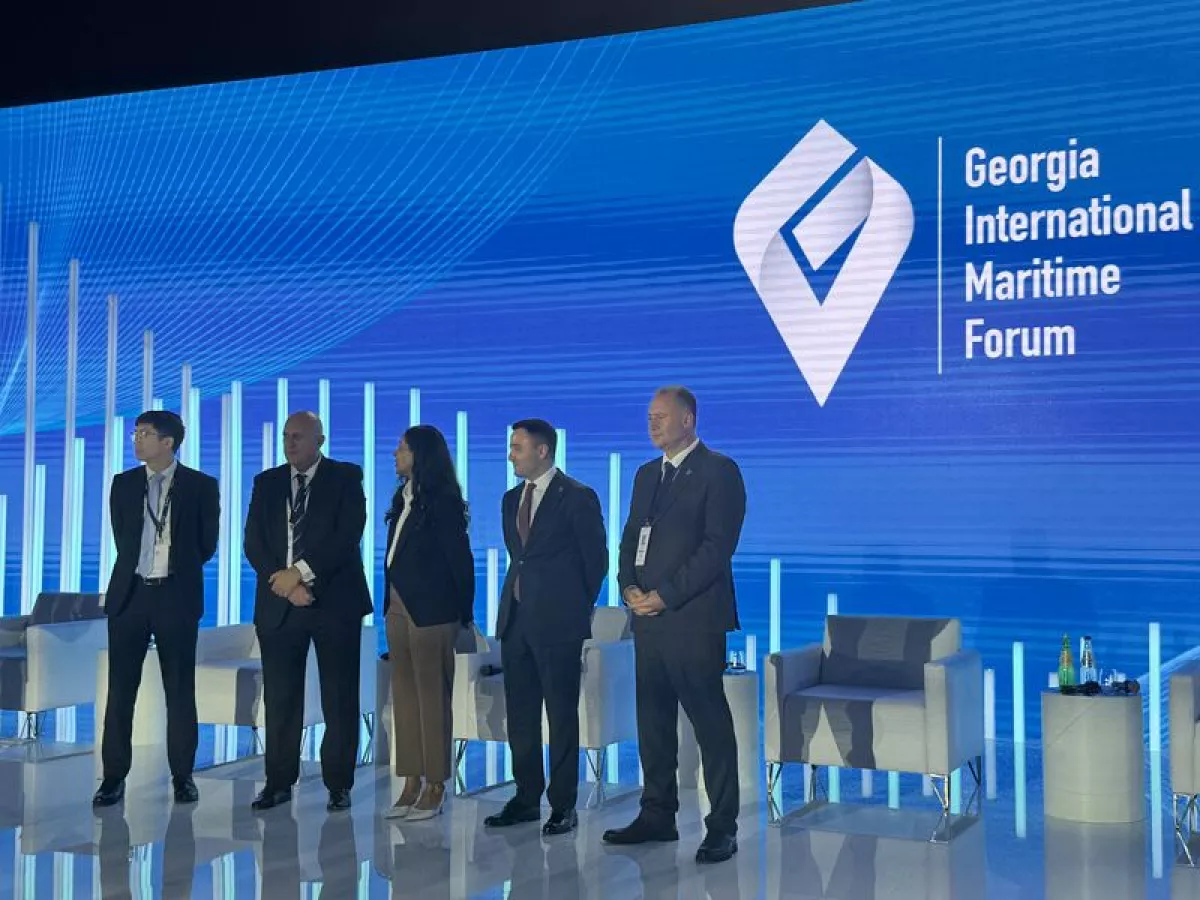
The government plans to mobilise around $7 billion by 2032 to develop Georgia’s transit infrastructure. It has also approved a ten-year strategy for modernising the country’s transport and logistics network, with the aim of doubling the capacity of its ports and railway lines by 2036.
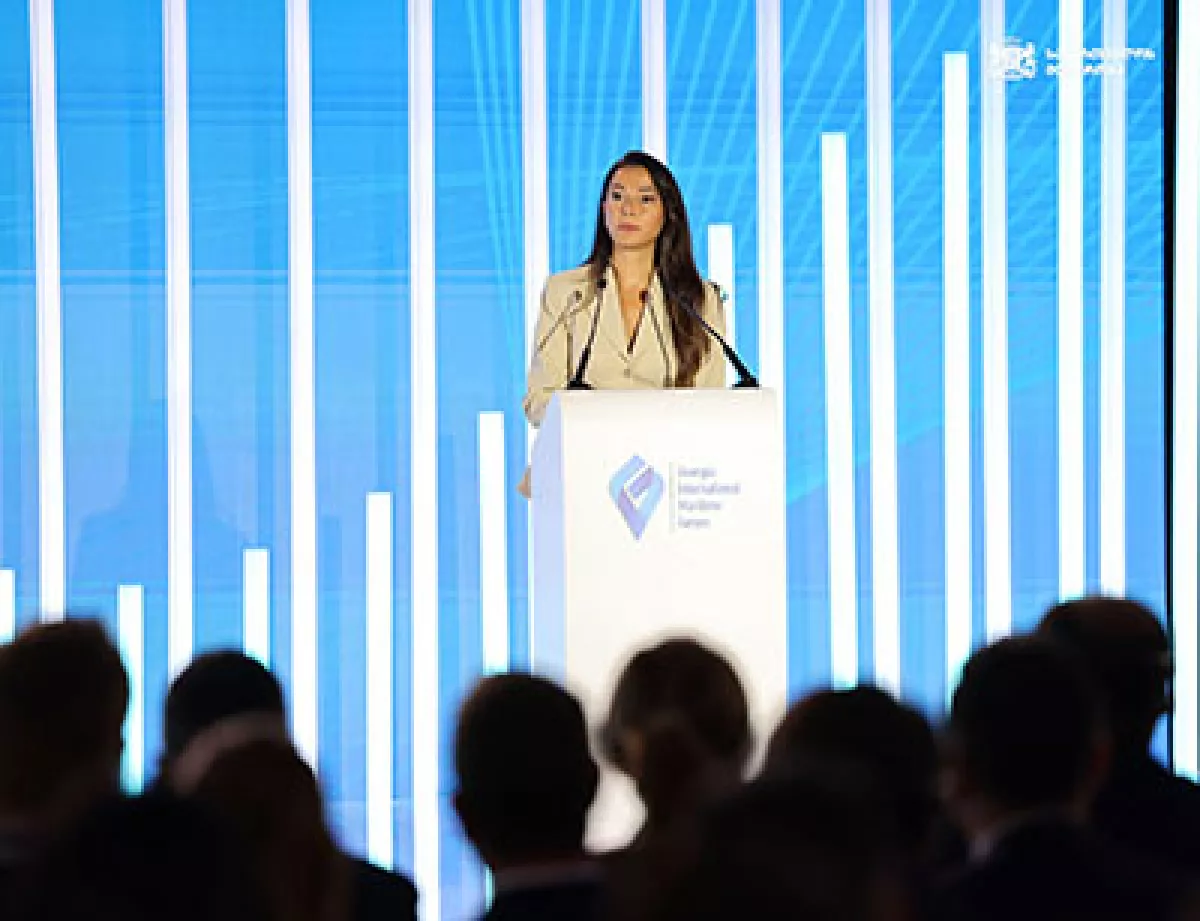
The development of Georgia’s transit infrastructure, including its seaports, was also addressed by Economy Minister Mariam Kvrivishvili. She said the country’s seaports and terminals handled 13.7 million tonnes of cargo in the first eight months of 2026 — 24% more than in the same period last year and the highest figure recorded over the past decade.
Kvrivishvili also outlined progress in the modernisation of Georgia’s railway network. The modernisation programme was completed in 2025, after which a large-scale renewal of rolling stock began. As a result, transit times through Georgia have been halved, the duration of border procedures has been reduced 7.5-fold, and the time required to service vessels at the country’s ports has fallen from 24 hours to just one hour following the introduction of a “single-window” system.
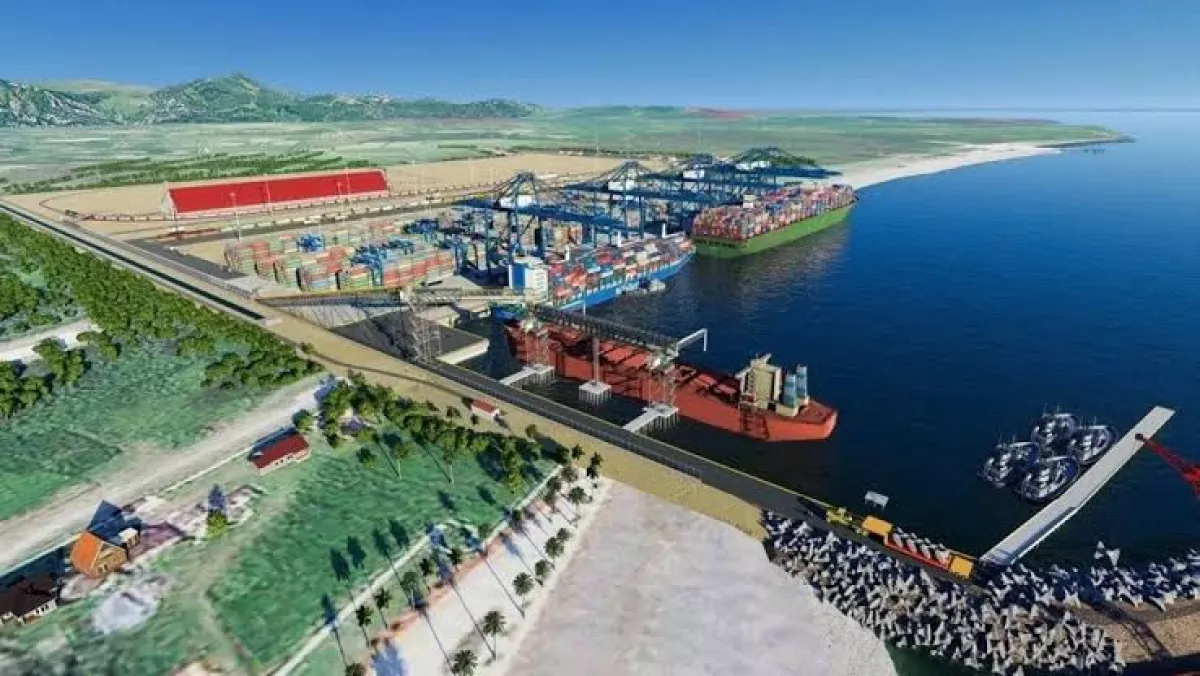
Particular attention at the Georgian International Maritime Forum was devoted to the construction of the Anaklia deep-sea port. It was emphasised that the port will be developed under the Landlord Port model, under which the state provides the core strategic infrastructure, while private companies are responsible for building and operating the terminals.
The development of the Middle Corridor and the use of Georgia’s transit and port infrastructure as “the shortest and safest route to the sea” are becoming increasingly important for the rapidly developing economies of Central Asia.
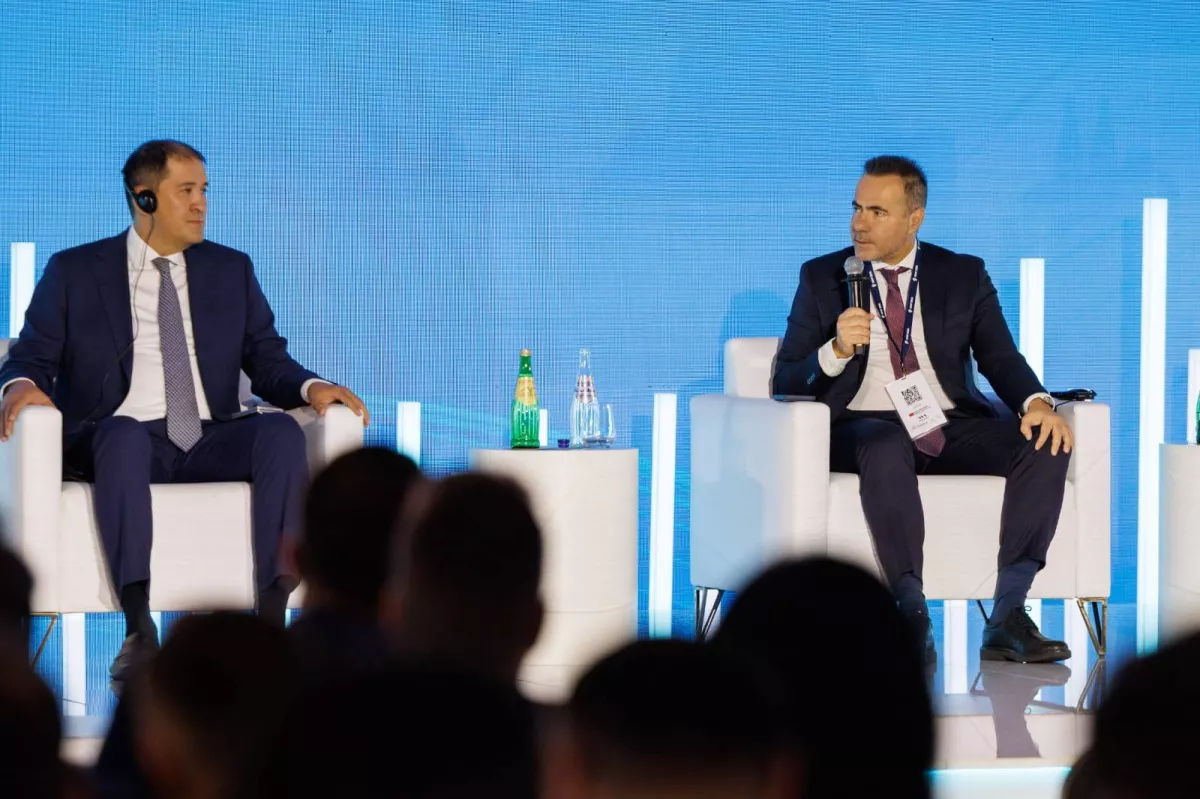
Speaking at the forum, Kazakhstan’s Vice Minister of Transport Zhanibek Taizhanov highlighted the strong momentum behind the development of the Middle Corridor. He said that in the first eight months of this year, cargo volumes along the Trans-Caspian International Transport Route (TITR) increased by 22%, while transit shipments along the East–West route rose by 55%.
The importance of transit through Georgia for Kazakhstan and other Central Asian countries has also increased as traditional maritime routes in the Black Sea region have been disrupted by the continuing Russian-Ukrainian war. This vulnerability was underscored immediately after the Batumi forum ended, when a major Ukrainian drone attack targeted Novorossiysk on the night of September 9, 2026. The Russian port is one of the country’s main maritime gateways on the Black Sea.
Against this backdrop, Georgia’s seaports are increasingly serving as a kind of “insurance policy” against a further escalation of military risks in the Black Sea region. For Central Asian exporters, access to alternative routes is becoming more important as disruptions to established trade and shipping corridors persist.
One of the most pressing examples is grain exports through Black Sea ports. The war and attacks on port infrastructure have complicated grain shipments not only for Ukraine and Russia but also for Kazakhstan, adding to pressures on global food markets.
Grain logistics are therefore being redirected towards routes considered relatively safer. Ukraine is moving grain by land through its western borders. Russia, meanwhile, is shifting some grain flows from the Black Sea towards the Baltic, although the threat of drone attacks remains there as well, with ports already coming under attack. However, such rerouting does not fully resolve the problem.

Last season, 46.3 million tonnes of Russian grain passed through the Black Sea, accounting for around 90% of the country’s total maritime grain exports. By comparison, Russian Baltic ports handled only about 1 million tonnes.
Applications for rail shipments of grain to Russian Baltic ports have now reached 5 million tonnes, while the combined annual capacity of Russia’s Baltic grain terminals is estimated at just 7 million tonnes. Accommodating additional grain from Kazakhstan is therefore already proving difficult. This helps explain the growing interest in the grain terminal at Georgia’s Port of Poti, despite its relatively modest capacity of 0.5 million tonnes per year.
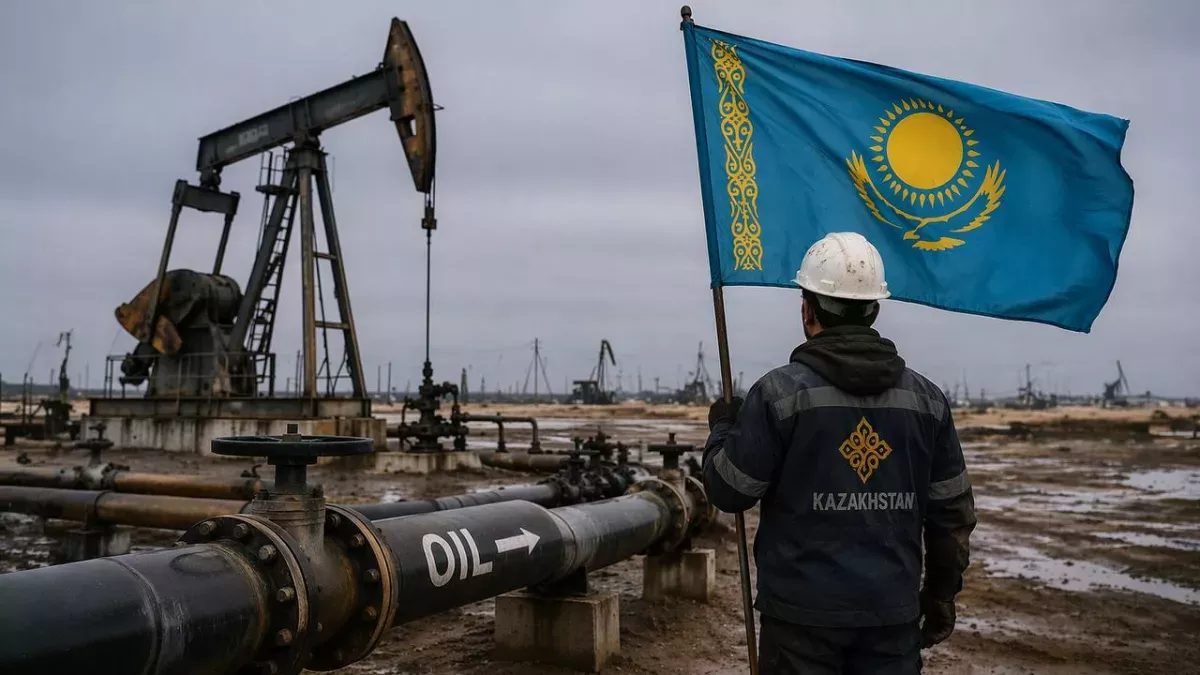
Kazakhstan has also faced difficulties exporting oil through Russia amid drone strikes. As a result, the Baku–Supsa oil pipeline, also known as the Western Route Export Pipeline, and the oil terminal at Georgia’s Supsa Port are being considered as potential routes for exporting Kazakh oil while bypassing Russia. Their capacity, however, is also limited to around 5.2 million tonnes per year.
A similar situation is emerging with other types of cargo, including container shipments. In the past, cargo bound for Central Asian countries was transported through Russian Black Sea ports, including Novorossiysk. With these routes increasingly exposed to disruption, alternative corridors are now being sought. This has sharply increased interest in the Middle Corridor’s transit infrastructure and accelerated calls for the rapid commissioning of the Anaklia deep-sea port.
The Georgian International Maritime Forum has been held since 2016, but the development of Georgia’s ports and the maritime connections they provide has never been as relevant as it is today. Until recently, many experts considered the capacity of Georgia’s seaports and terminals “excessive” for a country of its size. That assessment is now changing. The question is no longer whether Georgia needs additional capacity, but how quickly it can expand that capacity and establish itself as a fully fledged alternative to traditional transit routes.
By Vladimir Tskhvediani, Georgia, exclusively for Caliber.Az







 editor@caliber.az
 +994 55 444-88-98
 Азербайджан, Баку, ул. Низами, 203, Af Business House, 5-й этаж