










Ukraine’s corruption scandals A growing threat to Western aid
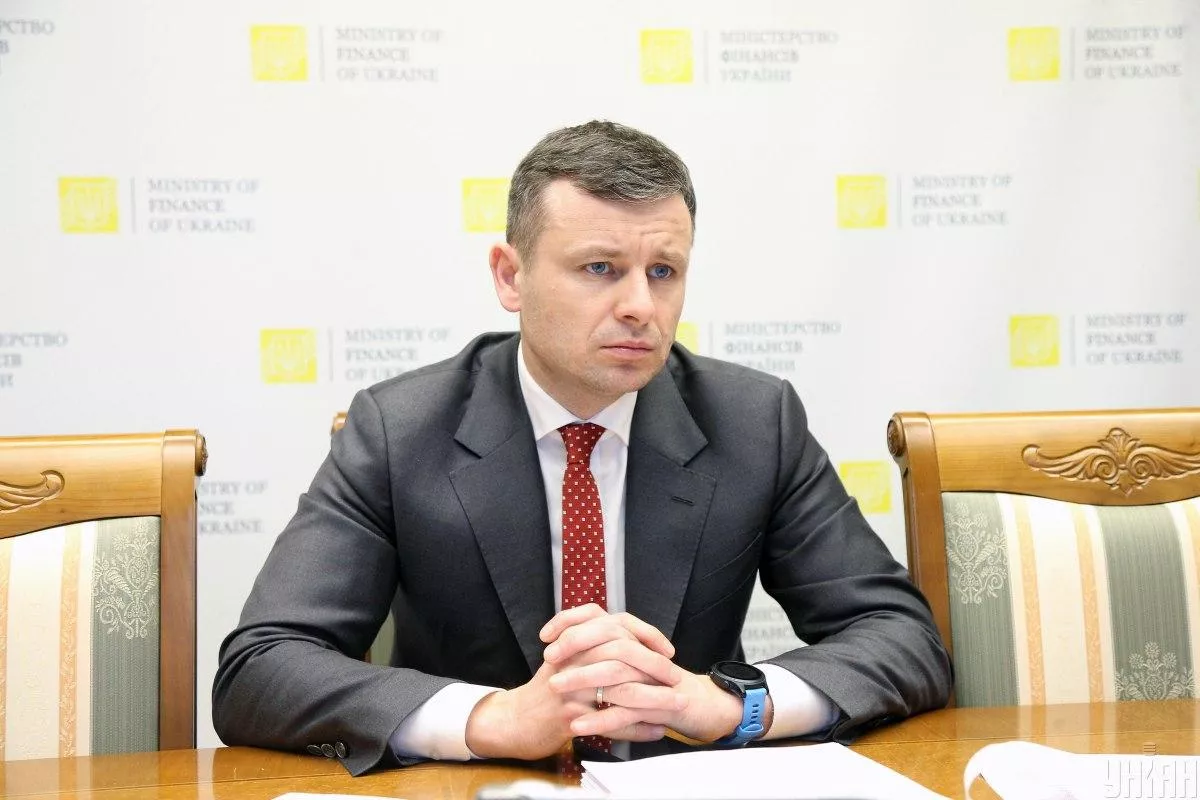
I will begin this article by recalling the high-profile statement made several days ago by Ukrainian Finance Minister Serhii Marchenko in an interview with Euronews. According to him, Ukraine’s 2027 budget has a $32.6 billion funding gap — essentially the country’s annual external financing requirement.
“We haven't had a situation like this since 2022; we really suffered from the shortage of liquidity. Right now, we are getting far too near to the same scenario we had in 2022,” Marchenko stressed, adding that without EU assistance, non-military spending would have to be cut.
Earlier, Ukrainian lawmaker Vasyl Mokan of the Servant of the People party said the budget had no funds to pay military salaries through the end of the year. Service members themselves have also reported that they have yet to receive the pay increases previously announced by the government.
Ukrainian lawmaker Mykyta Poturaiev has likewise warned that the country could soon run out of money to pay its defenders. In his assessment, Ukraine could even find itself on the brink of bankruptcy unless urgent measures are taken.
Against this backdrop, Finance Minister Marchenko urged his European counterparts to take a “creative” approach to finding solutions and consider a new Ukrainian plan for using roughly $300 billion in frozen Russian assets — a proposal the EU rejected in December 2025 in favor of jointly financing a €90 billion loan.
Belgian Foreign Minister Maxime Prévot, however, has already said that his country has no intention of changing its position on the matter. Belgium continues to oppose a mechanism that would effectively amount to confiscating those assets.
But the troubling news for Kyiv did not end there. French presidential candidate and leader of the far-right National Rally party Marine Le Pen has confirmed her intention to end support for Ukraine if she wins. Earlier, the party’s vice president, Louis Aliot, outlined these plans in an interview with BFMTV:
“The healthcare system, the education system, the entire economy – everyone is on the verge of exhaustion, yet they still find money to continue financing weapons (...) but who pays for all this?”
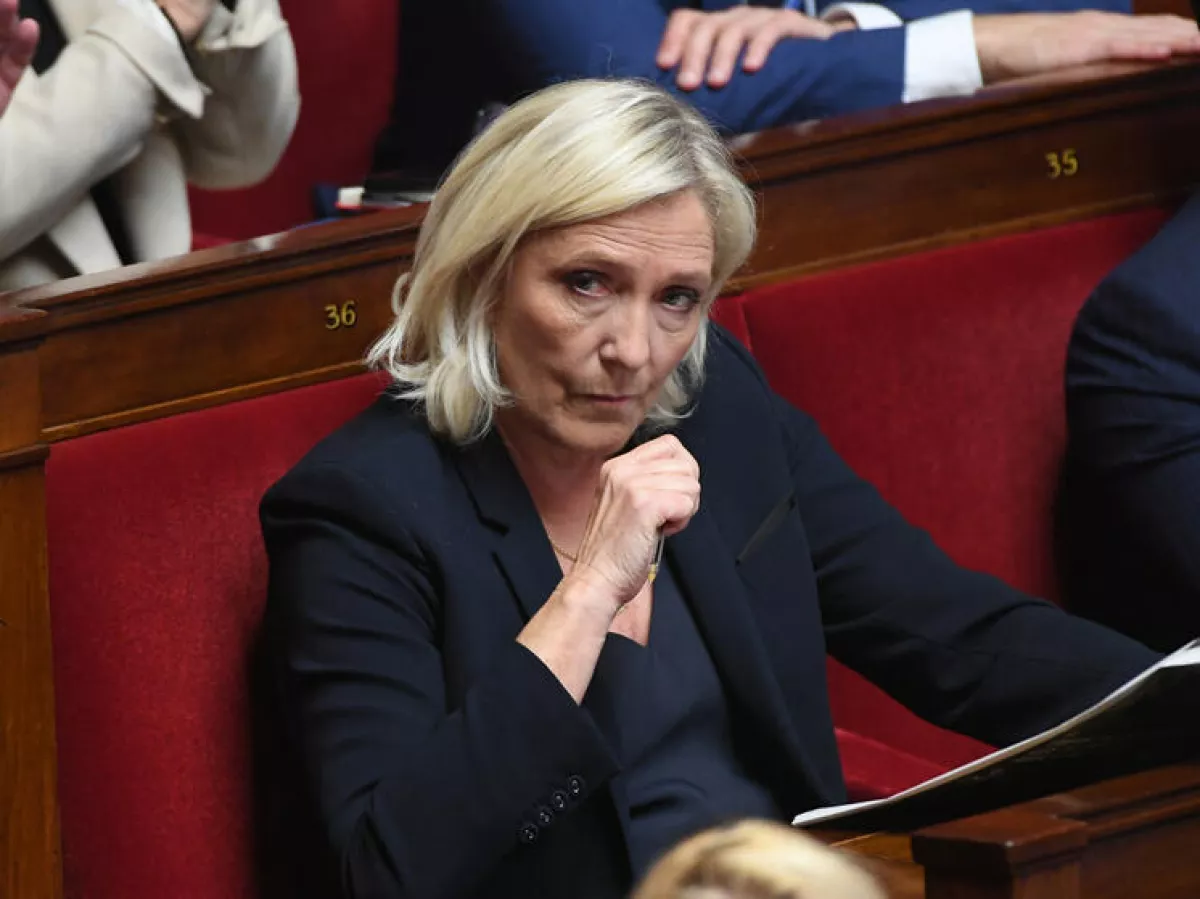
The French presidential election will be held next April, and Le Pen’s chances of winning are quite high. According to opinion polls, between 34% and 35.5% of voters are prepared to support her in the first round, depending on the scenario — a figure that would be more than enough to put her in a strong position.
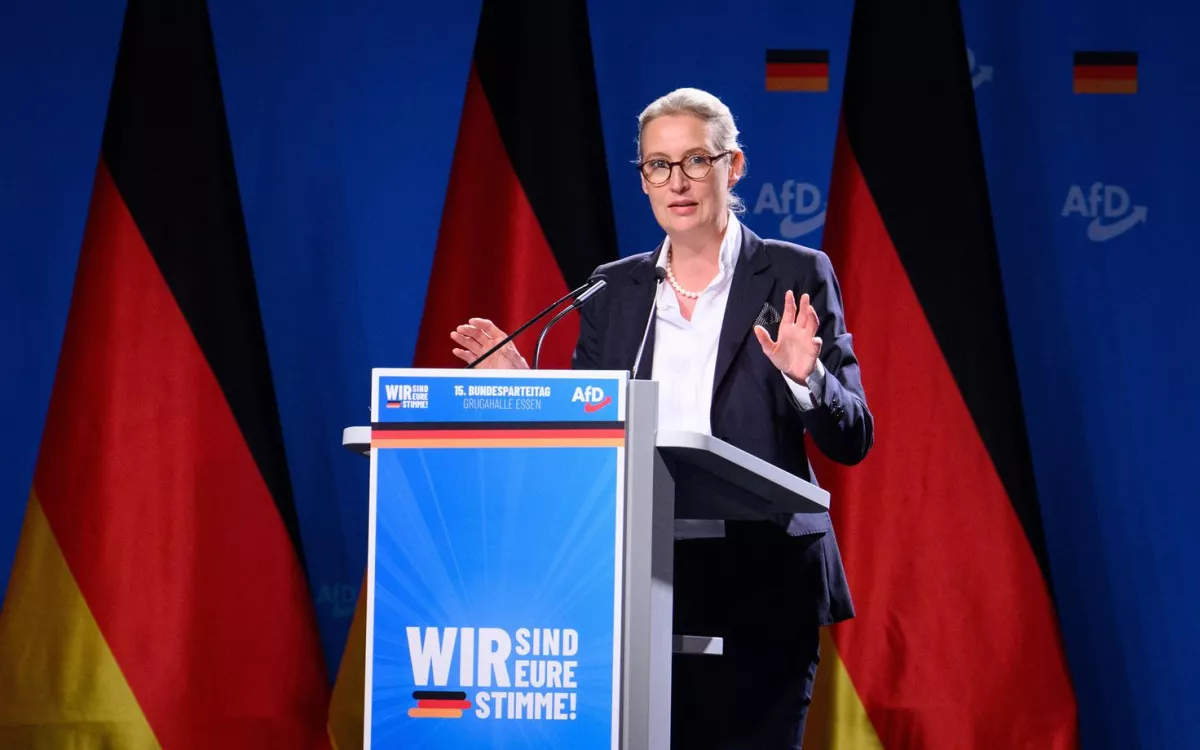
Meanwhile, the Alternative for Germany (AfD) came first in elections in the German state of Saxony-Anhalt, bringing the far-right party closer than ever to taking power at the state level for the first time since World War II, Reuters reports. According to an exit poll by ARD, the AfD won 44.4% of the vote, while Chancellor Friedrich Merz’s conservatives were far behind at 18.3%. The centre-left Social Democrats and the Greens, meanwhile, managed to clear the minimum threshold for entering the state parliament.
As vote counting continues, it remains unclear whether the AfD has secured enough support to win an absolute majority in the state parliament. In any case, what has happened is a catastrophe for Ukraine. The Alternative for Germany supports an effective end to German military assistance to Ukraine. In January 2026, for example, the AfD parliamentary group in the Bundestag introduced a motion calling for an end to all forms of support for Ukraine that, in its words, prolong the war, while maintaining humanitarian assistance. Since then, its position on the issue has only hardened.
It is not difficult to imagine the consequences if France were to turn off the financial tap and Germany were to halt its weapons supplies. More troubling still, however, is that developments within Ukraine itself are giving European politicians who advocate ending active support for Kyiv a formal basis for strengthening their case — even as the country has been waging a full-scale war against Russia for more than four and a half years.
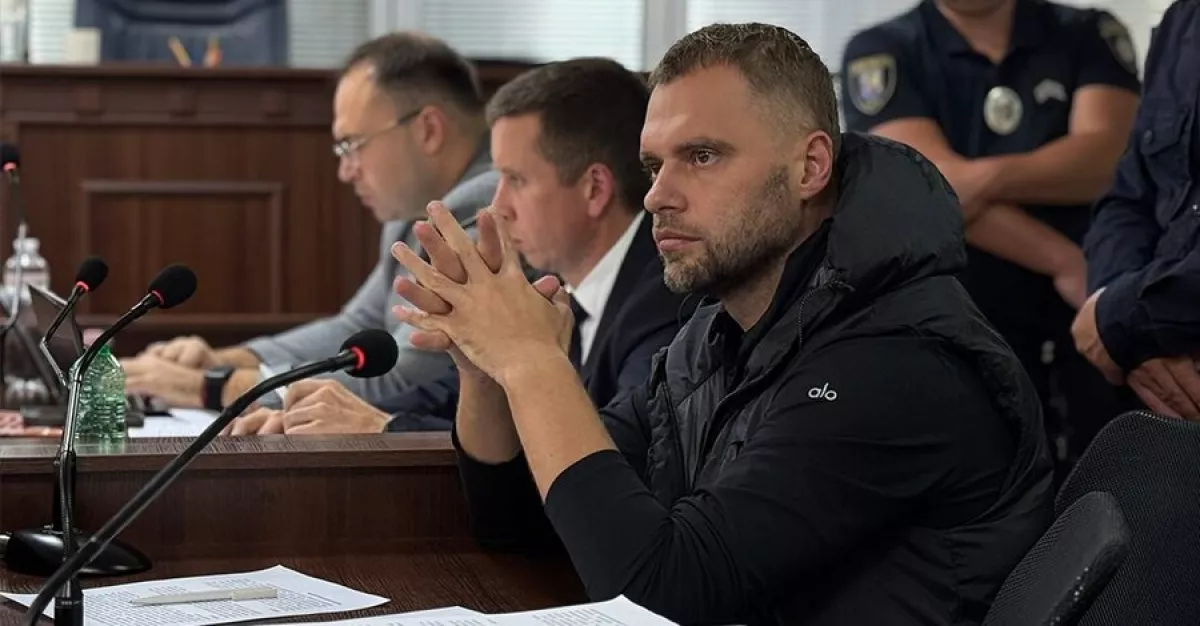
Just recently, Ukraine’s National Anti-Corruption Bureau (NABU) and Specialised Anti-Corruption Prosecutor’s Office (SAPO) uncovered an alleged criminal organisation operating within the Office of the Prosecutor General (OPG). According to investigators, the group allegedly provided protection to a network of fraudulent call centres and laundered the proceeds they generated. The main suspect in the case is Serhii Kropyva, a deputy head of a department at the OPG.
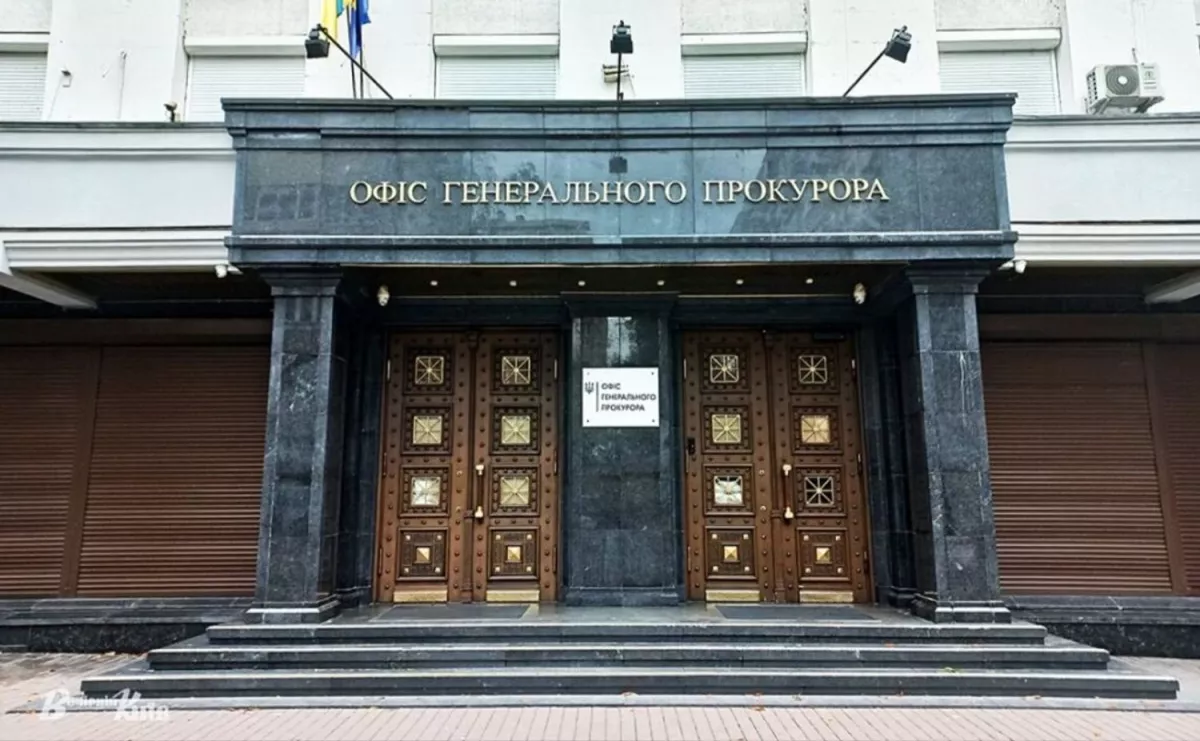
The suspects were charged under Articles 255 (creating, leading, or participating in a criminal organisation) and 209 (legalisation of property obtained through criminal means) of Ukraine’s Criminal Code. The investigation is ongoing, and the circle of those allegedly involved is expanding. It has already been established that, in exchange for providing protection to the “offices” that defrauded both Ukrainians and foreigners, the suspects regularly received substantial bribes.
The illicit proceeds were laundered through several channels: more than 20 million hryvnias were spent on real estate, jewellery, and luxury cars; another 12 million-plus hryvnias were transferred to nominees, including through the purchase of property in a popular apartment complex in the Carpathians; while a further 10 million hryvnias were distributed among relatives’ bank accounts and disguised as legitimate business income.
In addition to Kropyva, the investigation materials name other participants under revealing aliases: “Chancellor” (the group’s leader), “Muse” (a close associate), “Kamrat” (the driver), and “Flash” (an assistant). Moreover, in a video released by NABU, one of the detainees refers to his “boss,” whose patronymic is Andriyovych. Ukrainian media were quick to point out that the country’s current Prosecutor General is Ruslan Andriyovych Kravchenko.
It soon emerged that Serhii Kropyva may have overseen renovation work at the Prosecutor General’s home, helped arrange a US visa for his wife, and even organised Kravchenko’s birthday celebration in Madrid. The SAPO believes these circumstances point to an informal, friendly relationship, which is why investigators regard Kropyva as the Prosecutor General’s “trusted associate.”
At the same time, photographs of safes stuffed with bundles of US dollars, allegedly found inside the OPG building itself, were leaked to the media. The Ukrainian public was also given access to audio recordings from the case dubbed “Carthage.”
“I simply can’t do it this way, just going to work for the sake of going to work... Living just for the sake of living... If you’re going to do something, then go all in — boom. I like the best: if you’re going to love, love a queen; if you’re going to steal, steal a million,” says the voice of “Chancellor” on the recordings. The alias is believed to belong to a senior official at the Office of the Prosecutor General.
Unfortunately, such high-profile corruption scandals involving government officials have become a grim tradition in Ukraine. One example is the “Midas” case — a large-scale kickback and money-laundering scheme at Energoatom linked to the entourage of Timur Mindich. It was followed by the “Forrest Gump” case — an alleged attempt to launder around 150 million hryvnias to provide bail for a suspect in the “Midas” case. Among those accused was former Deputy Head of the Office of the President Iryna Mudra, along with a number of influential businesspeople and politicians. Investigators are also examining the possible use of Sense Bank and alleged political influence exerted over it.
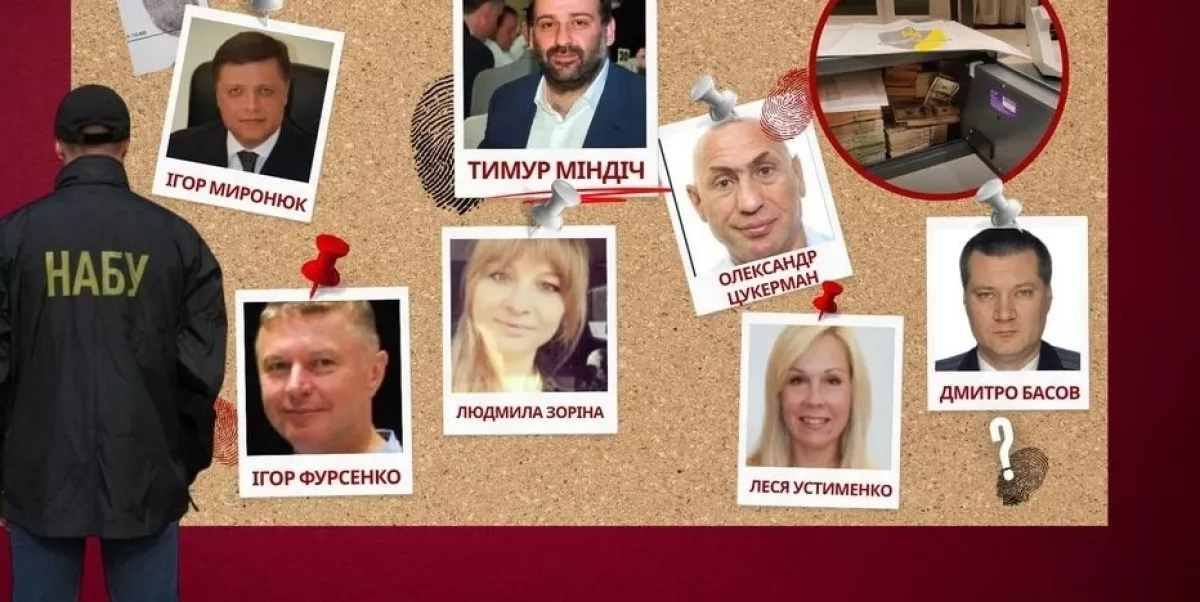
And now we have the “Carthage” corruption case. Ukrainian experts are already openly joking that those implicated in high-profile corruption scandals seem to prefer operating precisely when President Volodymyr Zelenskyy is on foreign trips.
But jokes aside, such developments hurt not merely Zelenskyy’s reputation, but Ukraine as a whole. Information about them spreads around the world almost instantly, including to the very countries providing Kyiv with massive financial and military support. It is becoming increasingly difficult for the governments of those countries to explain what is happening to their own citizens, while voices opposing further assistance to Ukraine are growing louder and more persuasive by the day.







 editor@caliber.az
 +994 55 444-88-98
 Азербайджан, Баку, ул. Низами, 203, Af Business House, 5-й этаж