










Is AI making us forget how to think? Reflections by Teymur Atayev
Eighty British actors and singers have called on the government to introduce legislation restricting the use of human voices by artificial intelligence. They are proposing that every citizen be granted legal property rights over their own voice, enabling people to protect themselves against unauthorised AI cloning.

The development is a sign of how AI could soon begin replacing actors, singers and other creative professionals — much as automation has already transformed the manufacturing sector.
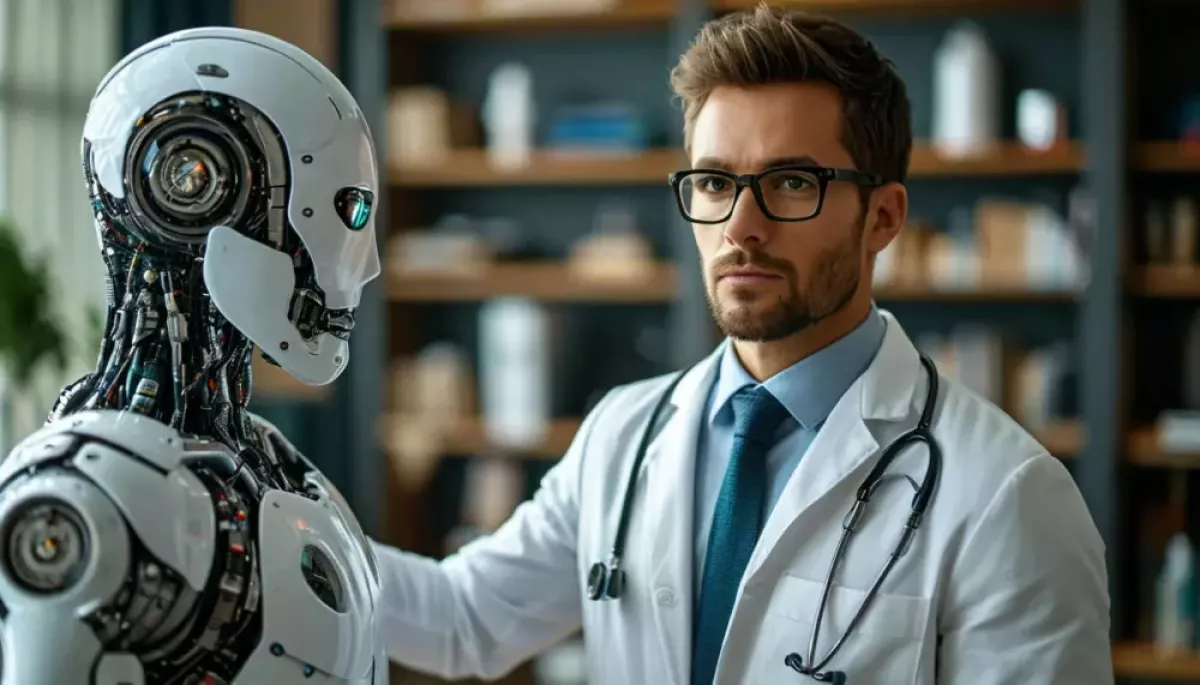
In a sense, this was inevitable. Yet the implications of AI extend far beyond culture and the arts. According to several sources, AI-generated “doctors” on YouTube have become a global business, primarily targeting older audiences.
An investigation found that, for example, 29 Portuguese-language channels featuring AI-generated “doctors” had collectively attracted at least 70 million views. The operators behind such channels in different parts of the world see older viewers as a particularly profitable audience. Their reasoning is straightforward: older people may have more time to watch online videos and, in many cases, the financial means to purchase the products being promoted.

At the same time, another dimension of AI development is emerging. In a joint statement signed by representatives of companies including OpenAI, Anthropic, Amazon Web Services, and Microsoft, the signatories warn that increasingly powerful AI systems could dramatically expand the scale of cyberattacks in the coming months, potentially putting critical infrastructure, businesses, and national security at risk. The statement specifically emphasises the need to protect hospitals, water-supply systems, and other essential services.
That said, some experts do not rule out the possibility that such warnings may also be motivated, at least in part, by the commercial interests of companies seeking to sell cybersecurity solutions. Nevertheless, whatever the motives behind the statement, the broader picture emerging as AI continues to advance is increasingly troubling.
With the mass adoption of ChatGPT and the rapid expansion of AI into virtually every area of life, the very nature of everyday human existence is beginning to change. AI is gradually becoming embedded in human communication, personal relationships, and decision-making. Yet people do not always realise that, in the process, they may be losing something far more fundamental: direct human warmth and genuine human connection.
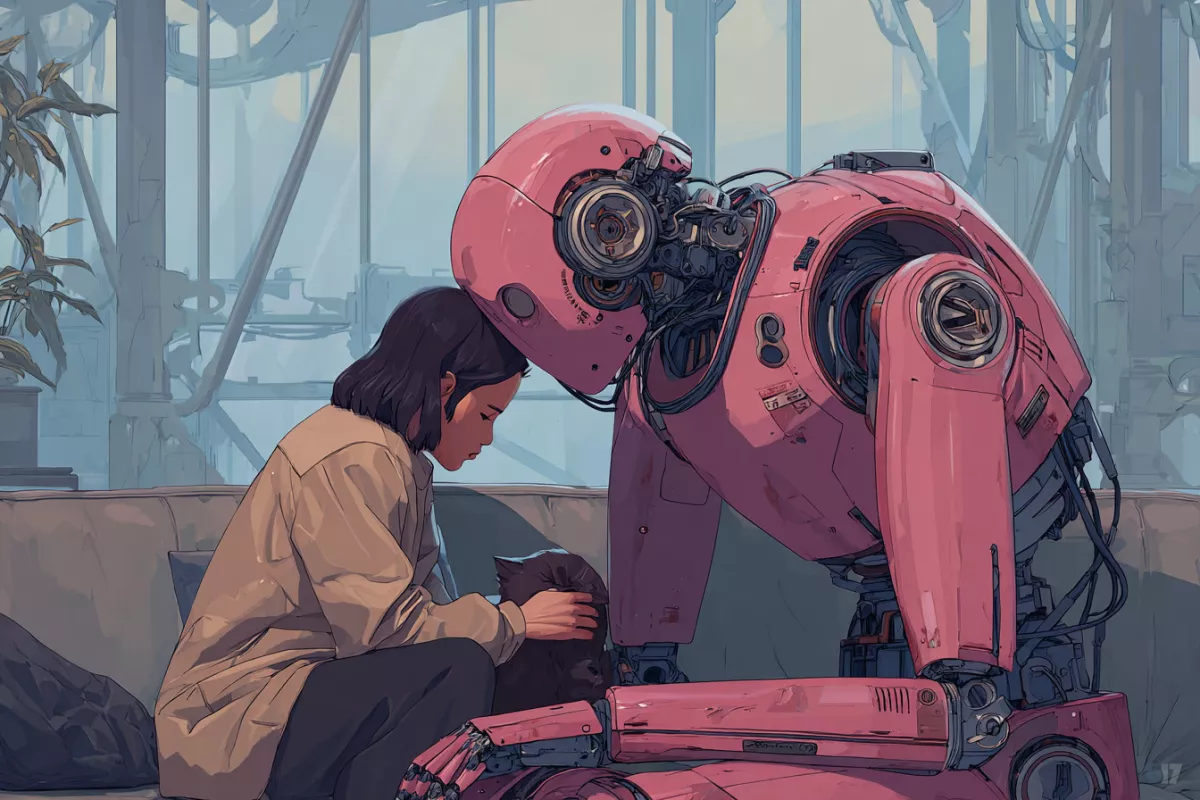
Moreover, for many people, AI is gradually becoming something akin to a family member. It offers support, responds to their emotional state, encourages their aspirations, and creates an atmosphere of trust. And this phenomenon is by no means limited to those who are lonely. Through its unobtrusive and reassuring style of communication, AI can create a sense of intimacy and emotional closeness for almost any user.
The real problem, however, arises when AI begins to think on people’s behalf — if one may put it that way — gradually reducing their need to reason for themselves. AI guides people and offers advice, including on deeply personal matters. Over time, trust in the technology can become so strong that its information and recommendations are no longer critically examined or independently verified. This creates a genuine risk of dependency, precisely because the interaction is so seamless, comfortable, and supportive.
What has been described above is by no means imaginary. These trends are increasingly evident in publicly available sources. As a result, people may gradually begin to feel that they no longer need to think, reason, analyse, or find solutions for themselves. After all, they already have a “friend,” “partner,” or “closest ally” at their side — one that appears to do all of this for them and, as they may come to believe, entirely for their own benefit.
If that happens, the famous words of French philosopher René Descartes — “I think, therefore I am” (Cogito ergo sum) — risk being pushed to the margins of everyday life. A paradoxical situation begins to emerge: a person may come to define their own existence through the thinking process of AI, which constantly supplies them with ideas, thoughts, and suggestions.
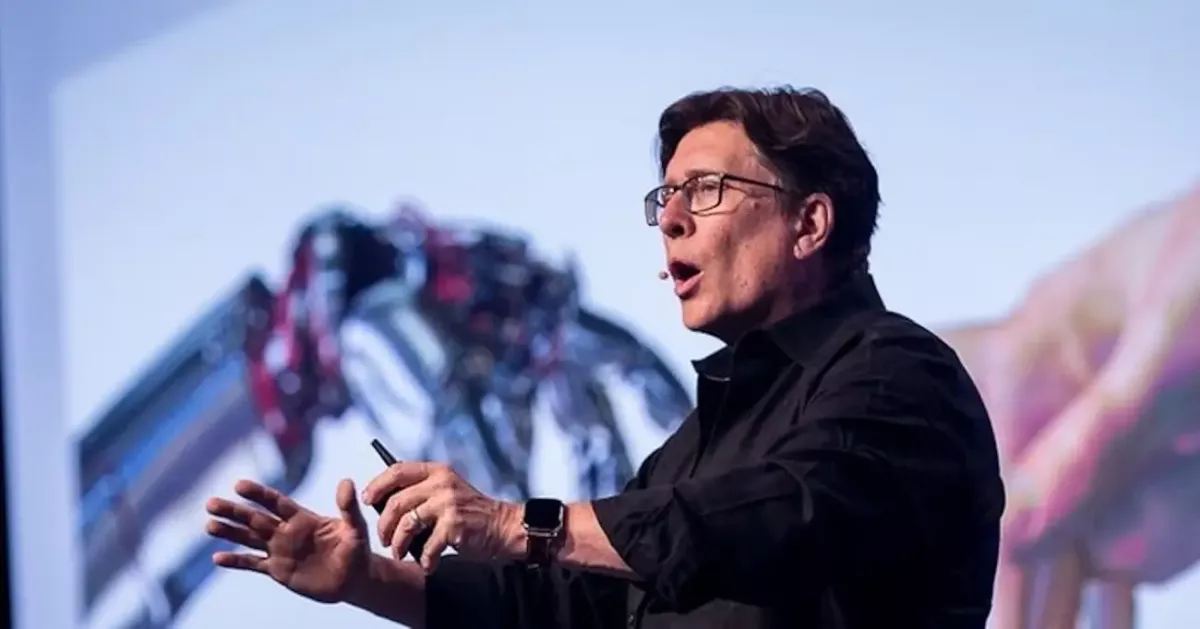
This crucial aspect of the transformation of the human social and psychological paradigm is described by innovation theorist and founder of the NostaLab think tank John Nosta as “The Great Inversion.” By this term, he refers to a fundamental shift in the traditional relationship between humans and technology: whereas people once created technologies to change the world around them, technology is now beginning to change people themselves.
For much of human history, technology was developed to transform the environment — to build faster cars, improve industrial production, or make everyday tasks more efficient. Today, however, that relationship is changing fundamentally. AI is not merely reshaping the world around us; it is increasingly influencing how people learn, solve problems, communicate, and, most importantly, think.
According to Nosta, this marks the emergence of a new “cognitive age,” in which the primary impact of technology is no longer simply physical or material, but cognitive. Technology is increasingly moving beyond changing what people do and beginning to shape how they think.
Research by Vivienne Ming, Chief Science Officer at Socos Labs, also shows that most users turn to AI to reduce their own intellectual effort, while a minority use it to think more effectively. Ming considers the most productive approach to be interacting with AI as a tool for collaborative idea generation and discussion, creating what she calls “productive friction” and helping to develop knowledge and skills.
Nosta, for his part, speaks of “iterative intelligence” — an interaction between humans and technology capable of driving progress. Therefore, in his view, AI should be regarded not simply as a means of delivering information quickly, but as a thinking partner.
Ultimately, the question is whether humans will retain their role as the primary source of ideas and solutions or gradually hand that function over to artificial intelligence. The answer depends above all on the individual.







 editor@caliber.az
 +994 55 444-88-98
 Азербайджан, Баку, ул. Низами, 203, Af Business House, 5-й этаж