










Germany’s far-right surge: What’s driving it? Analysis by Shereshevskiy
The far-right Alternative for Germany (AfD) party won Sunday’s election in the state of Saxony-Anhalt, securing 43.8% of the vote. Another anti-immigration party, the Sahra Wagenknecht Alliance (BSW), which is generally considered left-wing, received 5.3%. It cannot be ruled out that the two parties could eventually form a regional government.
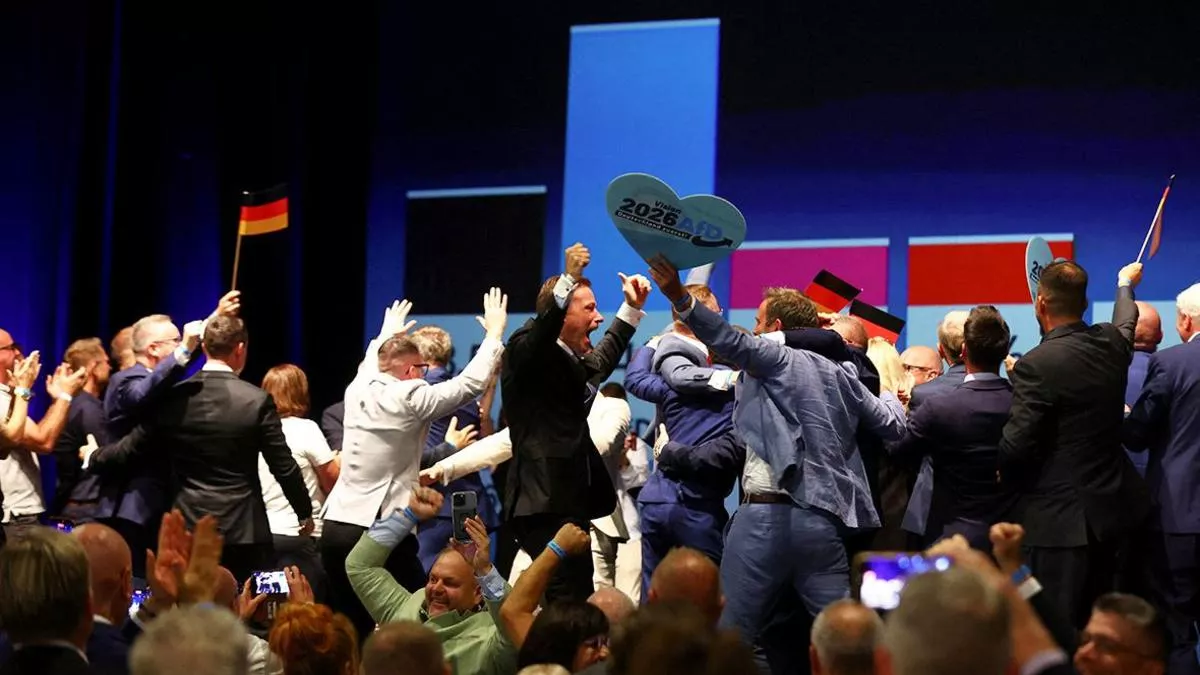
The AfD turned Saxony-Anhalt into a testing ground for new electoral strategies. Rather than following the traditional German practice of campaigning for only a few months before an election, the party spent an entire year building its presence and influence across the state. It maintained an active role in local life, organising rallies, celebrations, and meetings with residents.
The region’s particular demographic and social conditions also played a role. Around half of the population lives in conservative rural areas. At the same time, many women aged 18–29 have left the region in search of employment, creating a pronounced gender imbalance. Some observers believe this imbalance contributes to higher levels of social aggression and a greater susceptibility to radical political movements.
The far right has changed in appearance, but not necessarily in substance. The rhetoric may be less overt and the presentation more polished, but the underlying themes remain broadly familiar: xenophobia, hard-line nationalism, Islamophobia, promises of rapid improvements, and a heavy-handed approach to policing in the name of restoring order and combating chaos.
Germany’s next federal election is not due until 2029. While support for the far right remains particularly strong in eastern Germany, right-wing extremist and populist forces are gaining ground across the Western world.
This trend is, to a significant extent, a reaction to the consequences of neoliberal economic policies. Social inequality is growing, while employment is becoming increasingly precarious, with more people dependent on temporary, part-time, and insecure jobs. As a result, even when the economy as a whole grows, a substantial part of society does not feel that it is benefiting from that growth. This sense of exclusion and frustration, in turn, is creating fertile ground for radical political forces.
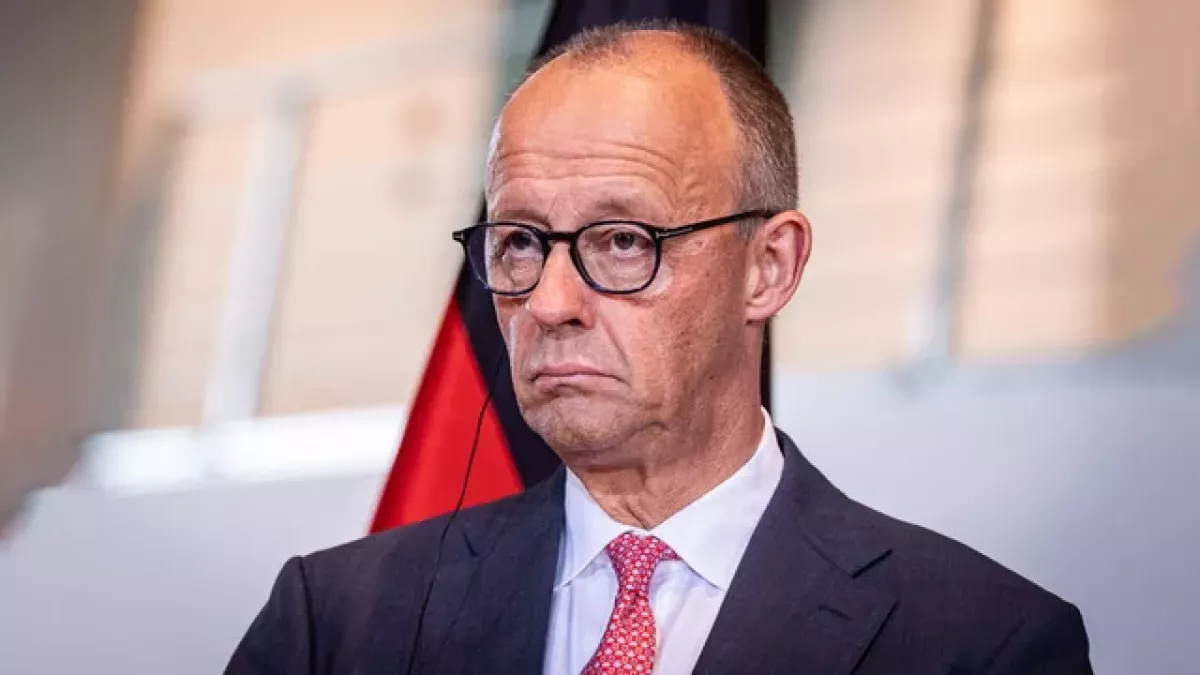
Statements by German Chancellor Friedrich Merz, who represents the Christian Democrats, may have further damaged his standing and, arguably, contributed to his coalition’s poor performance in the local elections. He urged Germans to work more, suggesting that they had become too lazy. Yet the number of people working part-time or holding additional jobs in Germany has risen to around 17 million — roughly 40% of the country’s employed population.
The reason is hardly that people enjoy juggling three insecure jobs with unpredictable schedules. Rather, it reflects the decline of the stable, well-paid employment that was characteristic of Germany’s post-war era. Trade unions have largely failed to shield workers from this trend. The growing precarization of employment is the result of policies pursued by businesses and politicians aligned with their interests, aimed at making labour more flexible and convenient for employers within the Just-in-Time economic model. This approach allows companies to reduce both labour and inventory costs.
At the same time, unemployment in Germany remains high, at nearly 6.5%. Against this backdrop, the head of government’s call for people to work more, amid rising part-time employment and persistent unemployment, can sound almost like mockery.
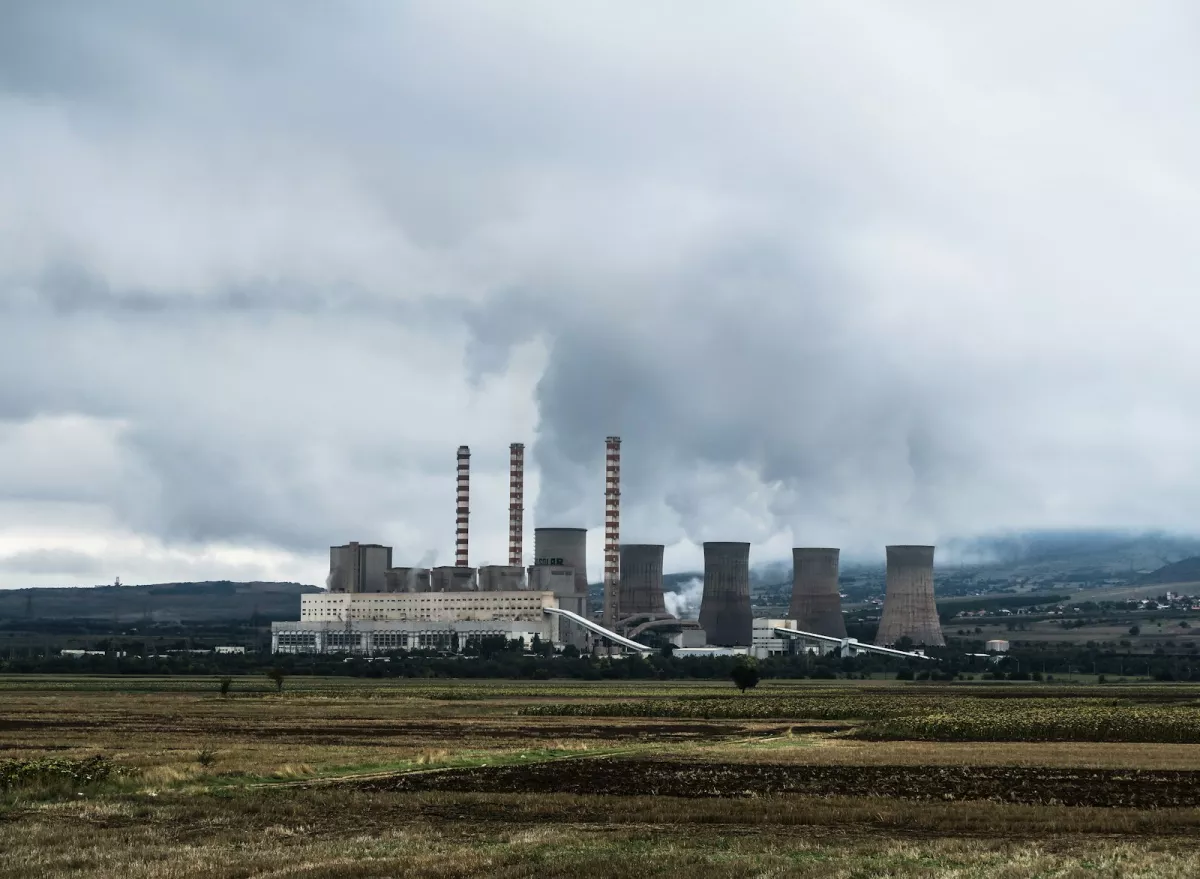
Every country has its own particular circumstances. Inequality in Germany is lower than in the United States — with a Gini coefficient of around 31 compared with 41 — but its effects are arguably felt more acutely. Unlike the United States, Germany’s economic growth has virtually stalled in recent years, hovering close to zero. There are numerous reasons for this, including energy costs.
German leaders phased out the country’s nuclear power sector, which had long been an important source of electricity. At its peak in the 1990s, nuclear power accounted for roughly one-third of Germany’s electricity generation; today, its share is zero. Meanwhile, Germany’s export-oriented industrial sector built its strength on manufacturing cars, machinery, and other goods for China and other international markets while benefiting from relatively cheap Russian hydrocarbons.
The sharp reduction in Russian energy supplies following the imposition of sanctions, combined with a transition toward more expensive renewable energy supported by German taxpayers, has pushed up energy prices and the cost of goods, contributing to economic stagnation. At the same time, Chinese manufacturers are increasingly emerging as competitors to German industry across a growing number of sectors.
The accumulation of economic problems is fueling growing support for parties that present themselves as alternatives to the established political system. Increasingly, voters appear willing to experiment with more radical options.
One of the key elements of the AfD’s programme is a call to lift anti-Russian sanctions and restore economic ties between Germany and Russia, which the party argues could provide an additional boost to the German economy. It cannot be ruled out that this position could eventually win support from Germany’s powerful industrial lobby and financial sector. In effect, German politics is heavily influenced by corporate lobbying, and major businesses could ultimately see the AfD as a party worth supporting if its policies are perceived as serving their economic interests.
At the same time, Friedrich Merz’s government is pursuing a policy of military Keynesianism, committing billions of euros to the defence industry. This could provide a temporary stimulus to industrial production and economic growth. For defence companies, maintaining the current course is clearly advantageous.
Alongside its call for restoring economic ties with Russia, the AfD advocates a Eurosceptic agenda. However, even if the party were to come to power, it is difficult to imagine Germany leaving either the European Union or the eurozone. Germany occupies a dominant position in European markets, while the single currency helps preserve its export advantage. If Germany still had its own currency, a rise in exports would tend to push up the value of that currency, making German goods more expensive abroad. Membership in the eurozone allows Germany to avoid this effect and continue expanding its exports.
A third major factor is xenophobia and anti-immigrant sentiment, which have gained increasing traction in Germany and are benefiting the AfD. Yet because Germany and much of Europe are ageing rapidly, the political establishment is likely to continue admitting large numbers of migrants in the foreseeable future. Someone has to fill the jobs needed to sustain an ageing economy. Contrary to widespread perceptions, the overwhelming majority of migrants are employed.
Around 2.4 million migrants and refugees currently receive state assistance under the Bürgergeld/Grundsicherung system. They account for roughly half of all recipients of such benefits. This is partly due to factors such as limited language skills and the time required for newcomers to integrate into the German labour market and society.
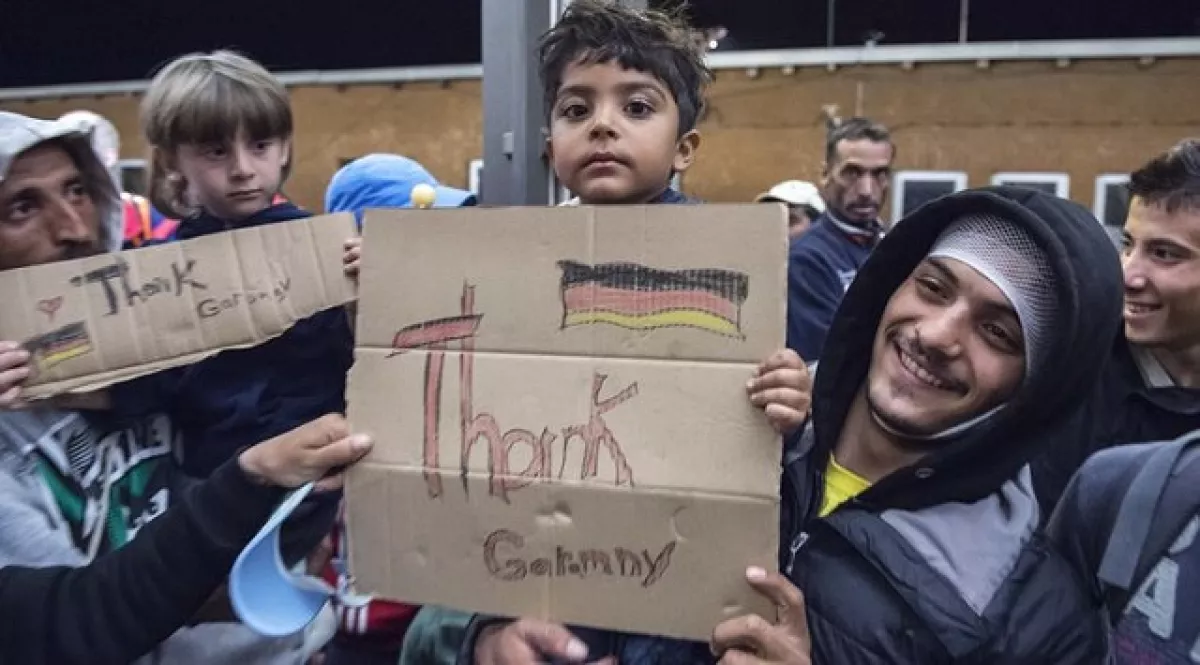
People born outside Germany — that is, first-generation immigrants — account for around 20–21% of Germany’s population, or approximately 17 million people. Those with a “migration background” (Migrationshintergrund) make up 31% of the population, meaning almost one in three residents. This category includes, among others, the children of migrants and children from mixed marriages. Thus, the notion that migrants are people living in ghettos on welfare, although such cases do exist, is nothing more than a far-right invention.
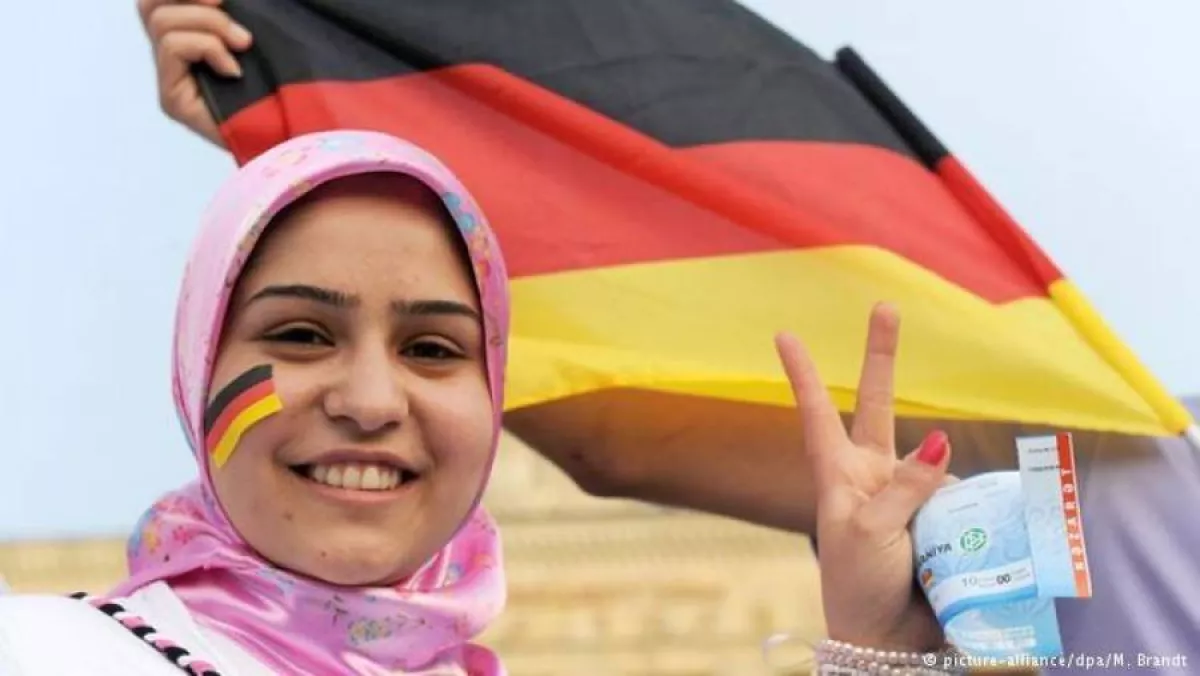
In reality, as history shows, it is impossible to stop migration processes. To the concern of many, Germany’s ethnic and demographic composition will change significantly over the course of several generations. However, migration models can vary. If the far right achieves further success in future federal elections, it will likely favour models similar to those of the UAE and Saudi Arabia, where migrant workers account for approximately 80% and 40% of the population, respectively, and constitute an absolute majority of the workforce, while being deprived of full civil and social rights. Such a model could lead to social unrest in the future.
Therefore, the demand to get rid of migrants is impossible to implement in practice. Rather, the issue may be about introducing new models of labour migration along the lines of those used in Saudi Arabia and the UAE.
The far right is most popular in eastern Germany. This is partly the result of the trauma caused by the integration of these regions into the Federal Republic of Germany after the fall of the GDR. Following reunification, thousands of factories in eastern Germany were shut down as a result of privatisation, turning millions of people into unemployed workers. More than 30 years have passed, but the divide between western and eastern Germany still persists.
The difference in average wages is 20%. Unemployment in eastern Germany stands at 8%, compared with 6% in the west, with conditions improving in the west while deteriorating in some eastern states. It is hardly surprising that many people in the east vote for forces that appear to them to be anti-establishment and opposed to Germany’s political establishment. The question is to what extent these sentiments will spread to western Germany in the future.
From 1953 to 1989, Eastern Europe was swept by anti-establishment protests by factory workers and specialists against the ruling communist parties and the state system of exploitation they had created. At the same time, while protesting against factory and land owners and the state apparatus, the demonstrators did not support capitalism.
In 1953, an uprising led by factory self-government bodies — strike committees and workers’ councils — swept across East Germany (the GDR). In 1956, similar unrest erupted in Hungary and, to a lesser extent, Poland. In 1981, 10 million Polish workers brought factories to a standstill, formed strike committees, demanded improved living conditions, and began advocating factory self-management modelled on the Hungarian workers’ councils of 1956.
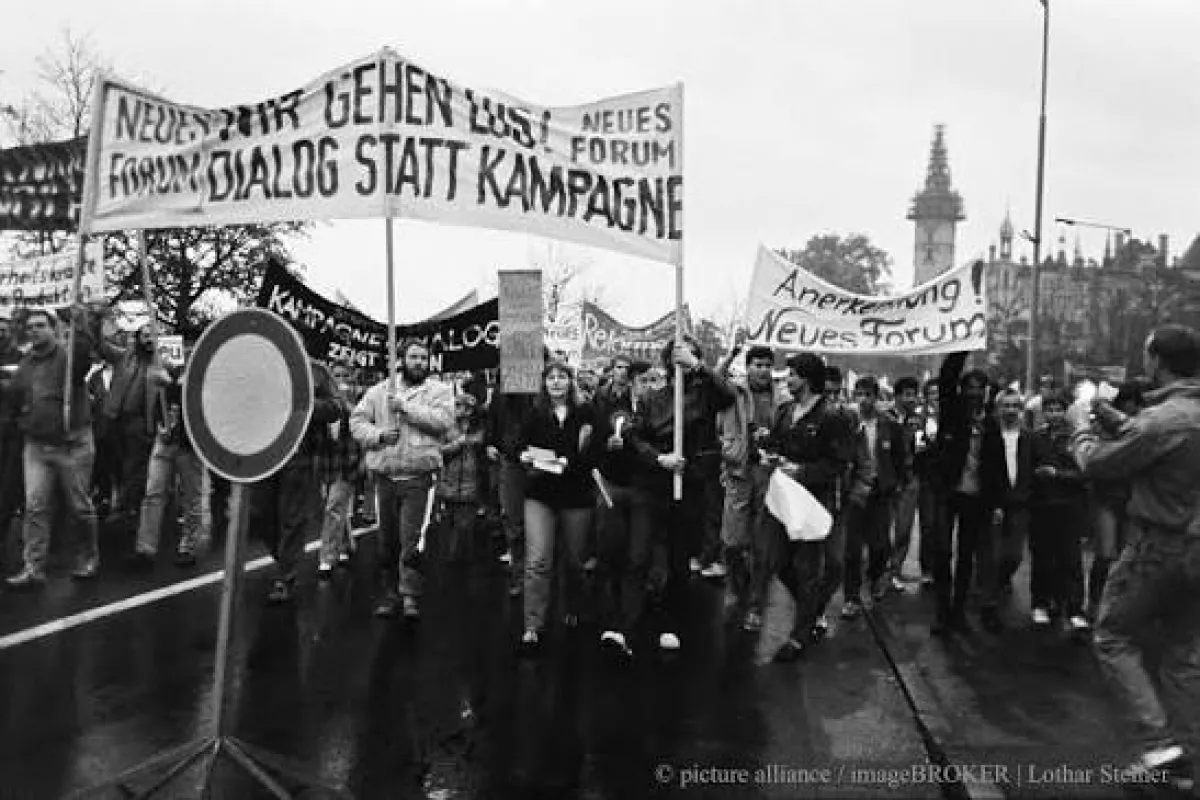
In 1989, similar events unfolded in East Germany, where the New Forum movement, which brought together up to 200,000 workers from factories and research centres, called for popular power and self-government by workers’ collectives. However, these Eastern European uprisings, reminiscent of the Kronstadt uprising of 1921, were defeated. Attempts to establish a system of self-managed socialism were suppressed.
At the end of the 1980s, the ruling elites and the majority of the population in Eastern Europe chose to move toward the West. But the illusions associated with that choice soon collapsed. Thousands of factories were privatised and shut down by Western companies to eliminate competition. Millions of people lost their jobs, their skills, and the familiar conditions of their lives, leaving them disoriented and embittered.
Having failed to resist the wave of privatisation imposed by Western economic interests, many in eastern Germany became increasingly receptive to xenophobic and far-right ideas, blaming migrants for their economic and social problems.
This resentment was compounded by a broader sense of humiliation experienced by entire regions and communities — particularly the eastern German states, which remained the poorer relatives of the western part of the country decades after reunification. Attempts by some German politicians to impose a collective sense of guilt on East Germans for the crimes of World War II appear, judging by recent developments, to have only deepened this resentment. The result has been growing support for far-right political forces.







 editor@caliber.az
 +994 55 444-88-98
 Азербайджан, Баку, ул. Низами, 203, Af Business House, 5-й этаж