










UK sanctions, Israel’s response and divisions in Europe Analysis by Teymur Atayev
On September 8, UK Foreign Secretary Ed Miliband announced new economic sanctions targeting Israeli settlements in Judea and Samaria. Speaking in the House of Commons, with the proceedings broadcast live by the BBC, Miliband, describing himself as a “proud British Jew,” said those who question Israel’s right to exist are wrong.
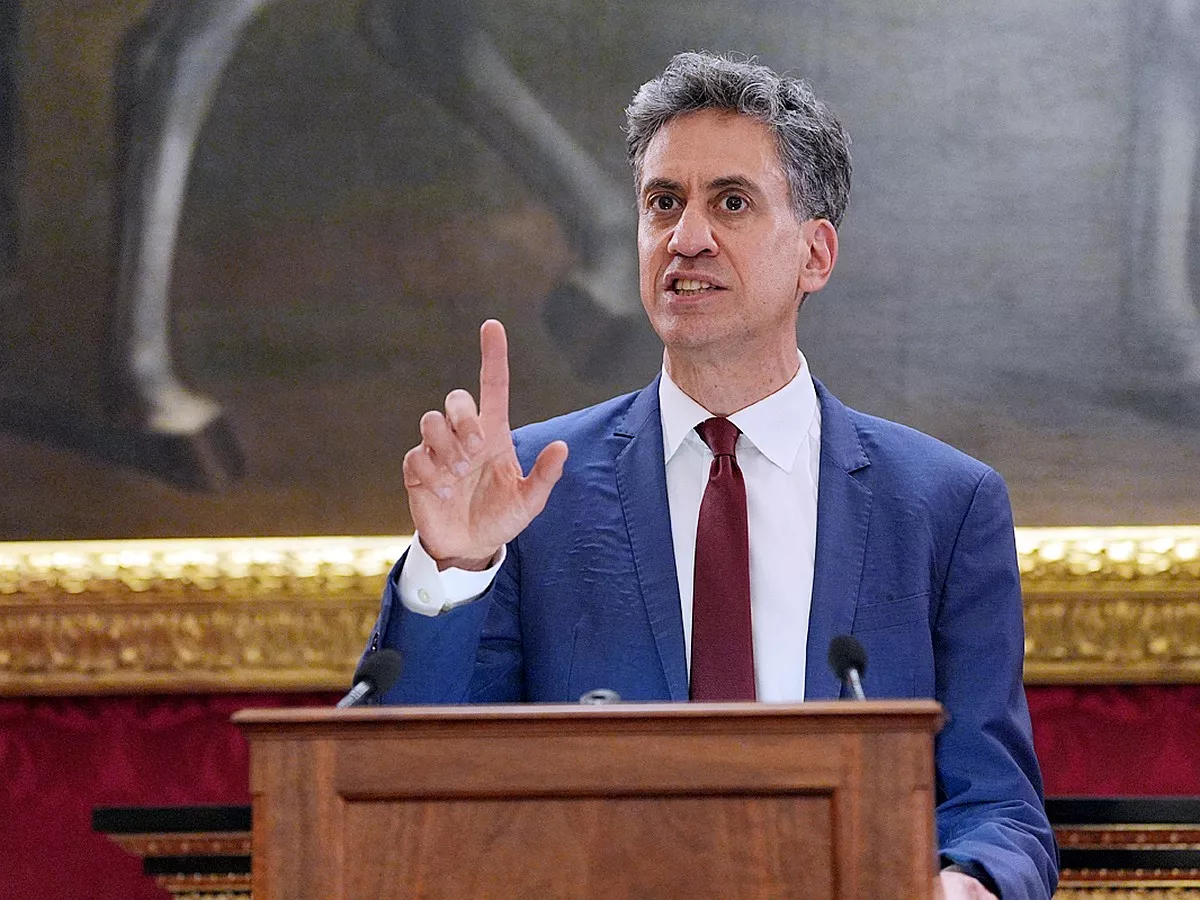
He noted that the events of October 7, 2023, had demonstrated the serious threats facing Israel. The UK foreign secretary also recalled the sanctions imposed by London on groups financing Hezbollah, as well as the wide-ranging economic sanctions against Iran introduced in line with EU and US policy. At the same time, Miliband said the British government believes that ethnic cleansing is taking place in the West Bank, allegedly initiated by “settler terrorists.” According to him, the Israeli government has too often turned a blind eye to what is happening, despite London’s position that Israeli settlements are illegal.
“The occupation is unlawful,” Miliband said, outlining the official position of the British government.
The minister also expressed concern over rising antisemitism, including in the UK, and stressed that he was proud of his Jewish heritage. He said his support for Israel was not incompatible with supporting the establishment of a Palestinian state.
Miliband noted that many people feel a sense of shame over what is happening in Palestine. He also pointed to the “deeply painful contrast” between Britain’s stated commitment to a two-state solution and the reality on the ground in Gaza and the West Bank. He further stressed that London’s opposition is not directed against the Israeli people, but against “the conduct of its government.”
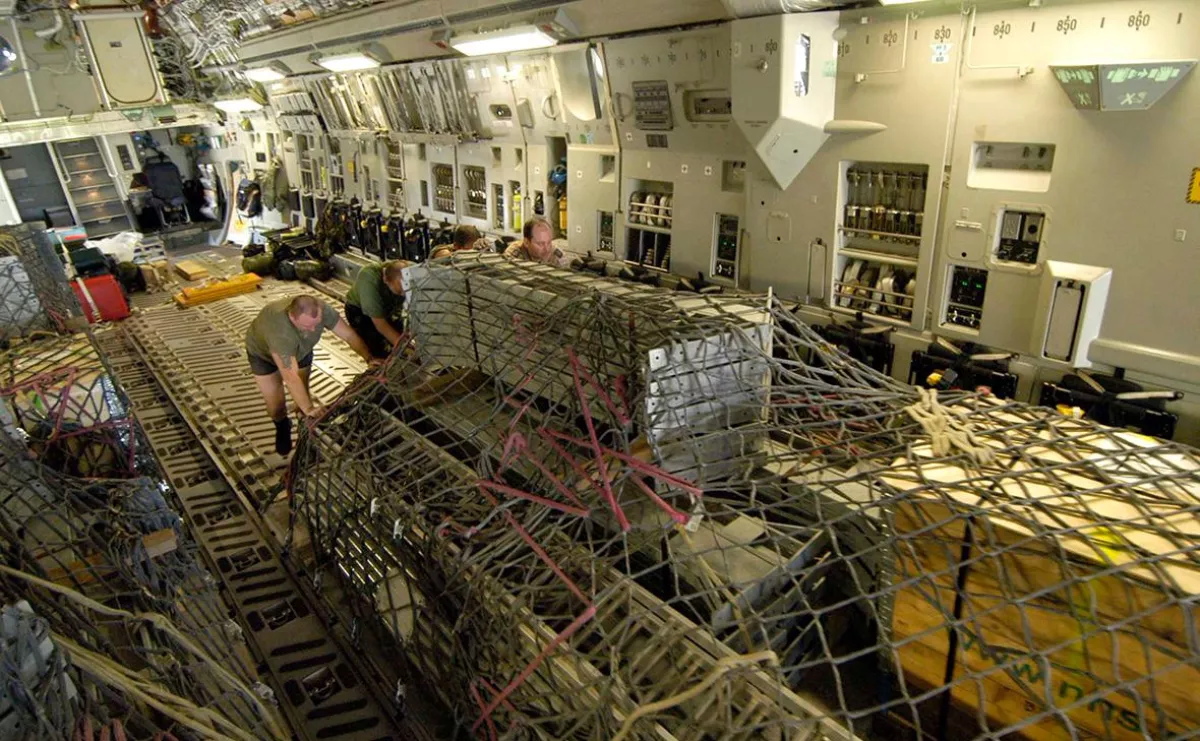
In this context, following its previously announced suspension of more than 30 licenses for the export of weapons used by the Israel Defense Forces in Gaza, the UK will now refuse all applications for licenses to export weapons and other goods that “materially contribute to the occupation.”
Miliband said the death toll in Gaza had exceeded 70,000, including around 20,000 children. According to him, more than 60% of homes in the Strip had been destroyed, while Israel regularly blocks the delivery and access of vital humanitarian aid.
The UK foreign secretary called on Hamas to fully disarm and dismantle “its terrorist infrastructure,” while stressing Israel’s right to live without fear. Concluding his remarks, Miliband said the UK always stands against oppression and suffering, wherever it occurs, defending what is right.
As early as August, UK Prime Minister Andy Burnham said London was prepared to impose a complete ban on trade in goods originating from Israeli settlements in the West Bank. According to him, the expansion of settlements, particularly in the E1 area, was “unacceptable and destructive.”
However, that was not the end of the matter. Alongside the UK, the foreign ministers of Canada, Denmark, Finland, France, Iceland, Ireland, Norway, Poland, Portugal, Spain and Sweden issued a joint statement supporting a resolution to the Israeli-Palestinian conflict based on the two-state principle.
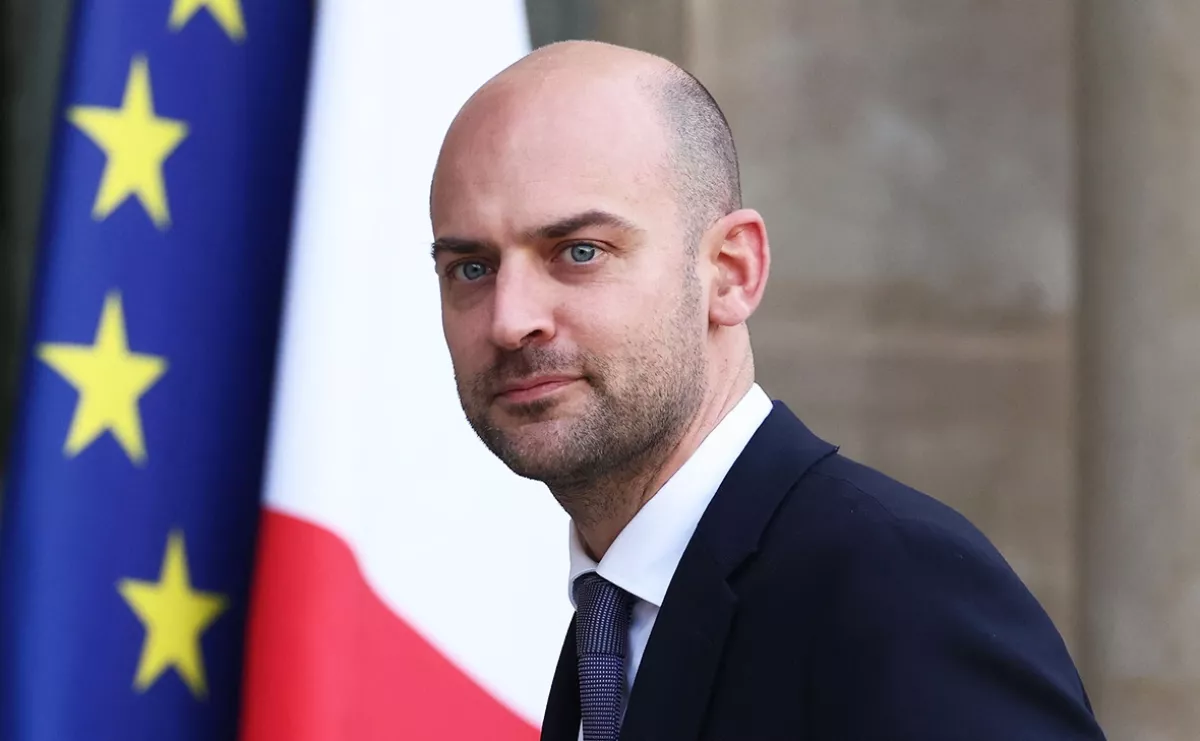
French Foreign Minister Jean-Noël Barrot, speaking about sanctions targeting Israeli settlements in the occupied West Bank, said they were necessary in response to the “rise in settler violence,” which, he argued, further undermines prospects for resolving the Palestinian issue on the basis of a two-state solution.
Germany, Italy, Hungary, the Czech Republic and Austria, however, did not join the sanctions measures.
At the same time, on September 7, the government of the German state of Lower Saxony and Aurelius Capital signed a memorandum of understanding on transforming the Volkswagen plant in Osnabrück into an industrial hub specialising in defence and security technologies. As part of the project, Israeli company Rafael plans to produce components for air-defence systems at the site, including components for the Iron Dome.
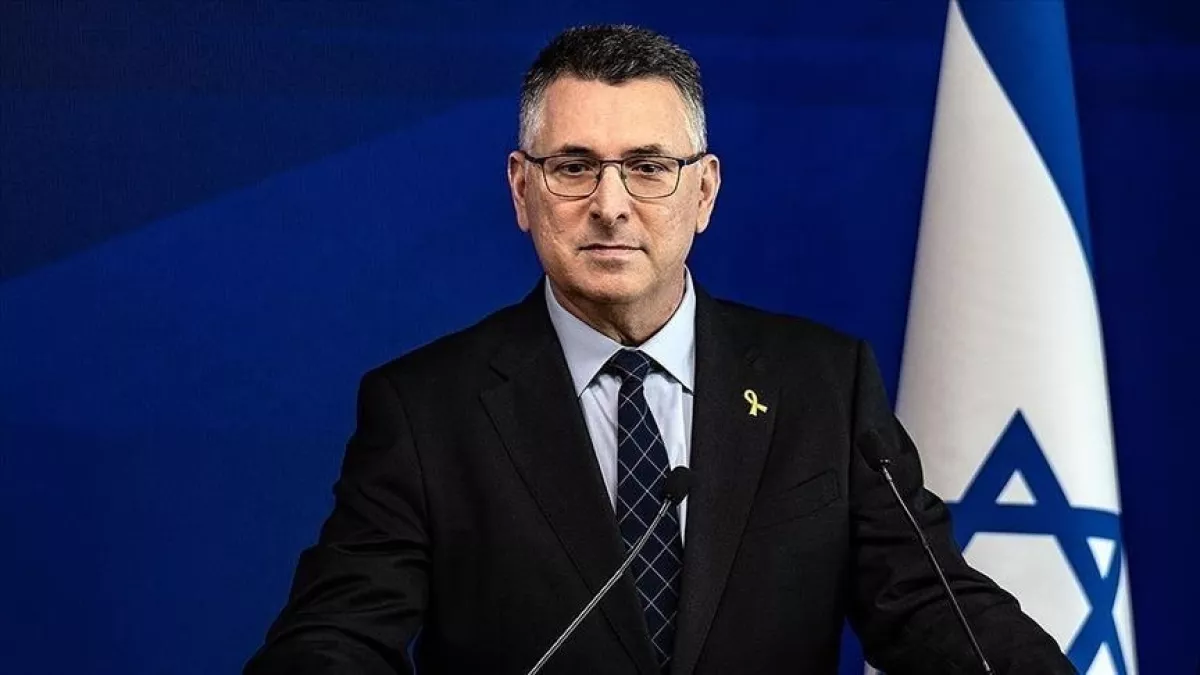
All of this points to the complex nature of relations between Israel and the UK. Israeli Foreign Minister Gideon Sa’ar has already announced possible countermeasures. These include closing the British consulate in Jerusalem, removing British representatives from the headquarters in Kiryat Gat, ending the British program for training Palestinian Authority security forces in Ramallah, and banning 12 British elected officials from entering Israel, citing their alleged involvement in “antisemitic and anti-Israel activities” and denial of the country’s very right to exist.
Describing the UK as the country that initiated the latest move, Sa’ar also said Israel was prepared to take countermeasures against other countries “that harm us.” Thus, tensions between Israel and a number of European countries continue to rise. At the same time, the situation once again highlights the lack of a unified European position on the Israeli-Palestinian conflict: some states support sanctions against Israel, while others oppose such measures or maintain closer cooperation with Tel Aviv.
In the broader geopolitical context, developments surrounding Israel and Palestine extend far beyond the region itself. European countries’ positions on the issue are increasingly affecting their relations not only with Israel and Arab states, but also with one another.







 editor@caliber.az
 +994 55 444-88-98
 Азербайджан, Баку, ул. Низами, 203, Af Business House, 5-й этаж