










Sweden’s elections: A rightward shift, a left-wing comeback and the main test for Brussels Analysis by Matanat Nasibova
Sweden will hold parliamentary (Riksdag) elections, as well as regional and municipal elections, on September 13. Early voting began on August 26 and will continue through election day. The election race is keeping the country on edge: the centre-left opposition bloc holds only a narrow lead over the governing coalition, while the Liberals’ position around the four-per cent threshold makes the outcome highly unpredictable.
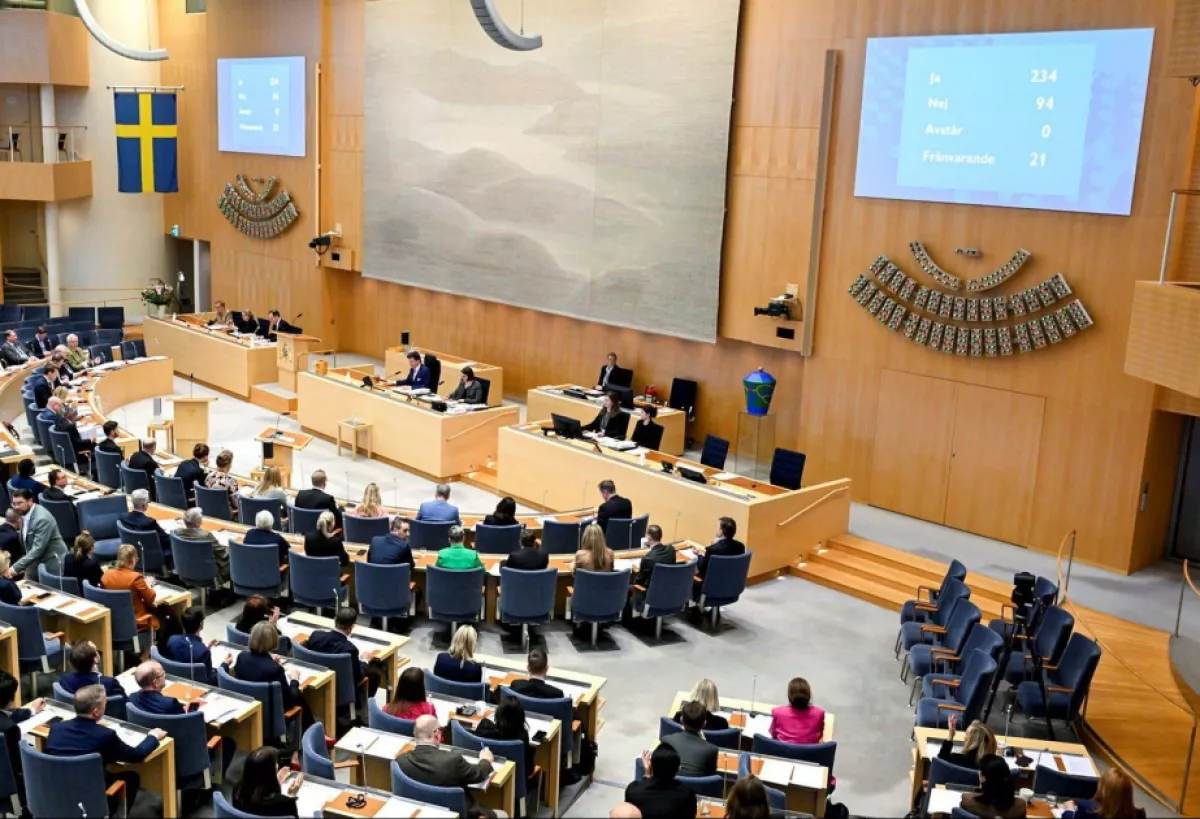
Sweden is currently governed by the centre-right cabinet of Prime Minister Ulf Kristersson. In the spring, he said that his Moderate Party intends to form a majority government with the participation of the far-right Sweden Democrats. Such a move would be a logical step: in 2022, Kristersson formed a minority government with the backing of the Sweden Democrats under an agreement that gave the party considerable influence over government policy. Now, if his bloc wins, the prime minister has pledged to offer the far right full ministerial portfolios, including the key migration portfolio.
The main dividing line between the right and left in the election campaign runs through two fundamental sets of issues. The right is focusing on restoring order and taking a hard line on crime and migration — particularly sensitive issues amid a prolonged wave of shootings and bombings linked to street gangs. The centre-left is promising to raise taxes on banks and the wealthiest citizens and use the proceeds to fund healthcare and education, as well as support families struggling with inflation and widening social inequality.
So far, the picture is not favourable for the incumbent government: opinion polls show the centre-left opposition, led by Magdalena Andersson, in the lead. According to a Novus poll conducted on September 7, the centre-left bloc has 50.3 per cent support, compared with 47.9 per cent for the right-wing bloc.
However, it is still too early to speak of a guaranteed change of government. Although the opposition coalition centred on the Social Democratic Party includes the Left Party, the Greens and the Centre Party, Kristersson’s chances largely depend on the fate of his partners — the Liberals. If the Liberals clear the electoral threshold, the right-wing bloc will retain a genuine chance of staying in power. If they fail to win seats in the Riksdag, a substantial share of the centre-right camp’s votes will simply go to waste.
The Liberals have long been hovering on the brink of electoral failure — one poll in early September put their support at just 2.8%. However, a fresh Novus survey recorded an increase to 4.3%, putting them back in contention and adding a new twist to the race. Meanwhile, the Sweden Democrats (SD) have firmly established themselves as one of the country’s leading political forces: according to Statistics Sweden data from May, they had the support of 18.3% of voters, making them the second-largest party after the Social Democrats. For the first time in its history, the SD could move from being an external support partner to a full-fledged member of the government, potentially reshaping Sweden’s political map.
The incumbent government is defending its position with two main arguments:
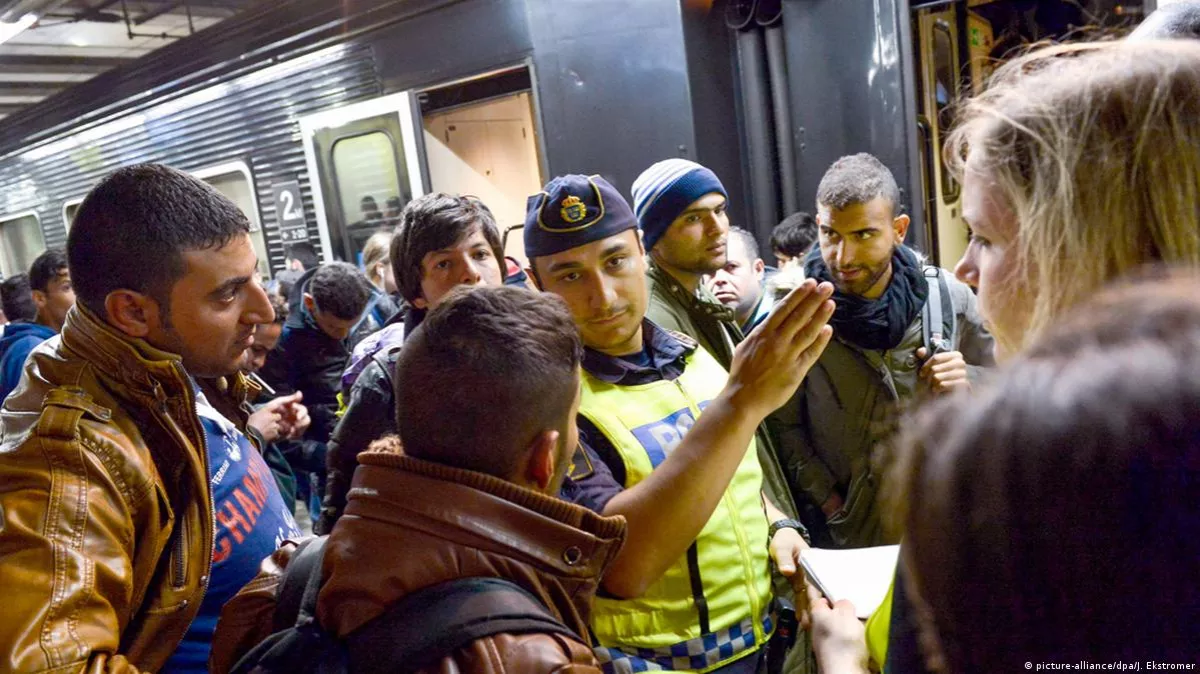
The first is migration policy. In 2026, foreigners holding residence permits began being offered up to 350,000 Swedish kronor to voluntarily return to their countries of origin, while the rules for obtaining citizenship were also tightened. Yet this is where a serious dilemma emerges: Sweden is facing a severe labour shortage, while migrants account for a significant share of workers in healthcare, elderly care and municipal services. Any new government will have to find a difficult compromise between tough political rhetoric and the economy’s real labour needs.
The second argument is security. During the first eight months of 2026, Sweden recorded just 48 shooting incidents, compared with 391 for the whole of 2022. In response, the Social Democrats are proposing to address the country’s social problems by strengthening the role of the state and introducing tax measures. Business leaders are already warning that higher taxes on companies, banks and savings could hurt investment. However, most voters are currently far more concerned about everyday living costs, wealth inequality, and the quality of healthcare and education.
Sweden’s election has become a clear example of how the migration crisis and security concerns are transforming the traditional political system of Northern Europe. At the same time, the country remains firmly pro-European: in May 2026, 64.5 per cent of Swedes supported EU membership, while only 11.4 per cent were opposed.
For Brussels, the election is a crucial barometer of European public sentiment. The EU needs a predictable Stockholm capable of combining tough security measures with a commitment to the European project. Brussels also values the fact that Sweden has joined NATO in recent years, increased its defence budget and become a reliable ally of Ukraine. Since Magdalena Andersson and the Social Democrats fully support this course, Brussels does not expect any major shifts in foreign policy regardless of the election outcome.
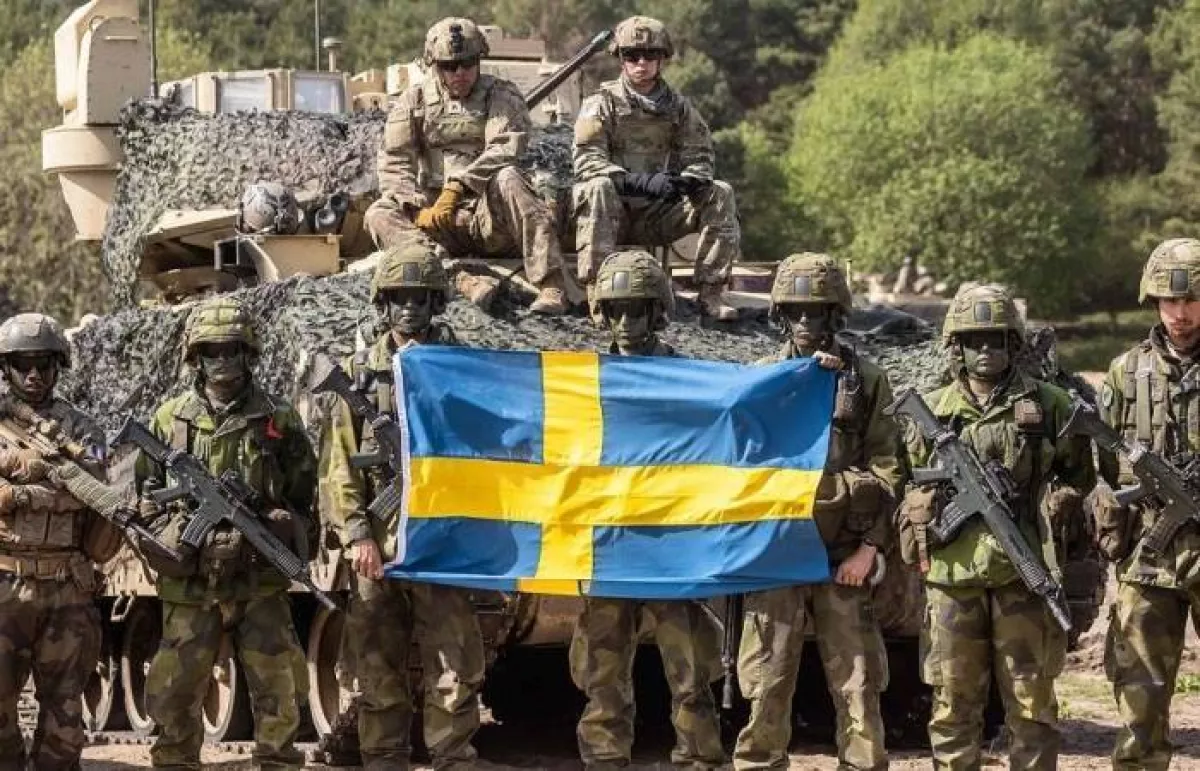
What matters far more for the EU is something else. First, the European Union is counting on integrating Sweden’s powerful defence capabilities into a Europe-wide security system as it seeks to reduce its dependence on the United States. Second, the Kristersson government’s tough approach to migration echoes Brussels’ broader push to strengthen the EU’s external borders, although there are concerns that excessive national isolationism could undermine the Schengen area. Finally, the possible entry of the right-wing populist SD into government could strengthen the national-conservative camp within the EU. Although the Sweden Democrats do not call for leaving the EU, their goal is to reduce Brussels’ powers and slow further integration — something that directly conflicts with the interests of European institutions.
A centre-left victory led by Magdalena Andersson would bring increased social spending, higher public investment and a stronger focus on the “green” transformation of industry. A right-wing victory would cement a tough approach to migration and law and order, although the growing influence of the Sweden Democrats could make Stockholm less accommodating in its relations with Brussels. But regardless of the composition of the new government, one thing is fundamental for Europe: Sweden must maintain its pro-Atlantic and constructive course, remaining a key player in European security and the economy.







 editor@caliber.az
 +994 55 444-88-98
 Азербайджан, Баку, ул. Низами, 203, Af Business House, 5-й этаж