










Warsaw–Delhi: A partnership with a military edge Analysis by Limansky
The Indian foreign minister visited Warsaw on September 4–5. Why is the Republic of Poland becoming one of New Delhi’s most important partners in Eastern Europe?
From the Vistula to the Yamuna
Indian Foreign Minister Subrahmanyam Jaishankar met with Polish Foreign Minister Radosław Sikorski, followed by a meeting with Polish President Karol Nawrocki.
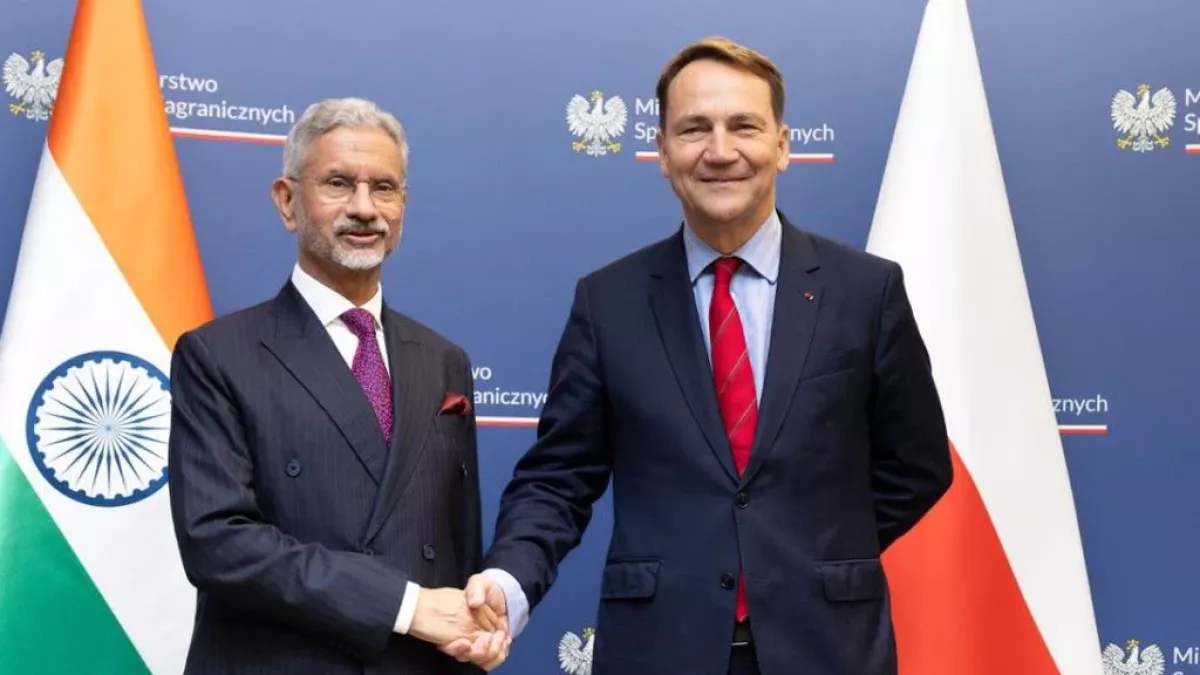
The talks focused on developing bilateral relations under the Poland–India Action Plan for 2024–2028. Key issues included Polish-Indian cooperation in the defence sector, including contacts between defence-industry companies, as well as bilateral trade and investment, energy and the green economy, digital technologies, infrastructure projects, and cooperation in the mining sector. The sides also discussed security issues in Europe and the Indo-Pacific, the situation in the Middle East, and the war between Russia and Ukraine.
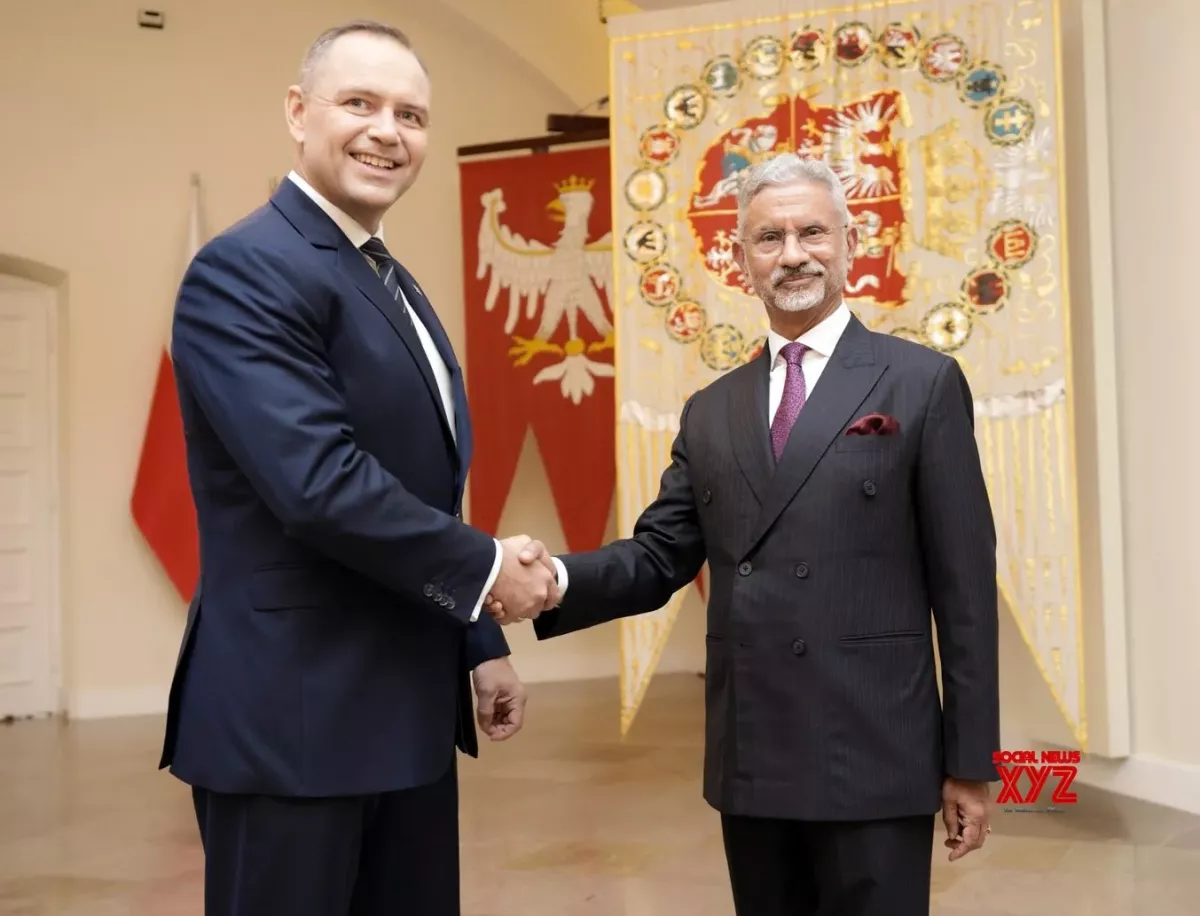
Another topic was Poland’s participation in the work of the G20, which is particularly relevant ahead of the Group of Twenty summit scheduled to take place in Miami in December this year. India is a G20 member, while Poland participates in the intergovernmental organization’s forums as a country invited to selected events.
Relations between New Delhi and Warsaw were elevated to a strategic partnership as early as 2024. In January 2026, Sikorski visited India, where defence, emerging technologies, and raw-material extraction were identified as key priorities.
Both countries are recording relatively strong rates of economic growth. Yet Warsaw, despite its ambitions, remains overshadowed within the EU by traditionally dominant powers such as Germany and France. India, meanwhile, is deeply entangled in conflicts with its neighbours, Pakistan and China. As a result, both Warsaw and New Delhi have an interest in mutually lobbying for each other’s interests in international forums where one side or the other carries greater weight.
Poland, which has been reluctant to admit non-white migrants, already has a sizable Indian diaspora. In 2024, 21,000 Indian citizens had official permanent residency in the Republic of Poland.
An unlikely pentagon
Economic cooperation is also developing successfully. In 2025, Polish-Indian trade amounted to $6.3 billion. The two sides are now aiming to increase bilateral trade to $10 billion. An EU-India free trade agreement is also being prepared, and, as can be understood, Poland is taking on the task of promoting its swift signing and ratification in Brussels.
There are also some serious complications. Who do you think is the leading economic partner in this pairing? India. In 2025, Poland’s trade deficit with India amounted to nearly €3 billion, with Indian exports to Poland being three times higher than Polish exports to India.
There are also significant challenges in such a sensitive area as close relations with countries that are unfriendly to one or the other partner. For India, that country is Pakistan; for Poland, it is Russia, as well as the war in Ukraine.
At the same time, New Delhi continues to develop economically beneficial relations with Russia, including the purchase of Russian oil that has become cheaper as a result of Western sanctions. And it reacts sharply to any attempts to “lecture” it on the matter.
During Polish Foreign Minister Radosław Sikorski’s previous visit to India, a major diplomatic spat occurred. Subrahmanyam Jaishankar stated that “Poland should display zero-tolerance for terrorism and not help fuel the terrorist infrastructure in our neighbourhood.”
Such accusations are usually made by Indian officials against Pakistan, and in this case, the Indian foreign minister was clearly referring to Sikorski’s visit to Islamabad shortly beforehand and Polish comments regarding Kashmir. At the same time, Jaishankar described criticism from Poland and the West over India’s relations with Russia as “selective attacks.”
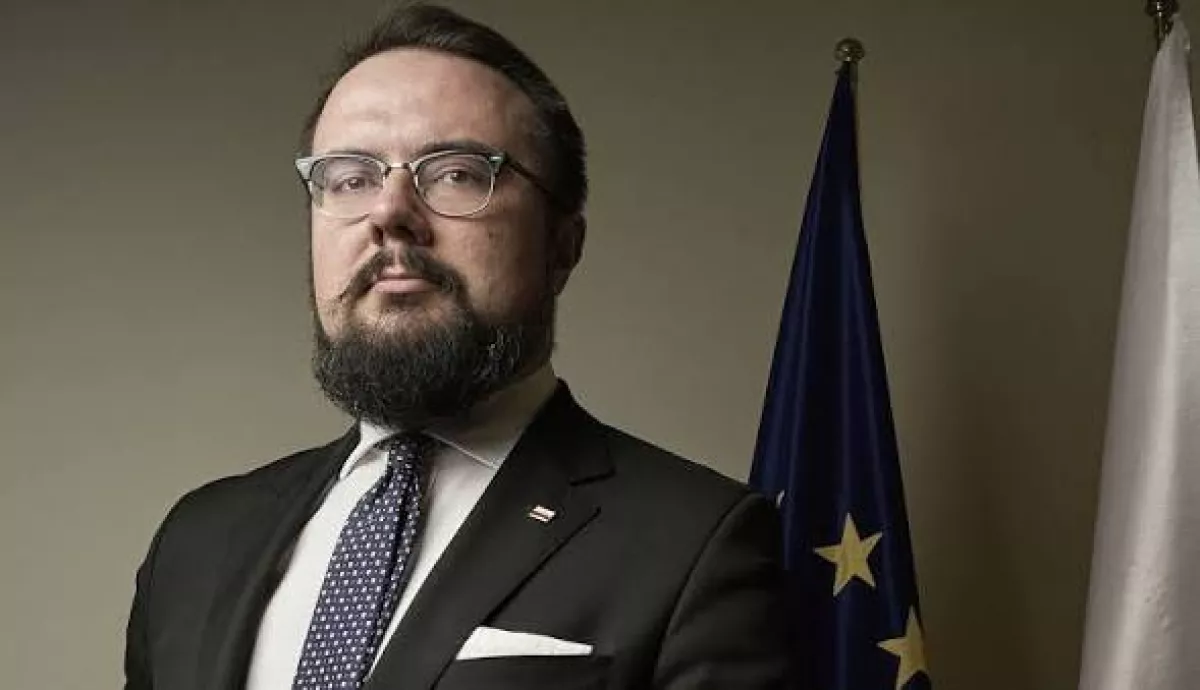
A lawmaker from the opposition conservative Law and Justice (PiS) party, Paweł Jabłoński, commented on the episode: “This is very interesting and alarming. When, during the public part of bilateral talks, one foreign minister reprimands another, it is a signal in diplomatic language that relations between the two countries are absolutely terrible.”
Yet at a press conference following the latest meeting in Warsaw, Sikorski again stated: “We hope that India will take part in bringing this conflict to an end.” On August 31, at the Shanghai Cooperation Organisation (SCO) summit in Bishkek, Indian Prime Minister Narendra Modi had already urged Putin to move toward establishing peace in Ukraine.
Could Warsaw nevertheless be pressing New Delhi to stop purchasing Russian oil? In September, the BRICS summit is scheduled to take place in the Indian capital, where the President of the Russian Federation is also expected to attend.
In short, relations between New Delhi and Warsaw have an additional dimension, forming a complex five-way configuration: Poland–India–Pakistan–Russia–Ukraine.
Partners in arms
Against this backdrop, ties in the military-technical sphere are among the most relevant areas for Poland and India. Radosław Sikorski explicitly stated that he sees “particular potential” in cooperation between the two countries’ defence industries.
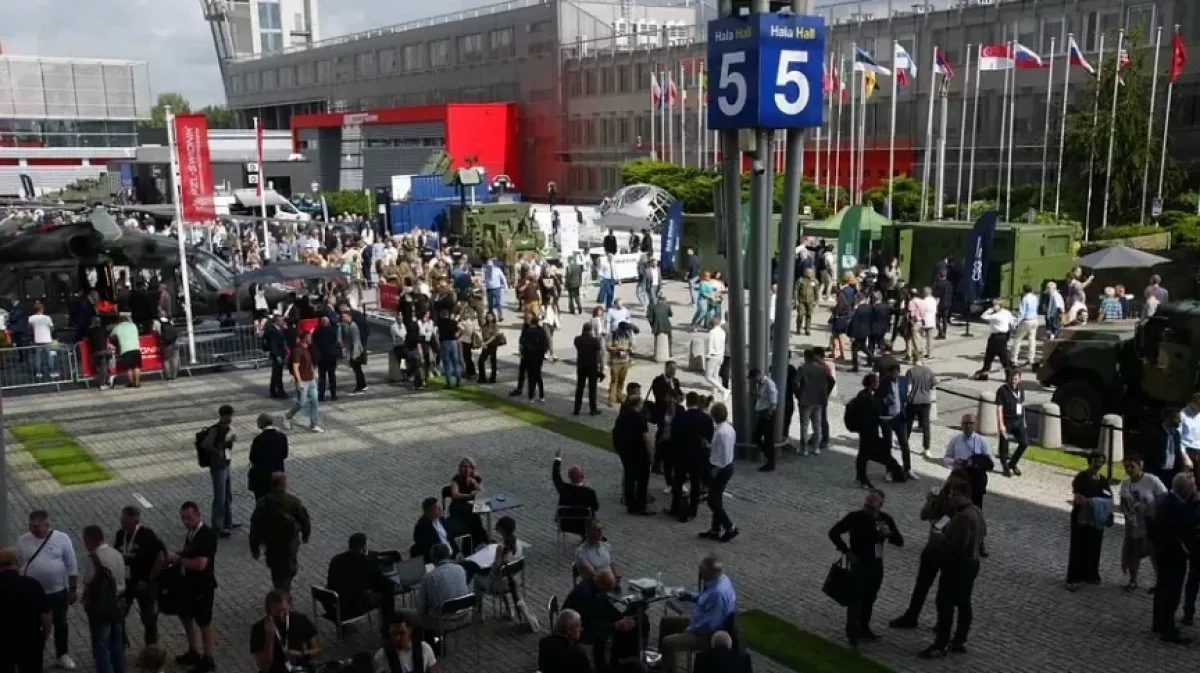
The current negotiations on military-technical cooperation will continue at the International Defence Industry Exhibition (MSPO), which opened on September 8 in the Polish city of Kielce, as well as at a meeting of the Working Group on Military-Technical Cooperation scheduled for the end of September.
Poland, with its traditional drive for maximum strategic autonomy, is seeking to diversify its military procurement. Although much of its weaponry comes from NATO arsenals, the Polish Ministry of National Defence has also purchased K2 Black Panther tanks and K9A1 Thunder self-propelled howitzers from another region — South Korea. In addition, Poland has established domestic arms production and already ranks 14th among the world’s arms exporters.
At this year’s MSPO exhibition in Kielce, the Polish Armaments Group alone is showcasing products from 28 companies, with more than 300 pieces of military equipment and defence products on display. These include such new developments as the latest pilot project for a heavy infantry fighting vehicle, the Piorun 2 man-portable air-defence system, and KTO Rosomak armoured vehicles equipped with the TURRA V10 remotely controlled turret.
Given the realities of modern warfare, particular attention is being paid to unmanned aerial vehicles and counter-UAV systems. Among the exhibits is a system combining the ZSMU A3K remotely controlled weapon station with a kinetic anti-aircraft system featuring the 12.7-mm WLKM multi-barrel machine gun, radar, an electro-optical sensor, and a command post. Interceptor drones capable of engaging targets travelling at speeds of up to 300 km/h at distances of up to 10 km from the launch site will also be demonstrated.
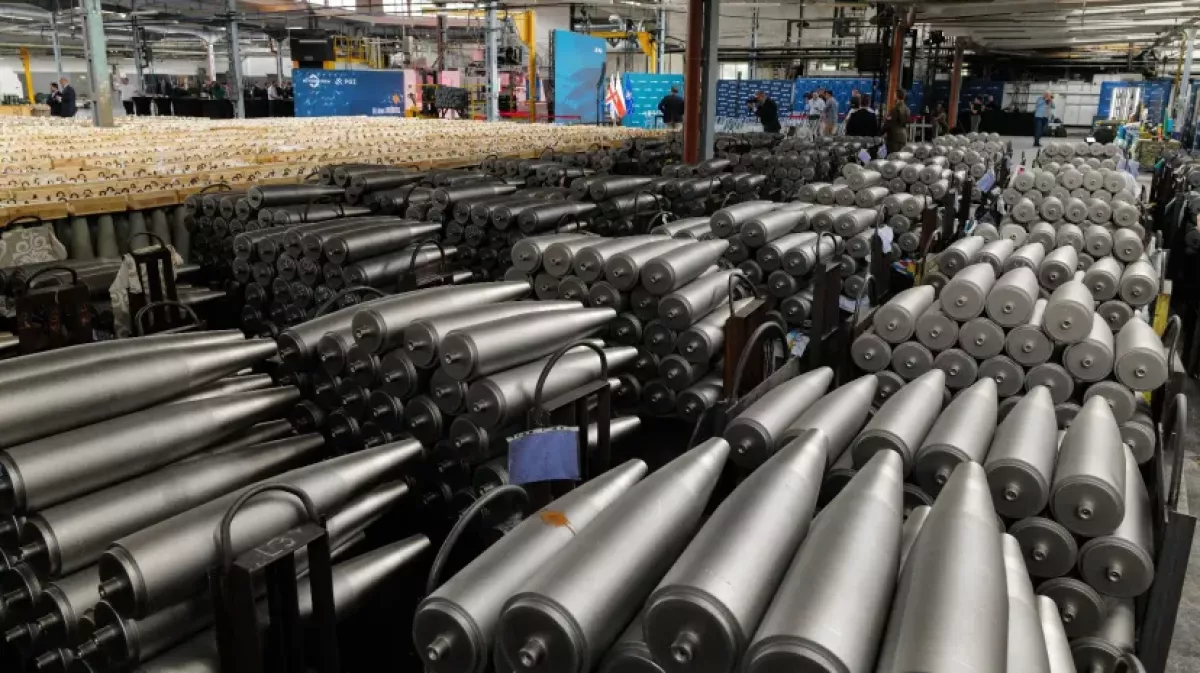
Poland is already supplying India with its FlyEye reconnaissance drones and Warmate loitering munitions.
The Indian Army also operates Polish WZT-2 and WZT-3M armoured recovery vehicles.
For the Polish armed forces, meanwhile, India’s space technologies could be of particular interest. This relatively poor country, where tens of millions of people still live in extreme poverty, is now seeking to establish itself as the world’s fourth space power. Among the various areas in which Indian space companies are active is the development of satellite constellations. The Indian Space Research Organisation (ISRO), among other achievements, has also mastered the technology for launching nanosatellites.
The intensification of Indian-Polish relations is likely to continue. A visit by the Speaker of the lower house of the Indian Parliament to Warsaw is scheduled for the end of September.
The development of relations between the two countries is undoubtedly a positive development. But it would be preferable if they focused primarily on peaceful areas. The most recent full-scale military confrontation between India and Pakistan took place in April 2025. And the question of how further militarisation could affect regional security is by no means a trivial one...







 editor@caliber.az
 +994 55 444-88-98
 Азербайджан, Баку, ул. Низами, 203, Af Business House, 5-й этаж