










Where is the money, Mr President? Europe questions Zelenskyy over Ukraine’s finances
A recent report in The New York Times has sparked widespread debate after the influential newspaper revealed that Kyiv had unexpectedly asked for an additional $27 billion to cover defence spending through the end of 2026. According to the report, European officials were caught off guard by the scale of the emerging budget shortfall. The issue is no longer simply about finding additional funds. A more sensitive question is now being raised: why has such a large deficit emerged, and how justified is the amount requested by the Ukrainian authorities?
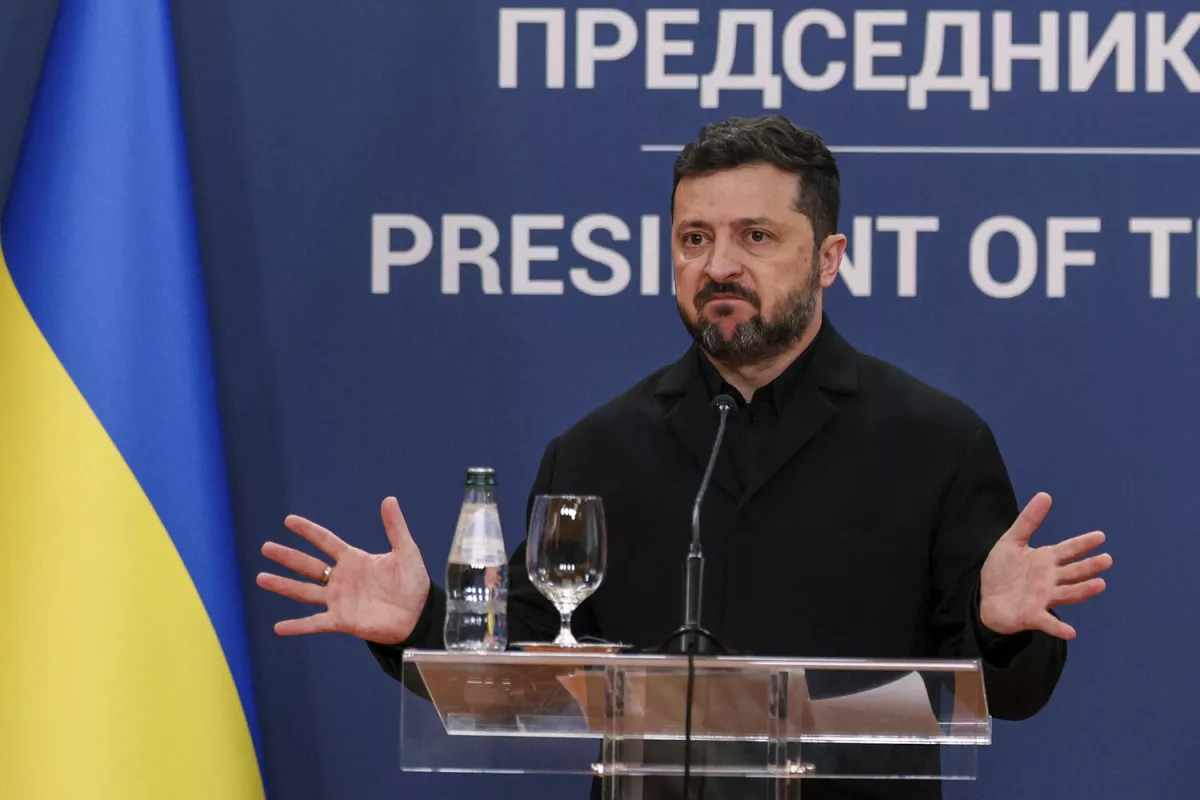
Ukrainian President Volodymyr Zelenskyy announced the need for an additional $27 billion on 24 August during a meeting of the “coalition of the willing” in Kyiv. According to Zelenskyy, Ukraine’s Ministry of Defence had used funds allocated for the second half of the year during the first months of 2026, leaving the government facing a significant shortfall. He proposed bringing forward part of the European loan planned for next year and once again called for the use of frozen Russian assets to help finance Ukraine’s war effort.
According to the NYT report, however, scepticism is growing in Europe. Four European diplomats told the newspaper that officials had not anticipated such a large funding gap. Some EU representatives have privately questioned whether aid is being spent effectively and suggested that Kyiv’s estimates of its financial needs may be overstated. For Ukraine, this is a potentially serious warning sign: the issue is not only about securing more money, but also about maintaining the confidence of its allies.
In December 2025, the European Union agreed on a €90 billion loan for Ukraine for 2026–2027, forming the basis of a major financial support programme. The initial proposal to use frozen Russian state assets as the basis for a so-called “reparations loan”, however, met resistance from Belgium and several other countries. The EU ultimately opted for a mechanism based on joint borrowing on financial markets.
The assumption was that Kyiv had secured a reliable financial cushion for the next two years. Yet it now appears that even those funds may not be sufficient, while the Ukrainian authorities are giving their European partners additional reasons for concern.
On 4 September, Ukrainian Finance Minister Sergii Marchenko told Euronews that Ukraine’s external financing gap for 2027 was preliminarily estimated at $32.6 billion, while its total annual financing needs remained at around $50 billion. Marchenko urged European partners to “think outside the box” and return to discussions on confiscating frozen Russian assets.
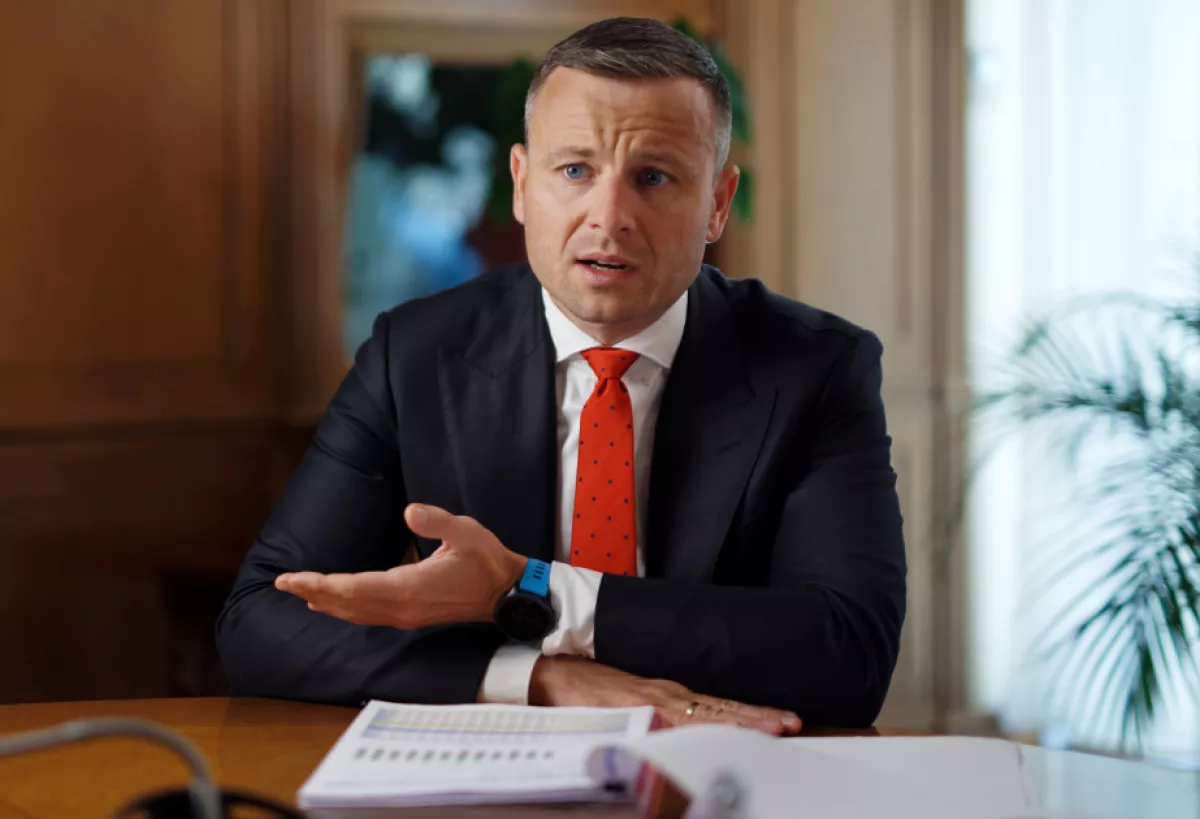
Thus, Europe is receiving two signals almost simultaneously:
The immediate shortfall: Ukraine says it is currently $27 billion short of the funding needed for military purposes.
The outlook for next year: Kyiv estimates that it will require a further $32.6 billion in external financing in 2027.
European taxpayers are therefore faced with a legitimate question: where does the extraordinary cost of wartime spending end and chronic inefficiency in government management begin?
Kyiv’s proposed solution is straightforward: provide additional funds. Bringing forward tranches of the already approved European loan is technically possible. However, this creates an obvious contradiction: if funds earmarked for 2027 are used to cover today’s shortfall, another funding gap could emerge next year. This is precisely the concern being raised by European diplomats.
A vicious circle is beginning to take shape: money intended for tomorrow is being used to plug today’s hole. At the same time, Kyiv has yet to provide a convincing explanation for why the shortfall emerged in the first place. Zelenskyy has effectively shifted part of the responsibility to the former leadership of the Ministry of Defence, pointing to the premature use of funds allocated for later in the year. Former Defence Minister Mykhailo Fedorov, however, has rejected the accusations.
An increasingly common view in expert and political circles is that Zelenskyy has relied for too long on the assumption that European assistance would remain effectively unconditional. This is a political assessment, not a legal finding, but there are grounds for such criticism. Throughout the conflict, Kyiv has repeatedly pressed its Western partners to expand their financial, military and political commitments.
Public criticism of allies over delays in weapons deliveries, shortages of air-defence systems and restrictions on the use of long-range weapons has often followed a straightforward logic: Ukraine is at war, and therefore the West should increase the scale of its support.
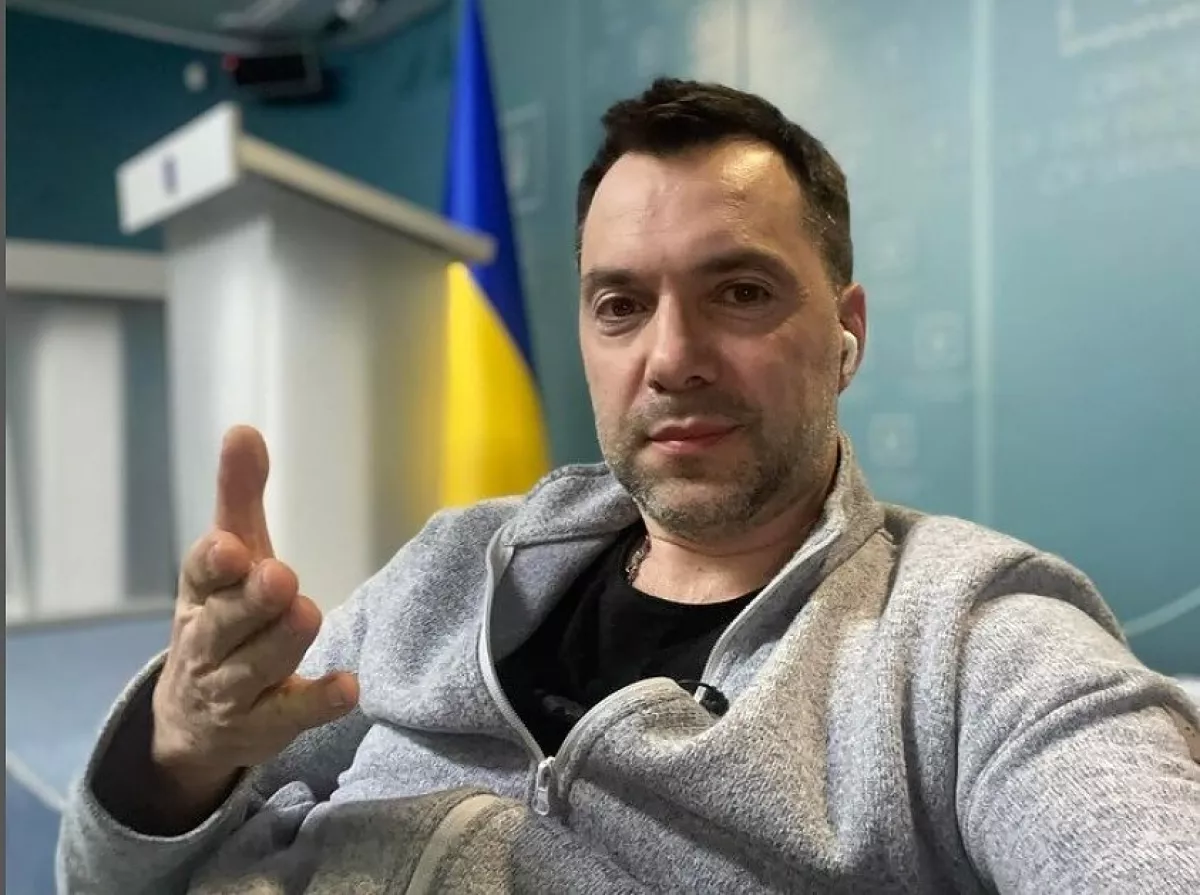
However, this strategy has a downside. Constant demands for additional resources inevitably lead to questions about how previous funds have been spent. In this context, remarks by Oleksii Arestovych, a former adviser to the Office of the President, are particularly noteworthy.
In a 13 July 2026 broadcast, Arestovych openly discussed Zelenskyy’s tough approach to Western leaders, arguing that the Ukrainian president understands his own value to the West. According to Arestovych, the Ukrainian leadership believes that without Ukraine, Western countries would struggle to achieve their goal of containing Russia, giving Kyiv considerable leverage over its partners.
The logic is straightforward: as long as Ukraine remains strategically important to the West, Western governments will continue to provide financial and military support. But that dynamic can begin to break down when donors feel they are being treated not as partners, but as an effectively inexhaustible source of funding.
Another factor adding to European concerns is a series of high-profile corruption investigations in Ukraine:
Operation Midas: A large-scale investigation by the National Anti-Corruption Bureau of Ukraine (NABU) and the Specialised Anti-Corruption Prosecutor’s Office (SAPO) into the energy sector. Investigators uncovered alleged illicit schemes involving Energoatom. One of the key figures in the case is former Energy Minister German Galushchenko.
Operation Forrest Gump: A case involving the alleged laundering of UAH 150 million that investigators say was intended to finance bail for a suspect in the Midas case. Those allegedly involved include a deputy head of the Office of the President and a former member of parliament.
Carthage investigation: Proceedings involving employees of the Office of the Prosecutor General. According to investigators, a group allegedly led by an official from the Prosecutor General’s Office systematically accepted bribes and laundered the proceeds through the purchase of property and other assets. Bail for one of the suspects was set at UAH 120 million.
According to published reports, the combined bail amounts set in a number of high-profile corruption cases involving Ukrainian officials and members of the political elite have already exceeded UAH 1 billion. These figures include UAH 140 million in bail for Andriy Yermak and UAH 150 million for German Galushchenko, alongside tens of millions of hryvnias set in other cases.
European politicians can hardly ignore such developments, particularly at a time when Kyiv is simultaneously asking for an additional $27 billion to cover current defence spending and warning that it will need another $32.6 billion in external financing next year.







 editor@caliber.az
 +994 55 444-88-98
 Азербайджан, Баку, ул. Низами, 203, Af Business House, 5-й этаж