










Europe’s migration U-turn: From “we can do it!” to tougher borders Article by Matanat Nasibova
Migration remains one of the most pressing and sensitive issues facing the European Union. Conflicts and instability in the Middle East and Africa, which triggered the 2015 crisis, exposed deep socioeconomic vulnerabilities and shortcomings in Europe’s common migration policy. Systemic upheaval in countries of origin forced millions of people to seek safety and a better life in Europe. At the same time, an underground industry flourished: smugglers turned the illegal trafficking of people into a multibillion-dollar business, establishing dangerous routes across the Mediterranean and the Balkans.
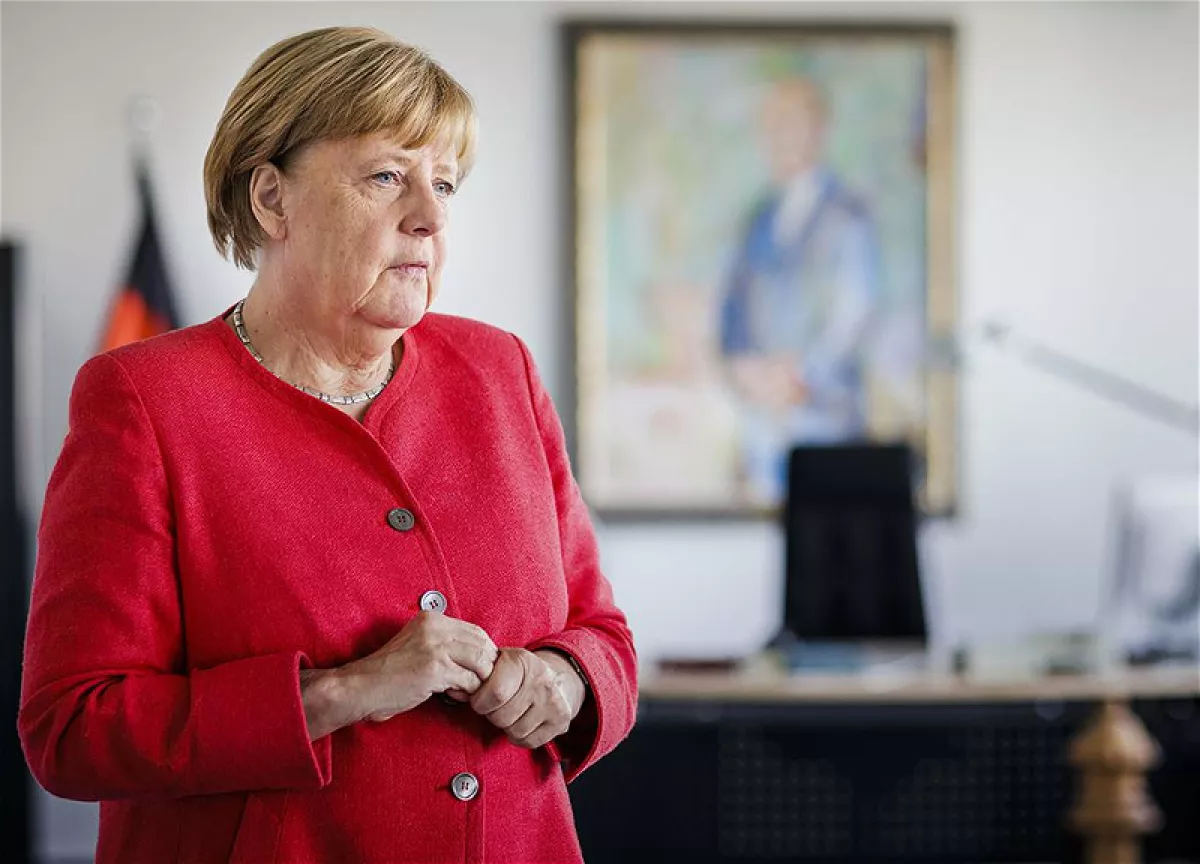
The situation was further fueled by geopolitical chaos: the civil war in Syria, the Arab Spring, and the collapse of state institutions in Libya and Yemen effectively dismantled border controls. Libya became a key transit hub for people from across the African continent. Another factor was the spread of social media and messaging apps, which made it easier to coordinate movements. A significant role was also played by a widely publicised statement made by then-German Chancellor Angela Merkel in 2015 — “We can do it!” — which many interpreted as a direct invitation, further increasing the influx.
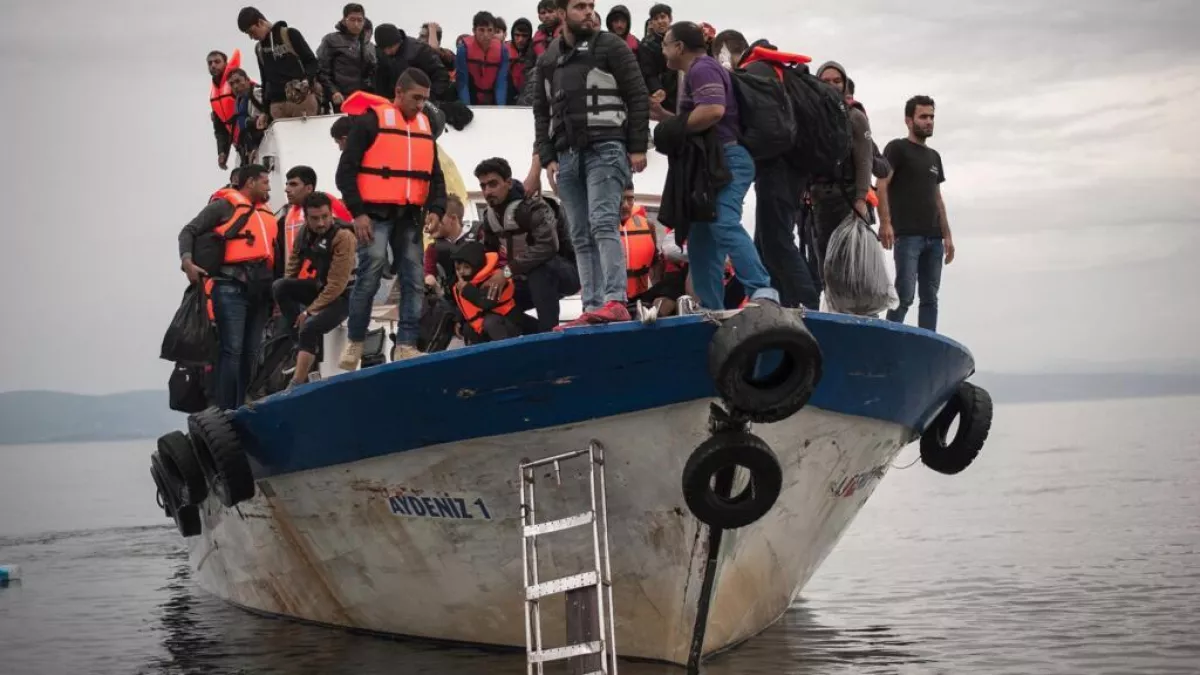
Today, the European Union’s approach is changing significantly. The EU is building a stricter model of migration management: strengthening its external borders, stepping up deportations, while simultaneously expanding legal pathways for attracting workers needed by its economy. The surge of the mid-2010s has given way to a new reality. On June 12, 2026, the Pact on Migration and Asylum entered into force, aimed at reducing irregular arrivals, streamlining reception procedures, and establishing a clear mechanism for returning those whose applications for protection have been rejected.
The pact introduced comprehensive screening and registration at the border, accelerated processing of applications, a clear division of responsibilities among member states, and a mechanism for mutual support. The measures are already producing initial results: according to Frontex, the number of irregular border crossings fell to 178,000 in 2025, down 26% from the previous year, while during the first five months of 2026, the figure dropped by a further 40%, to approximately 39,000. Nevertheless, the problem is far from being fully resolved.
Balance between security and solidarity
The main challenge for Brussels is to reconcile stronger external borders with the preservation of the right to asylum. The EU is moving away from the previous system, under which Italy, Greece, Spain, Cyprus, and Malta bore most of the burden. In its place comes the principle of shared responsibility. Countries bearing the brunt of arrivals receive financial and technical assistance from their EU partners or transfer some of the arrivals to other EU member states.
At the same time, Brussels is building dialogue with countries of origin and transit. EU authorities are concluding agreements with countries in North Africa, the Middle East, and the Western Balkans, providing them with investment in exchange for curbing migration flows. In January 2026, the European Commission presented the first five-year European strategy for managing asylum and migration, whose priorities include diplomatic engagement, dismantling smuggling networks, and targeted recruitment of workers.
Economic pragmatism: A focus on legal channels
The EU’s strategy is not limited to restrictions. An ageing population and acute labour shortages make completely shutting out newcomers economically damaging. Brussels clearly distinguishes between different categories of arrivals: refugees fall under the international protection system; irregular migrants are subject to return to their countries of origin; while legal workers, students, and skilled professionals are admitted in response to specific labour-market needs.
The logic of the new policy is straightforward: reduce uncontrolled arrivals by expanding managed legal entry. The prolonged chain of “arrival — asylum application — lengthy proceedings — integration” is being replaced by a more direct process: initial screening at the border, a rapid procedural decision, protection for those in need, deportation of those who are not, and legal admission of professionals whose skills are in demand.
The situation in key countries
The burden on EU member states is distributed unevenly, with geography and the domestic political climate playing a major role:
Greece remains the leader in terms of the per-capita burden: in 2025, the country recorded approximately 5,900 asylum applications per 1 million inhabitants.
Italy and Spain remain particularly vulnerable because of the Mediterranean route. In 2025, Spain received around 141,000 first-time asylum applications, while Italy received 127,000. In the summer of 2026, the Spanish enclave of Ceuta became a flashpoint, as thousands of people attempted to cross the border from Morocco, prompting targeted border controls within the Schengen Area.
Germany remains the main destination in absolute numbers: in 2025, the country received approximately 163,000 asylum applications.
Eastern European countries have traditionally opposed mandatory redistribution of migrants, turning the new pact into a test of the EU’s political cohesion.

Public tensions and protests
The migration issue is driving the growing popularity of right-wing and national-conservative forces. Governments are being forced to strike a balance between humanitarian standards and citizens’ demands for security. As reforms move slowly, public discontent is spilling onto the streets.
United Kingdom: The situation in the English Channel is heightening tensions. In early September, protests erupted across southern England. In Portsmouth, demonstrators blocked access roads to the port and clashed with police while attempting to prevent the disembarkation of 140 migrants. A day earlier, the Patriot Platform movement disrupted operations at the port of Dover. The government in London condemned the groups’ radical actions as intimidation but reaffirmed citizens’ right to peaceful protest.
Spain: The events in Ceuta triggered a wave of demonstrations across the country. In Madrid and more than 260 other cities, tens of thousands of people took to the streets, with around 50,000 protesters gathering in the capital alone. Demonstrators criticised the government of Prime Minister Pedro Sánchez for inaction, called for stronger protection of the North African enclaves, and demanded the resignation of the cabinet. In some cities, the demonstrations escalated into clashes with police, who used tear gas and stun grenades.
Prospects
In the near future, the EU’s approach to migration is likely to continue hardening and becoming more pragmatic. The new model is built around border protection, accelerated procedures, timely deportations, and controlled legal admission. However, the pact alone will not fully resolve the problem. If the internal support mechanism fails and member states continue to act on their own, the European Union risks facing not only the return of permanent borders within the Schengen Area but also a serious internal political rift.







 editor@caliber.az
 +994 55 444-88-98
 Азербайджан, Баку, ул. Низами, 203, Af Business House, 5-й этаж