










Apple, Google, NVIDIA and gold: What Azerbaijan’s State Oil Fund invests in Analysis by Khazar Akhundov
The energy crisis triggered by the war in the Middle East has weighed on the global economy, slowing growth in many countries. Azerbaijan also began to feel the impact of these troubling trends at the turn of the year. However, as an oil and gas exporter, the country benefited from higher energy prices, and the situation soon began to improve: in the months that followed, foreign trade indicators steadily strengthened.
Meanwhile, Azerbaijan’s foreign exchange reserves continued to grow, rising by 12.2% as of August 1, 2026. Nearly five-sixths of the country’s total reserves are held by the State Oil Fund of Azerbaijan (SOFAZ). In recent years, the Fund has adopted a more flexible investment approach and revised its asset-allocation strategy. Its portfolio has increasingly expanded to include shares in major, financially strong global companies, while investments in gold and other assets have also gained prominence. By the beginning of autumn, the value of SOFAZ’s equity holdings in major global corporations had reached $18 billion.
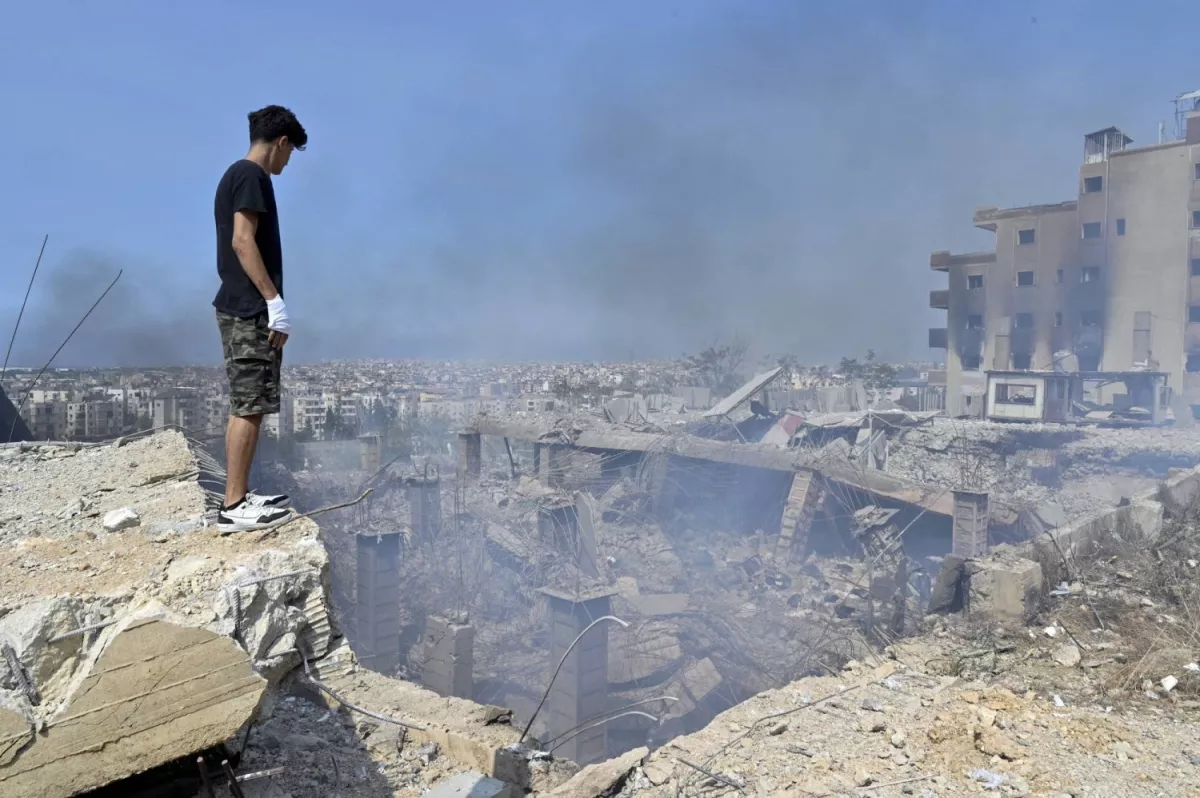
The global economy was suffering significantly from geoeconomic confrontation: tough tariff wars were undermining trade and investment, disrupting established supply chains and restricting access to raw materials, which in turn weighed on industrial production. Then, in late February, geopolitical tensions that had been building for months escalated into full-scale hostilities in the Persian Gulf region. The months-long blockade of the Strait of Hormuz pushed up hydrocarbon prices and triggered severe fuel shortages across Europe and Asia.
Azerbaijan is weathering this turbulent period from a position of strength: the budget remains in surplus, while the balance of payments is stable. The main driver of this growth is the strong expansion of the trade surplus that began in March and continues to boost government revenues.
Experts at the Dutch banking group ING Group note in their macroeconomic review of the CIS region that Azerbaijan’s external economic position remains very strong despite all the risks stemming from the Middle East conflict, while high energy prices are expanding the country’s export potential. According to ING analysts, every additional $10 added to the price of a barrel of oil generates approximately $3 billion in annual exports for Azerbaijan (around 4% of GDP) and an additional $1.5 billion–$2.0 billion in budget revenues.
The report also emphasizes that the country’s total sovereign assets — the combined reserves of the Central Bank and the State Oil Fund — amount to around 115% of GDP. This substantial financial cushion ensures the stability of the national currency: the manat’s hard peg to the US dollar (AZN 1.70 per $1) is expected to hold even if oil prices temporarily fall below the notional break-even level of $60 per barrel.
For now, however, prices show no sign of falling. The latest escalation in the Middle East is only pushing them higher. Last Friday, the price of Azerbaijan’s Azeri Light crude (on a CIF basis, delivered to the Italian port of Augusta) rose by 2.96%, settling at $105 per barrel.
By comparison, the state budget for the current year was based on a much more modest benchmark price of $65 per barrel. This gap between projections and reality not only boosts current tax revenues but also creates an opportunity to channel excess revenues into sovereign funds.
As a result, by August 1, 2026, Azerbaijan’s strategic foreign exchange reserves had surged 12.2% year-on-year to $86.815 billion. The lion’s share of these funds is held by the State Oil Fund: by the end of the first half of the year, SOFAZ assets stood at $72.6 billion. Direct export revenues — from the sale of profitable oil and gas, acreage and bonus payments, as well as the transit of hydrocarbons under international contracts — generated AZN 4.9 billion ($2.88 billion) for the Fund in the first six months.
Another key source of SOFAZ funding is investment activity. In the first half of the year, asset management generated an additional AZN 3.6 billion for the Fund ($2.11 billion).
For a long time, the State Oil Fund pursued an explicitly conservative investment strategy. Nearly 70% of its bond and money-market portfolio was allocated to the most secure assets, with the highest AAA ratings. Until recently, two-thirds of the Fund’s total assets were invested in government securities and Treasury bills. This approach minimized risks, but also ensured only modest returns.
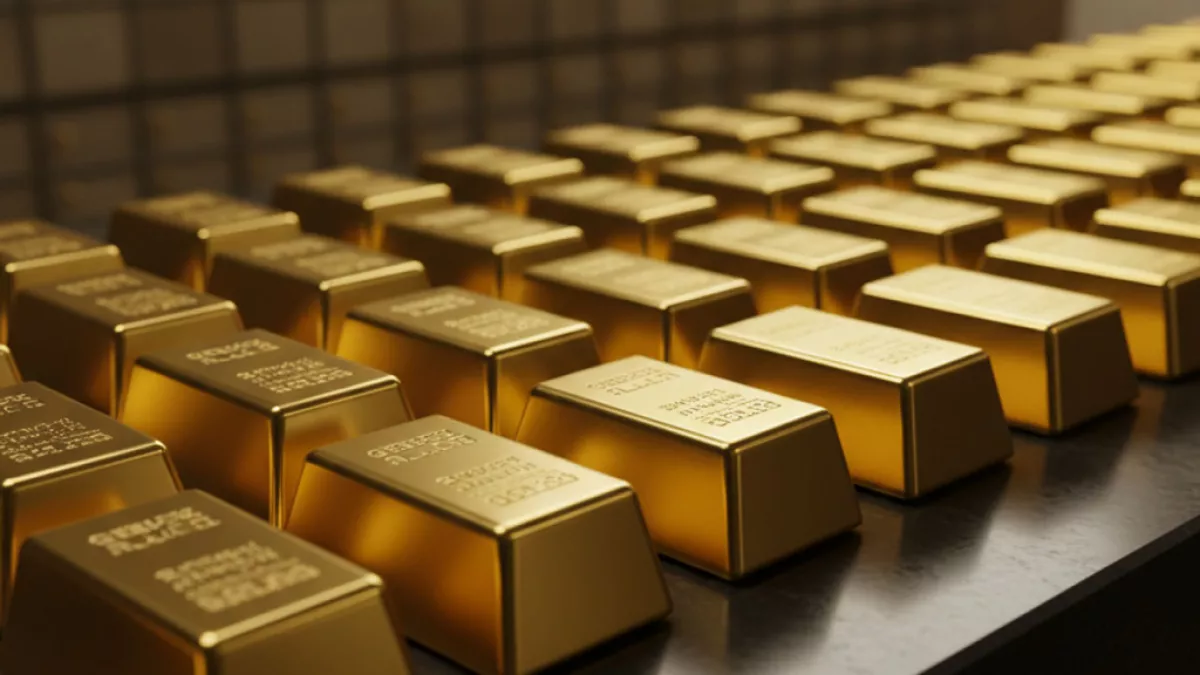
However, over the past three to four years, the Fund has radically revised its investment structure. The share of bonds and short-term money-market instruments has been reduced to one-third of the portfolio. Against the backdrop of growing global instability, SOFAZ has turned to defensive assets and, by the end of last year, purchased an additional 53.4 tonnes of gold, bringing its total gold holdings to a record 200 tonnes. Today, gold accounts for more than one-third of the Fund’s total assets.
At the same time, SOFAZ began actively expanding its exposure to commercial real estate and shares of major global companies. Under its new investment model, the Fund allocates capital to highly rated equities through international indices, generating significantly higher returns. The strategy is based on passive investment in the MSCI World Index (Morgan Stanley Capital International World Index). It covers 1,283 major companies from 23 developed countries across 11 economic sectors, with a combined market capitalization of more than $70 trillion. The Fund purchases these securities strictly in proportion to each issuer’s market weight.
Among the State Oil Fund’s key holdings are technology giants such as Apple, Microsoft, NVIDIA, Google, Amazon, Meta, Broadcom and Tesla, as well as pharmaceutical giant Eli Lilly. In addition, SOFAZ has been actively expanding its presence in the Italian capital market, where its investments surpassed $3 billion as early as last year. In Italy, the Fund invests in solar energy projects, high-speed railways, as well as major infrastructure and energy companies.

As of January 1, 2025, corporate securities accounted for 22.1% of the State Oil Fund’s total portfolio. This trend continued last year and into the current year, and by September, the diversification strategy had clearly begun to pay off. By mid-year, the value of shares in companies from developed markets held in the SOFAZ portfolio had risen to $18 billion, up from $16.5 billion at the end of 2025 — an increase of 9.1% in just six months.
According to estimates by the International Monetary Fund, continued high commodity prices and the gradual recovery of financial markets will allow SOFAZ reserves to keep growing, while its strategy of increasing exposure to corporate equities will provide Azerbaijan’s sovereign wealth fund with consistently strong returns.







 editor@caliber.az
 +994 55 444-88-98
 Азербайджан, Баку, ул. Низами, 203, Af Business House, 5-й этаж