










What will Germany choose: change or an AfD ban? Analysis by Limansky
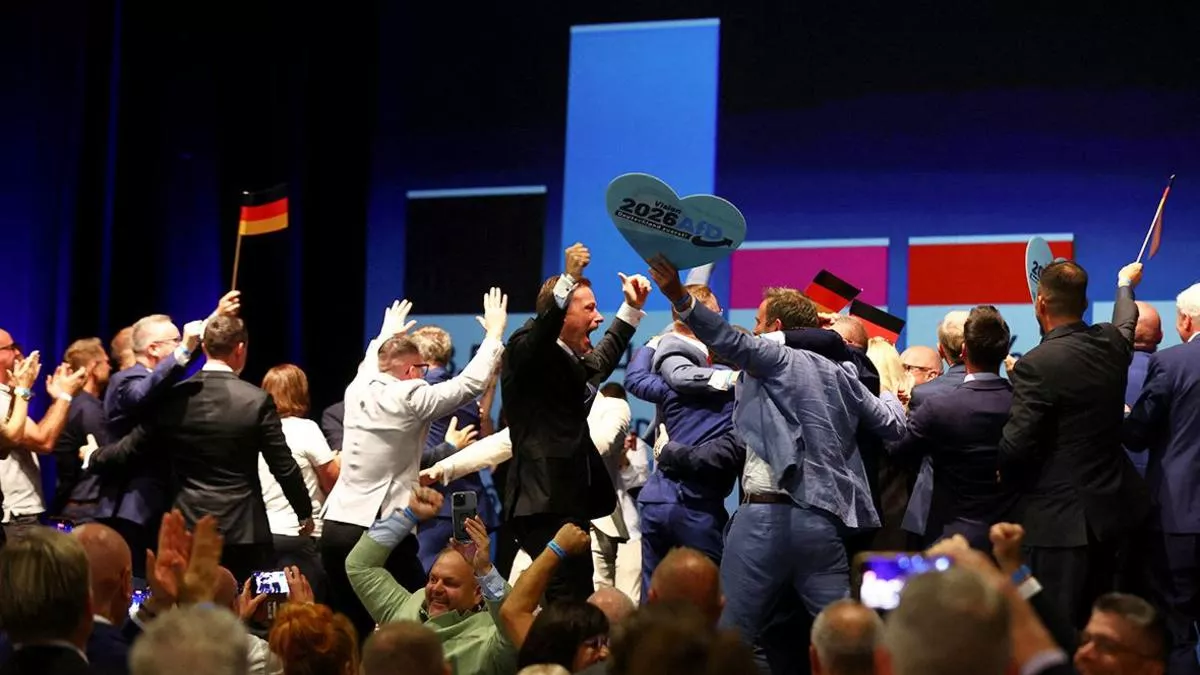
The victory of the Alternative for Germany (AfD) in Saxony-Anhalt has become a serious challenge to Germany’s political system. For the first time since the Second World War, the far right has a real chance of coming to power in one of Germany’s states. How will the government respond — by changing course or attempting to ban a popular party?
An unexpected result
The elections in Saxony-Anhalt ended in an electoral triumph for the AfD: the right-wing populists routed their opponents, winning 43.8% of the vote. The main blow was dealt to the Christian Democratic Union (CDU), whose support collapsed by half to 17.2%. Against this backdrop, the Social Democratic Party (SPD) at 9.3% and the Greens at 8.9% managed only marginal gains, while the Free Democratic Party (FDP) left the state parliament altogether. The crisis of confidence also hit the Left Party, which fell to 8.6%. Clearly, the Left’s embrace of a “progressive agenda” and gender issues cost it support among its traditional working-class base, which opted for a conventional social agenda combined with tough rhetoric against the establishment.
By contrast, the left-wing populist Sahra Wagenknecht Alliance (BSW), which split from the Left Party precisely over these ideological differences, made a successful debut with 5.3% of the vote and entered parliament. At the same time, the liberal FDP, which is not part of Germany’s current federal government, won just 2.6% in the state, becoming the biggest loser of the race and losing all its seats in the state parliament. The election was marked by unprecedented civic engagement, with voter turnout reaching a record 77.8%.
The AfD went into the election promising that, if it came to power, it would tighten deportation rules, ban rainbow flags in state schools, provide funding only to “democratic” and “patriotic” NGOs, reform the security services, which are wary of right-wing populists, improve relations with Russia and abolish compulsory school attendance. The AfD has been accused of racism and Islamophobia, allegations the party denies.
The AfD’s victory was predictable, but its final result was nevertheless unexpected and exceeded all forecasts. Many foreign commentators regard migration as the main reason for the populists’ success. However, most Germans today are primarily grappling with serious economic problems. The policies pursued by the federal government, with the CDU as a participant, have resulted in an industrial crisis, particularly in the automotive sector.
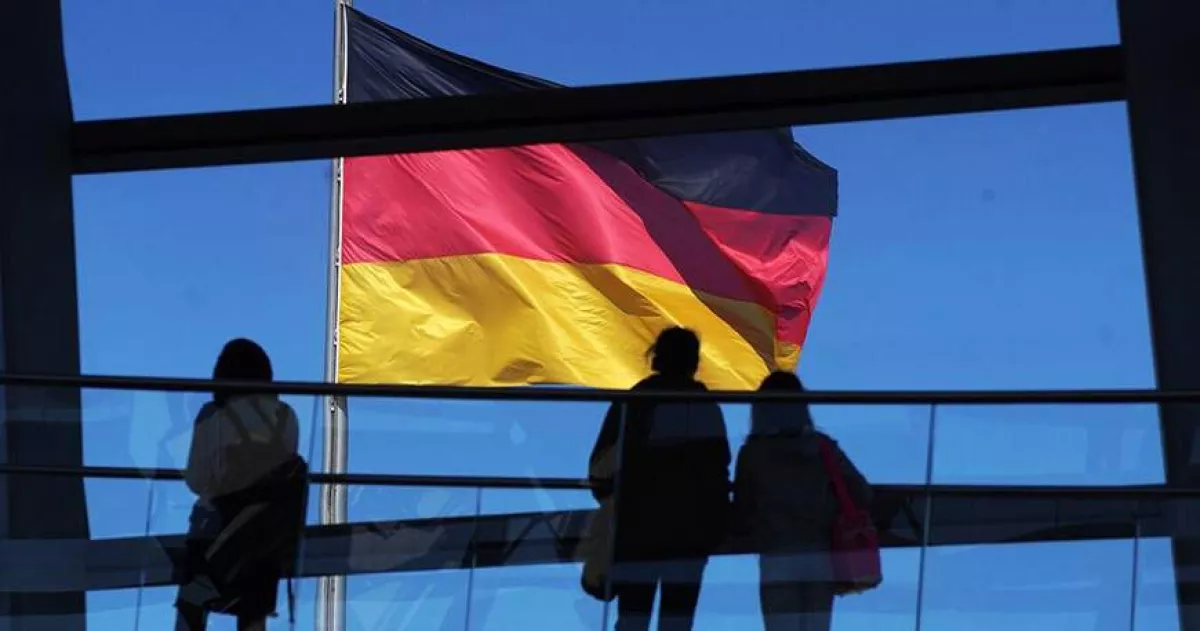
In 2025, 177,000 jobs were eliminated in German industry. Prices and tariffs are rising, while spending on social services is being cut. Germans are also alarmed by unprecedented militarisation and the growing threat of war. The virtually forced promotion of the LGBT agenda is another source of particular irritation. Many Germans are also unhappy with what they see as the widespread dictates of the EU and Brussels.
As for migration, the new CDU-led federal government attempted to swiftly tighten measures in this area after coming to power. However, neither these steps nor Chancellor Merz’s tough rhetoric towards migrants saved the party from a heavy defeat in the regional election.
Data published by the Infratest dimap polling institute on September 7 confirm precisely this hierarchy of voters’ priorities. Social security ranked first, with 25% of voters identifying it as the most important issue. Peace and preventing war in Europe came second, at 17%. Migration ranked considerably lower, with only 9% of respondents describing it as an important issue.
At the same time, the AfD’s election programme contained no particularly notable social promises. In economic policy, the party also essentially follows a liberal approach. Nevertheless, the far right managed to tap into and exploit broader anti-establishment sentiment.
Saxony-Anhalt, as part of the former GDR, remains one of Germany’s most economically depressed regions. Its residents, like people in other eastern German states, believe they face discrimination. It is therefore unsurprising that right-wing populists are campaigning on what is almost an “economic separatism” platform. AfD co-leader Tino Chrupalla even proposed creating a “special economic zone” in eastern Germany so that the region would not become an appendage dependent on “Berlin’s money”.
The Alternative also succeeded in taking from the Left Party the image of a defender of eastern Germany.
The AfD is also the most popular party among German workers, primarily thanks to its populist rhetoric. In practice, however, the party voted in parliament against the Fair Pay Act, abstained in a vote on raising wages and advocates greater tax relief for the wealthy rather than lower-income groups. Gerrit Huy, the party’s Bundestag representative for labour policy and a businesswoman, is a vocal opponent of trade unions.
The AfD, which portrays itself as a “defender of the East”, even opposes government regulations aimed at narrowing the wage gap between eastern and western Germans.
Crushing defeat
The Alternative for Germany, as a relatively new political force, managed to mobilise a significant share of voters who had previously stayed away from elections. On Monday morning, the leaderships of the CDU and SPD convened crisis meetings. Chancellor Friedrich Merz said the party leadership was “deeply shocked” by the result, which it had “not expected” in such a form. At the same time, calls have already emerged within the CDU for Merz to resign in order to save the party from further defeats. The election results indicate that the governing parties face the prospect of being routed in other states as well and, ultimately, losing the next Bundestag election.
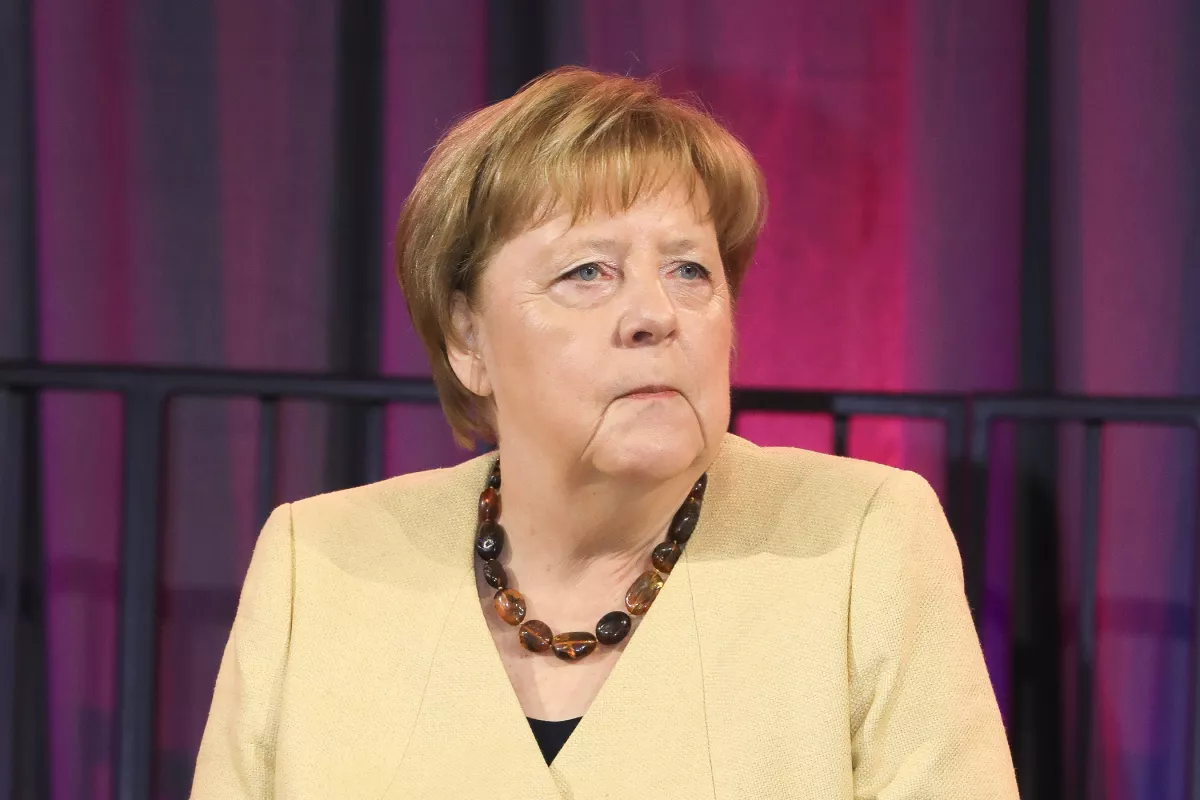
Former Chancellor Angela Merkel described what happened as a historic “insight” and admitted that, as a CDU member, it made her “heart bleed”.
However, the AfD does not have an absolute majority in the Saxony-Anhalt state parliament, meaning the party will have to seek partners to form a government. There are few options: an alliance with the CDU, SPD and Greens, or cooperation with the Sahra Wagenknecht Alliance. The Left Party would not enter an alliance with the far right under any circumstances.
Previously, the CDU maintained a “firewall” against the AfD, categorically refusing any form of cooperation. However, following the election, Saxony-Anhalt’s CDU Prime Minister Sven Schulze is no longer giving an unequivocal answer on the issue. AfD co-leader Alice Weidel immediately said that the CDU was her party’s preferred potential ally. For the right-wing populists, the conservatives are indeed their closest political partners. CDU leaders, however, continue to rule out any alliance with the “right-wing extremists”. SPD leader Lars Klingbeil has likewise said that he will not sit down at the negotiating table with the AfD.
The Sahra Wagenknecht Alliance, meanwhile, is open to dialogue with the Alternative. That said, there is no question of a coalition between Sahra Wagenknecht’s party and Alice Weidel’s AfD. The BSW is prepared to cooperate with the AfD on individual issues, but does not support the candidacy of Ulrich Siegmund and favours a non-party figure as head of the state government.
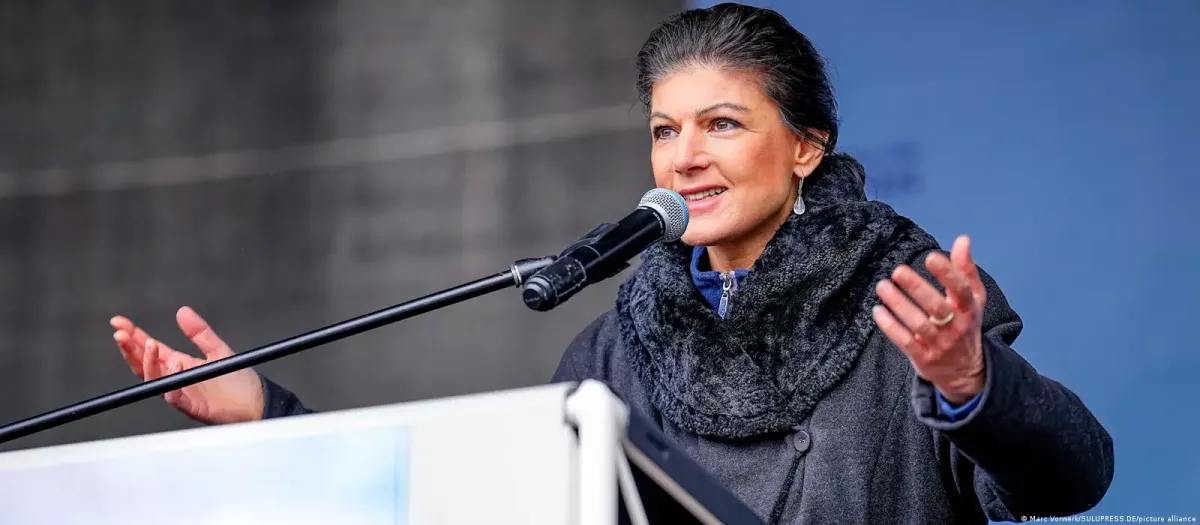
Sahra Wagenknecht herself said: “We will work with anyone who is prepared to implement the changes that the people of our country want. Of course, there are a number of positions in the AfD’s programme that we do not share. We will not support them and will actively oppose them.”
The Alternative itself, which follows a fairly bourgeois economic platform, is likewise not particularly enthusiastic about “Red Sahra’s” social demands.
Will the Alternative be banned?
Another mechanism is now being deployed against the right-wing populists’ rise to power: street protests. The “Resistance” alliance has already announced a mass protest in Magdeburg on October 6, when the new state parliament holds its first session. The aim of the protest is to put pressure on lawmakers, including representatives of the CDU and BSW, to prevent the confirmation of AfD candidate Ulrich Siegmund as head of the Saxony-Anhalt state government.

The ruling coalition now faces a fundamental question: what conclusions will it draw, and is it prepared for a radical change of course, particularly in the socio-economic sphere? Probably not. Thorsten Frei, leader of the CDU/CSU parliamentary group in the Bundestag, has already said that he sees no alternative to the government’s current reform agenda.
Chancellor Merz attributes the defeat primarily to the CDU’s failure to “establish an emotional connection with voters in Saxony-Anhalt”. At the same time, the chancellor has described a future state government involving the AfD as “far-right” and said that “the German Constitution provides sufficient instruments to protect the democratic order”.
Calls to ban the Alternative for Germany as a right-wing extremist organisation have been circulating for some time. The Federal Office for the Protection of the Constitution (BfV) and its state-level branches classify certain AfD organisations as right-wing extremists. However, the status of the party at the federal level remains a separate issue. The AfD branch in Saxony-Anhalt has been classified by the security services as a “proven right-wing extremist organisation”. North Rhine-Westphalia Minister-President Hendrik Wüst has already called for a working group to examine the possibility of banning the AfD.

In Frankfurt am Main, several thousand people took part in a demonstration demanding a ban on the AfD. Similar protests were held in Berlin and Mainz. Meanwhile, the question of forming a state government remains unresolved.
While AfD co-leader Alice Weidel insists that the party should take executive power, election winner Ulrich Siegmund is taking a different, more uncompromising stance. He has already rejected the Sahra Wagenknecht Alliance’s proposal for a non-party head of the state government, saying he will not compromise and will only enter into an agreement with those who fully support the AfD’s policies.
If an agreement cannot be reached even with individual lawmakers, Siegmund will call for new elections, in which, he predicts, the right-wing populists could win as much as 50–55% of the vote. A minority government is also theoretically possible.
According to the latest polls, 64% of Germans are concerned about the Alternative for Germany’s victory, while only 24% welcome it. However, the election results in Saxony-Anhalt could have even more far-reaching consequences for the European political landscape. A victory for right-wing populists in one of the states of the EU’s leading power could give further momentum to far-right forces in other countries, including France, which is preparing for presidential elections, and could ultimately trigger a chain reaction across Europe.







 editor@caliber.az
 +994 55 444-88-98
 Азербайджан, Баку, ул. Низами, 203, Af Business House, 5-й этаж