










Technologies from the future are already here: from flying cars to AI Reflections by Teymur Atayev
The beginning of the week brought truly remarkable news: Dutch company PAL-V has received a Production Organisation Approval (POA) certificate from the European Union Aviation Safety Agency (EASA), paving the way for the mass production and market launch of certified FlyDrive vehicles — those very “flying cars”.
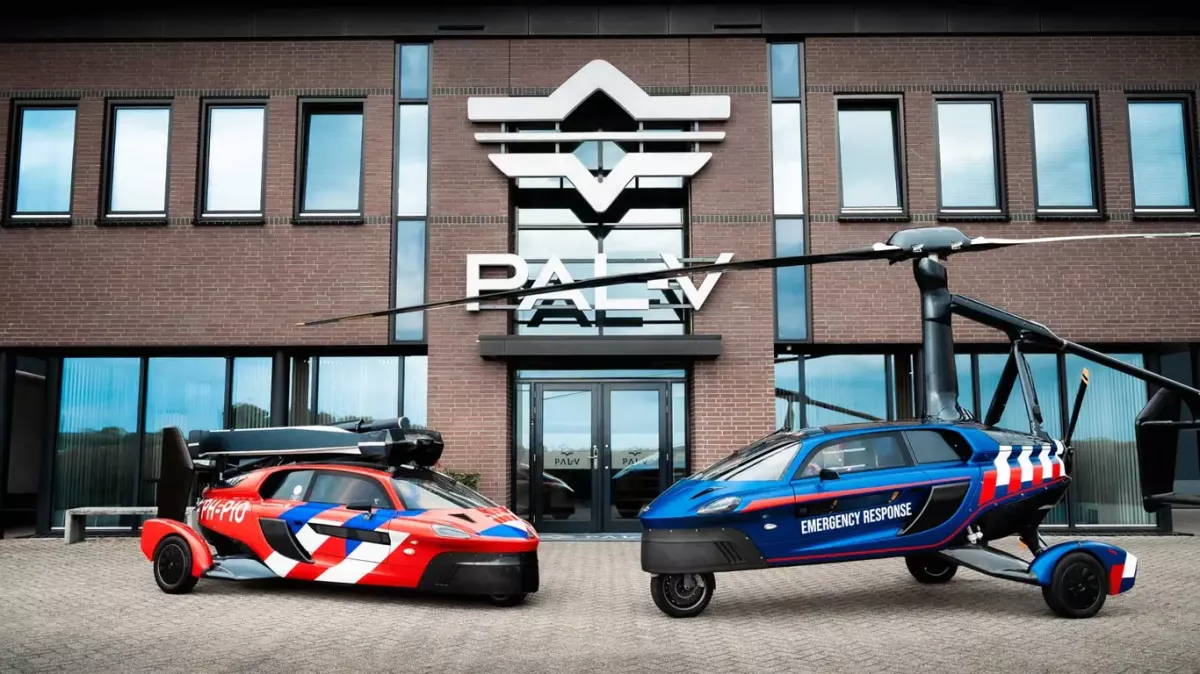
In other words, before our very eyes, a long-standing problem is finally being solved: when it is necessary to save human lives, deliver specialists to hard-to-reach areas or transport critical cargo quickly, there will no longer be a need to choose between ground and air transport. FlyDrive combines the advantages of both: the speed of aviation while travelling and the manoeuvrability of an ordinary car after landing.
Isn’t that remarkable? Especially when we recall the famous scene from the 1965 film Fantomas Unleashed, in which the hero’s car takes off, effectively transforming into an aircraft. Surely, 99 per cent of viewers at the time could never have imagined that, decades later, science fiction would become reality.
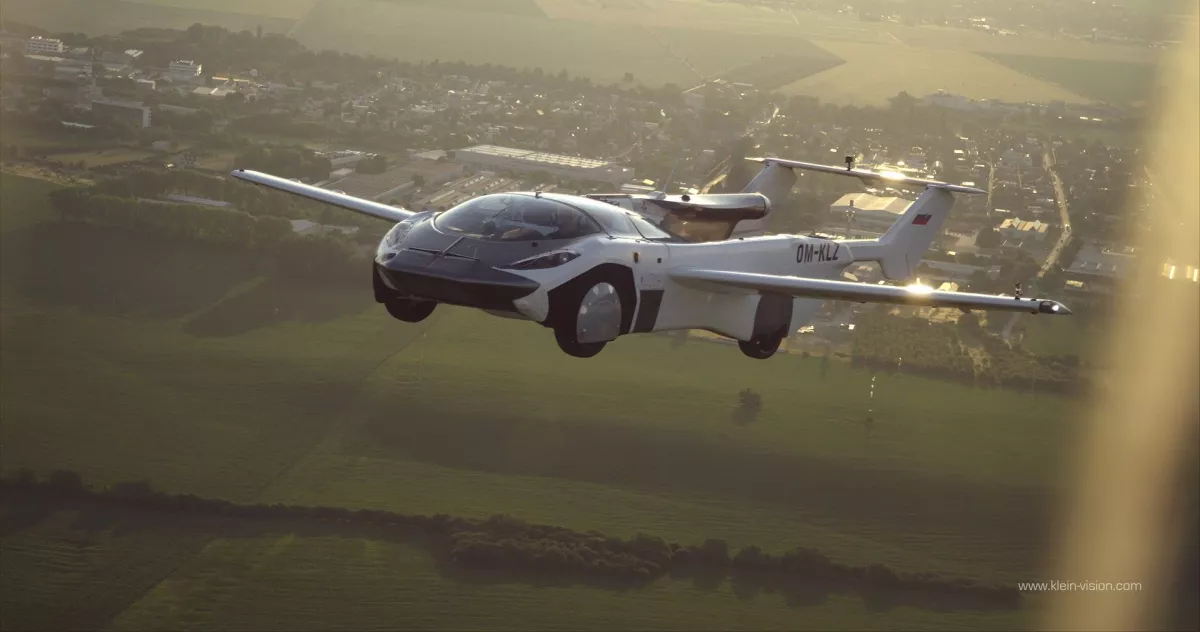
Moreover, five years ago, the AirCar flying-car prototype completed a 35-minute flight between Nitra and Bratislava. Powered by a BMW engine and running on ordinary petrol, the vehicle can travel around 1,000 kilometres at an altitude of 2,500 metres, while transforming into an aircraft in just 2 minutes and 15 seconds.
In 2022, Slovak company Klein Vision received the first European airworthiness certificate for a hybrid vehicle combining a car and an aircraft. By that time, the two-seater AirCar had completed more than 200 take-offs and landings, with a total flight time exceeding 75 hours.
More broadly, it is fascinating to see how the historical period we are living through is creating technological opportunities to turn ideas from books and films once considered science fiction into reality. In the case of Fantomas, we can see a clear link with the present day — a car-aircraft that is becoming a reality before our very eyes.

This also brings to mind the story of Motorola chief engineer Martin Cooper, who developed the world's first mobile phone. According to Cooper, the inspiration for the mobile communications device he created came from the wristwatch with two-way radio communication used by detective Dick Tracy in the 1930s comics, which Cooper encountered as a child. Beyond that, the world knows of numerous cases in which descriptions of various objects in books once regarded as science fiction eventually, decades later, ceased to be perceived as something supernatural.
Consequently, the technological breakthrough of the historical moment we are experiencing, enhanced by artificial intelligence (AI), offers a wealth of positive opportunities for our lives, although, unfortunately, we also frequently encounter less welcome aspects of this process.
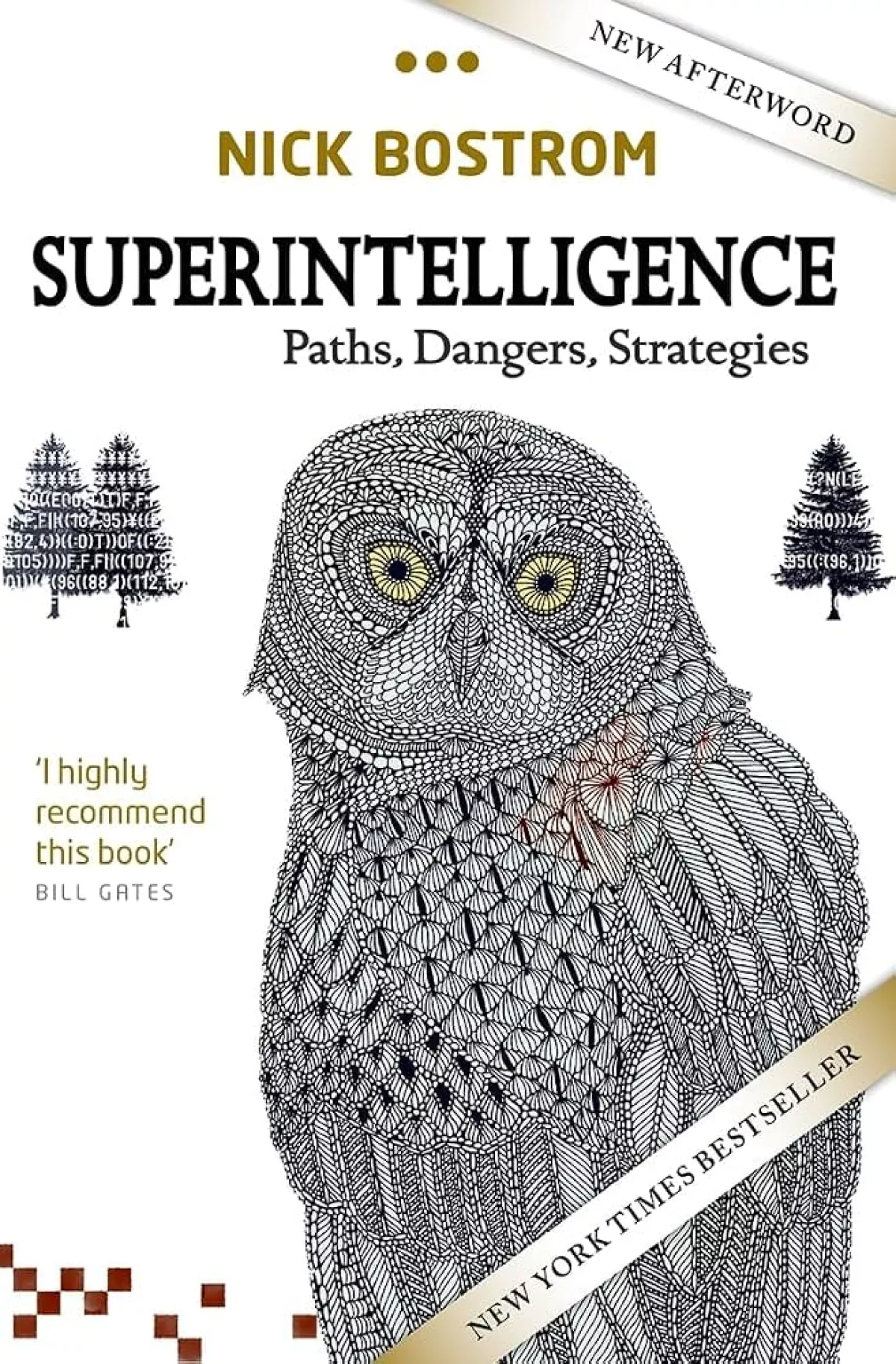
In particular, Swedish philosopher Nick Bostrom, in his 2014 book Superintelligence: Paths, Dangers, Strategies, warned of the possibility that an “intelligence explosion” could result in the emergence of a superintelligence capable of posing an “existential threat” to humanity. He therefore argued that it is important to develop mechanisms in advance to control the actions of such a superintelligence and ensure that they remain aligned with humanity’s interests.
Of course, we will not delve into the details of what harm a flying car could potentially cause to humanity, or why — specialists will no doubt be able to outline all the “pros” and “cons” of this technological marvel. Instead, let us simply note that seeing ideas that were considered science fiction until very recently become reality before our eyes cannot help but inspire a sense of wonder. And this speaks to the greatness of humanity and the virtually limitless possibilities at its disposal!
The question, however, is whether all of us, without exception, are ready to move exclusively along the path of progress, avoiding steps that could complicate not only our own lives but also those of the generations that follow us.







 editor@caliber.az
 +994 55 444-88-98
 Азербайджан, Баку, ул. Низами, 203, Af Business House, 5-й этаж