










Middle East war and European sovereignty Challenges ahead
One of the consequences of the new war in the Middle East is the changing foreign policy outlook of European countries. In just a few years, the political discourse there will differ significantly from what it is today—and even more so from its earlier versions.
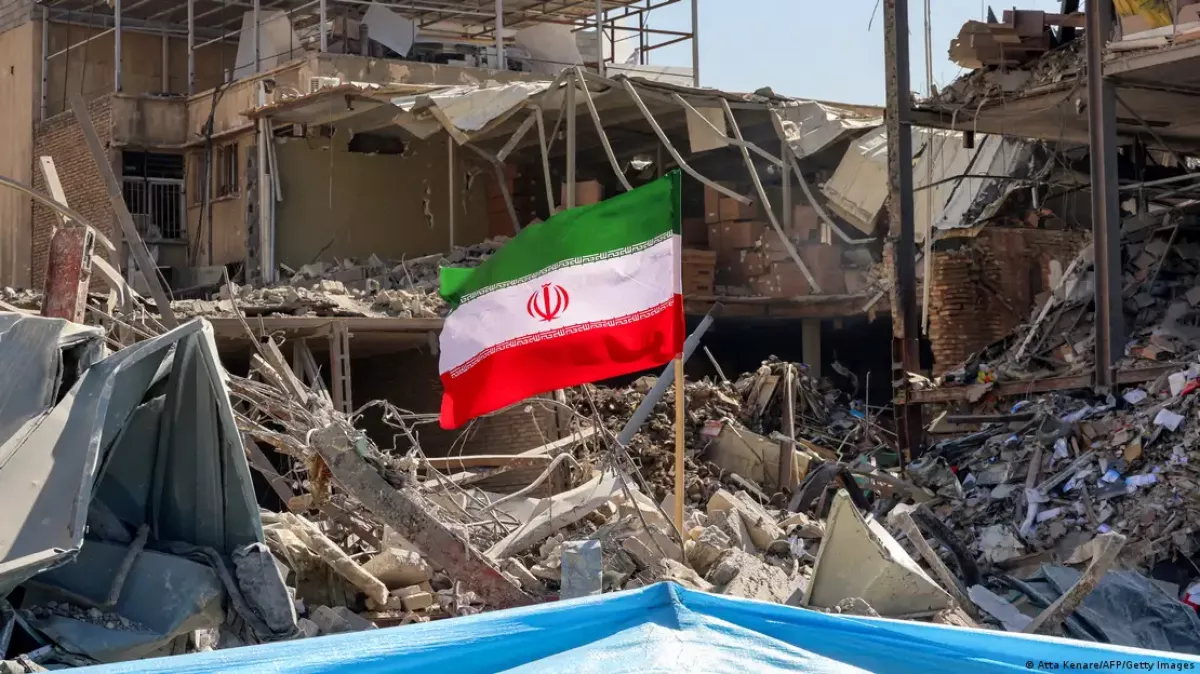
European states continue to face extremely painful consequences from the new war in the Middle East. As previously noted, Europe quickly became the second region—after the Persian Gulf countries themselves—to find itself effectively held hostage by the unfolding situation. With each passing day of active hostilities, the negative effects are becoming more widespread and multifaceted.
Middle East turmoil: multiple challenges for Europe
European media headlines are increasingly marked by alarmism, highlighting the most visible consequences of the crisis. The most sensitive and noticeable of these is the sharp rise in energy prices, which is hitting the budgets of most households and the competitiveness of the entire European economy. It is clear that this situation causes not only concern among mainstream political forces but genuine anxiety. If prices do not fall back in the near future, the Middle Eastern crisis could become the greatest gift to far-right and far-left parties, which are already rapidly gaining popularity in many EU countries.
However, the painful and politically dangerous consequences of the Middle Eastern war for Europe are not limited to the cost of oil and gas. The list of emerging problems also includes increasingly complicated logistics, which—amid the merging of several conflicts across different parts of Eurasia into a broader chain of instability—has become a serious headache in itself. There are also growing inflationary risks. And, of course, there are the even more worrying implications for European governments regarding the course of the Russia-Ukraine war.
Separately, one can point out the clearly negative—though not yet fully understood—effects of the Middle Eastern war on Euro-Atlantic cooperation. This cooperation has already become a major strategic challenge for European NATO members, who for many decades have relied on the American security umbrella and reaped numerous benefits from the so-called “peace dividend.” Today, however, Washington’s overtly unilateral actions—which did not even include prior consultation with European allies regarding its plans for Iran—have intensified this challenge to its limits.
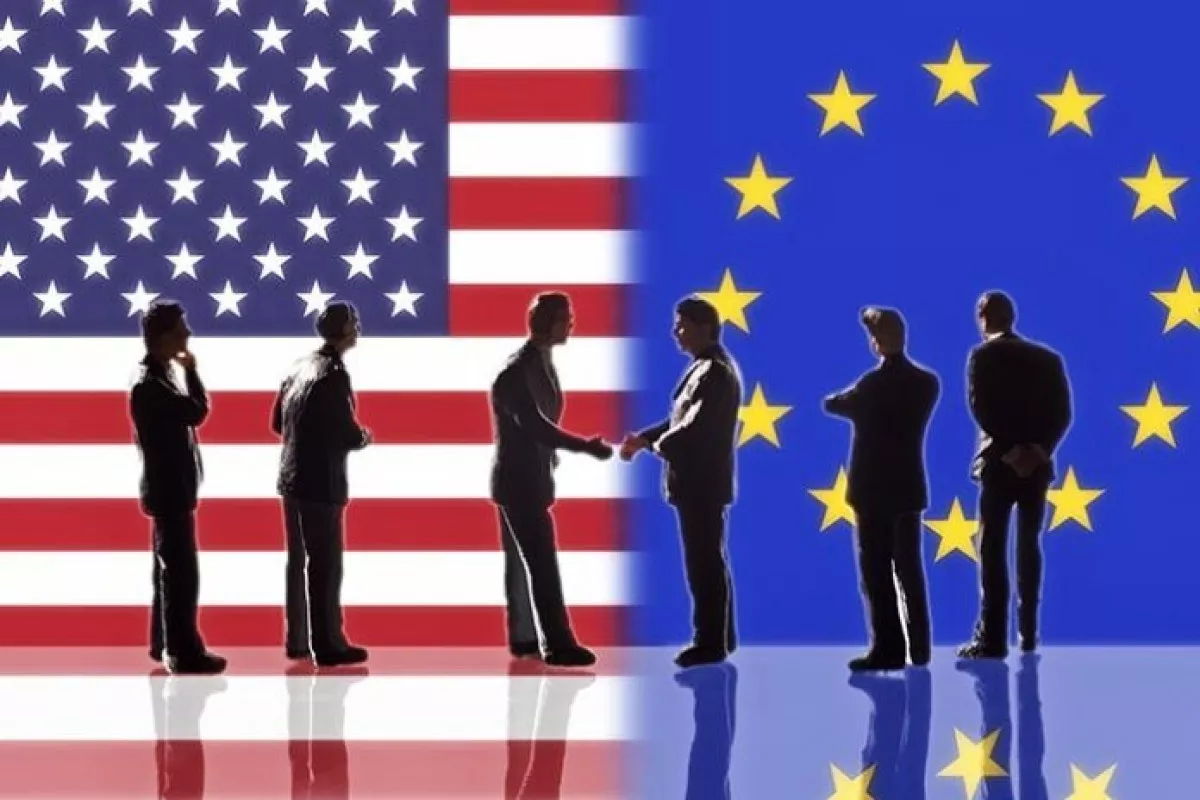
The problem has multiple dimensions, many of which require detailed analysis on their own. For now, we will focus on just one: the factor of European countries’ sovereignty in the context of U.S. global policy, as well as the real capacity of European nations to defend their sovereign interests under an administration—such as Trump’s—that favours unilateral action.
Schematically, this challenge for NATO members in Europe looks like this: your closest ally and main guarantor of your security takes unilateral actions that immediately create several serious problems for you.
First, there is the problem of interpreting events through the lens of international law and your favoured concept of a rules-based world. Not long ago, you were firmly appealing to most countries on the planet, effectively demanding that they align with you in the unconditional defence of this concept in the context of the war in Ukraine. At that time, everything seemed clear and straightforward. Any arguments, for example, about the national interests of Global South countries and the resulting inability to take a strict normative stance, were dismissed as unprincipled “sitting on the fence.” Yet now, your own interests are pushing you onto that very same fence.
Second, the problem for you is not limited to the complexity of legal and political interpretation. Your main ally expects some form of active participation from you—or at the very least, your support. The difficulty lies not only in the fact that these expectations are tied to your ally’s unilateral goal-setting, with no perceived need to consult or even inform you of their intentions, but also in the fact that their actions produce obvious consequences that contradict your own interests.
So how should you act in such an unusual situation, both in terms of its content and its scale?
A mosaic of extremely cautious European reactions
The first week and a half of the war in the Middle East has already shown that Europe’s allies of the U.S. are reacting in different ways. Naturally, all of them are trying to minimise their immediate costs—primarily by avoiding active involvement in events that carry even greater risks for them. At the same time, they are mindful of their future relations with Washington and are therefore trying to find a course of action that will not provoke serious rejection or pushback from the U.S. authorities. Yet the rhetoric and actions of European capitals remain far from uniform.
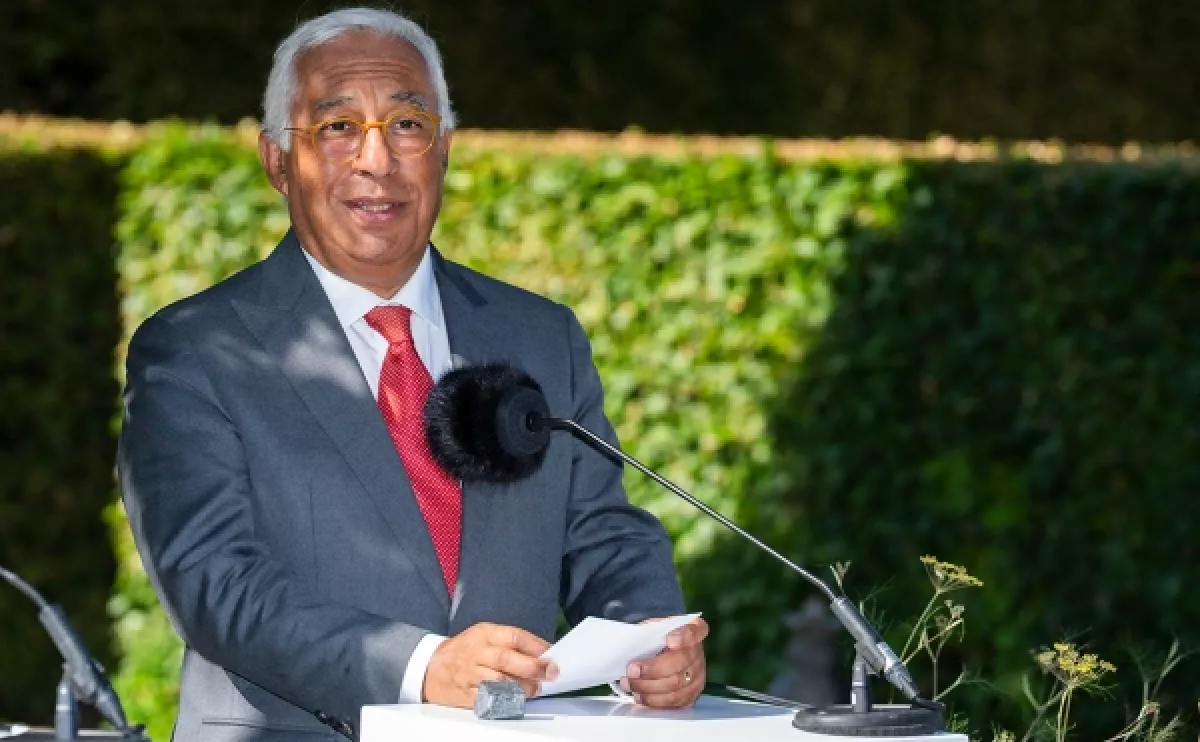
Some countries are expressing their disagreement with their main ally’s decisions cautiously and with restraint, yet their dissent remains clearly visible. As the military campaign drags on, European politicians are becoming bolder in their statements. A number of high-ranking officials in EU member states and institutions have already made critical comments. For example, at the EU ambassadors’ annual meeting, European Council President António Costa stated that the U.S. “challenges the international rules-based order,” placing Washington on a par with Russia and China.
At the same time, European criticism is not only cautious and wrapped in vague language and rhetorical hedges—it, most importantly, remains largely rhetorical.

Arguably, the only country that has dared to openly oppose the U.S. administration is Spain. It's Prime Minister, Pedro Sánchez, directly prohibited the U.S. from using military bases on Spanish soil for operations in Iran. Even after threats from Donald Trump to sever trade relations with Madrid, Sánchez did not change his stance. Moreover, he effectively issued an anti-war manifesto, emphasising that Washington’s actions and demands contradict Spain’s interests. In his words, “Real allies owe each other mutual support in times of struggle, but not blind obedience down a reckless path.”
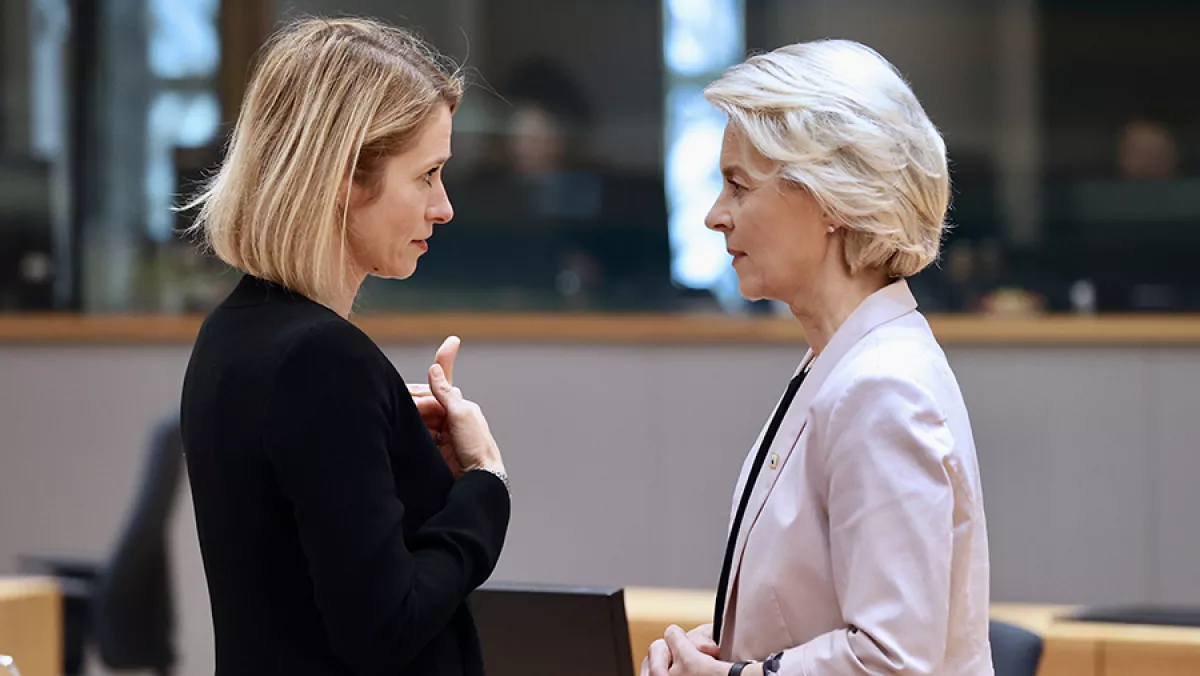
At the same time, there are examples of completely different reactions from European countries and officials. Even within the framework of the aforementioned annual EU ambassadors’ conference, the statements of other senior figures—such as European Commission President Ursula von der Leyen or the EU High Representative for Foreign Affairs and Security Policy, Kaja Kallas—were far more cautious. They offered no direct criticism of the U.S., only very vague hints, while giving more attention to justifying the “moral side” of Washington’s actions.

Germany’s Federal Chancellor Friedrich Merz is worth mentioning separately. The day after the outbreak of the Middle Eastern war, he expressed doubts about the ability of the U.S. and Israel to achieve their political objectives through military means. However, he immediately emphasised that Berlin was not in a position to “lecture” the U.S. He explained this both by Europe’s own failures in Iranian policy and by Germany’s need to work with the American president to bring the war in Ukraine to an end.
A few days later, Merz visited Washington and held talks with Trump. Many in the European Union felt that his public silence at the White House did not align with European interests. In Spain, the leadership reacted with open indignation. Foreign Minister José Manuel Albares even stated that he could not imagine previous German chancellors—Angela Merkel or Olaf Scholz—behaving in a similar manner.
What is even more striking is that Merz’s chosen public stance contradicts public opinion within Germany itself. According to recent polls, only about a quarter of the population supports the U.S. military campaign against Iran. Against this backdrop, in recent days the German chancellor has once again emphasised cautiously that he sees no clear plan for ending the Middle Eastern war, and that an “endless war” is not in Berlin’s interests.
Are EU countries deprived of sovereignty?
Here we come to one of the most interesting questions: what does this mosaic of extremely cautious reactions by European countries and politicians to events that so clearly contradict their interests actually indicate? Does it suggest that many EU countries are fundamentally deprived of sovereignty and therefore compelled to silently follow the course set by U.S. policy? In other words, are we witnessing what post-Soviet propaganda theorists famously called the “Washington regional committee”?
If we apply the logic that is traditionally used within the European Union itself toward third countries, the answer would have to be an unequivocal yes. To illustrate this point, let us consider, for example, the longstanding rhetoric of EU countries and institutions toward Belarus.
In Brussels and many other European capitals, Minsk has, for many years, been labelled—without much intellectual hesitation—as lacking sovereignty and independence in matters of foreign policy and national security. This judgment is based on the fact that Belarus coordinates many of its decisions and actions with Moscow, which, according to dominant EU perspectives, does not align with the ideal vision of state behaviour. Naturally, after the outbreak of the Russia-Ukraine war, this rhetoric intensified and has become almost the official position of the European Union.
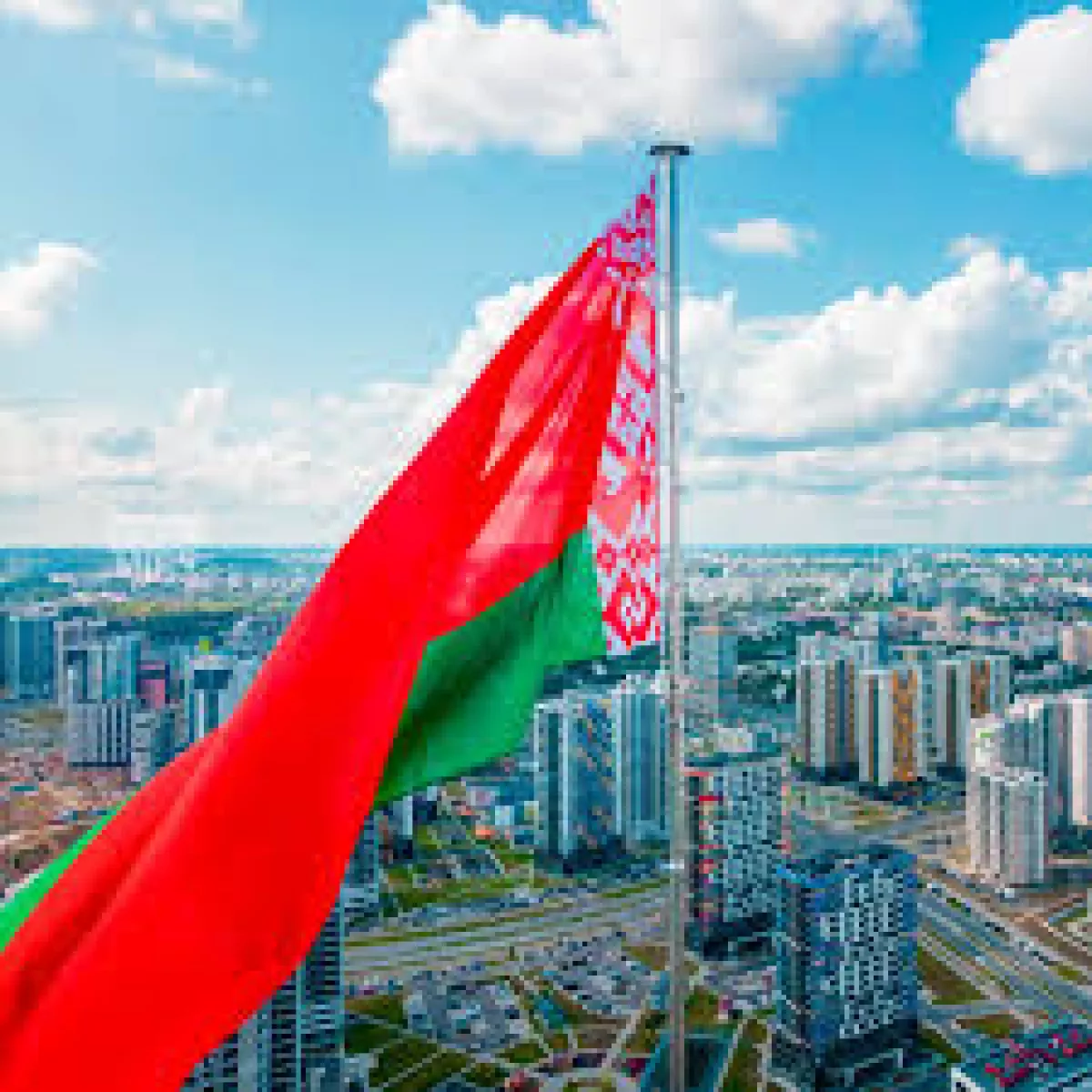
Belarus’s reminders that it maintains allied relations with Russia—both bilaterally and in multilateral formats—and that it therefore has a number of allied obligations that must be considered when analysing its policy, have long been ignored in the EU. European policymakers have been unwilling to acknowledge that Belarus’s foreign policy decisions are not made in a vacuum, but within specific geopolitical and geo-economic conditions that define what is possible and reasonable. Even more so, they have rejected criticism directed at themselves—including that offered by the author of these lines—that the EU often conflates the concepts of “sovereignty” and “room for manoeuvre.”
If one approaches the question of European countries’ sovereignty in the context of the Middle Eastern war with the same assumptions, EU politicians and officials would have to abandon any ambitions regarding European strategic autonomy. Yet they do not. On the contrary, in light of recent events, they are speaking ever more loudly about the existential importance of such autonomy—and rightly so.
As in the case of Belarus, the extremely cautious reactions of European countries to the actions of their closest ally do not indicate a lack of sovereignty; rather, they reflect its practical exercise. The diversity of reactions among different countries reinforces the same point: differing circumstances shape varying perceptions of national risks, which in turn guide distinct courses of action.
Unlike the recently rosy notions of the European mainstream, sovereignty is not about lofty words on moral impeccability or taking the “right side of history.” Sovereignty is the daily, complex process of making decisions in light of concrete circumstances, many of which are beyond your control. It involves a constant assessment of challenges and opportunities, potential costs and benefits, and the search for the least dangerous balance between them. Such sovereign decisions must be made not in the idealised world of the “end of history,” but in a real, harsh, and unpredictable reality. Choices often must be made not from among good alternatives, but according to the principle of “the best of the worst”—at least in the current reality of global disorder.
If there is any positive to be found in the expanding global chaos, it lies in the fact that life and the increasingly complex and dangerous realities of international politics are beginning to “ground” the elites of European countries. They can no longer confidently rely on the American security umbrella or enjoy the so-called “peace dividend.” For this reason, their foreign policy outlook is changing. It increasingly demands pragmatic calculation, a focus on tangible results, and leaves less and less time or space to lecture the rest of the world. Consequently, in just a few years, the political discourse in European countries will differ significantly from what it is today—and even more so from earlier versions.







 editor@caliber.az
 +994 55 444-88-98
 Азербайджан, Баку, ул. Низами, 203, Af Business House, 5-й этаж