










The echo of the Middle East war in Europe Analysis by Preigerman
The echoes of the new war in the Middle East are already being felt—or soon will be—by countries and peoples in nearly every corner of the planet. But it reached Europe faster than anywhere else.
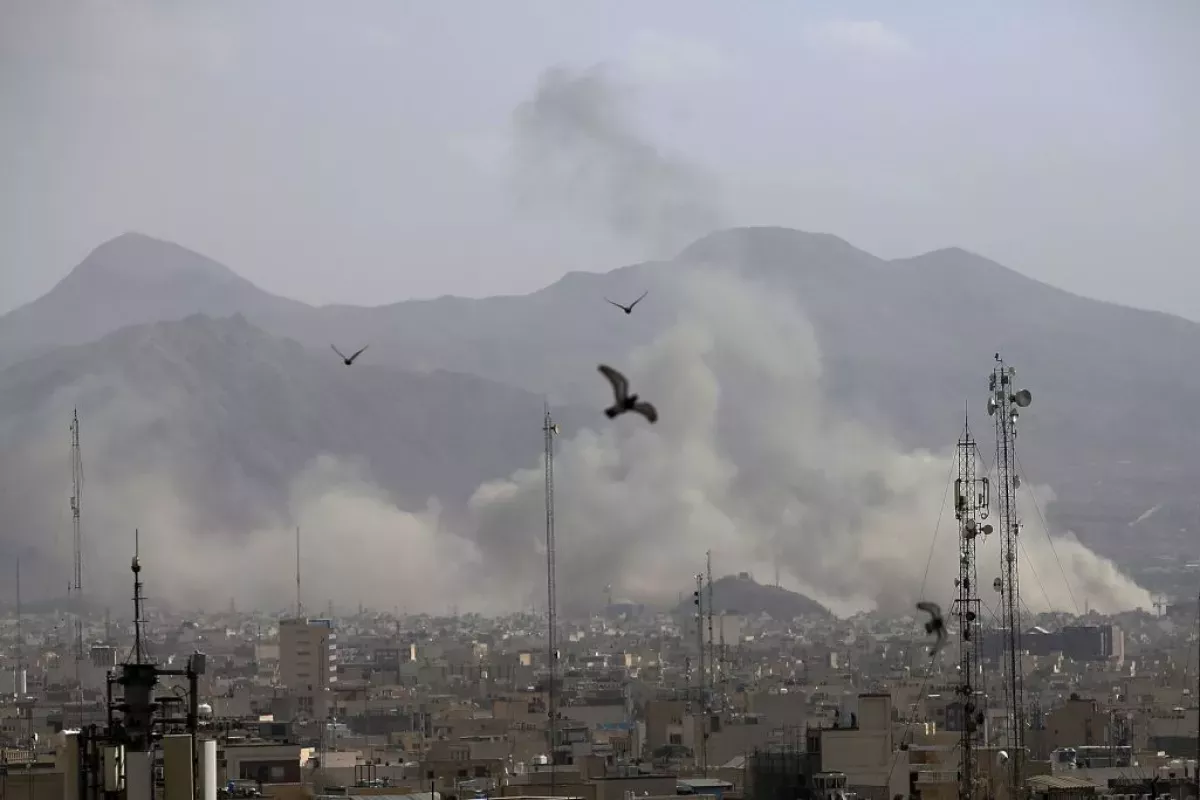
The (latest) war in the Middle East, which began on February 28, is one of those events that, while unsurprising, plunges everyone into a state of predictable uncertainty. Naturally, the countries and peoples of the region were the first to confront this uncertainty. Yet the weight and consequences of it quickly extend far beyond the region’s borders—a pattern that underscores the Middle East’s enduring significance in global politics. This effect becomes especially pronounced during periods of major transformation in the international system, one of which we are living through now.
Regardless of how the fighting unfolds, its reverberations will be felt even in the most distant corners of the globe. In some regions, they manifest as sudden spikes in security risks and threats. In others, through soaring energy prices and higher costs for certain imported goods. Elsewhere, they emerge as entirely new variables reshaping the global strategic landscape and current military-political balances. For Europe, these reverberations arrived almost immediately—already with the launch of the very first missile toward Iran. Perhaps, in reality, even sooner.
Trends of a fracturing world
The consequences of the latest Middle Eastern war—and many others beyond them—are so pronounced and widespread, not because they radically alter regional or global trends. On the contrary, this war brings nothing fundamentally new. Nothing that we haven’t, in essence, already witnessed in the Middle East or other regions in recent years. It continues key international trends that have already established their course and are moving along it steadily. And it is precisely for this reason that what is happening deserves particularly careful and serious attention.
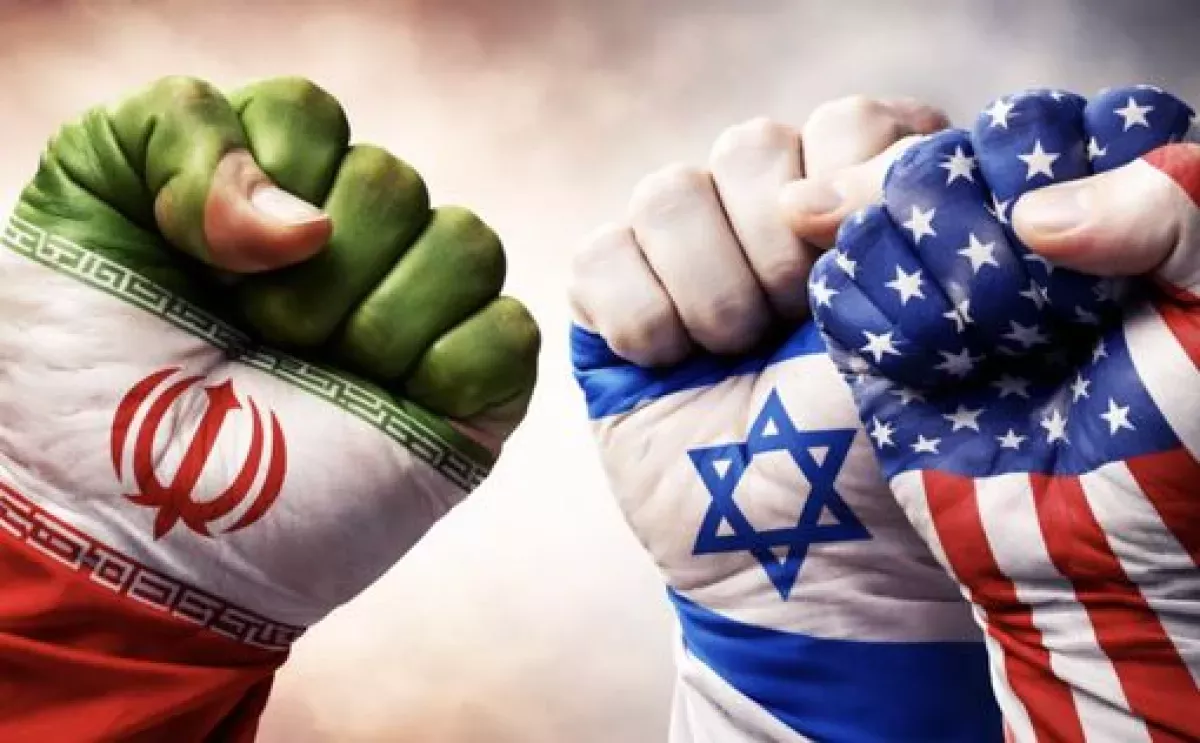
The list of trends highlighted and reinforced by Israel and the U.S.’s war against Iran is long. Four, however, stand out as especially relevant for European countries.
First, the fighting in the Middle East vividly illustrates what the growing competition among the world’s most powerful states over the future global order—and their dominant positions within it—actually means. If anyone had assumed that discussions about the planetary consequences of the Washington-Beijing rivalry were little more than academic speculation, the current events prove otherwise. The upheavals in the Middle East make this contrast particularly striking. They do not merely affect the majority of countries around the world; they also present many of them with additional dilemmas.
Second, the new war in the Middle East once again signals that the system of international institutions and law, which has been built over the past seven decades, has reached its conclusion.
Formally, the system still functions. Most of its institutional and legal foundations remain in place, continuing to operate and, in some cases, effectively addressing important issues of international development and cooperation. But the problem is that the main actors in international relations—the states themselves—are increasingly failing to treat these structures with the seriousness and responsibility they deserve. And in international relations, perception determines, if not everything, then almost everything.
This leads directly to a third trend: as the world’s states lose their reliance on international law and institutions, they increasingly turn to military capabilities as an alternative support. Moreover, the escalation of international tensions and the increasingly blatant disregard for legal norms by the most powerful states fuels the interest of weaker states in nuclear weapons as a last-resort deterrent. And the more chaotic the world becomes, the stronger this incentive grows—even for U.S. allies who, just a few years ago, were content with their position under the American nuclear umbrella.
Finally, the system is cracking not just in isolated areas, but everywhere. As a result, even conflicts that seem unrelated start to intertwine, creating a single, tangled web of crises.
The echo of the Middle Eastern war in European capitals
Against the backdrop of the newly erupted war in the Middle East, these trends have manifested in Europe immediately—and with heightened intensity.
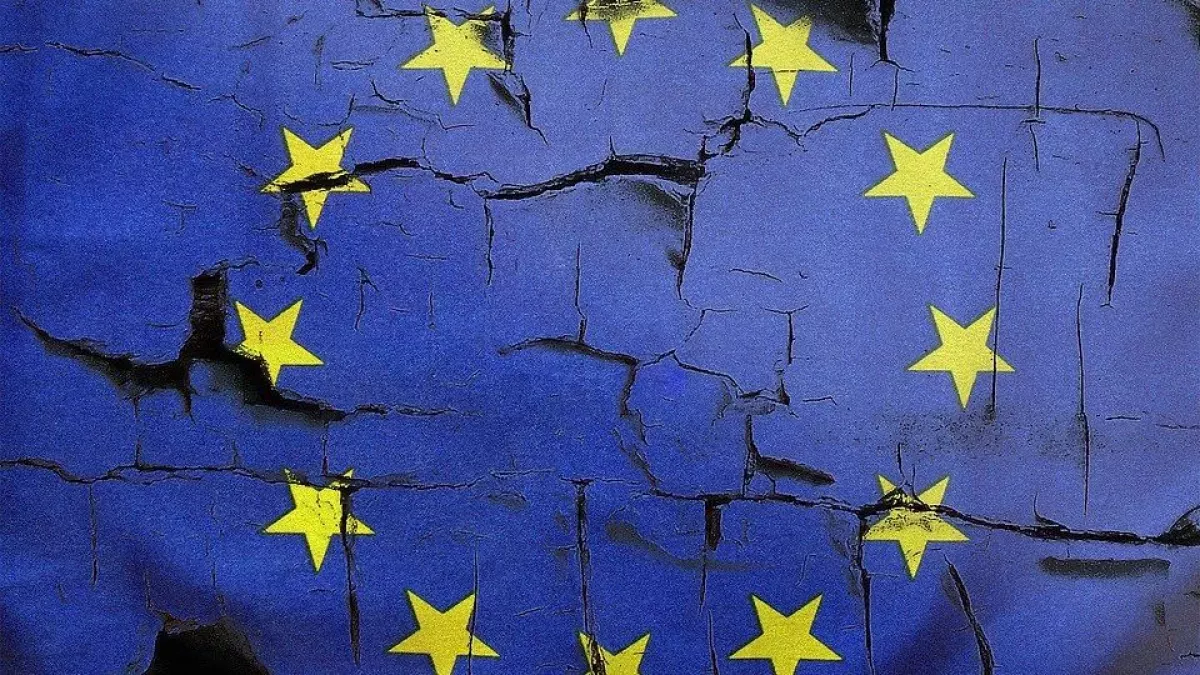
European countries have been feeling the effects of great-power competition for several years. At the very least, this rivalry has made it clear that Europe—and its main political entity, the European Union—cannot claim the status of a great power. At present, the EU lacks the necessary resources, an effective economic model, a cohesive governance structure, a strong military, and a unified vision of its own interests and place in the world. As a result, even the EU’s familiar rhetoric of being a key player on the international stage and a “trading superpower” is now almost inaudible. Among Europe’s elites, there is growing acknowledgement of a reality that presents extremely difficult political dilemmas and demands adaptation to external conditions largely beyond their control.
Since February 28, European countries and Brussels-based institutions have faced even more difficult dilemmas. Some are purely normative: what position should they take when the usual, previously convenient rhetoric about international norms and law now involves their main military-political ally? Or when instinctively they might reach for sanctions in response to external problems, but doing so is both daunting and impossible due to the lack of intra-European unity in assessing the situation.
This lack of internal cohesion is, in fact, the EU’s main weakness, preventing it from making any truly serious claims to a meaningful role in the world. Europe’s reactions to the latest Middle Eastern war underscore this point yet again.
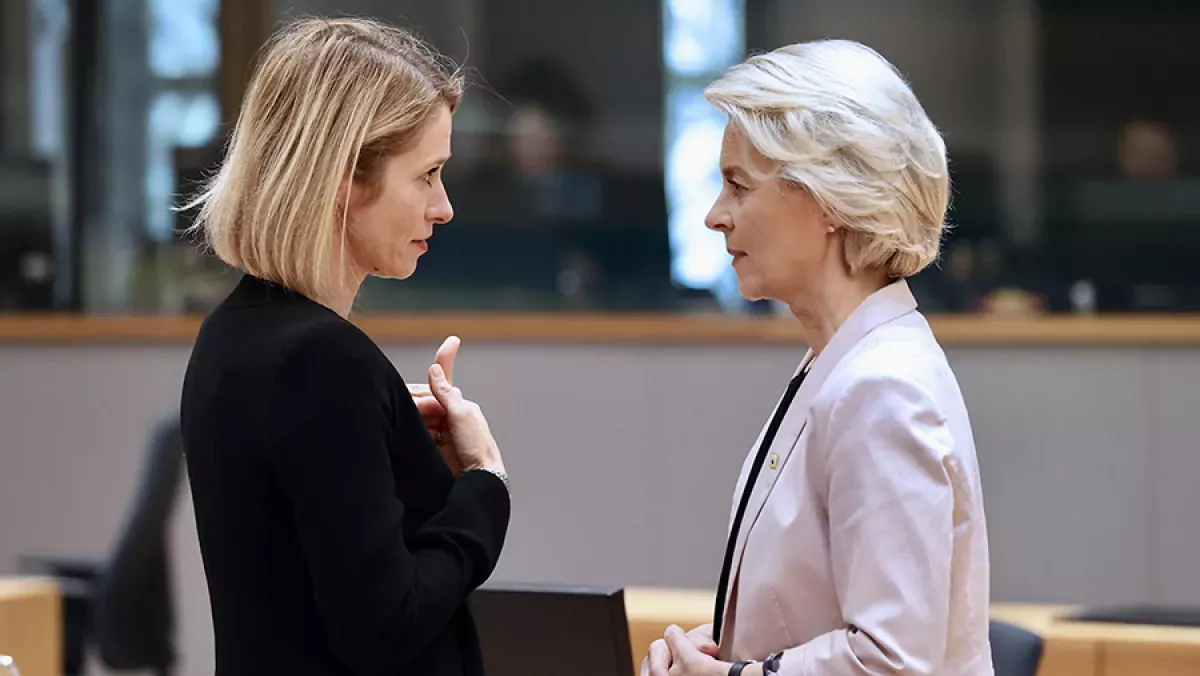
The problem now manifests not only at the interstate level—that is, in the differing national interests of the EU member states—but also within Brussels itself. In the context of the Middle Eastern war, European Commission President Ursula von der Leyen is struggling to share the spotlight as the EU’s chief diplomat with the Union’s High Representative for Foreign Affairs and Security Policy, Kaja Kallas.
The crisis in the Middle East also raises even more doubts across European countries about the prospects and reliability of their alliance with the United States. The issue is not merely that Washington’s actions provoke resistance in some EU capitals or run counter to their interests. Nor is it only that the U.S. deemed it unnecessary to inform almost any of its NATO allies in advance about its Middle Eastern intentions. In many ways, similar scenarios have already played out before.
For example, in 2003, on the eve of and immediately after the start of the U.S. campaign in Iraq. Yet the main problem for the EU today is that the world is far more fragile, and uncertainty far more extreme, making the transatlantic crisis of 2003 seem almost trivial by comparison.
This helps explain the growing interest in nuclear weapons among many EU countries. As we have noted, this aligns with a broader global trend—but in Europe, the impulse is particularly pronounced. Many European capitals that until recently would not have even entertained the idea of nuclear warheads on their soil are now shifting their rhetoric. And the potential for these countries to actually achieve their objectives is, in one form or another, far greater than in many other parts of the world.
Impact on the war in Ukraine
Finally, Europe is already feeling the effects of the Middle Eastern crisis intertwining with the war on the European continent. The longer the fighting in the Middle East continues, the more pronounced this connection will become, affecting the Russian-Ukrainian fronts and, in turn, the interests and capabilities of European countries.
It is still difficult to predict the timeline of the Iranian war or the outcomes that will emerge from it.
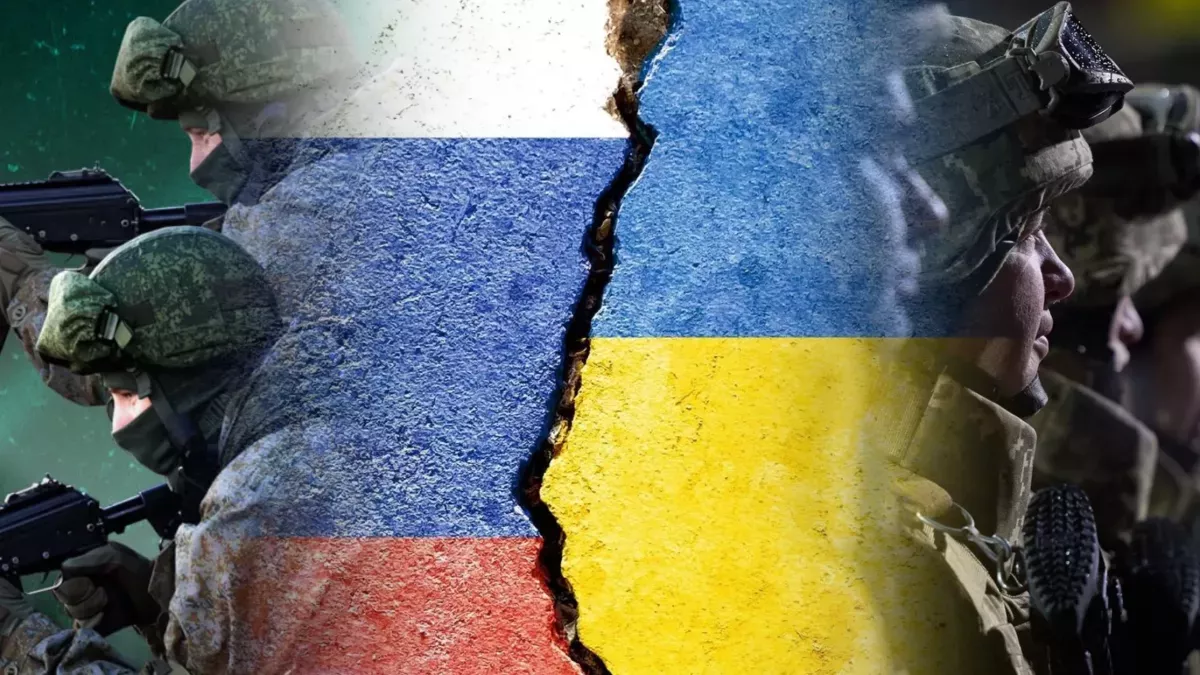
However, if the conflict lasts longer than a week or two, the short-term consequences—over the coming months—of the Middle Eastern crisis for the war between Russia and Ukraine become clear. By extension, so does their significance for Europe.
In the short term, the fighting in the Middle East is likely to produce two outcomes particularly favourable for Russia: rising prices for oil and other energy resources, and a reduced ability for the U.S. to supply weapons to Ukraine or share intelligence with Kyiv. If the conflict drags on, many geopolitical dynamics will grow more complex, likely increasing Russia’s importance in Washington’s calculations. These developments will inevitably influence the prospects for resolving the Russia-Ukraine conflict and the role that European countries can play in that process.







 editor@caliber.az
 +994 55 444-88-98
 Азербайджан, Баку, ул. Низами, 203, Af Business House, 5-й этаж