










Ukraine as a player Two interviews with Zelenskyy
In two recent interviews—with Irish blogger Caolan Robertson and the publication Politico—Ukrainian President Volodymyr Zelenskyy sought to rethink Kyiv’s position on the world stage and to position Ukraine not only as a recipient of international aid but also as a participant in shaping global security.
The main political message of the first interview is that “Ukraine has the cards now” (or trump cards): experience in conducting war, industrial potential, combat technologies, and the ability to assist allies—for example, the U.S. in countering Iranian drones in the Middle East—serve as a symbol that the country has become a significant player.
The president also spoke extensively about the risk of global escalation—even up to a possible Third World War. He noted that the world is not prepared for such a war and that in the event of a global conflict, one must rely not only on drones and missiles but also on experience in conducting ground operations. Zelenskyy also stated that no other country possesses the level of ground combat experience that Ukraine has today.
The second interview emphasised Kyiv’s geopolitical approach to negotiations—but without making concessions that would jeopardise sovereignty. Zelenskyy tries to separate emotions from cold calculation: he acknowledges his hatred for Russian President Vladimir Putin, but says that peace is not a personal feeling, rather a legal mechanism that allows bloodshed to be stopped and life restored to people.
The Ukrainian president asserts that Kyiv has already made serious compromises: it agreed to discuss a ceasefire without the immediate return of all occupied territories, including those seized after 2014. He calls this “the biggest compromise,” considering the human losses. But Moscow, he says, demands “more and more,” which Zelenskyy describes as an attempt at “slow occupation.”
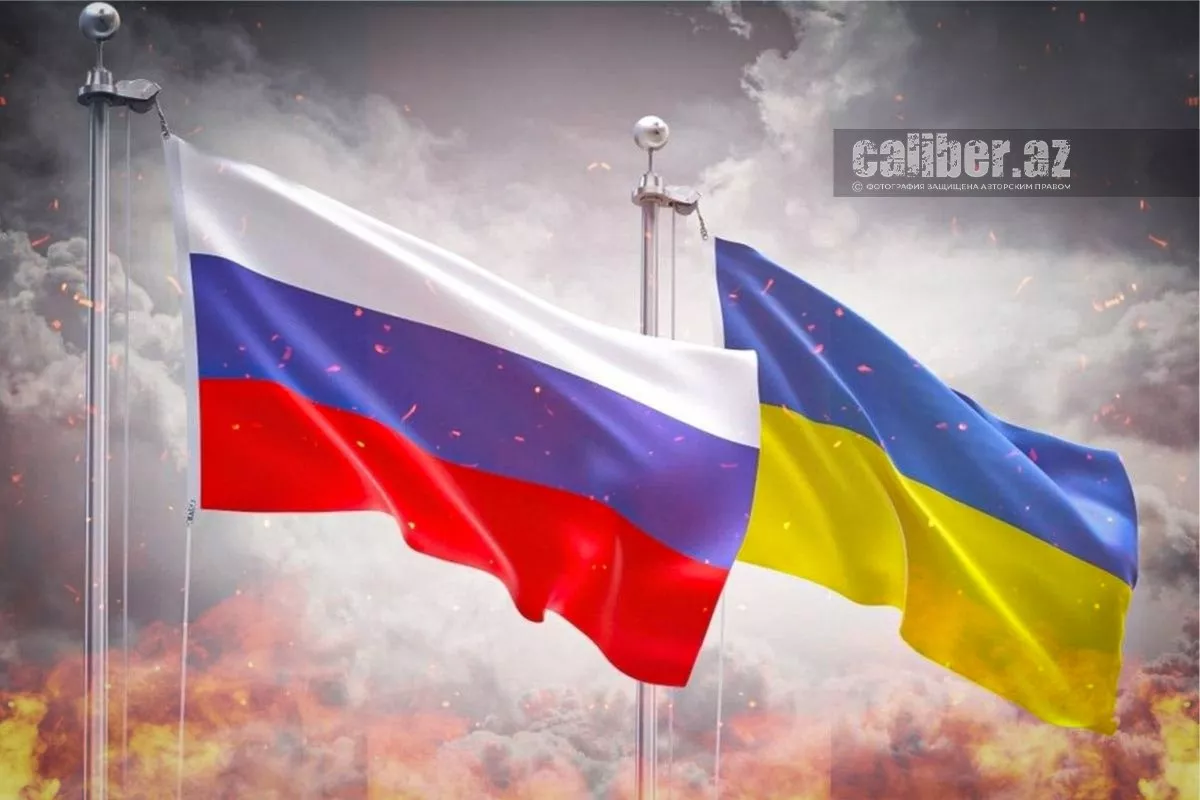
Another important emphasis was Zelenskyy’s criticism of the response from Western allies. He directly stated that pressure from the U.S. is sometimes stronger on Kyiv than on Moscow, and he called for increased pressure specifically on Russia. These remarks reflect growing tensions between Ukraine and its partners, especially in the context of slow aid and the intensified competition for weapons—exacerbated by U.S. and Israeli military operations against Iran—including Patriot air defence missiles.
The global press paid particular attention to his comments on Moscow’s alliance with Iran and North Korea. Zelenskyy believes that the union of states with aggressive foreign policies could radically change the nature of international security.
Overall, in the context of Washington’s attention being diverted to the Middle East, Zelenskyy seeks to emphasise Ukraine’s role in the global context, positioning his country and the struggle it is waging as one of the fronts resisting the world’s “axis of evil,” with the ultimate goal of securing greater support from the United States. The sharply growing demand for Ukrainian technologies in the Gulf countries appears, in the eyes of Ukrainian leadership, as a decisive factor in this struggle to gain the favour of the White House.
The “cards” mentioned by Zelenskyy allude to the infamous meeting with Trump in the Oval Office in February 2025, when the American leader accused the Ukrainian president of ingratitude and overconfidence, telling him “you don't have the cards.” At the time, Zelenskyy proudly replied that he doesn’t play cards; now, he equally proudly declares that he is willing to sit at the card table.
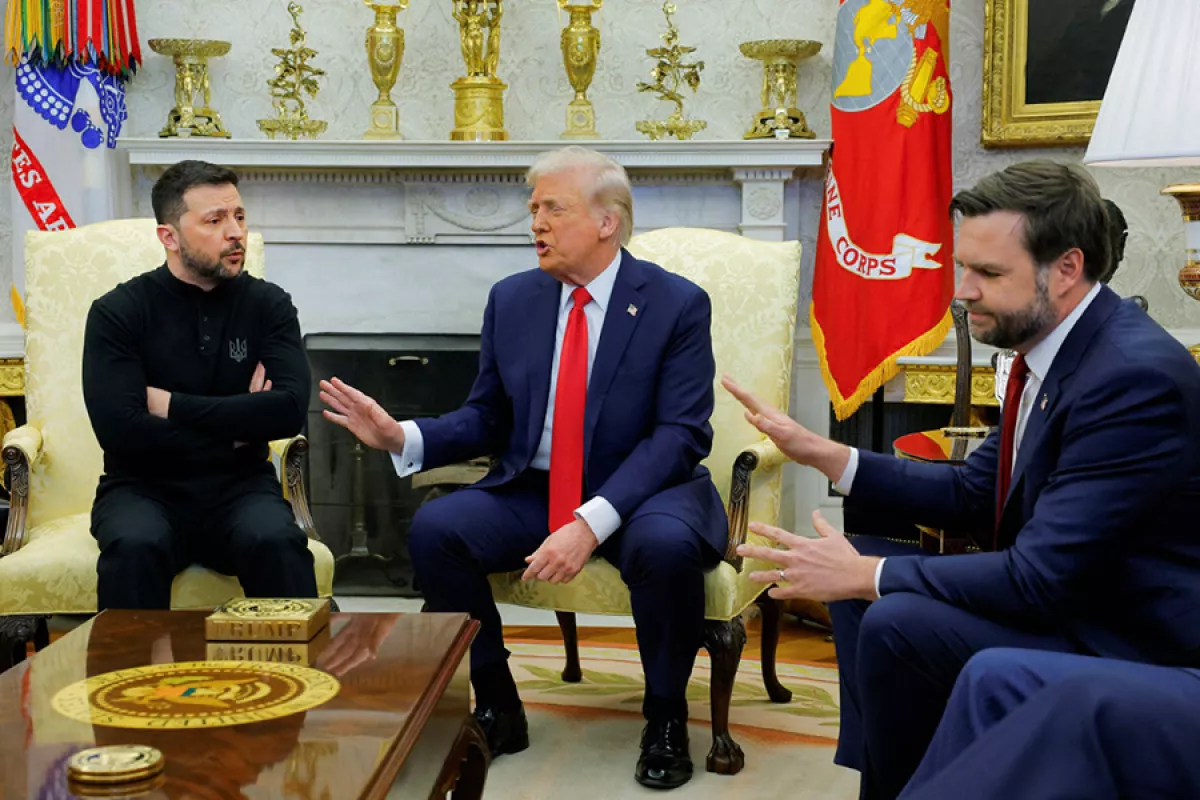
So what about Trump? Against the backdrop of this whole story, he conspicuously called Putin and expressed satisfaction with the discussion on Ukrainian issues with the Russian president. Regarding Ukraine, “it was a positive call,” noted the U.S. president. For now, we can only speculate whether Trump will increase pressure on Moscow or not. However, the facts so far suggest otherwise—at the very beginning of the operation against Iran, the American president eased sanctions on Russian oil companies in order to cushion the impact on the global hydrocarbon market.
It remains reasonable to assume that, although the protection of American bases is one of Washington’s priority goals, linking this protection exclusively to Ukrainian interceptors would be somewhat premature. The main focus of the U.S. and Israel is on neutralising Iranian launch systems, and this tactic is proving effective. It must be noted that, in Trump’s eyes, Ukraine still has not gained its cards.







 editor@caliber.az
 +994 55 444-88-98
 Азербайджан, Баку, ул. Низами, 203, Af Business House, 5-й этаж