










China’s strategy: diplomacy, corridors, and a new geopolitical order Review by Teymur Atayev
The global landscape is shifting rapidly — if not by the day, then by the hour: yesterday’s allies become adversaries and vice versa, while one blockade replaces another. Against the backdrop of this transforming global configuration, China’s foreign policy line is becoming increasingly clear — confident, coherent, pragmatic, and demonstratively consistent.
Let us examine recent developments through the prism of their impact on global geopolitics.
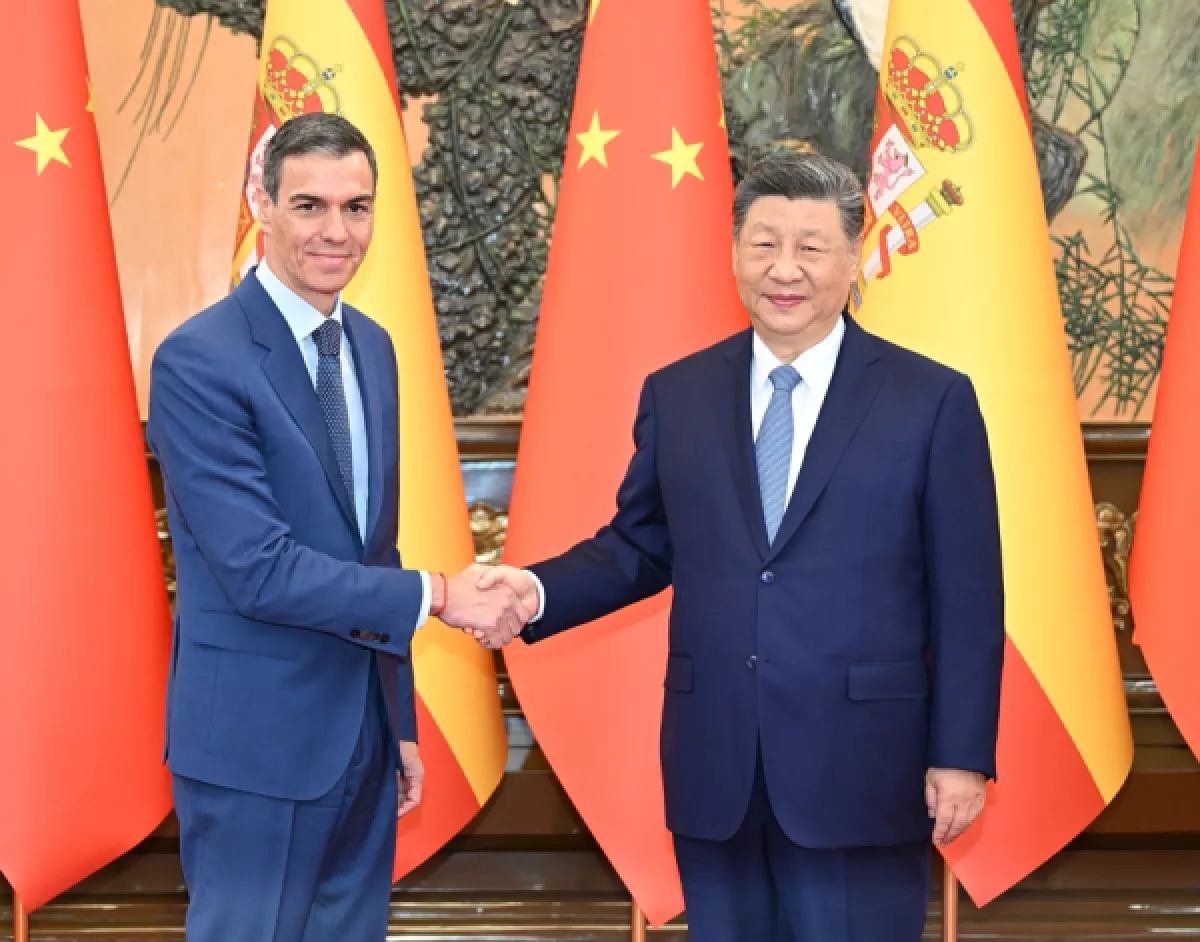
From this perspective, the tone and outcomes of the key talks between Chinese President Xi Jinping and Spanish Prime Minister Pedro Sánchez are particularly telling. Sánchez, who had initially taken a distinct stance on the war involving Israel, the United States, and Iran, underscored during his visit to Beijing, China’s pivotal role in ensuring international stability and advancing peace efforts in the Middle East. He also emphasised the strategic nature of bilateral dialogue. Following the meeting, the two sides announced the signing of 19 agreements, ten of which focus on economic cooperation.
A significant backdrop to the talks was the convergence of views between Spain and China on the current international landscape. In particular, Pedro Sánchez, speaking about the importance of multilateralism in global politics, highlighted the emergence of new centres of power capable of counterbalancing hegemonic tendencies. This aligns closely with Xi Jinping’s position, who has stressed the inadmissibility of a return to the “law of the jungle” and the need to build a just world order grounded in international law and equitable multipolarity.
The Chinese leader also revisited the concept of a “community with a shared future for mankind,” emphasising the principled stance and moral responsibility of both China and Spain, and calling for joint efforts to uphold genuine multilateralism.
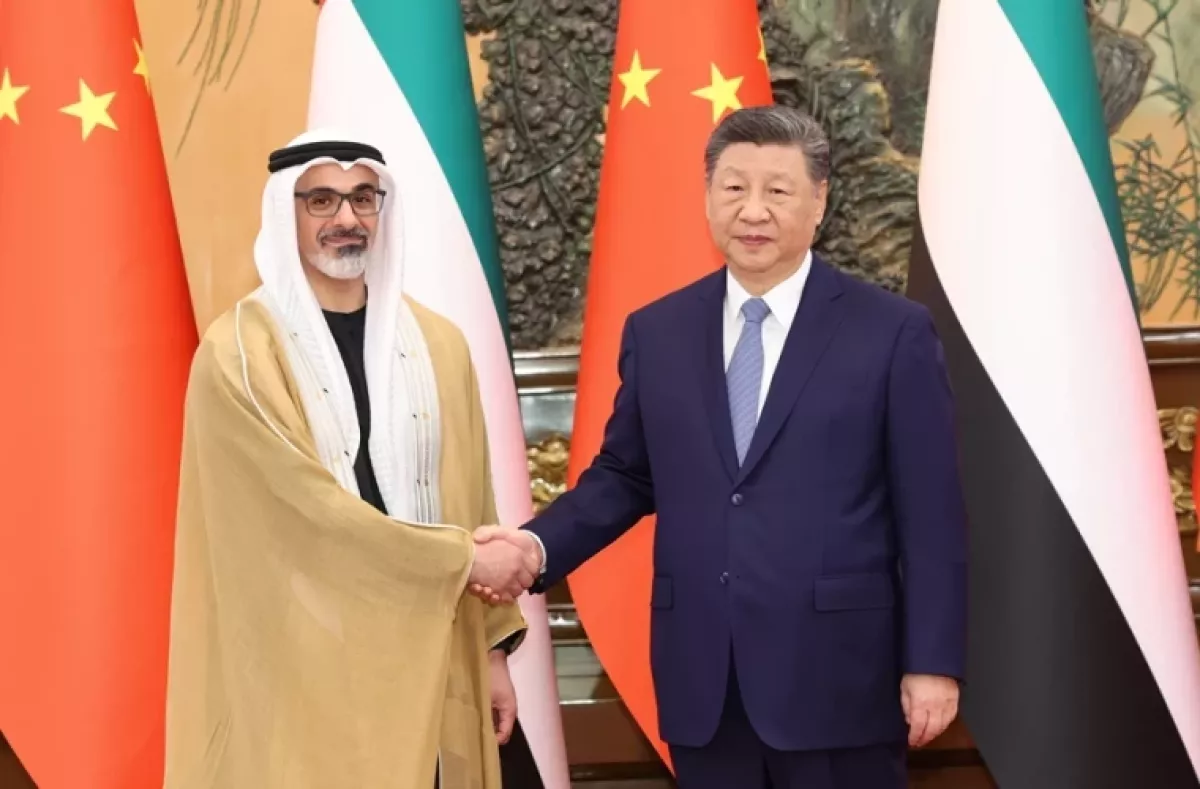
Against this backdrop, and almost in parallel with the China–Spain talks, Xi Jinping held a meeting in Beijing with the Crown Prince of Abu Dhabi, Sheikh Khaled bin Mohamed Al Nahyan. During the meeting, the Chinese leader put forward a four-point initiative aimed at strengthening peace and stability in the Middle East. It includes adherence to the principles of peaceful coexistence, sovereignty, security, and the territorial integrity of states in the region. Particular emphasis was placed on the interdependence of Middle Eastern and Gulf countries, as well as on the need to build a comprehensive regional security architecture.
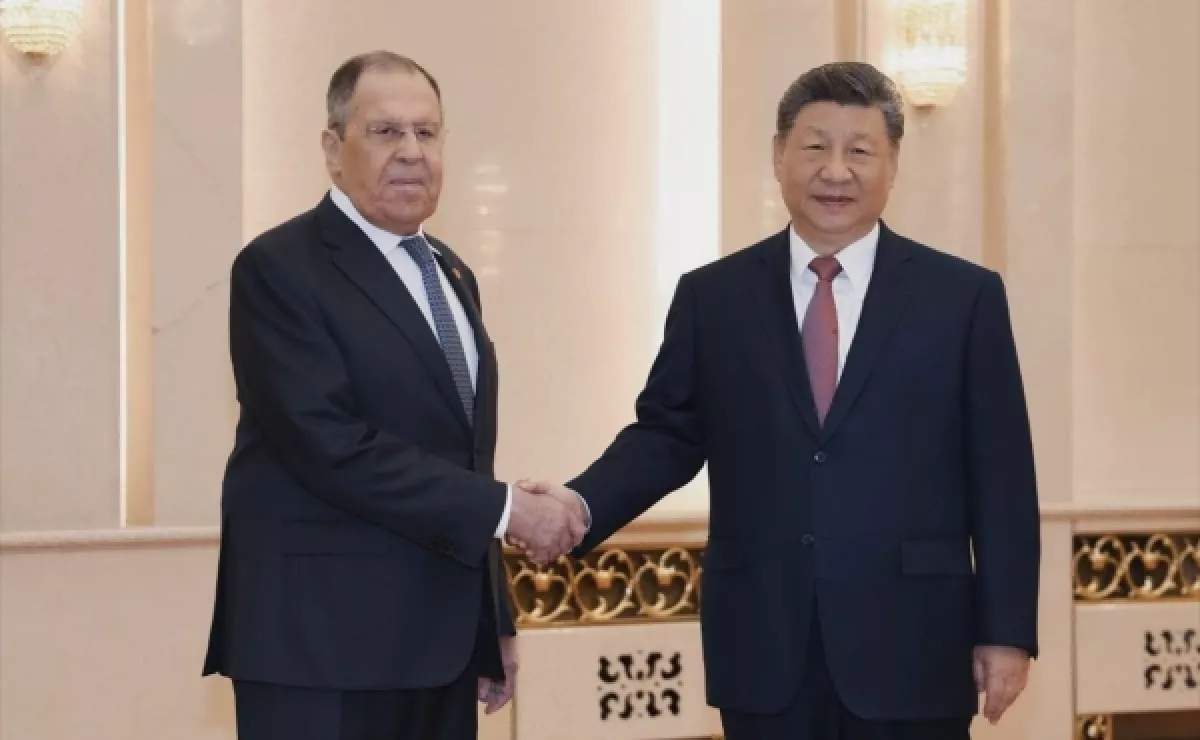
In a separate meeting with Russian Foreign Minister Sergey Lavrov, the Chinese president also underscored the importance of enhancing strategic coordination between China and Russia in order to “firmly safeguard the legitimate interests of both countries, and uphold unity among Global South countries.”
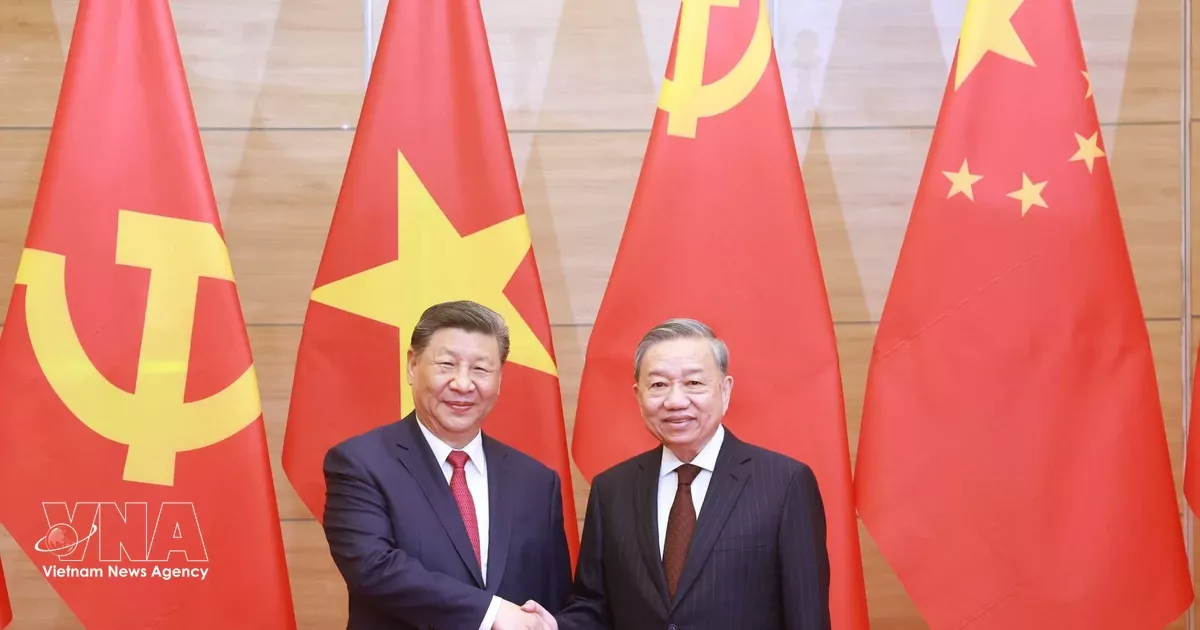
Around the same time, General Secretary of the Communist Party of Vietnam, To Lam, paid a state visit to China. During the talks, the sides explored new avenues for trade and economic cooperation, investment engagement, and tourism development, placing particular emphasis on the transformation of global supply chains and the redistribution of manufacturing capacities.

The format of Azerbaijan–China relations also deserves special attention. In early April, China’s Ambassador to Azerbaijan, Lu Mei, in an article marking the 34th anniversary of the establishment of diplomatic relations, highlighted the level of comprehensive strategic partnership between the two countries, opening new horizons for cooperation.
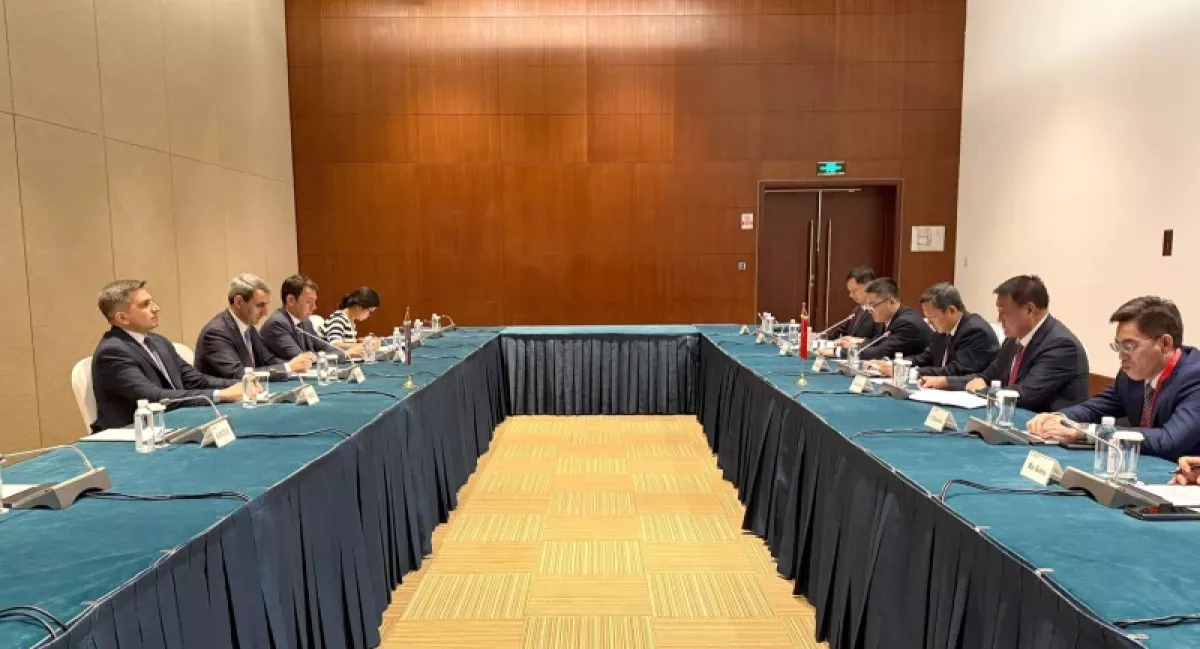
In the same month, during a visit by a delegation from Azerbaijan’s Defence Ministry to China, the expansion of bilateral military cooperation was discussed. It is also worth noting the development of new freight routes along the Trans-Caspian International Transport Route (the Middle Corridor) from China to Europe via Azerbaijan—particularly from Nanchang and Wuhan. This has made it possible to reduce delivery times from 50 days to just 18, bypassing the Suez Canal and the waters of the Red Sea.
In sum, Beijing’s growing global role is becoming increasingly evident. At the same time, the Spain–China talks mentioned at the outset extend far beyond a purely bilateral agenda. They reflect an emerging effort by the European Union to shape a distinct framework of engagement with China—one that, to some extent, serves as a counterbalance to the United States.
In turn, the initiatives put forward by Xi Jinping in his dialogue with Al Nahyan demonstrate China’s readiness to play a more active role in stabilising the Middle East through the development of new mechanisms of interaction between the Arab world and Iran. Experts also view this as a challenge to Washington’s regional position.
As for Azerbaijan–China relations, it is evident that cooperation between Baku and Beijing spans virtually all key areas, including military and political engagement.
At this stage, China and the United States are effectively shaping the geopolitical “baggage” they intend to bring to their bilateral talks scheduled for May 2026.







 editor@caliber.az
 +994 55 444-88-98
 Азербайджан, Баку, ул. Низами, 203, Af Business House, 5-й этаж