










Ukrainian-German strategic partnership and the war with Russia Analysis by Serhey Bohdan
In the Russia-Ukraine war, for about three years now there have been no signs of any strategic success on either side. Both countries continue to retain the capacity to wage war and are finding new sources of funding for it. On April 14, Ukraine and Germany proclaimed a strategic partnership that will help Kyiv build a new army. Meanwhile, Moscow has seen a sharp increase in oil and gas revenues due to the current international situation, and even Ukrainian strikes on ports have not led to a significant decline in exports. The war continues to take lives and destroy the future of entire regions, while its direct participants are no longer able to bring it to an end on their own.
Four helicopters of officials and Zelenskyy’s Grande Armée
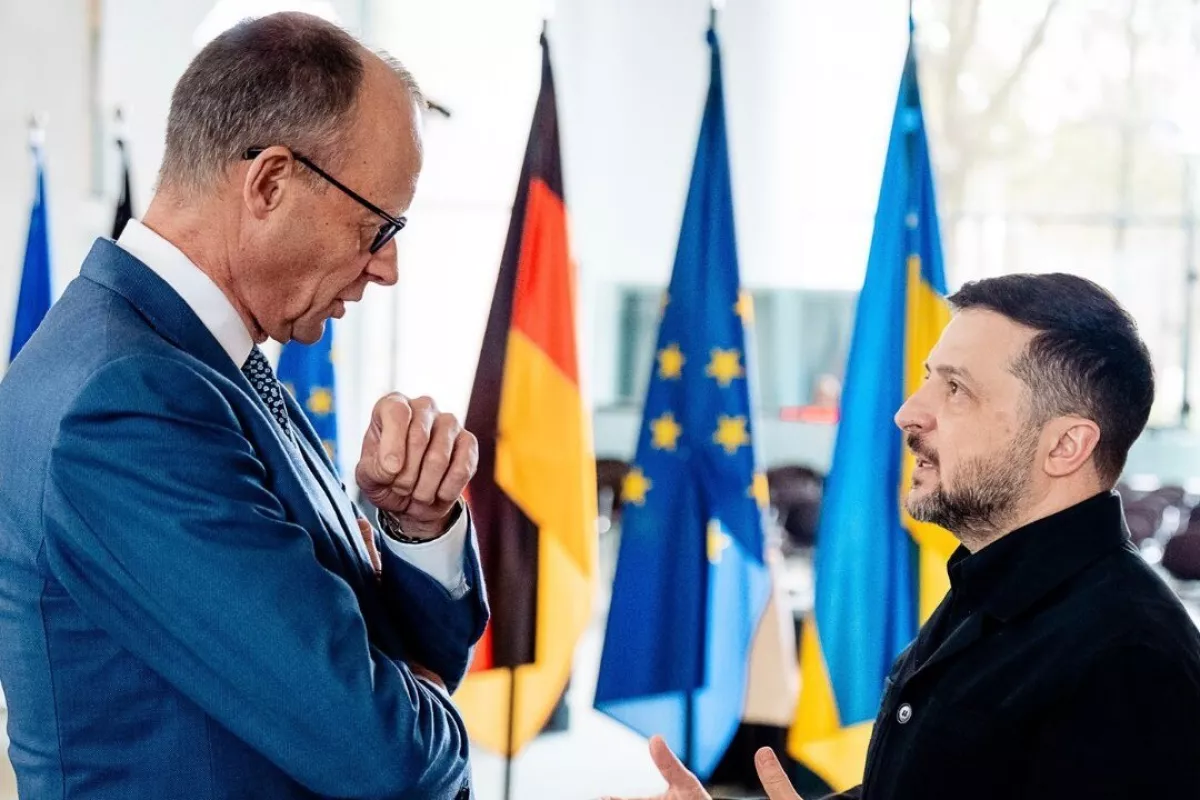
The main event of the Russian-Ukrainian war this week took place far from the front line — in Berlin. The strategic partnership between Ukraine and Germany, proclaimed on April 14, was staged with a ceremonial atmosphere. Never before had so many senior Ukrainian officials — from defence and interior affairs to agriculture — arrived in the German capital at once!
To transport key figures to the meeting with Chancellor Friedrich Merz, four large helicopters were deployed. As the German organisers emphasised, the reception procedure for Zelenskyy and his entourage corresponds to the protocol applied to the Pope and the President of the United States. On the face of it, everything is justified by security considerations.
The parties signed agreements on assistance to Ukraine in the field of air defence and missile defence, as well as on the supply of weapons and ammunition. Berlin will purchase several hundred missiles for “Patriot” systems from the United States for Kyiv. Ukraine and Germany will also expand their ongoing cooperation in the production of UAVs.
According to Volodymyr Zelenskyy, only funding is needed, as the Ukrainian side is already capable of producing twice as many drones as it requires, and what it lacks are merely “buyers in Europe”.
At the same time, the German side promised that, with the removal of Viktor Orbán — who had opposed it — the allocation of a new EU loan to Kyiv (effectively non-repayable) is a settled matter. According to informal statements, Kyiv is expected to receive €90 billion by mid-May. On the formal level, Berlin also pledged to support Ukraine’s accession to the EU — although perhaps not by January 1, 2027, as Zelenskyy would like.
But all of this is, in fact, secondary from the perspective of the course of the war. Far more important was another agreement — not officially disclosed, but clearly reached — concerning the conscription of Ukrainians residing in Germany.
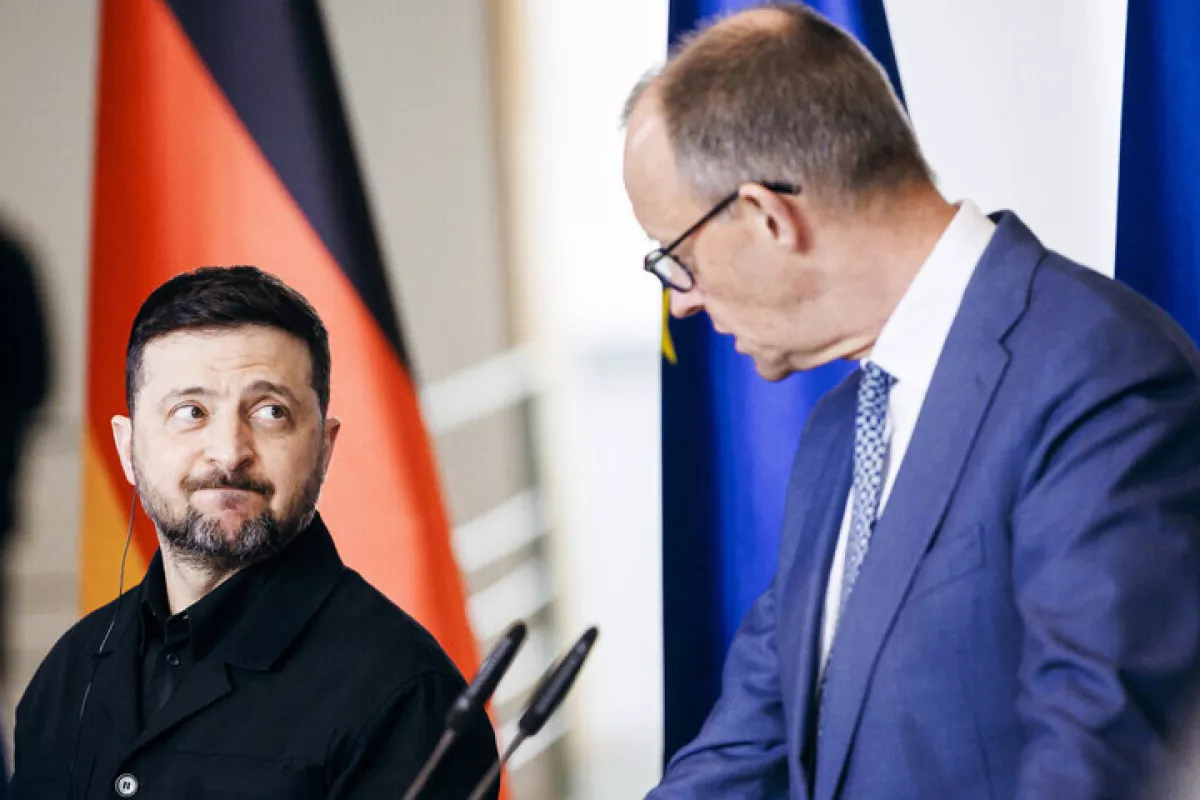
Friedrich Merz urged Volodymyr Zelenskyy to make greater efforts to return military-age men to their homeland. According to him, rapidly reducing their number in Germany is “in the interests of both sides”. Berlin is indeed seeking to reduce the number of refugees in the country, starting with Syrians. Zelenskyy readily supported the idea of returning citizens subject to mobilisation as a “matter of justice”.
The idea of replenishing the ranks of the Ukrainian Armed Forces through the strict conscription of those who have left for abroad is not new, but only recently has Kyiv managed to convince foreign states of the necessity of such measures. At the end of last year, for example, Merz and other leaders of the ruling Christian Democrats began to speak about it.
According to media reports based on internal sources, the German government believes that “we need to address the issue of mobilisation”.
There are more than one million Ukrainian refugees in Germany who arrived in the country after the 2022 Russian invasion. According to official data, as of the end of October 2025, among them were 257,000 men aged between 18 and 45. It is assumed that their number has increased since then. Accordingly, it is possible to count on conscripting around 200,000 individuals from this category alone. In addition, a significant number of Ukrainian citizens were working or residing in Germany on various grounds before 2022 and remain there. That means several tens of thousands more men could be added through the conscription of these individuals.
In short, from among Ukrainian citizens currently in Germany alone, it is possible to form a new army comparable to the pre-war Ukrainian Armed Forces. Add to this Ukrainian citizens in Poland — and a new “Grande Armée” is already taking shape.
35 missiles for a strategic partner
The Ukrainian-German agreements will allow continued resistance against Russia in its current format, but are unlikely to change anything in the grinding meat grinder that has emerged in Eastern Europe — a conflict increasingly comparable either to Gallipoli or to Verdun during the First World War.
At first glance, these arrangements may suggest that a new “Great Army” is about to emerge in Kyiv. Yet by providing the Ukrainian Armed Forces with manpower that is largely untrained and only weakly motivated to fight — as evidenced by their decision to leave the country — the agreements are effectively built on empty numbers. These are not soldiers, but cannon fodder. What military value can emergency mobilisation (for which there is no time for proper preparation) actually bring?
This enormous problem is compounded by another: a shortage of serious weaponry and critical ammunition. Ukrainians have consistently received such supplies “by the teaspoon”, often heavily diluted with outright scrap and obsolete equipment. In this sense, nothing has changed, and without motivated personnel, even F-35s or Abrams tanks will not make a decisive difference.
German media complain that, due to the war with Iran, “the United States has postponed initial deliveries to European customers for several years, and Ukraine fears it will now also have to make concessions”. But this is misleading — Iran has nothing to do with it.
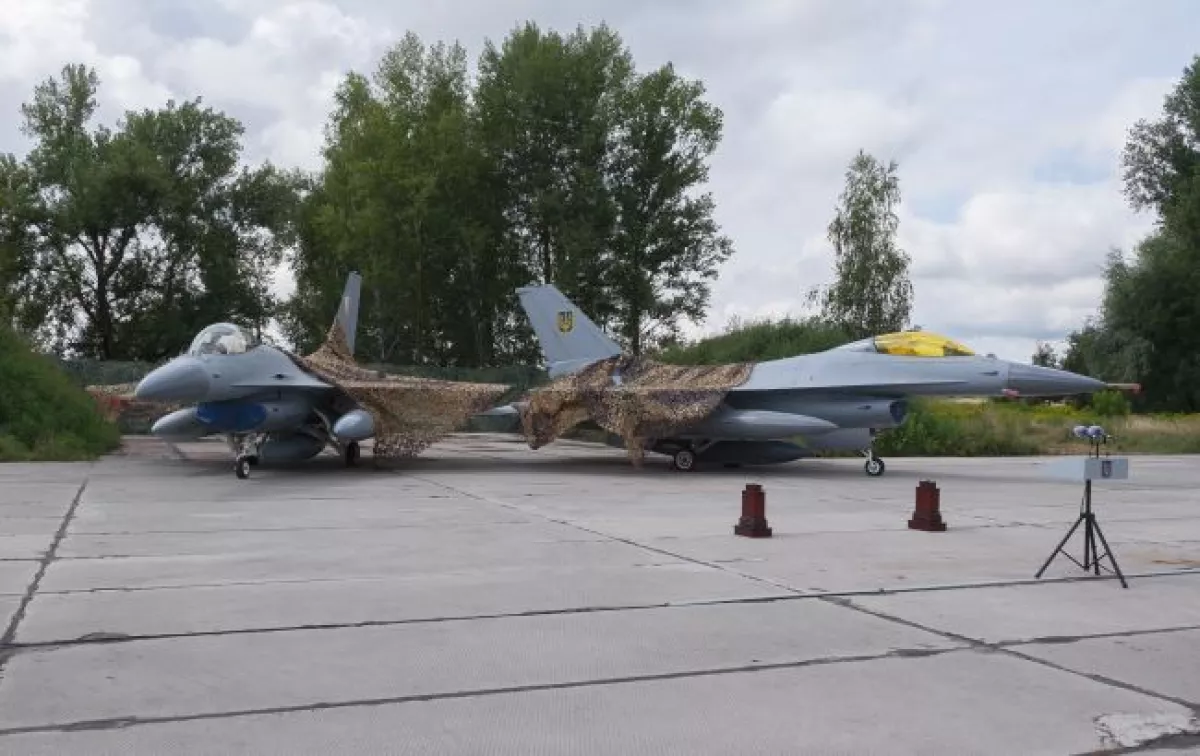
Take one example. It recently emerged that Norwegian deliveries of F-16 aircraft to Ukraine have once again been delayed. They were supposed to arrive this month, but have now been postponed to the end of next year. Originally, they were promised as early as 2024.
In other words, the war in the Middle East or the new Trump policy — which is now being cited in Europe as an explanation for insufficient supplies of equipment and ammunition to Kyiv — cannot be regarded as exhaustive explanations. Even before Trump, the situation with Western, and especially European, arms deliveries to Ukraine was similar to the current one.
During the ceremonial announcement of the strategic partnership, it was stated that, through the efforts of German Defence Minister Boris Pistorius together with other EU members, another military aid package for Ukraine had been prepared. So far, it includes… just 35 Patriot air defence missiles!
Germany will also provide 36 IRIS-T air defence systems — which is not much, given their relatively limited range. But Kyiv is urged not to be discouraged: Berlin promises to purchase several hundred more Patriot missiles over the next four years and to finance the development of long-range precision weapons.
All of this, however, is framed as future plans — if everything works out, and if the front does not collapse in the meantime.
The new agreements between Kyiv and Berlin do not provide any real strengthening of Ukraine. They merely ensure Germany’s return — under a convenient pretext — to the ranks of full-fledged military powers, with formal and informal constraints on German military strength, which existed after everything it did in the 20th century, gradually being lifted.
In addition, they expand Germany’s presence in a region it has always considered its own “near abroad” and a sphere of interest in Eastern Europe. Of course, all of this is framed as efforts by Berlin in the interests of Europe as a whole. Yet the same narrative was used by all ambitious German governments in the previous century, which hardly guarantees sincerity or humanitarian intent.
Today, Merz also insists on the need for European participation in any peace process, stating that “there will be no agreements with Russia without Europeans” during his meeting with Zelenskyy. But in essence, this refers to the participation of Germany, acting through EU structures in which it holds decisive influence.
Strategic hamlets
For the Russian side, the military situation in Ukraine also appears no less contradictory. Much has been said about a “meat-grinder” strategy aimed at grinding down the opponent, while minimising assaults on large urban centres. Whether this tactic is effective remains an open question.
On the one hand, Russian military losses are significantly lower than Ukrainian ones — and even without complete statistics, this can be stated with confidence. It is visible, for example, in the exchange of bodies.
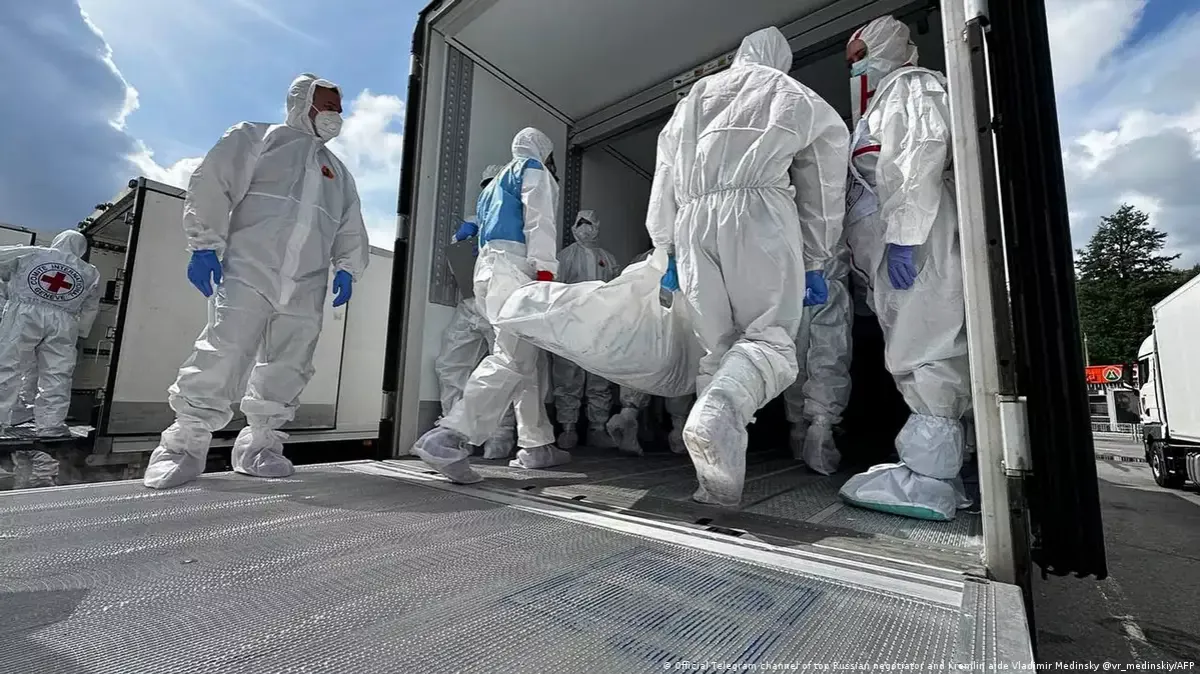
The ratios are steadily worsening for Ukraine. Take three random examples of body exchanges. In April 2024, 23 Russian servicemen’s bodies were exchanged for 99 Ukrainian ones. By January 2025, the ratio had already reached 49 Russian to 757 Ukrainian. And last week, this grim proportion rose to 41 Russian bodies for 1,000 Ukrainians.
At the same time, even casualty figures can be misleading. In the Afghanistan War (2001–2021), the ratio of Taliban losses to those of their opponents (the United States, NATO, and the Kabul government) was almost always in favour of the latter — yet the war was ultimately lost.
During the Vietnam War, analysts in the US government went even further, treating enemy body counts as the key metric. They calculated how much firepower would be needed to eliminate Vietnamese guerrillas and then proceeded to burn and bomb accordingly. In essence, Russia’s “attrition” concept in this war echoes that earlier American approach in Vietnam. The outcome of that war was disastrous for the United States.
It is therefore unlikely that Russia will achieve decisive results through its own strategy of “grinding down” the enemy. The minimal movement of the front line points to this.
On April 14, TASS announced, without the slightest hesitation, a major achievement: since the beginning of the year, Russian forces have taken control of 74 settlements. But what exactly are these places? Endless lists of depopulated villages and small settlements occasionally interrupted by urban-type localities. For the most part, they carry no real strategic significance — such importance is retroactively assigned to them, with claims like “the Vovchansk hamlets provide access to Vovchansk,” which in turn supposedly provides access to something else, and so on.
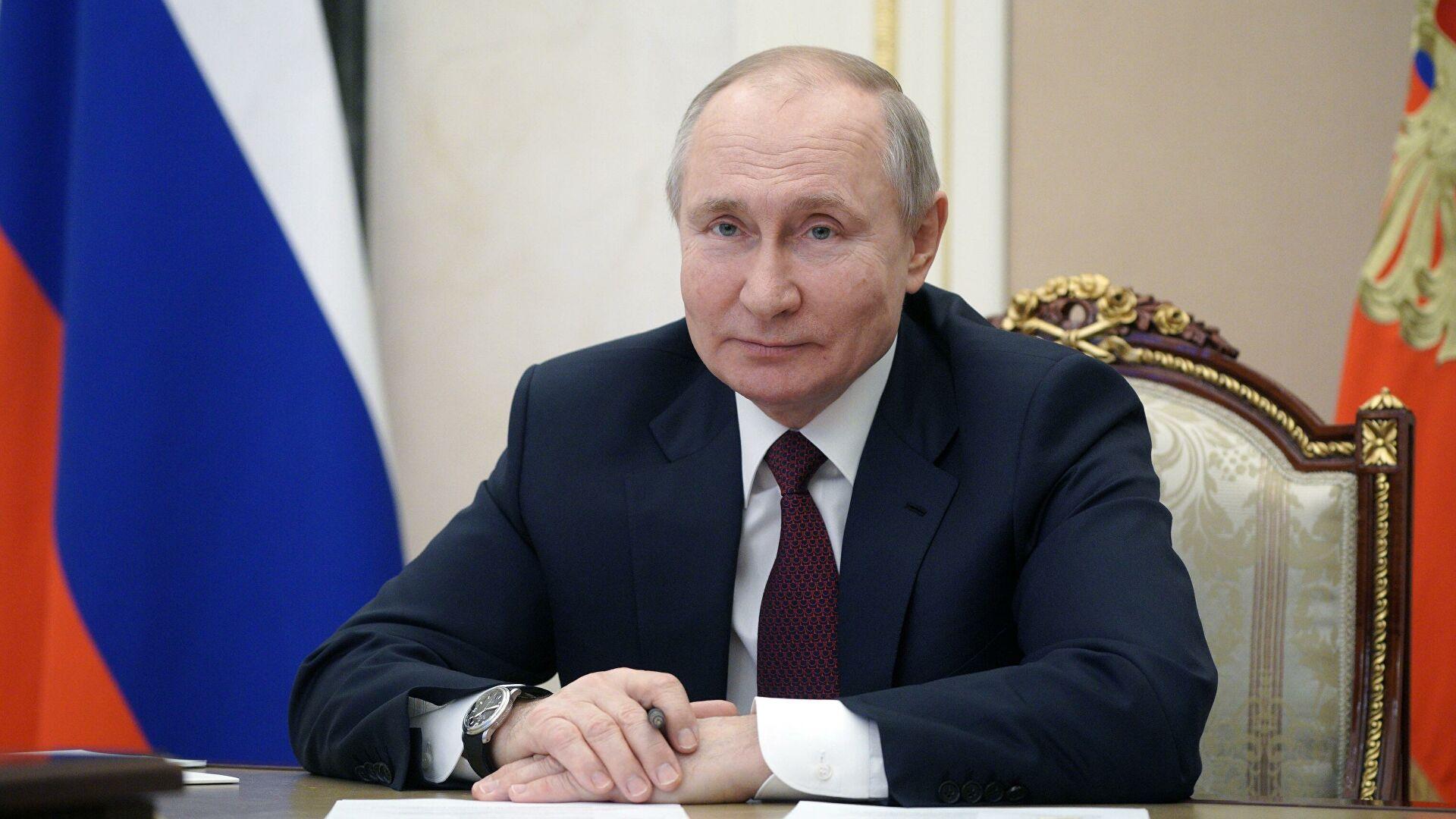
In the end, as President Vladimir Putin stated, as of 10 March, 15–17% of the territory of Ukraine’s Donetsk region remained outside Russian control. For comparison, at the end of last summer Ukraine still controlled 21% of the Donetsk region, and at the beginning of summer 2024 — 40%.
The pace of advance is hardly impressive, especially considering that establishing control over the territory of the so-called “DPR” had been declared one of the key objectives of the Russian army. On other fronts, the results are no better.
At the same time, the Ukrainian side has expanded its raids and strikes against both military and civilian infrastructure inside Russia, following Russia’s own campaign to “freeze” Ukraine by targeting critical infrastructure. Russian air and missile defence systems have generally managed to cope with these Ukrainian operations, although civilian casualties continue to occur on a regular basis.
Many of the Ukrainian military’s successes are tied to the element of surprise — strikes on unexpected targets, such as a notional industrial zone deep in Bashkortostan. In other words, Kyiv’s tactic may be striking in appearance, but from the standpoint of the war’s outcome it is ineffective, and at times even senseless, serving only to cause civilian casualties.
Its strategic shortcomings were also evident a couple of weeks ago, when Ukrainian forces attempted to prevent Moscow from capitalising on rising hydrocarbon prices by disrupting Russian exports of oil and LNG. The Russian authorities managed to cope with the large-scale raid on Ust-Luga and other Baltic ports. Yes, clouds of smoke hung over St Petersburg, but within a matter of days the consequences of the attack were eliminated, and hydrocarbon exports — the target of this risky and costly operation — were restored.
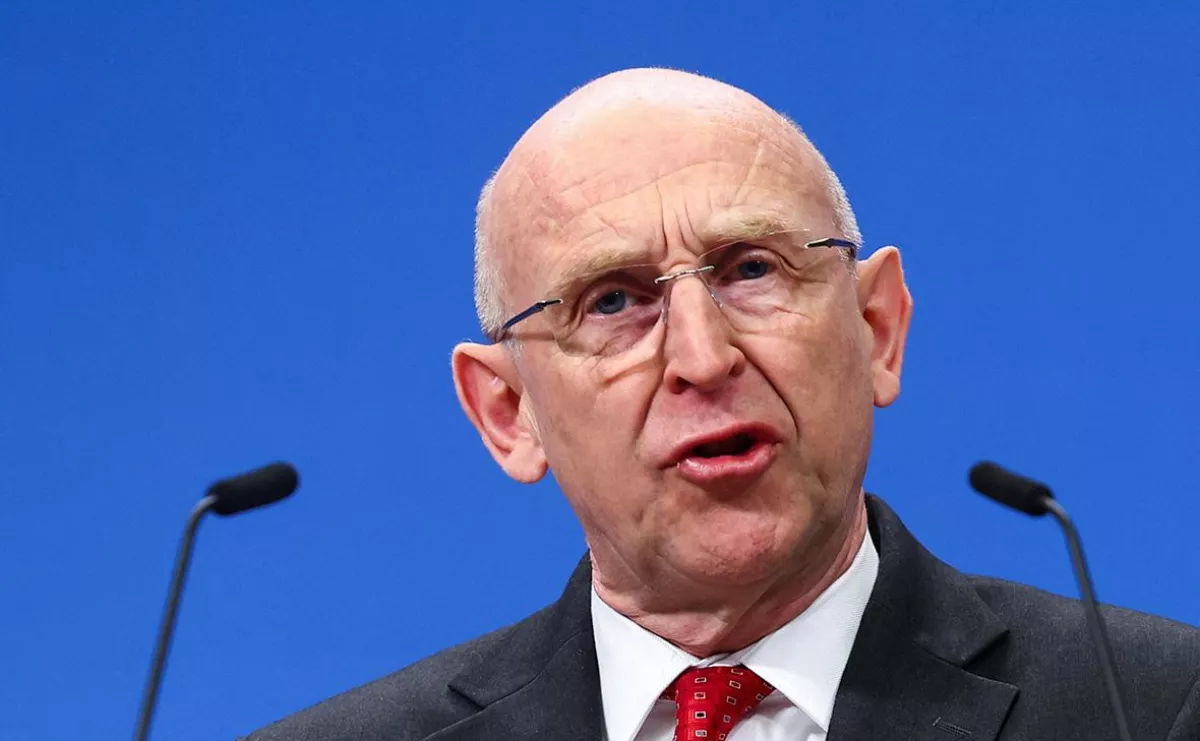
This operation confirmed that Ukraine and its allies are placing their bets on drones as yet another Wunderwaffe. British Defence Secretary John Healey recently declared: “Drones have defined this war and will be decisive to its outcome.” He announced the delivery of 120,000 drones to Ukraine and claimed that in March Russian forces suffered a record 35,000 casualties, with 96% of them allegedly linked to UAV use.
There is a degree of truth in the minister’s words. Ukrainian forces have indeed achieved notable success in using drones against military targets on the front line — something even Russian sources acknowledge. However, the casualty figures cited are highly implausible and bear no relation either to the scale of Russian operations (where could such losses have occurred without something like an assault on Bakhmut?) or to the absence of corresponding indicators — such as collapsing frontline positions or overwhelmed hospitals.
Taking into account known figures from body exchanges, one can reasonably conclude that John Healey’s numbers are essentially plucked out of thin air. No breakthrough on the front has been achieved through drones, and there is no clear evidence that Russian losses have increased to such an extent.
Meanwhile, the glorification of drones is accompanied by both sides downplaying their use against civilian targets. This is particularly evident in border regions, where even pro-government Russian military bloggers report that Ukrainian drones can strike almost any target within 40–50 kilometres of the front line, including civilian vehicles.

In this situation, as war correspondent Kotenok writes: “To be frank, many residents—at the very least in Russia’s border regions—now want an answer to one question: ‘Are we really winning the special military operation?’”
Regardless of the ethics of Russia’s objectives in Ukraine, it can be stated that the resources the Russian side has been prepared to commit to the war have proven inadequate for the tasks set. And it is not only about the reluctance of Russians to fight Ukrainians, which became apparent early on and led to the issue of mobilisation effectively being taken off the agenda. It is also about technological and organisational unpreparedness. Take a key aspect—aviation. As of today, advanced small UAVs for the Russian army are often being assembled by enthusiasts from semi-improvised outfits such as the “NPC Ushkuynik,” headed, remarkably, by a director with a background in cultural studies. Meanwhile, the aviation industry is struggling to produce military aircraft, largely due to the collapse in civilian aircraft production. As a result, it was reported on April 13 that a programme is being prepared to restore around 700 Soviet-era An-2 aircraft.
A war without winners
All the above-mentioned military and diplomatic actions do not lead to Ukraine’s victory, but Russia is also unable to resolve these problems. Russia likewise fails to achieve a breakthrough in the war, even despite threats to render Ukrainian cities uninhabitable and massive airstrikes that have caused significant civilian casualties.
In other words, neither side in the war is capable of inflicting a decisive defeat on the other, although both can create varying degrees of serious difficulties. This has been evident almost from the very beginning of the conflict, which by its second year had turned into a bloody stalemate, where even high-profile gains by either side have not translated into any fundamental shift in the situation.
Let us cite another example on the occasion of the anniversary.
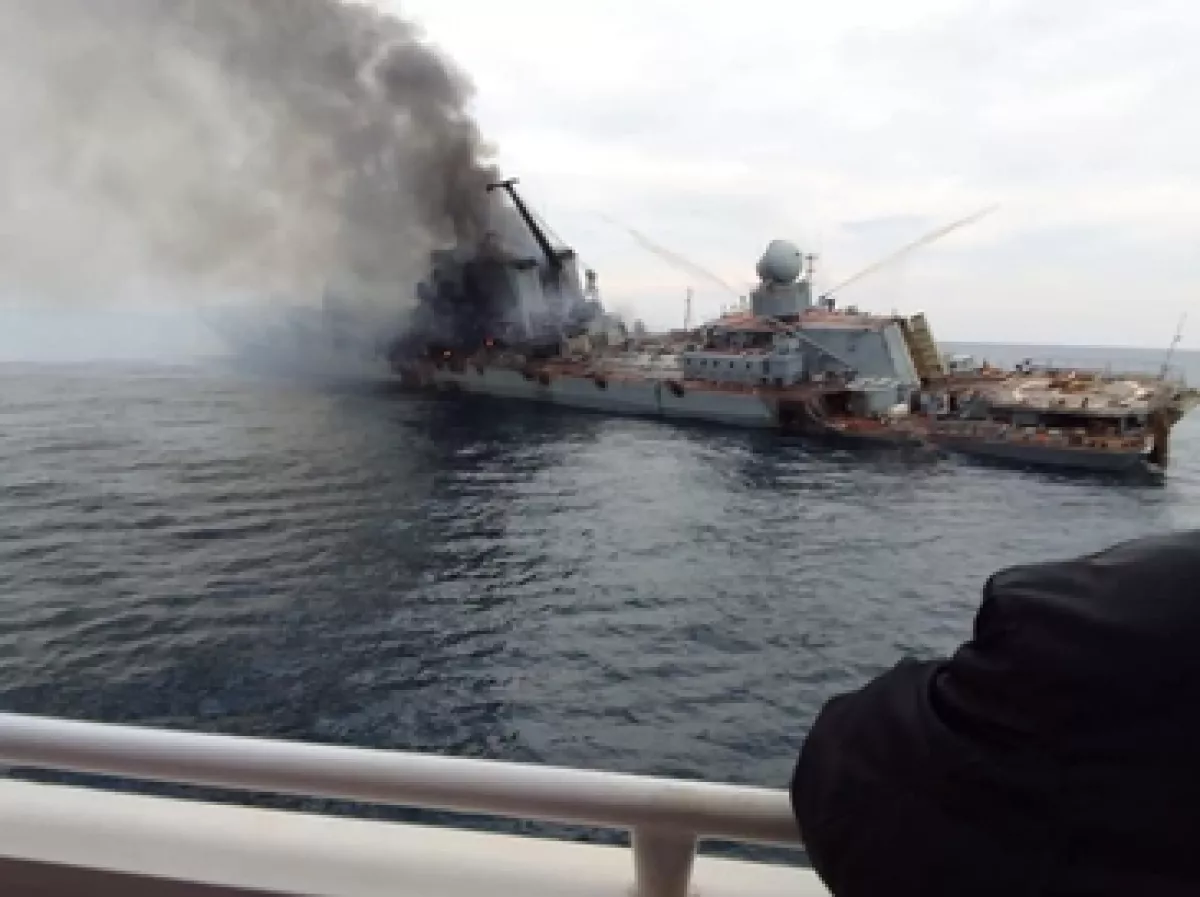
On April 14, 2022, Ukrainian forces succeeded in sinking the Russian Black Sea Fleet’s missile cruiser Moskva. Later, there were several more successful strikes against smaller vessels and against the fleet headquarters in Sevastopol. As a result, the Black Sea Fleet was soon largely relocated from Crimea to Novorossiysk.
What did this give the Ukrainian side? Essentially nothing, since by pushing the already relatively inactive Russian fleet away from its shores, Ukraine was still unable to expand or consolidate control over the maritime area. Yes, Russian civilian vessels are now occasionally targeted in attempts to reach ports, but this is far from a blockade of Russia’s Black Sea ports, and therefore these operations do not carry any decisive significance for the outcome of the war. Only resources are being spent, and people are dying, including civilians on both sides.
Russia and Ukraine, with the latter supported by EU–NATO countries, have found themselves in a situation where no clear strategic prospects are visible for any of the directly involved parties. All of them console themselves with illusions of an imminent breakthrough in the war through some kind of wonder weapon or special operation.
However, the fact remains that both sides are resilient states. No “wonder weapon”—except for nuclear weapons, which are not being discussed—will be able to change this situation. At the same time, the internationalisation of the conflict and its linkage to other global “hot spots” have already made it extremely difficult for the direct participants to disengage from the war.







 editor@caliber.az
 +994 55 444-88-98
 Азербайджан, Баку, ул. Низами, 203, Af Business House, 5-й этаж