










Hungary’s election and its political echo in Georgia Article by Vladimir Tskhvediani
On April 12, 2026, in the parliamentary elections in Hungary, the ruling Fidesz party of Viktor Orbán, which had governed the country for 16 years, lost power to the opposition Tisza Party led by Péter Magyar. Georgia’s pro-Western opposition equated Orbán’s defeat with a potential defeat of the Georgian Dream party and greeted it with euphoria.
The Georgian Dream itself reacted calmly to Péter Magyar’s victory: it congratulated him on his success while simultaneously thanking Viktor Orbán for his years of support for Georgia.
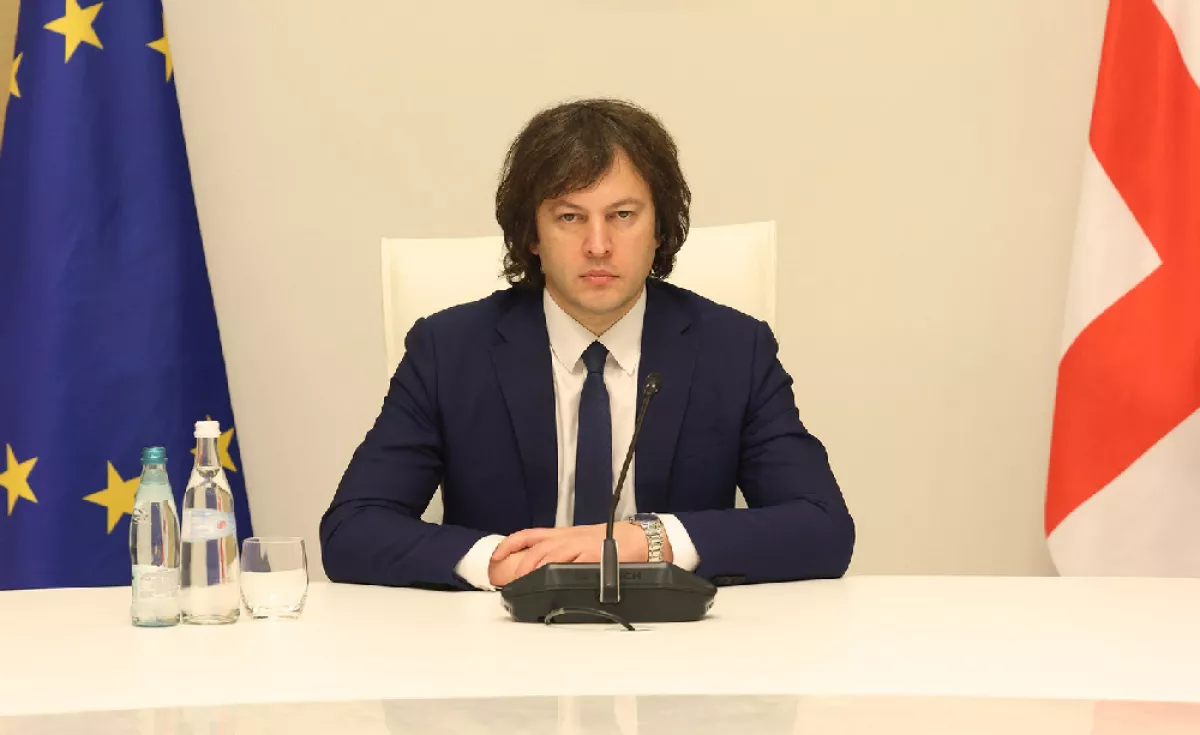
“On behalf of the Georgian people and the Government of Georgia, I congratulate Peter Magyar and his party on their victory in the parliamentary elections in Hungary. I would like to thank Viktor Orbán and his team for their outstanding and steadfast support of Georgia’s national interests and the Georgian people over the years. Georgia and Hungary are bound by a long history of friendship and partnership, which will undoubtedly continue,” Georgian Prime Minister Irakli Kobakhidze wrote on social media.
In turn, the leader of the Tisza Party, Péter Magyar, stated his intention to maintain good relations with Georgia.
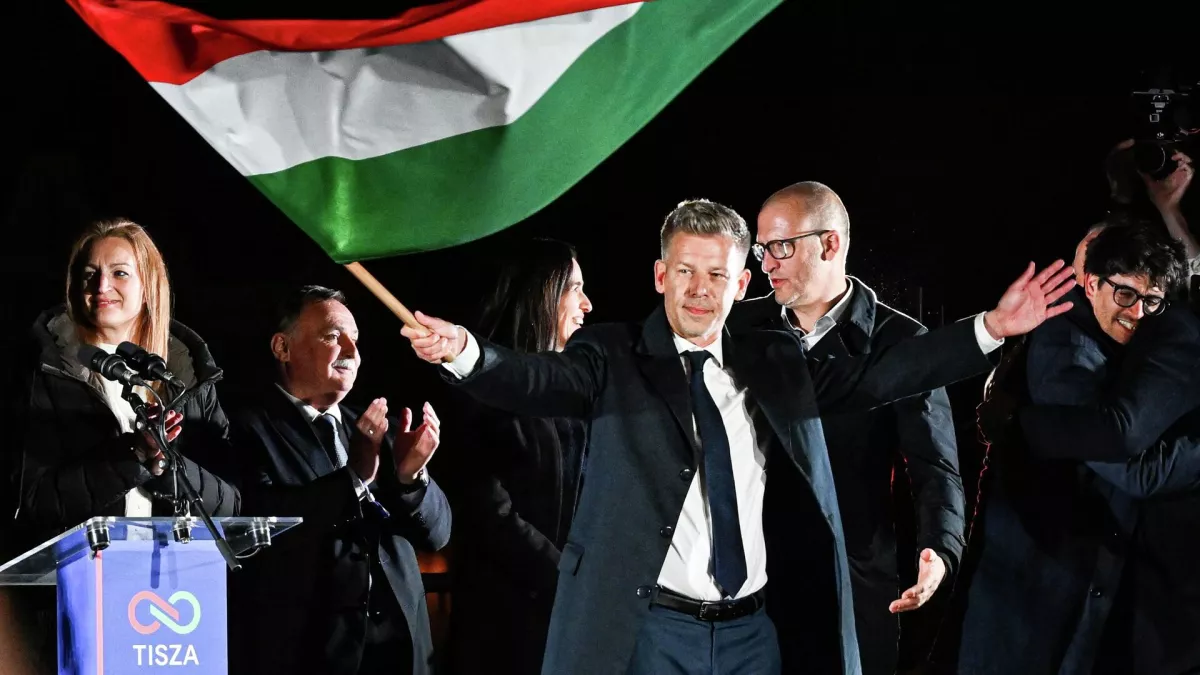
“The fact that Viktor Orbán’s government had close ties with the Balkan countries or other states does not mean that Hungary’s relations with these countries will deteriorate. However, if Hungary has had difficult relations with any country, we will seek to improve them, as it is in our common interest to work together, cooperate and prosper. I would be glad to visit Tbilisi or another place. I look forward to cooperating with you. At the same time, we will not interfere in the internal affairs of other countries and will not try to influence elections — neither in your country, nor in North Macedonia, nor anywhere else. This is not our style, nor the business of any European government. We are elected to represent our voters,” said Péter Magyar.
It is important to note that the 45-year-old Péter Magyar not only began his political career in Viktor Orbán’s party, but also largely shares similar ideological positions based on Hungarian patriotism, with a strong emphasis on the social agenda. In effect, voters chose a “renewed and younger version” of the 62-year-old Orbán — at least in their perception.
At the same time, within the Georgian pro-European opposition, following the Hungarian elections, there was no shortage of statements claiming that the next country where “pro-European forces” would win would be Georgia.
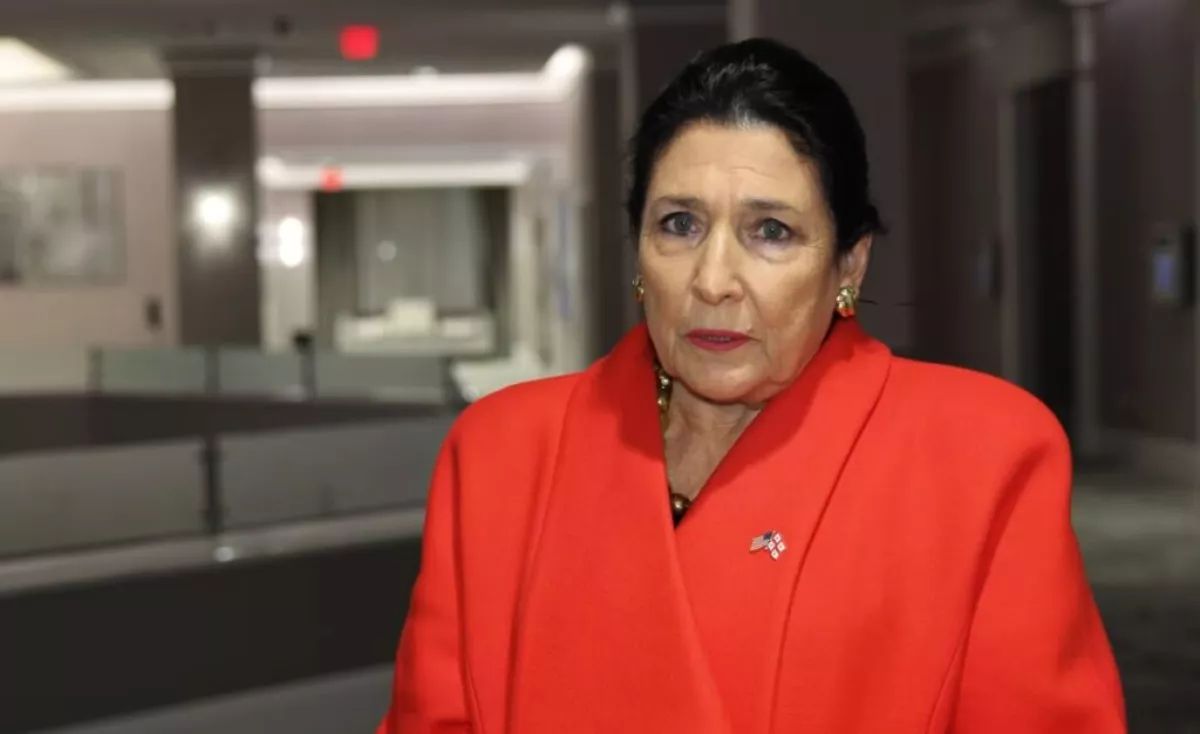
One of the first reactions to the preliminary results of the Hungarian parliamentary elections came from former President Salome Zourabichvili: “Dictators are leaving one after another! Some peacefully (they are well-mannered Europeans, after all), others by sword and war! But they are leaving! Nothing lasts forever in this world!” Zurabishvili wrote on social media, without specifying whether she believes that in Georgia such a change of power could come “by sword and war.”
Questions of war and peace played a significant role in Viktor Orbán’s political trajectory. For a long time, he sought to distance himself from the war in Ukraine, which worked in his favour domestically but caused irritation in Brussels. Here, certain parallels can be drawn with the policy of the Georgian Dream, which has sought to keep the country out of the Russia–Ukraine war and to prevent the opening of a so-called “second front” — a scenario which, according to Tbilisi, Brussels has been pressing for.
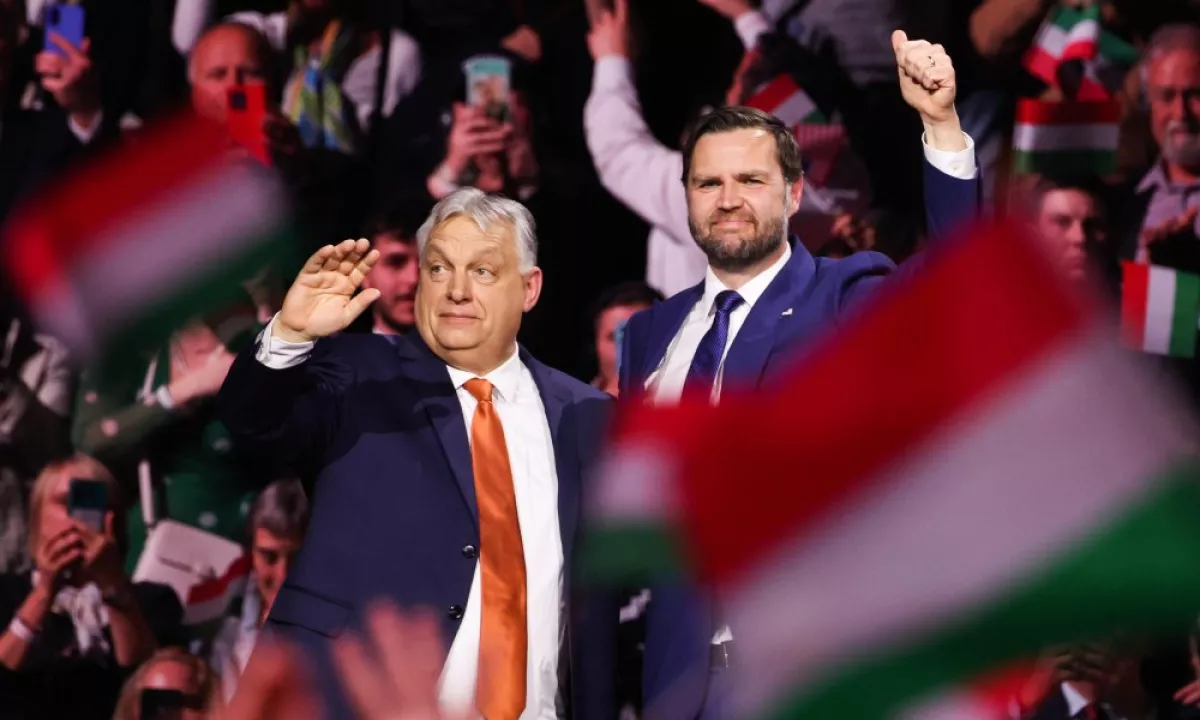
However, the climax of the current electoral campaign in Hungary coincided with another war — the US–Iran conflict, which is not popular among Hungarian voters and has already led to rising energy prices. In such a geopolitical environment, support for Viktor Orbán from US President Donald Trump did not, on balance, contribute to votes for the Fidesz party.
If Orbán was indeed trying to defend Hungary’s interests and sovereignty by balancing between Brussels, Washington and Moscow, it will be more difficult for Magyar to continue such a policy. He is too indebted to the EU leadership, which deployed its entire propaganda machine to secure his victory. All this increases the likelihood of a rapid shift of Hungary away from “balancing” between Moscow and Brussels towards subordination to the latter, even at the expense of national interests. The seriousness of the potential risk of dragging the country into a possible “pan-European” war against Russia is not yet fully recognised by Hungarians. Unlike Poland and the Baltic states, where the level of militaristic sentiment is currently rising, Hungary does not directly border Russia.
The fact that the change of power in Hungary occurred not through a “Maidan”, but through parliamentary elections, in itself reduces the likelihood of new attempts to remove governments through street protests in Georgia. At the same time, the “Hungarian precedent” inspires those Georgian opposition political forces that have abandoned a policy of election boycott.
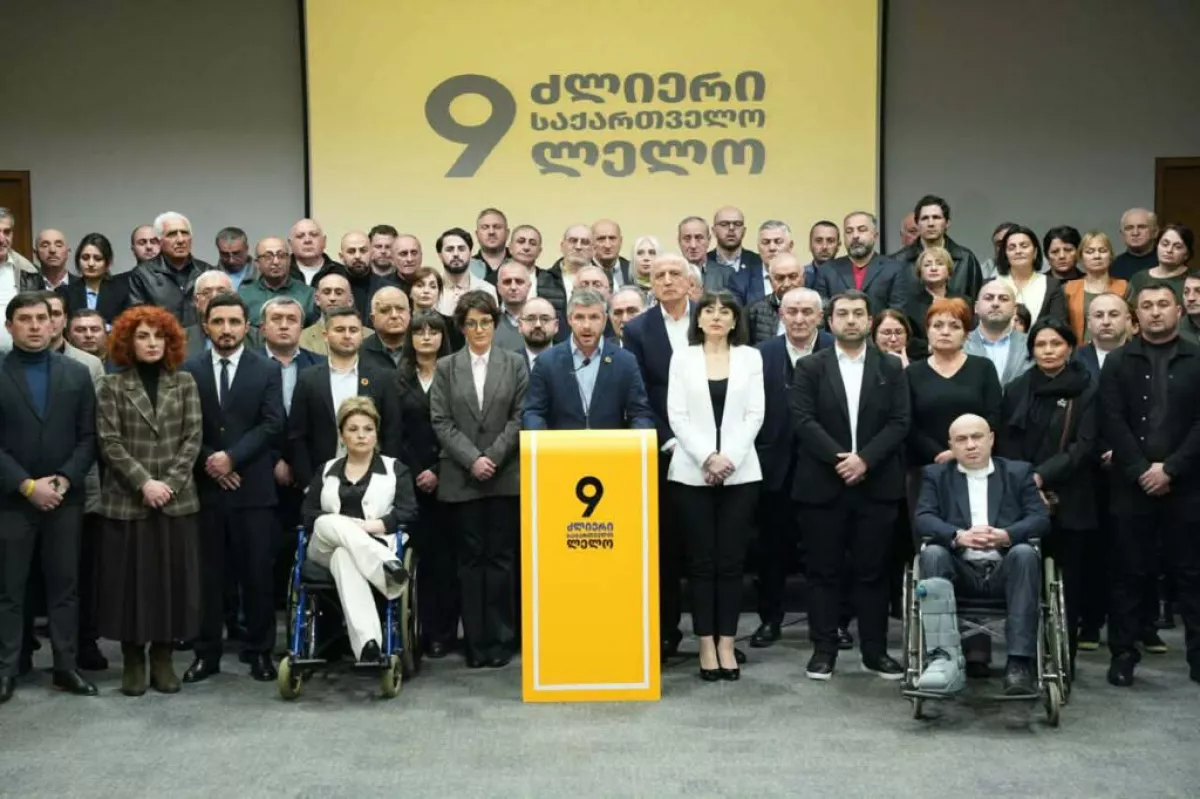
“As in Hungary, so in Georgia, democratic change is inevitable if society is firm and united. Our responsibility as a political force is to respond to this demand with dignity. The main lesson is clear: struggle instead of boycott! Democratic optimism instead of electoral nihilism! The return of politics to the people and its service to the people! This has been, is, and will remain the core conviction of Strong Georgia – Lelo in the struggle against the regime. Struggle through elections always makes sense, even under an unequal system!” reads the official statement of the Lelo – Strong Georgia party.
It should be noted that the next parliamentary elections in Georgia are scheduled for October 2028. It is quite possible that the “Hungarian experience” will be taken into account by those who seek to remove the Georgian Dream from power. To this end, as in Hungary, the bet may be placed not on overt liberals, but on “statists” and “patriots,” even if only in rhetoric. Such a politician would have a better chance of success if he or she is relatively young. However, neither Salome Zourabichvili nor most of the current strongly liberal leaders of the Georgian pro-European opposition clearly fit these criteria. And a figure resembling Péter Magyar in terms of charisma is not yet visible among Georgian opposition politicians.
By Vladimir Tskhvediani, Georgia, exclusively for Caliber.Az







 editor@caliber.az
 +994 55 444-88-98
 Азербайджан, Баку, ул. Низами, 203, Af Business House, 5-й этаж