










Türkiye’s financial moment How geopolitics is reshaping capital flows
The chronicles of recent decades suggest that the rise of new financial centres has most often been a consequence of geopolitical shocks rather than the result of competition in financial markets. For example, the civil war in Lebanon strengthened Dubai, while uncertainty in Hong Kong after its return to China reinforced Singapore. The current conflict in the Persian Gulf is forcing capital and skilled expatriate professionals to seek new safe havens, and this is opening new economic and strategic horizons for Türkiye.
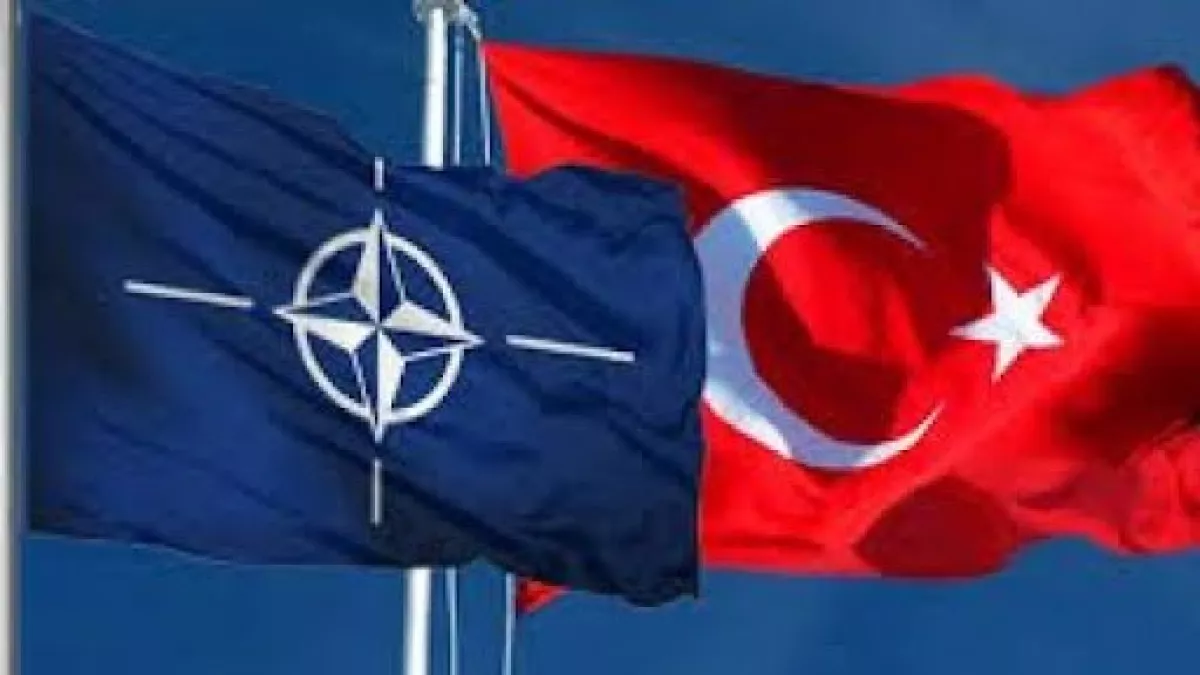
At the same time, Ankara’s main advantages are its military capabilities, geopolitical position, and cooperation with most countries in the Middle East. For investors, military strength—although it is rarely a subject of public discussion—is one of the fundamental elements of trust. States capable of ensuring their own security are perceived differently from countries dependent on an external security umbrella. Türkiye’s NATO membership, the strength of its defence industry, and the military power of the Republic of Türkiye serve for investors as a kind of “geopolitical insurance”. This feature is one of the key reasons why Türkiye is increasingly seen as an alternative hub for capital inflows amid the deteriorating situation in the Middle East.
However, military and geopolitical advantages alone are not sufficient to attract investment. Another important factor in making a country perceived as a safe haven for global capital is price stability. Portfolio investments can still take place even in conditions of unpredictable inflation, but countries where prices spiral out of control will not attract regional corporate headquarters, family businesses, or high-tech companies. With this in mind, for key Turkish cities —Ankara and Istanbul—to become an alternative to Dubai, Türkiye needs to further strengthen its macroeconomic stability.
Another criterion for attracting investment is an understanding of what capital is actually seeking—advantages or belonging. Tax and financial incentives can attract only short-term capital flows, whereas sustainable financial centres are built on the basis of belonging. Legal predictability, educational infrastructure, quality of life, and an environment of long-term economic trust are the factors that determine decisions on capital placement. Today, a significant portion of expatriates leaving Dubai are looking not only for an investment environment but also for a new, welcoming space to live.
In the history of international finance, the shift of financial centres has most often begun with the movement of people, which preceded the flow of capital. Therefore, Türkiye’s objective should not be limited to attracting financial resources alone, but also to hosting a highly skilled class of professionals, and in this regard, it will have to compete not only with the countries of the Persian Gulf.
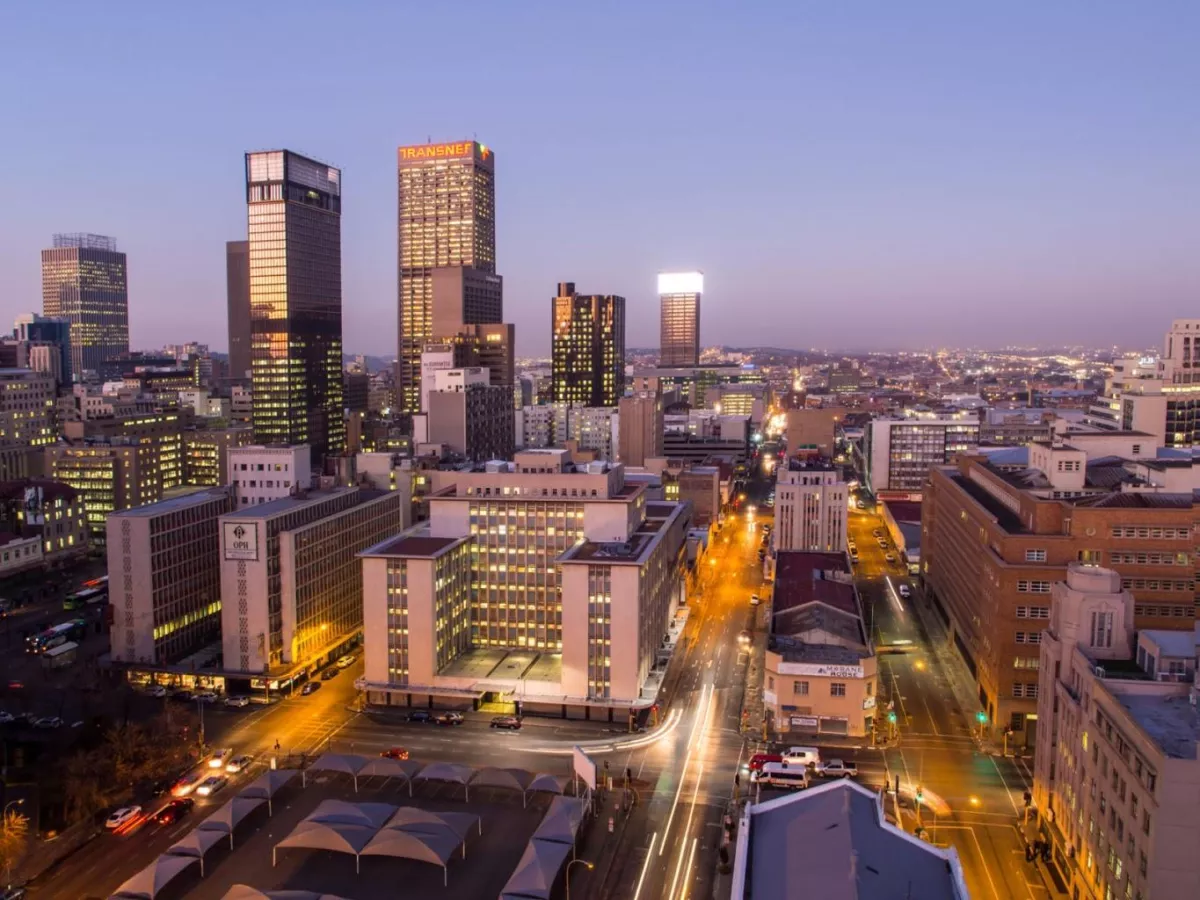
Since the outbreak of war in the Middle East and the growing uncertainty in security matters, global capital is not only seeking alternative financial havens, but also creating new regional intermediate hubs that allow operational risks to be distributed. In this process, two important financial centres on the African continent are emerging: Johannesburg, which serves as the corporate financial hub of Sub-Saharan Africa, and Casablanca, which acts as a bridge between North Africa, the economies of Europe, and Francophone Africa. These two cities do not replace Dubai as a global financial node, but they are becoming competitive platforms for Türkiye and serve as bases for reorganising capital at a regional level.
For example, professionals of Indian origin working in finance, technology, and consulting sectors may prefer relocation to South Africa due to historical diaspora networks and an English-speaking business environment. However, security concerns, limited energy infrastructure, and differences in wage levels restrict large-scale migratory movement in this direction.
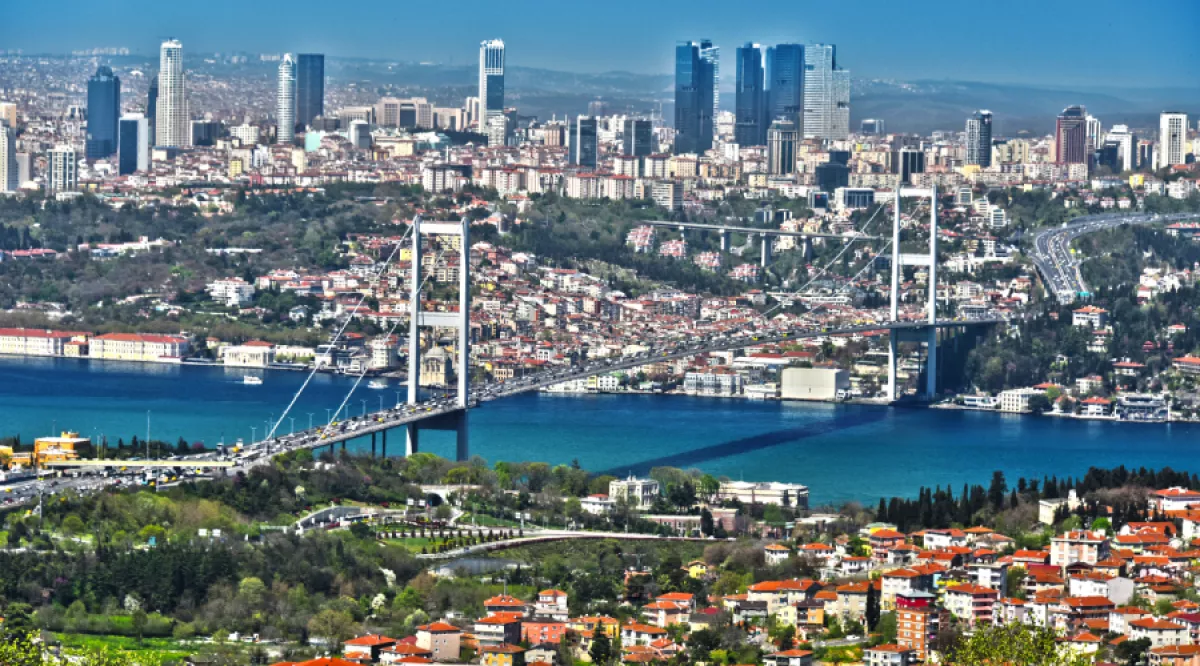
In this context, Istanbul’s economic integration with Europe, its role within NATO’s security architecture, and the advantages it offers in terms of access along the Eurasia–Middle East–Africa axis distinguish it as a location that, in the post-crisis period, could become not only an alternative financial hub but also a new regional centre of decision-making. In addition, another advantage of Türkiye is the dynamism of its private sector and its production capacity, which provides the state with the opportunity to develop a model of a financial centre integrated into broader societal life.
In this regard, Türkiye’s president Recep Tayyip Erdoğan’s contacts with circles associated with BlackRock and the World Economic Forum should also be considered. These global investment institutions, managing trillions of dollars in assets, engage with political leadership not for short-term portfolio operations, but to assess long-term investment opportunities. Such meetings indicate that Ankara’s role in the global financial architecture is once again becoming part of the international agenda.
At the same time, the strategy of the Istanbul Financial Centre (IFC) should be aimed, in particular, at family businesses, high-tech companies, and regional holding centres. This requires English-language investment offices, international arbitration mechanisms, and a streamlined company registration process, all of which are key instruments in fostering a sense of belonging. A special role is also played by Islamic finance present in Türkiye, which helps turn Istanbul into a bridge between London and Dubai.

In this process, the “roadmaps” proposed by Türkiye must differ from the classical format of investment promotion. Their objective should not be the attraction of short-term capital, but the positioning of the Republic of Türkiye as an attractive place for both investment and living.
Today, it has become an axiom that quality does not depend on a passport. When legal predictability, price stability, international educational infrastructure, and safety of life are ensured, capital naturally follows skilled professionals into such countries.
With this in mind, by further strengthening legal predictability, ensuring stable pricing policies, and accelerating international integration, Türkiye can become one of the most reliable financial centres of Eurasia.







 editor@caliber.az
 +994 55 444-88-98
 Азербайджан, Баку, ул. Низами, 203, Af Business House, 5-й этаж