










Slovenia’s dilemma: NATO or non-aligned status? Article by Matanat Nasibova
Against the backdrop of critical, sharp, and at times angry statements by United States President Donald Trump toward his NATO allies, governments of some European countries have begun to consider the possibility of leaving the bloc.
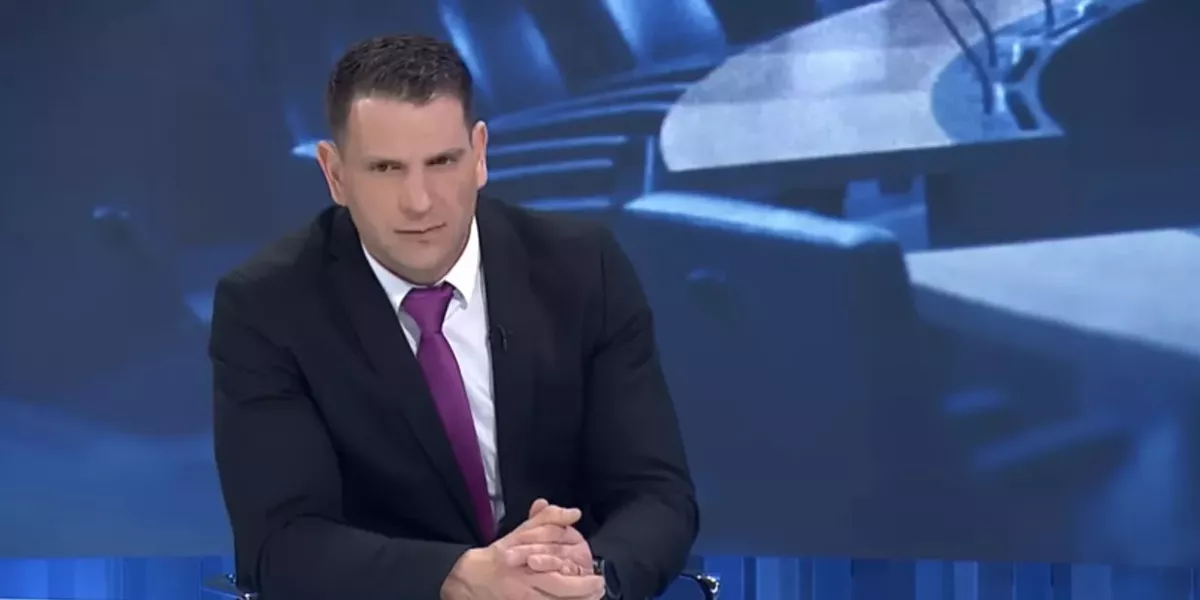
An example of this is a recent statement by the new Speaker of the Slovenian Parliament and leader of the Eurosceptic Resni.ca (Truth) party, Zoran Stevanović, about plans to hold a new referendum on the country’s withdrawal from the North Atlantic Alliance, which he voiced in an interview with Radio-Television Slovenia.
“We will categorically oppose interference in other countries’ military and diplomatic conflicts, because Slovenia has never benefited from it. At the same time, I must say that we promised the people to hold a referendum on leaving NATO, and we will hold it,” he said.
The Speaker also noted that “Ljubljana must once again become the main centre of decision-making for Slovenia, not Brussels,” stressing that the country intends to cooperate with all states, primarily “great powers,” but such interstate cooperation “must not mean subordination.”
In Slovenia, which has been a member of NATO since 2004, discussions about a possible withdrawal from the alliance are not new: debates on this issue intensified in July 2025, following the NATO summit in The Hague, where a decision was made to increase defence spending among member states to at least 5% of GDP by 2035.
For Slovenia, whose parliament was considering raising defence spending to 3% of GDP by 2030, this move turned into a serious political crisis. The opposition strongly objected to it, and according to opinion polls at the time, 68% of Slovenian citizens did not support the increase in military expenditure. In an attempt to calm rising tensions, Prime Minister Robert Golob proposed holding a consultative referendum on the country’s membership in the North Atlantic Alliance, but it ultimately did not take place.
And now, the Speaker of Parliament, Stevanović, elected on April 10, has once again returned to this issue, putting forward a proposal that can essentially be seen as a signal of a political split in Slovenia: while the current government may support continued membership in the bloc, parts of the parliament could potentially vote for withdrawal.
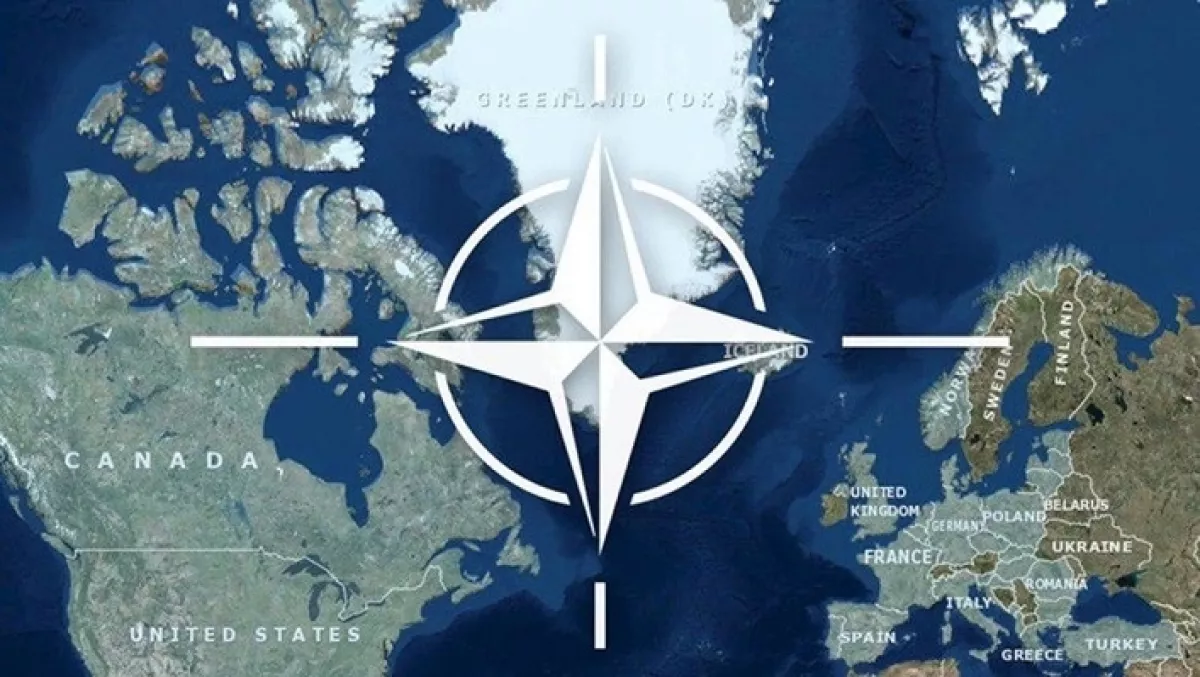
However, the key question is not so much which political forces will ultimately prevail, but rather what challenges the country could face if it were to leave the alliance. Does it have sufficient resources to ensure its security, economic stability, and the resolution of other key national issues?
Thus, if Ljubljana were to decide to leave the military bloc, it would have to go through a complex and in some respects risky process. According to the Washington Treaty, the alliance’s founding document, a member state must notify its allies of such a decision, but the withdrawal itself only takes effect after one year. After that, Slovenia would most likely face issues such as a loss of overarching security guarantees and reduced access to critical resources, since NATO’s “security umbrella” is not limited to military protection alone, but also includes military technologies, intelligence sharing, economic and energy dimensions, as well as strong positions within the EU and beyond.
Outside the bloc, the country would have to independently address complex security challenges or seek new alliances, which would also be quite problematic, especially in conditions of global instability. In other words, in practical terms, leaving the alliance would cost Ljubljana significantly more than remaining within it. This is the first point.
Secondly, such a decision could trigger an internal political crisis and deepen societal polarisation.
Thirdly, as a rule, non-aligned states are more vulnerable to external influence, which makes it plausible that within a few years, Ljubljana could begin seeking ways to rejoin NATO.
Taking these important nuances into account, it is most likely that, despite the loud statements, Slovenia will not leave the alliance at least in the foreseeable future. This conclusion is also supported by the fact that, today in Europe, there are almost no real candidates for withdrawal from NATO, although some states do discuss such a scenario.
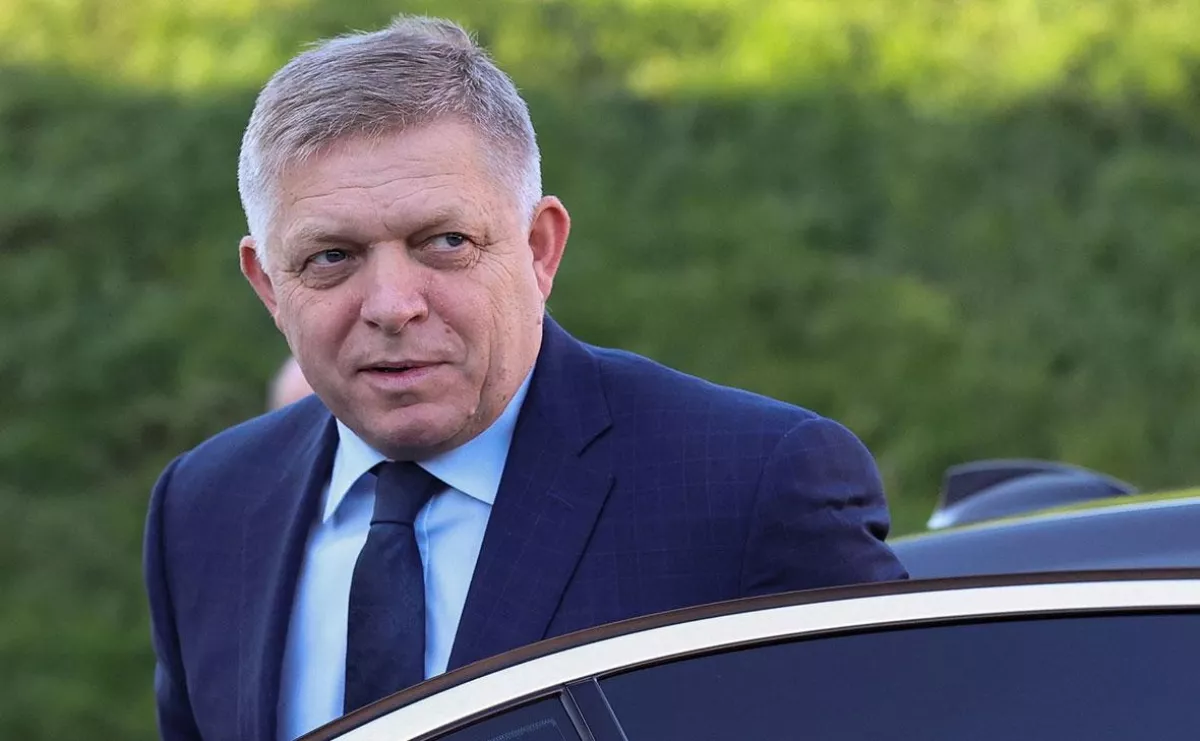
For example, Slovak Prime Minister Robert Fico stated back in June 2025 that membership in the bloc is not the best path for his country, stressing that neutrality would be more beneficial for Bratislava. These remarks, it should be noted, were also made against the backdrop of NATO’s plans to raise the mandatory level of defence spending for European member states to 5% of GDP. Hungary’s outgoing Prime Minister Viktor Orbán has also repeatedly expressed similar views, although he has not openly advocated a complete withdrawal from the alliance, instead pursuing a policy of “sovereignty” and frequently criticising NATO’s actions.
Objectively speaking, there is a precedent in Europe for a partial withdrawal from the North Atlantic Alliance. This refers to France, which left NATO’s integrated military structures under Charles de Gaulle, before beginning a gradual return in the 1990s and fully rejoining them in 2009 under President Nicolas Sarkozy. Today, however, President Emmanuel Macron is actively promoting the idea of “strategic autonomy,” without calling for a complete exit from the bloc.
Thus, each of the mentioned states uses the narrative of leaving NATO to address its own domestic political challenges, but in reality, these statements are largely declarative in nature. It can therefore be assumed that Slovenia is unlikely to become a pioneer in a definitive and irreversible “divorce” with the North Atlantic Alliance.







 editor@caliber.az
 +994 55 444-88-98
 Азербайджан, Баку, ул. Низами, 203, Af Business House, 5-й этаж