










On earthly matters in the Celestial Empire Lavrov visits Beijing
The recent official visit of Russian Foreign Minister Sergey Lavrov to China concluded with a series of statements on strategic partnership, international stability, and Moscow and Beijing’s readiness to jointly respond to global crises.
Behind the carefully calibrated diplomatic rhetoric lie pragmatic objectives: for China, it is about keeping afloat a range of alliances that demonstrate Beijing’s commitment to multipolarity in defiance of U.S. ambitions; for Russia, it is about seeking foreign policy support, projecting the durability of its partnerships, and attempting to show that it continues to retain international influence amid ongoing isolation from Western countries.
This effect was reinforced by Lavrov’s statement regarding preparations for a visit by Russian President Vladimir Putin to China in the first half of 2026.
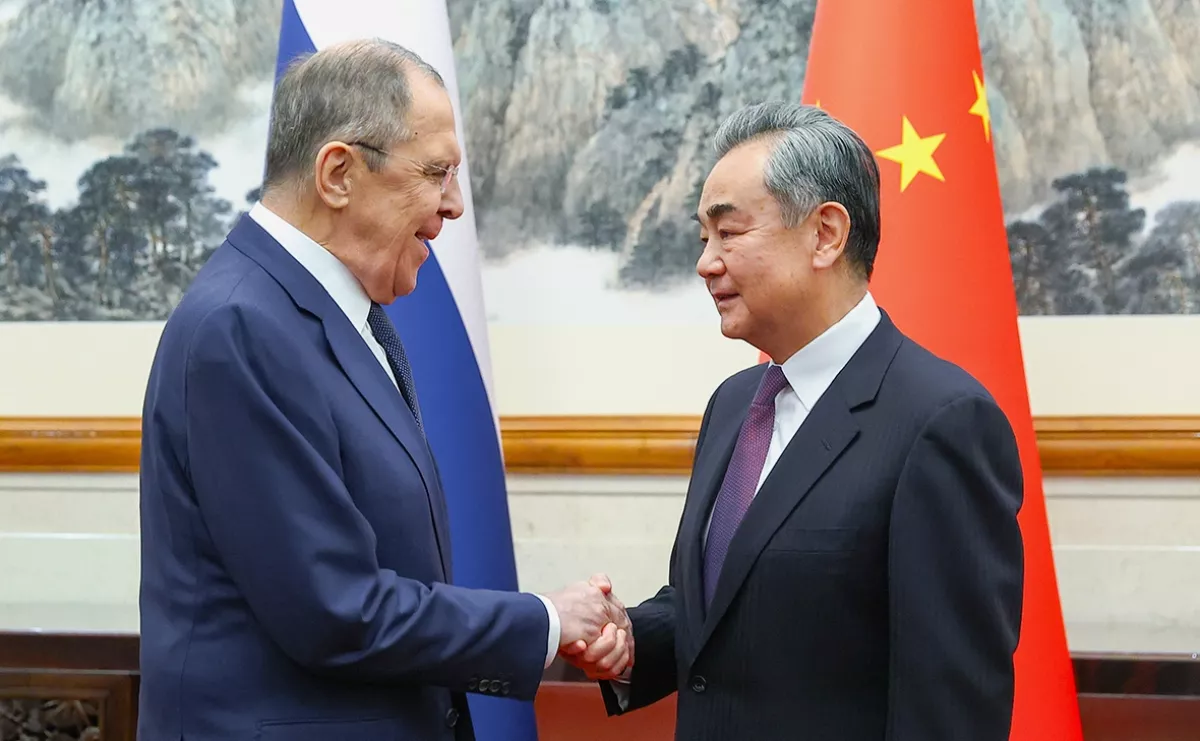
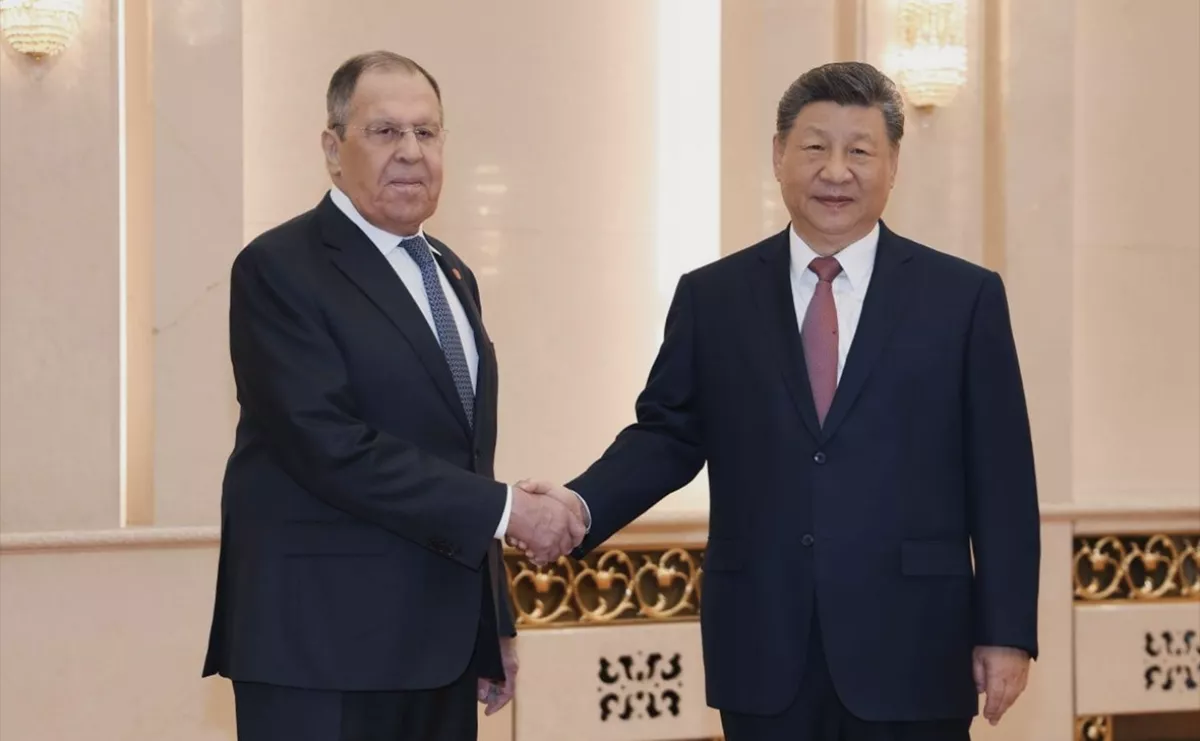
In Beijing, Lavrov held talks with Chinese Foreign Minister Wang Yi and also met with President Xi Jinping. According to statements from both sides, they discussed the Russia–Ukraine conflict, the situation surrounding Iran, developments in the Asia-Pacific region, and coordination within the UN, BRICS, SCO, and G20 frameworks.
Particular emphasis was placed on Russian–Chinese relations, which Lavrov described as a stabilising factor in global politics. Moscow highlighted the resilience of ties with Beijing, the growth in trade turnover, and the expansion of cooperation in energy, technology, and investment.
At this point, it is necessary to briefly outline the geo-economic context of the meeting. On the one hand, Russia’s economic dependence on the Chinese market continues to deepen: following the reduction of economic ties with Europe, China has become Russia’s key trading partner, objectively shifting the balance in this relationship in a way that is not in Moscow’s favour. On the other hand, the US and Israel’s war against Iran and the subsequent blockade of the Strait of Hormuz have led to a reduction in oil supplies from the Persian Gulf to China, which automatically increases Beijing’s interest in Russian hydrocarbons.
It is therefore not surprising that Lavrov expressed Moscow’s readiness to help compensate for energy shortages for China and other countries in the event of further destabilisation in the Middle East. At the same time, he also pointed to the emerging divisions within Europe, where some EU officials, aware of the risks of a global supply deficit, are already calling on Brussels to reconsider its plans to phase out Russian energy imports. In doing so, Moscow is signalling to Beijing that Russian hydrocarbons could theoretically become more expensive—at present, China purchases them at significantly discounted prices.
The Russian–Chinese talks also featured the usual criticism of the West. However, one of Lavrov’s statements stood out for its bluntness. He said that Washington is attempting to shift responsibility for containing Russia onto Europe and is encouraging the creation of an anti-Russian military bloc involving Kyiv. The Russian foreign minister added explicitly that, in this way, the United States aims “to free its hands, frankly speaking, on the Chinese track.”
It is hard to miss the undertone of timing and signalling here, especially ahead of Donald Trump’s expected visit to Beijing next month. Xi Jinping, in line with the established traditions of Chinese diplomacy, chose to express himself in rather multilayered terms: “Both sides should trust each other, provide mutual support, and strive for common development.”
If this statement appears overly abstract, Xi’s subsequent remark introduces a clearer sense of strategic framing: “In the face of changes unseen in a century, China and Russia must, through closer and more robust strategic cooperation, firmly safeguard the legitimate interests of both countries, uphold the unity of the Global South, and demonstrate the sense of responsibility expected from major powers and permanent members of the UN Security Council.”
What this translates into in practical terms is something that will likely become clearer in the near future, as unfolding global dynamics continue to push major players toward more decisive actions.







 editor@caliber.az
 +994 55 444-88-98
 Азербайджан, Баку, ул. Низами, 203, Af Business House, 5-й этаж