










Ukrainian children of war Four years in hell
“When will the war end?” This is the most haunting question Ukrainian children ask their parents. What makes it even more terrifying is that Ukrainian mothers and fathers have no answer. Only God knows the torment they endure, looking into the hope-filled eyes of their sons and daughters, children who dare to dream of something as simple—and as extraordinary—as a peaceful life.
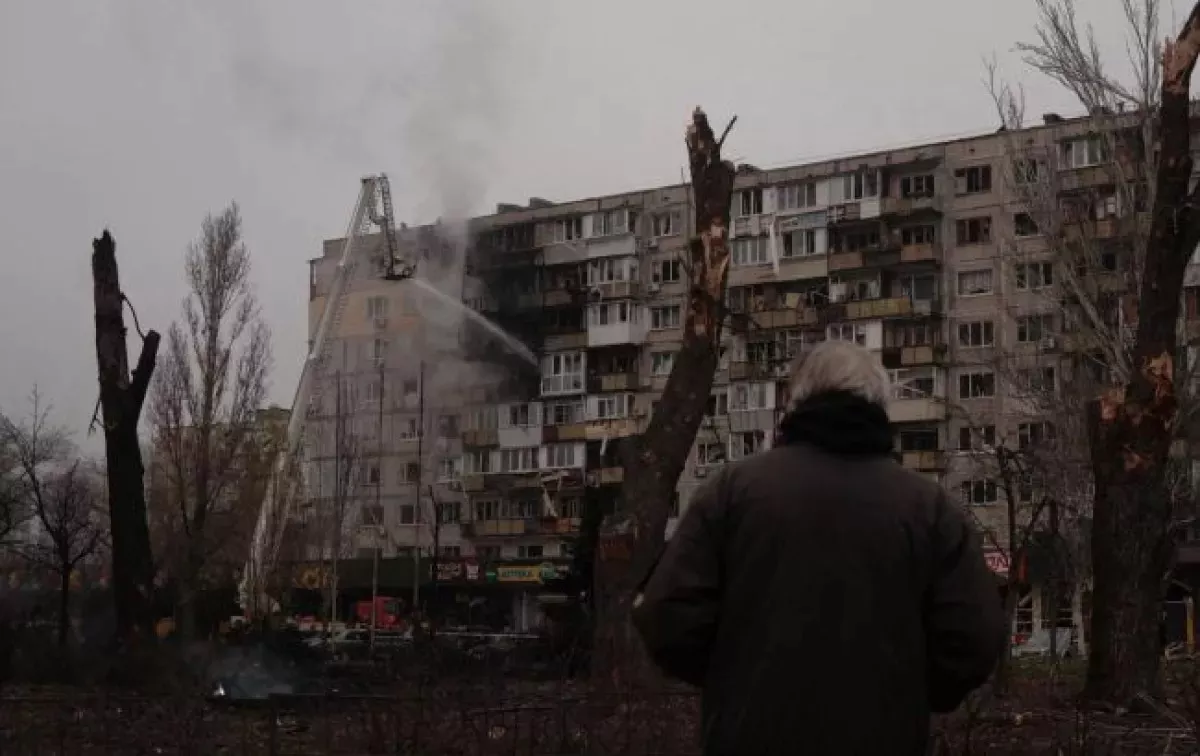
I am a father myself. I have a daughter and a son. And like every parent in this war, I feel the helpless urge to scream at my inability to influence the decisions made in the Kremlin—decisions that determine when, or if, peace will ever return to Ukrainian soil. The path to an end is clear: it must begin where it started. The war can and must be ended by those who launched it—Russia. Kyiv, Washington, Brussels, Paris, Berlin, and London can devise any number of plans, but without Moscow’s consent to halt this ongoing horror, they remain powerless. Four years of suffering continue because the choices of one government outweigh the hopes of millions.
These are four years stolen from the childhood of Ukrainian boys and girls. Four years of life under constant missile and drone strikes on cities and villages, schools and hospitals, apartment buildings and shops. Four years of living with alerts on mobile phones warning of yet another air attack, when, in the dead of night, you must run to the nearest shelter—which may be nothing more than a nearby metro station.
This is what Ukrainian children will carry with them for the rest of their lives. Not joyful memories of New Year celebrations, not moments of serenity or happiness—but fear: fear of death, their own and that of their family and loved ones. I will never forget the words my son spoke at the end of February 2022, after several nights spent hiding from Russian air attacks in the basement of our home.
“Mom, let me sleep in my own bed tonight. If a missile hits our house, at least I’ll die here,” he said. Every parent who reads this will understand the gut-wrenching anguish that comes from hearing such words. And now imagine that this nightmare has been going on—for almost four years.
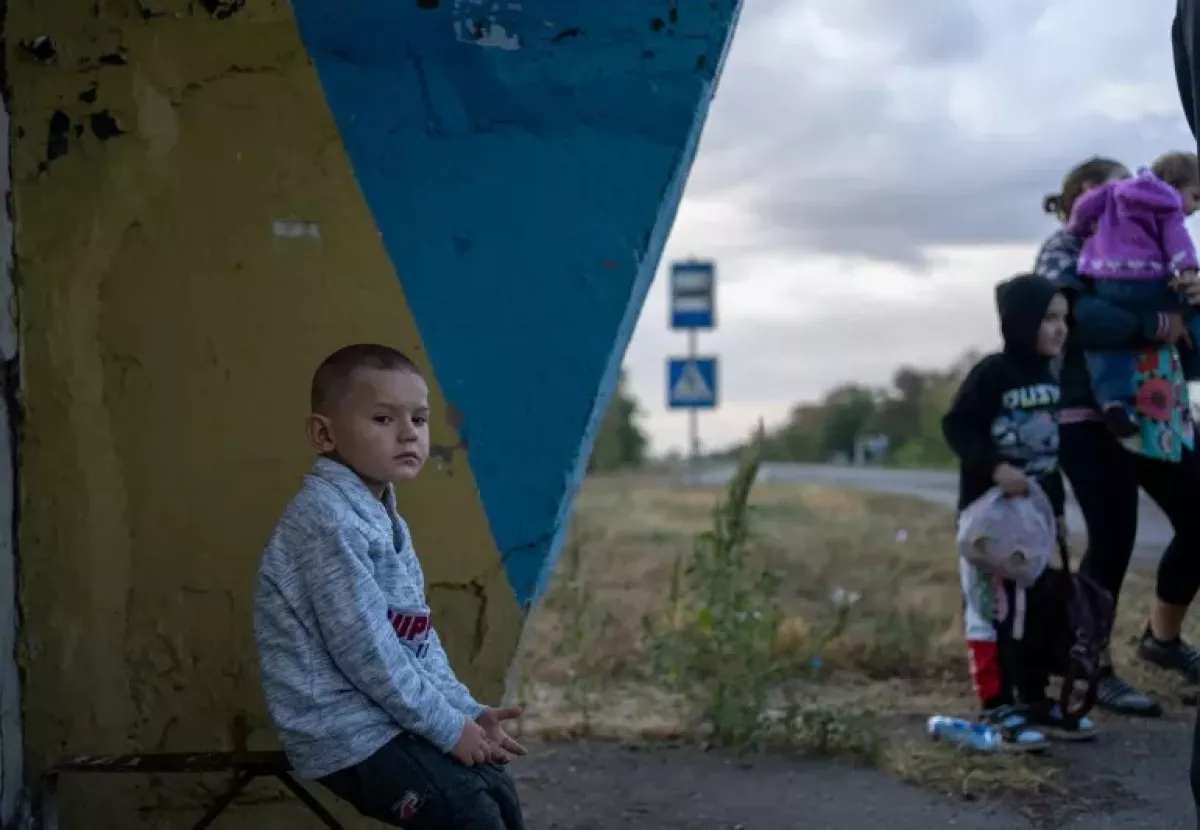
For Ukrainian children, the world has become unpredictable. Air raid alarms, explosions, and power outages create a constant sense of danger, leading to heightened anxiety, sleep disturbances, and difficulty concentrating. Children who have experienced shelling, occupation, or the loss of their homes or loved ones often show symptoms of post-traumatic stress: intrusive memories, emotional numbness, avoidance of conversations about the war, sudden outbursts of anger, or withdrawal. Their basic trust in the world is shaken—they have already learned that danger can strike at any moment. This profoundly affects their personality development, ability to trust others, and capacity to plan for the future. Disrupted schooling, online learning, frequent relocations, and destroyed schools further contribute to academic delays, reduced motivation, and a lack of social interaction and skill-building.
At least 44% of children in Ukraine have shown signs of potential Post-Traumatic Stress Disorder (PTSD), according to Ukraine’s First Lady, Olena Zelenska, during the educational conference “August 2025: Education for a Changing World.” Since then, the situation has likely worsened. Some sources suggest the number could be as high as 80%, meaning that the vast majority of Ukrainian children may experience post-traumatic stress symptoms. According to UNICEF, as of 2024–2025, 1.5–1.6 million Ukrainian children are at risk of developing serious mental health disorders due to the war and its ongoing consequences.
Reading these grim statistics, one must understand that they reflect not only parental reports and research surveys but also medical data on diagnosed cases. At the same time, many Ukrainian children withdraw into themselves, and their parents do not seek help from clinics or psychologists. The reality may therefore be even more tragic than the numbers suggest.
Meanwhile, according to the Office of the Prosecutor General of Ukraine (juvenile prosecutors), in 2025, the number of suicides and suicide attempts among minors rose by approximately 17% compared to the previous year. Adolescents aged 14–16 are particularly vulnerable—an age when, under normal circumstances, they would be dreaming and planning for their future. But how can anyone make plans under conditions of unending war, constant missile and drone strikes on cities, and daily news of the deaths of relatives, friends, and acquaintances?
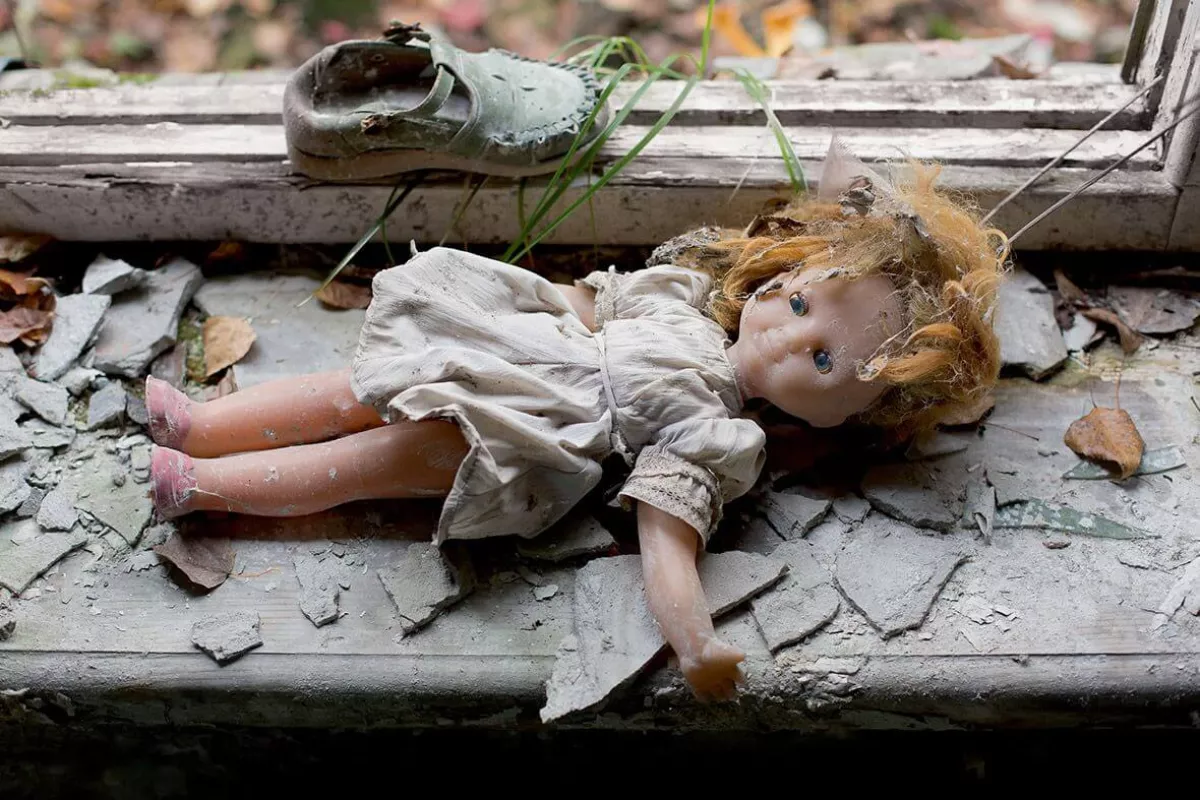
Experts note that in war-affected regions, suicidal thoughts and attempts among Ukrainian teenagers are significantly higher than in areas without direct combat exposure. In particular, about 39.3% of Ukrainian girls aged 11–17 in conflict zones have reported suicidal thoughts. The reason is understandable—they fear being captured by Russian forces, aware of the atrocities and violence committed against civilians.
Many Ukrainian boys aged 13–16 openly speak about the fact that they, too, will eventually have to fight. This is the horrific tragedy of the Ukrainian reality. Witnessing it, Bulat Okudzhava, the author of the poignant poem “Goodbye, Boys,” would likely have been stunned. These are Ukrainian boys forced to grow up too soon, barely out of childhood, only to be thrown into war—soldier after soldier. And these are Ukrainian girls who have already given away their white dresses to their little sisters…







 editor@caliber.az
 +994 55 444-88-98
 Азербайджан, Баку, ул. Низами, 203, Af Business House, 5-й этаж