










Pashinyan and Dashnaktsutyun: time to choose Armenian extremism unmasked
The very mention of the Dashnaktsutyun immediately evokes the bloody crimes that have become its hallmark. Since its founding, this organisation has openly made territorial claims against Türkiye and Azerbaijan and has treated terrorism as a legitimate tool for achieving its political aims. This is not merely the interpretation of its critics — it is a well-documented historical fact, supported by official records.
Over time, nothing has changed: the ideology of the Dashnaks has remained the same and can even be said to have further degenerated. Proof of this is a video published by an active member of “Dashnaktsutyun,” Edi Nalbandyan, in which he teaches his underage son to chant calls for the physical elimination of Armenian Prime Minister Nikol Pashinyan. The video sparked outrage both in Armenia and beyond its borders.
The harshest assessments of the incident came from Armenian media outlets and Telegram channels sympathetic to the current authorities, and it is difficult to disagree with them. This is not a case of political criticism, harsh rhetoric, or even another instance of street radicalisation. What we are witnessing is the open cultivation of the idea of physical violence — and directed at a child who, by definition, is incapable of critically assessing what is happening or independently choosing a political position.
The use of a minor in extremist propaganda is a crime against both society and the child himself. In this case, the video demonstrates not only aggression towards a specific political figure, but also an attempt to legitimise the idea of killing as an acceptable instrument of political struggle. Violence is thus presented not as an exception, but as a morally justified and even desirable act. In effect, the child is being offered a model of the world in which a political opponent is an object to be eliminated, not a subject for debate.
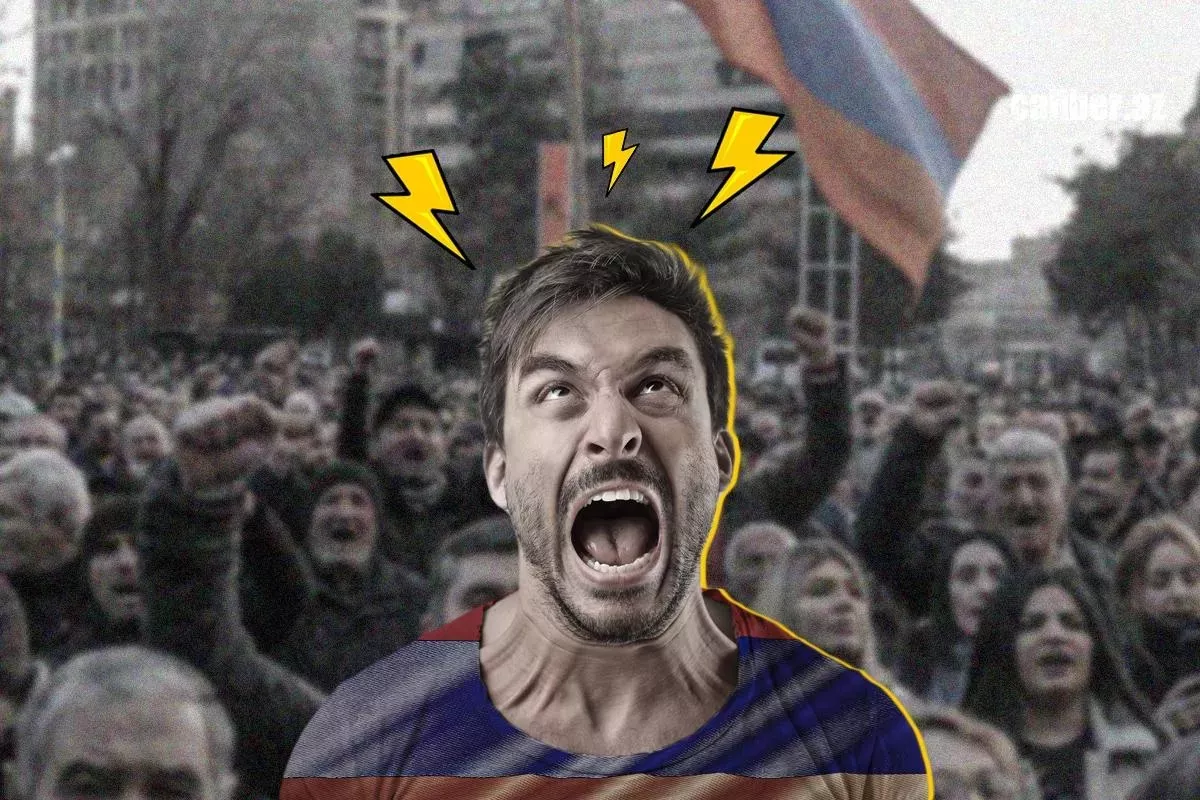
The events in question should be viewed through the lens of the fact that proponents of Dashnak ideology were at the origins of the Armenian–Azerbaijani conflict, which claimed tens of thousands of lives and became a tragedy for the entire South Caucasus. Given this history, it is not surprising that today, as real opportunities for lasting peace in the region emerge for the first time in many years, the Dashnaks are once again at the forefront of those attempting to undermine any steps toward reconciliation. Their rhetoric is consistently aimed at radicalising society, sabotaging the negotiation process, and returning to a logic of force-based confrontation.
The video showing a child being trained to use terrorist methods in political struggle is merely a symptom of the Dashnaktsutyun party’s readiness to perpetuate a culture of violence even at the level of family upbringing, cultivating a new generation of carriers of radical thinking.
Against this background, the question increasingly arises: “Why does a party historically associated with terrorism and open extremism remain legal?” In this regard, it is worth recalling that Levon Ter-Petrosyan, the first president of Armenia, had once decided to ban Dashnaktsutyun’s activities in the republic on grounds of national security and public stability. This decision was later overturned by Robert Kocharyan during his tenure as the country’s leader. Kocharyan to this day remains in a political alliance with the Dashnaks. This fact explains much — from revanchist rhetoric to attempts to sabotage peace initiatives — all of which clearly pose a threat to the region.
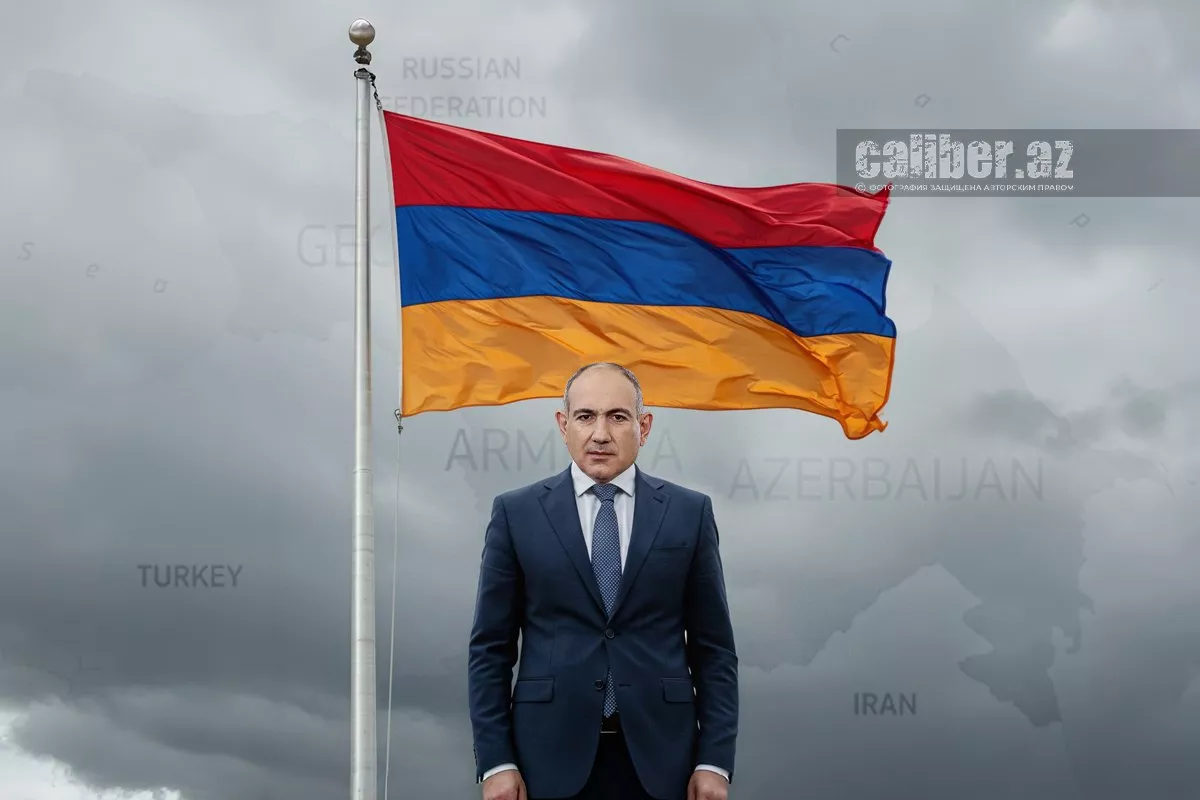
It is important to emphasise the following: this is not about suppressing dissent or opposing political opposition as such, but solely about the boundaries beyond which political activity becomes systemic extremism. Dashnaktsutyun, whose members justify terrorism, raise children in a spirit of violence, and consistently work to undermine peace processes, cannot be considered an ordinary participant in a democratic political arena.
We believe that, under current circumstances, the Armenian authorities have every reason to revisit the question of banning Dashnaktsutyun. Such a move would represent a step toward protecting society, children, and the future of both Armenia itself and the entire region from another cycle of bloodshed. History has repeatedly shown the consequences of ignoring such threats, and today the cost of inaction could be far too high.







 editor@caliber.az
 +994 55 444-88-98
 Азербайджан, Баку, ул. Низами, 203, Af Business House, 5-й этаж