










Zatulin’s “grey zones” The convulsions of imperial thinking
The verdicts of the Baku Military Court against Armenian citizens, who were found guilty of war crimes against the Azerbaijani state and people, were not only a triumph of justice but also served as a kind of litmus test, revealing who in the region recognises the rule of law and human rights, and who continues to think in imperial terms and “grey zones.”
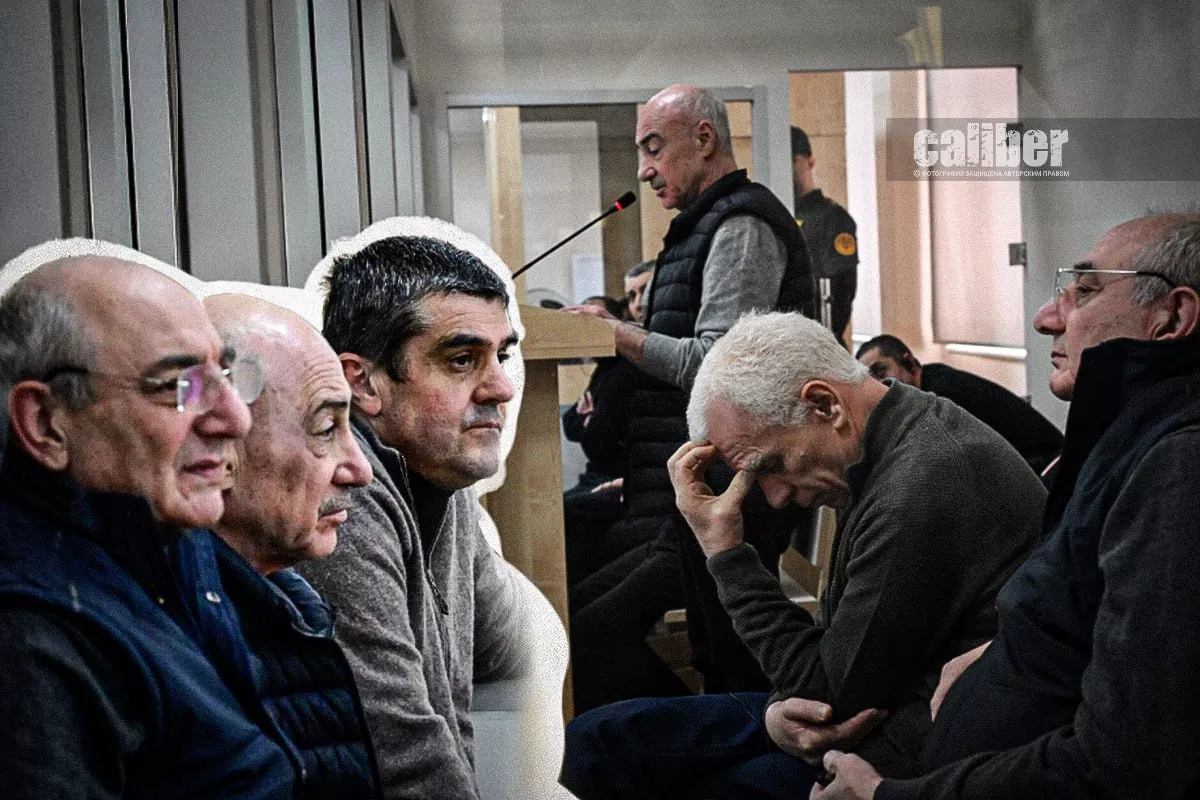
Recently, the Baku Military Court announced the sentences for key figures of the former separatist regime in Karabakh, as well as members of illegal armed groups. Importantly, the court did not “harden” or “soften” the sentences for political reasons; it acted strictly within the framework of the law and the evidence presented.
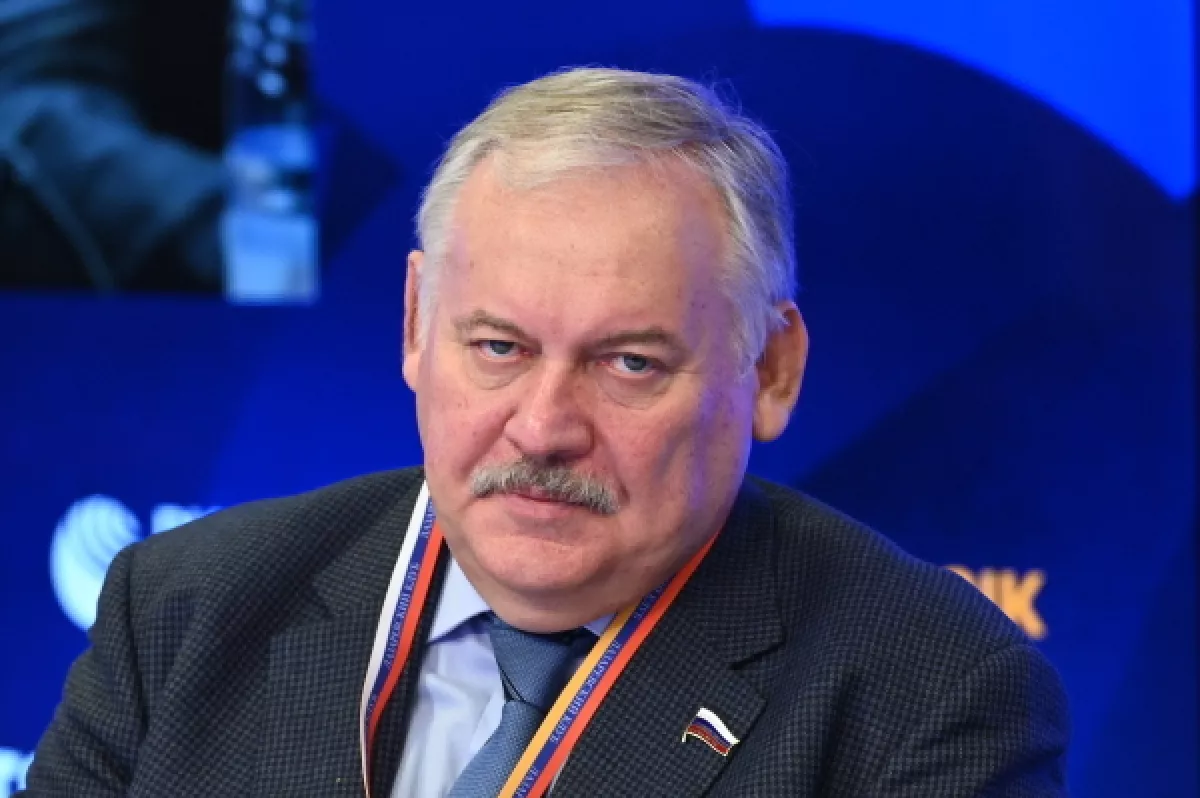
This very fact triggered a painfully, almost hysterical reaction from Konstantin Zatulin, Deputy Chairman of the Russian State Duma Committee on CIS Affairs, who, on behalf of and under the instructions of the Lazarev Club Council, issued yet another false and provocative statement titled “The Baku Punishment of Those Captured in Nagorno-Karabakh – a Shameful Triumph of Arbitrariness and Betrayal.”
To begin with, the very use in this text of the term “Nagorno-Karabakh Republic” clearly demonstrates either a deliberate distortion of reality or a complete disregard for international law. No country in the world, including Armenia and Russia, has ever recognised this separatist entity.
Equally absurd are the claims in the statement about the alleged “capture of Nagorno-Karabakh” by Azerbaijan, which contradicts a fact recognised by the entire international community. We offer this clarification especially for individuals like Zatulin.
Thus, the independent Republic of Azerbaijan was admitted to the United Nations on March 2, 1992, within its internationally recognised borders, which include the Karabakh region. This fact is also reflected in four UN Security Council resolutions, which reaffirmed the country’s territorial integrity and called for the immediate and unconditional withdrawal of all Armenian armed forces from the occupied Azerbaijani territories.
In simpler terms, in language that even Zatulin might grasp, Azerbaijan could not have “captured” a part of its own territory – the country restored its sovereignty and territorial integrity, exercising its right to self-defence under Article 51 of the UN Charter and implementing the Security Council resolutions mentioned above.
The Republic of Azerbaijan has never been, and has no plans to become, an occupying state. Zatulin, on the other hand, would do well to remember that the state he represents is under international sanctions and is considered a threat to the sovereignty and territorial integrity of several countries around the world.
Particular attention deserves Zatulin’s claim that the convicted former leaders of the Karabakh separatists were allegedly not Azerbaijani citizens. But did anyone ever claim otherwise? The exact opposite was the case – the Azerbaijani side consistently emphasised that the accused were citizens of Armenia and underlined that they were illegally present on the temporarily occupied territories of our country, where they committed their bloody crimes, much like the Nazis did during the Great Patriotic War on temporarily occupied Soviet lands, for which they received the punishment they deserved.
Equally worthy of a sarcastic smile is the fact that the Russian deputy, declared persona non grata in Armenia, while calling a legitimate Armenian leader a “traitor,” is trying to present himself as a “bigger Armenian” than even those who, for many years, have so generously financed his anti-Azerbaijani activities.
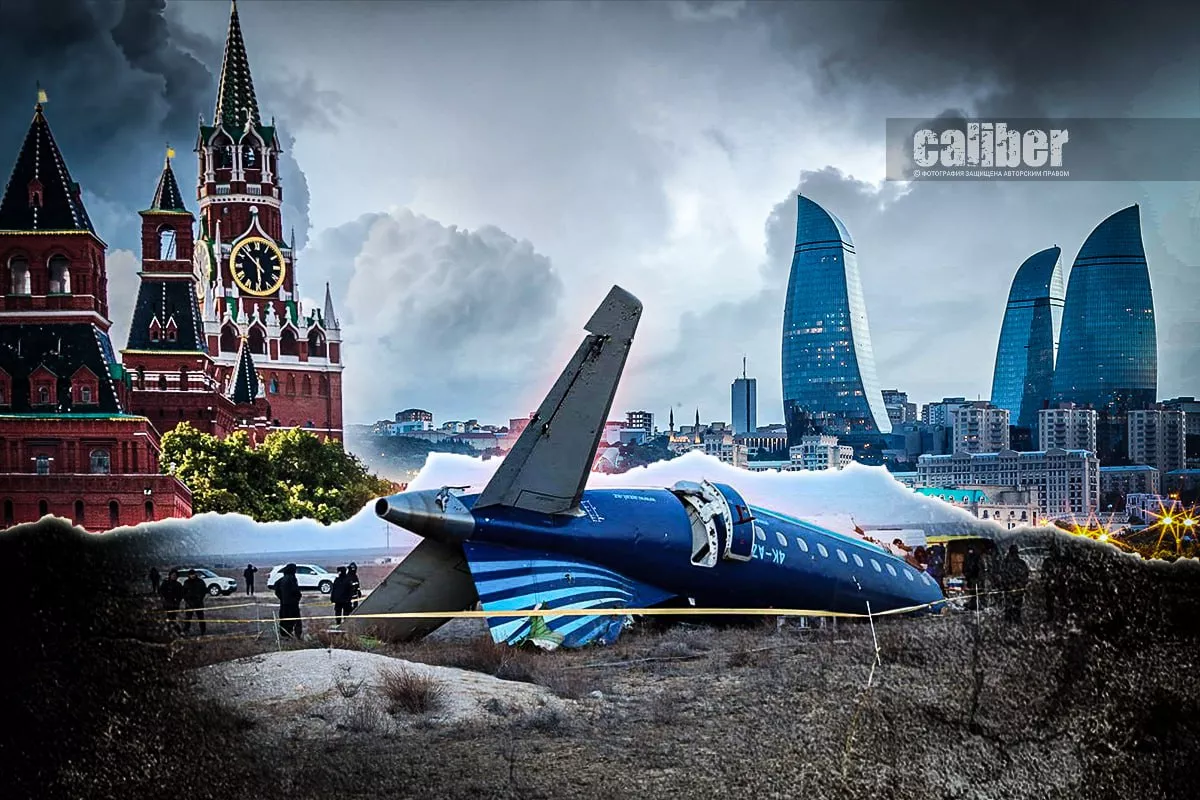
Overall, Zatulin’s rhetoric reveals a person eager for new conflicts, bloodshed, and tears in the South Caucasus—a region where the normalisation of relations between Azerbaijan and Armenia has become a thorn in the side of both him and, more broadly, the Russian establishment. This is confirmed by a whole spectrum of, to put it mildly, unfriendly actions by Russia toward Azerbaijan, ranging from the fact that those responsible for the crash of the Azerbaijan Airlines (AZAL) flight from Baku to Grozny were never held accountable, and the systematic pressure on Azerbaijanis living in Russia, to the flood of aggressive statements from Russian propagandists and war ideologists such as Dugin, Solovyov, Mikheev, and others.
Against this backdrop, summoning the Russian ambassador to the Azerbaijani Ministry of Foreign Affairs was the mildest possible reaction from our side. Azerbaijan always relies not on emotions but on facts, international law, and national interests.







 editor@caliber.az
 +994 55 444-88-98
 Азербайджан, Баку, ул. Низами, 203, Af Business House, 5-й этаж