










Humanity as Azerbaijan’s national code Aid and solidarity in action
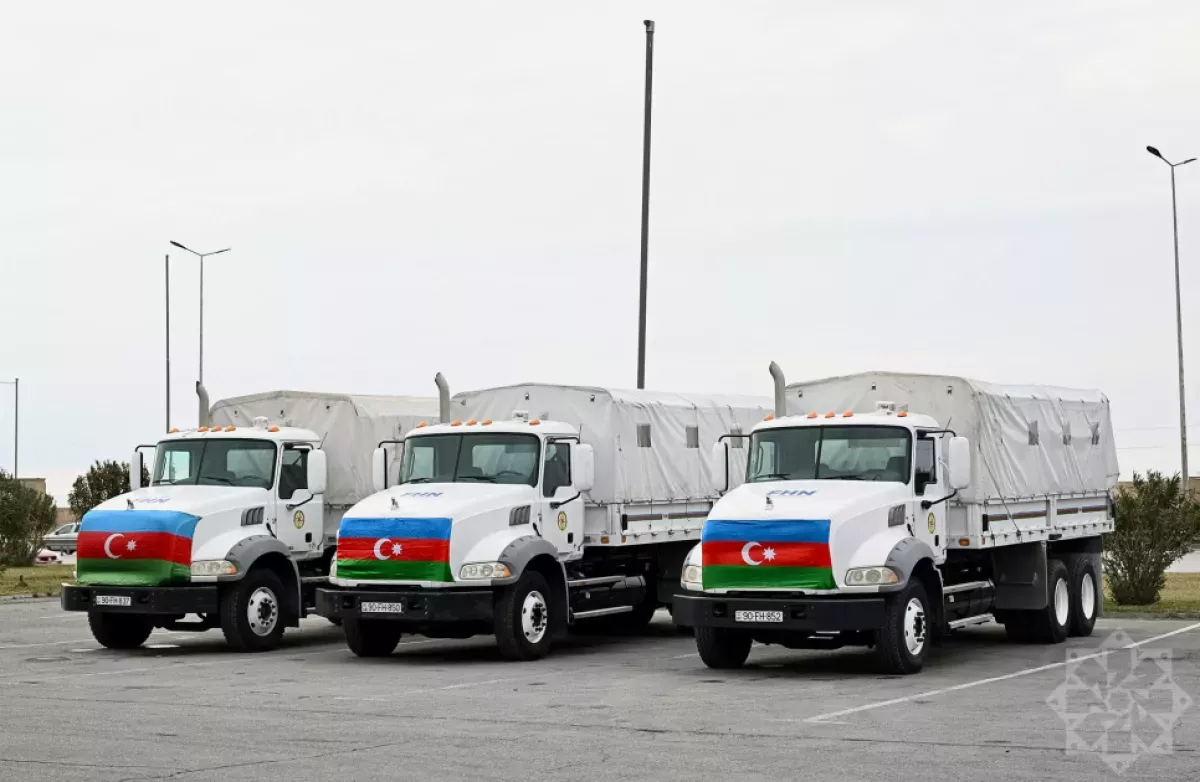
How small—if not fallen—our world has become. Only a few states demonstrate that humanity is not alien to them. Such thoughts arise when hearing the news about the dispatch of humanitarian aid to Iran, sent on the instructions of President Ilham Aliyev. The aid includes nearly 30 tons of food products (flour, rice, sugar, drinking water, etc.), as well as about 2 tons of medicines and medical supplies.
On March 5, the Azerbaijani Embassy in Syria, in cooperation with the local council of Al-Otaiba in the Eastern Ghouta region of Damascus and with the support of the Azerbaijan International Development Agency (AIDA), organised iftar dinners under the slogan: “Brotherly Azerbaijani and Syrian peoples together in the month of mercy.”
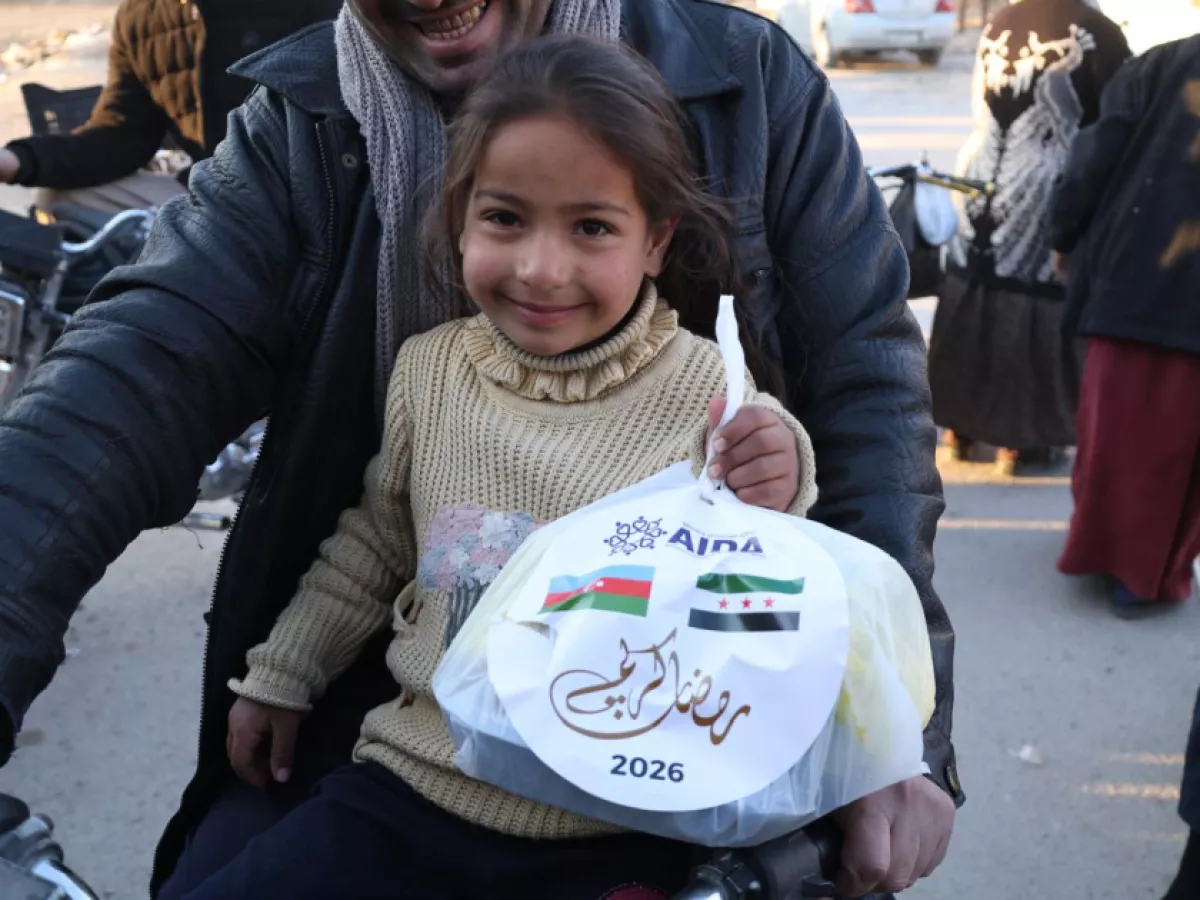
Two days later, 500 food packages were distributed to children who had lost both parents, as well as to families in need.
Such initiatives by the Azerbaijani state clearly demonstrate that, despite geopolitical upheavals, humanity has not disappeared.
Before our eyes, international law is steadily eroding, while the “law of the jungle”—where the strong seek to dominate the weak—is becoming a troubling hallmark of the 21st century. This is an age of unprecedented technological advancement, which should be addressing challenges of an entirely different nature rather than witnessing wars and the deaths of innocent people. Yet issues such as global food security and environmental protection appear to attract little genuine attention from those who still see themselves as “the powers that be” or as a supposedly “blooming garden.” For the most part, these concerns remain confined to rhetoric.
Nor should the issue of global nuclear security be overlooked. More broadly, logistics, transport routes, and trade corridors remain constantly in focus, since the safety and stability of these networks ultimately affect the well-being and livelihoods of people everywhere.
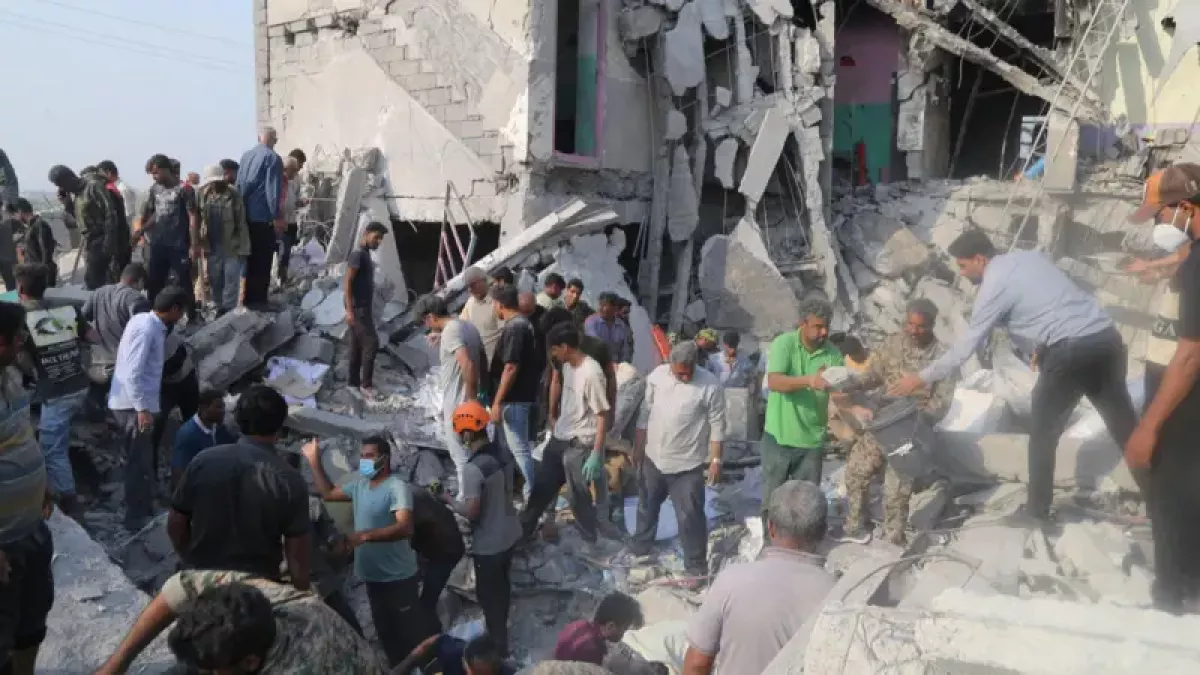
The question, however, lies elsewhere. Amid the wars of recent years, humanity itself seems to be fading. For example, after the horrific strike on a girls’ school in Iran, global discussions have focused not on the tragedy itself, nor on the grief of the parents and families of the children who were killed, but rather on what type of weapon was used in the attack.
Undoubtedly, this too is an important issue — determining who carried out the strike on an educational institution and whether it was accidental. Yet there is almost no basic empathy for the parents.
The same lack of compassion can be seen toward thousands of civilians in other regions who are forced to migrate from place to place and, upon returning, can no longer find their homes.
For us, representatives of the Azerbaijani people — regardless of national or religious affiliation — this issue is particularly close to our hearts. We remember the same indifference shown toward our compatriots and our state during the 30-year occupation. We remember the days when the Azerbaijani population was forcibly expelled from its ancestral lands in Armenia. We remember the days of the Khojaly genocide. And we remember the days in 2020 when Armenian military forces shelled peaceful civilians in our country with heavy weapons.
But does anyone among the representatives of the so-called “blooming garden” truly care that even today, in peacetime, Azerbaijanis continue to be killed or maimed by mines laid by the occupying forces?
This is happening despite the fact that Azerbaijan has been sending goods needed by Armenia to that country. At the same time, Azerbaijan continues to extend a hand of peace, including by offering Armenia — which has yet to repent for its crimes against the Azerbaijani people, including genocide, ecocide, urbicide, and culturicide — the opportunity to join regional projects.
Yet humanity lives within the Azerbaijani people. It is our code. It is in our genes. It is our achievement. It is part of our soul and our heart.
That is precisely why President Ilham Aliyev, during the COVID-19 pandemic, was the first to raise the issue of “vaccine nationalism” at the United Nations General Assembly.
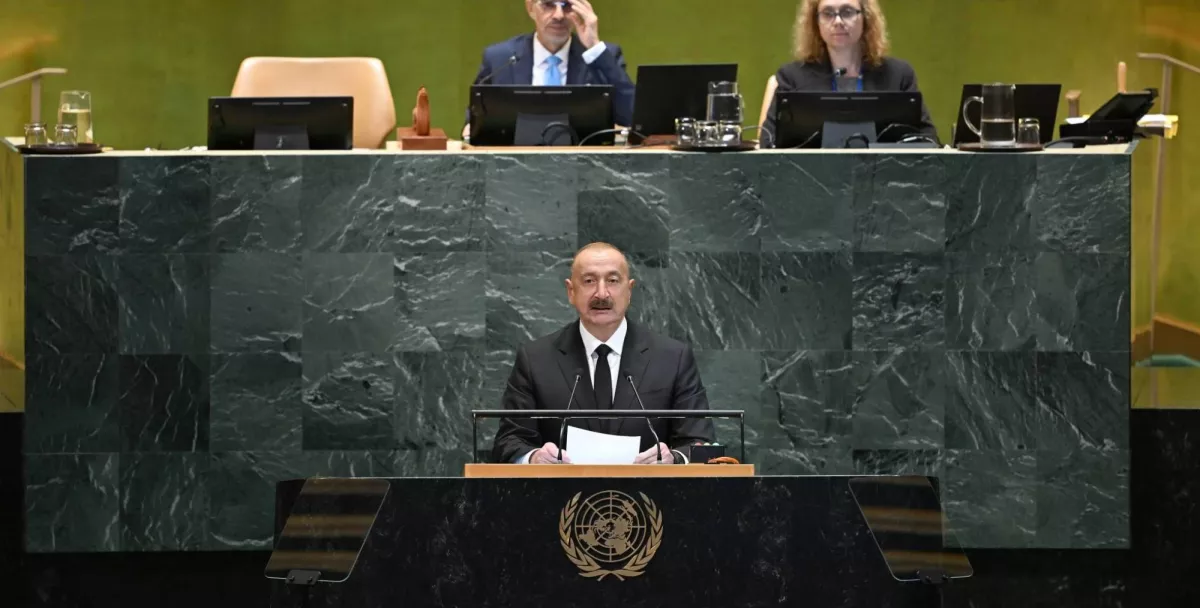
That is why, during those days, official Baku provided assistance to 80 countries. It is also why, at COP29, Azerbaijan actively promoted the issue of supporting small island states, becoming one of the first to make a significant contribution toward addressing this challenge.
In the same spirit, the Heydar Aliyev Foundation has implemented a number of unique projects, including initiatives connected with the Vatican City and Veliko Tarnovo. Alongside these efforts, substantial assistance has also been provided to several countries across Africa.
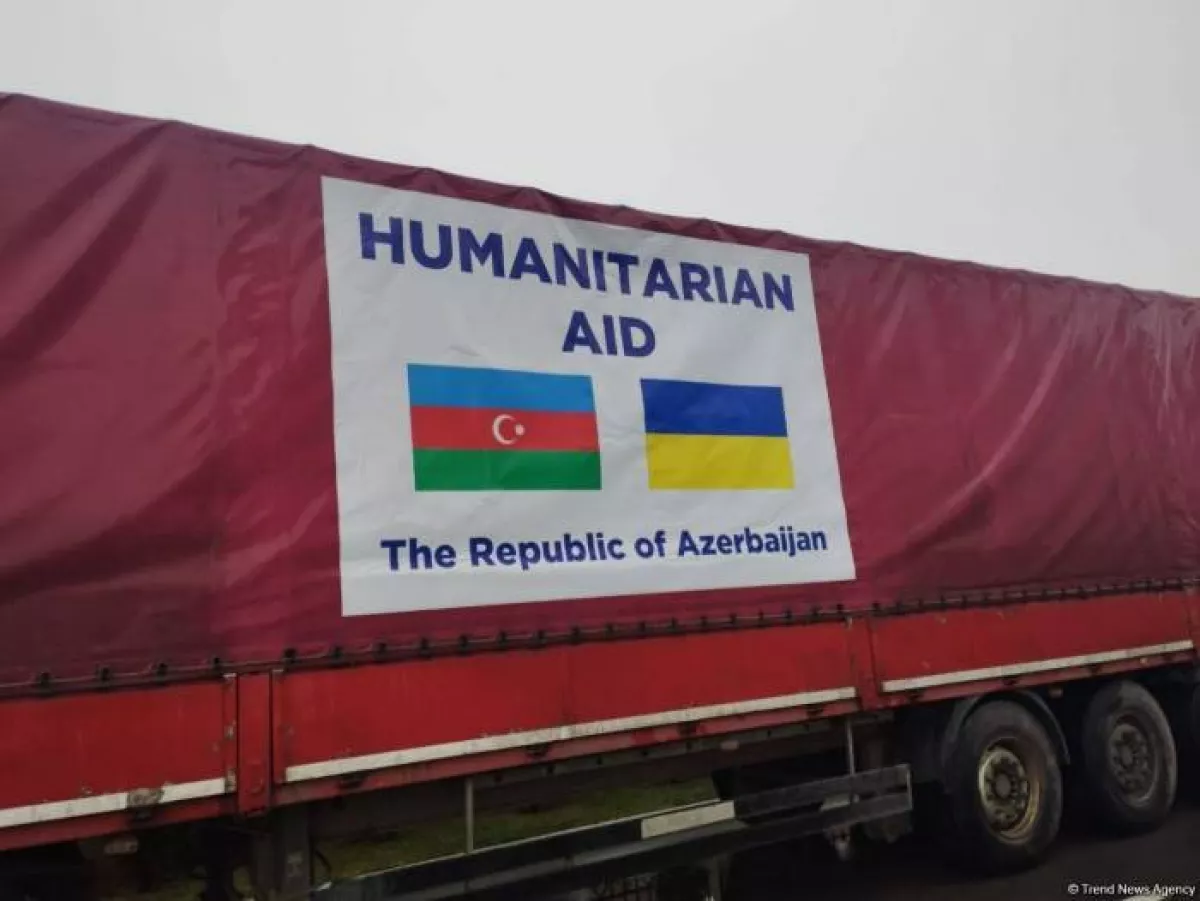
Was it not Azerbaijan that delivered substantial humanitarian assistance to Ukraine? Was it not Baku and other cities across the country that opened their doors to Ukrainian children affected by the war? And was it not, on the instructions of the president, that from the very first days of the devastating earthquake in Türkiye, all available resources were mobilised to assist a brotherly nation?
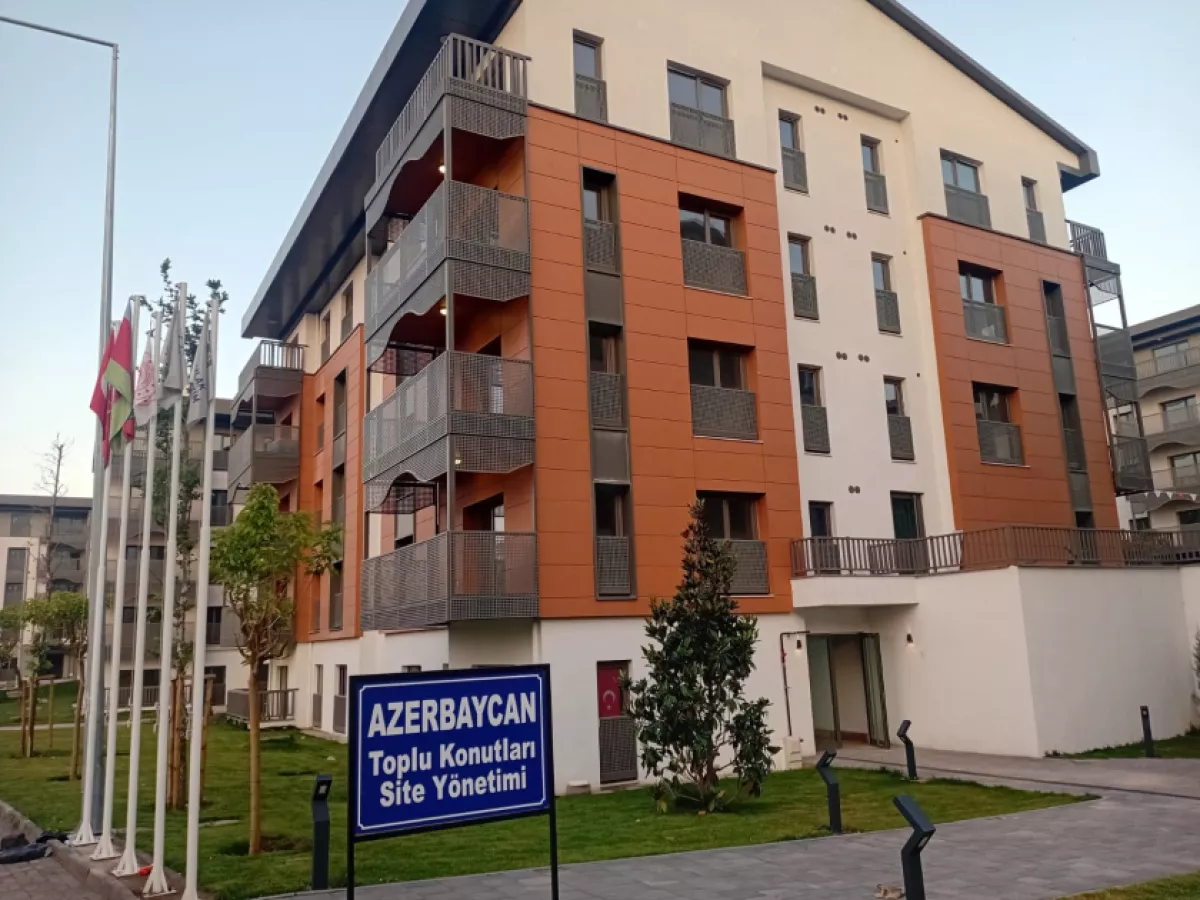
Today, one of the central districts of Kahramanmaraş, which became the epicentre of two devastating earthquakes, has turned into a showcase of the reconstruction efforts in Türkiye. The Azerbaijani quarter built there has become yet another symbol of the brotherhood, friendship, and solidarity between the two nations.
All these examples clearly demonstrate that even amid the wars that continue to shake our planet, humanity does not have to be lost. It is still possible to place helping people at the very centre of state policy. A real example of this is the Azerbaijani people themselves.







 editor@caliber.az
 +994 55 444-88-98
 Азербайджан, Баку, ул. Низами, 203, Af Business House, 5-й этаж