










Voices of reason amid the global noise of war Reflections by Teymur Atayev
The world is in urgent need of sober voices—wise, informed, and responsible. In their absence, it continues to drift along a downward trajectory. If more attention were given to political leaders who are genuinely committed to the well-being of the entire planet, a clearer understanding of the destructive nature of the geopolitical chaos unfolding before our eyes could become possible.
The key ideas expressed by Turkish President Recep Tayyip Erdoğan at the opening of the 5th Antalya Diplomacy Forum, as well as the significant messages delivered by Azerbaijani President Ilham Aliyev in his address to participants of the 82nd session of the United Nations Economic and Social Commission for Asia and the Pacific (ESCAP), stand as a testament to this perspective.
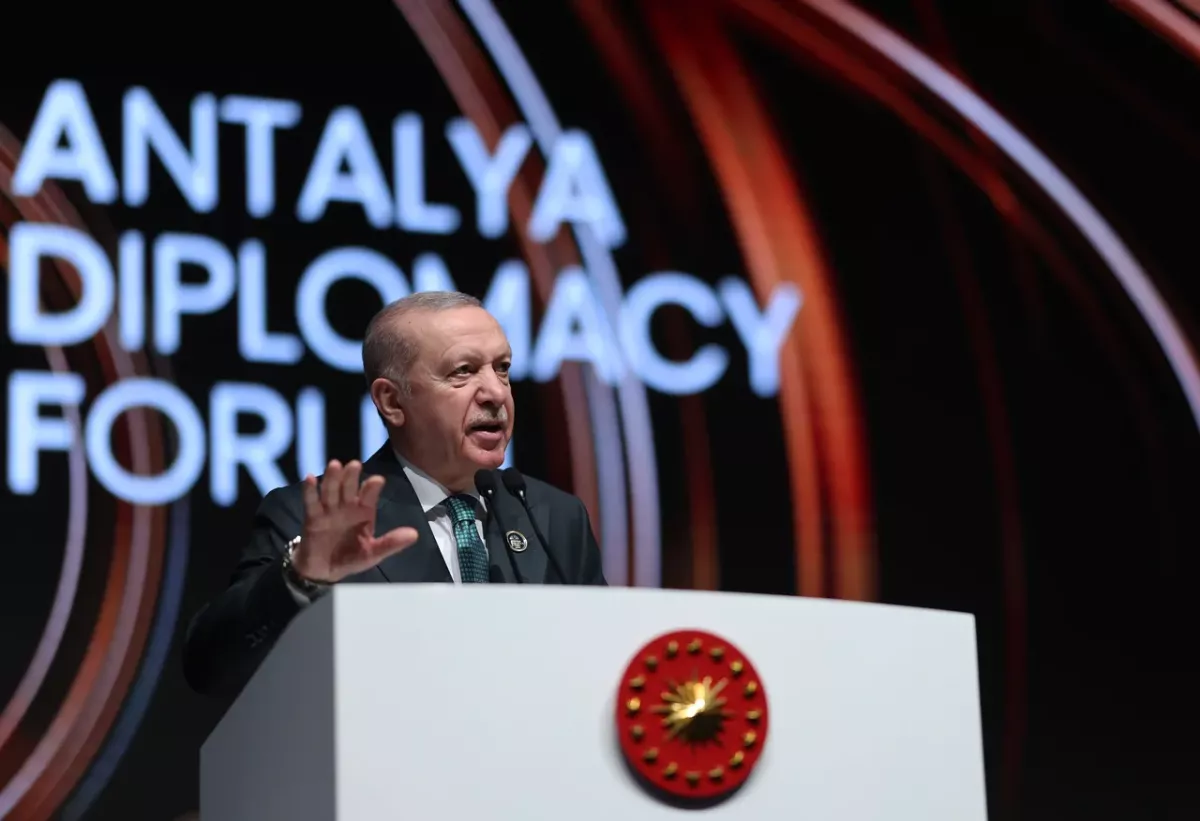
The Turkish president, noting the existence in the world of hunger, poverty, inequality between continents, armed conflicts, and refugees—phenomena unfolding against the backdrop of the daily increase in the wealth of certain countries and the “growing weight of individual wallets”—emphasised a serious erosion of civilizational values, humanism, and virtue. All of this contributes to the transformation of a part of humanity’s shared cultural heritage into ruins.
In this context, Recep Tayyip Erdoğan once again pointed out that the current security architecture, which prioritises the interests of the five permanent members of the UN Security Council, no longer corresponds to contemporary needs. He highlighted the urgency of establishing a new security framework that would serve all of humanity.
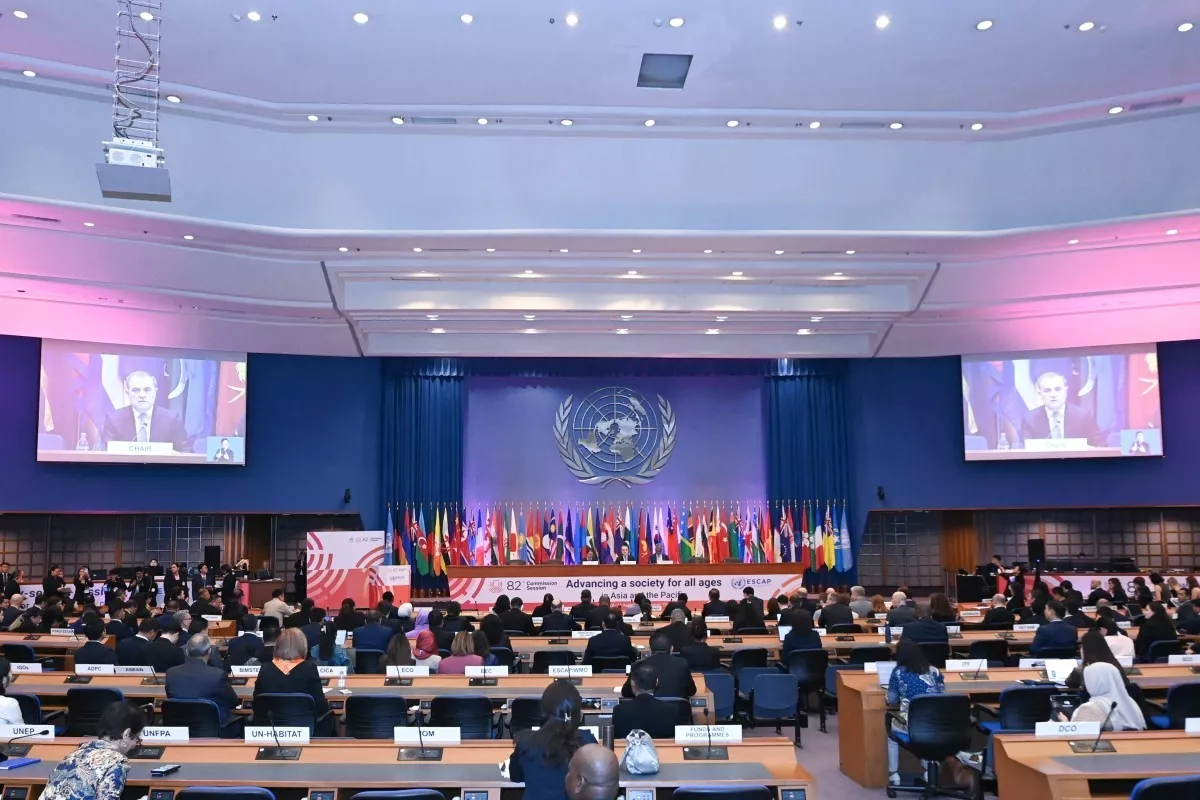
Ilham Aliyev, in turn, in his address to the participants of ESCAP—read out by Foreign Minister Jeyhun Bayramov—described the current global situation as a period of heightened global uncertainty and the growing vulnerability of development achievements. He also drew the attention of the international community to the importance of focusing on constructive cooperation and development.
Ilham Aliyev illustrated this approach with concrete examples from Azerbaijan, which continues to pursue inclusive and sustainable development. In particular, he highlighted progress achieved through the implementation of the Sustainable Development Goals, integrating the 2030 Agenda into national strategies. Within this framework, tangible results have been recorded in reducing poverty, as well as in advancing education, healthcare, and other key social sectors.
At the same time, Baku is strengthening its role as a major transport hub, ensuring connectivity between Asia and Europe and contributing to the expansion of transport, energy, and digital networks—fully aligned with ESCAP priorities.
It is fair to say that the messages delivered today by the leaders of Türkiye and Azerbaijan are becoming increasingly rare in the global discourse. This is in the sense that world leaders more often resort to militarised rhetoric, accompanied by threats directed, in effect, at the entire world. Against this backdrop, not only is international law being pushed to the margins, but also the fate of both individuals and humanity as a whole.
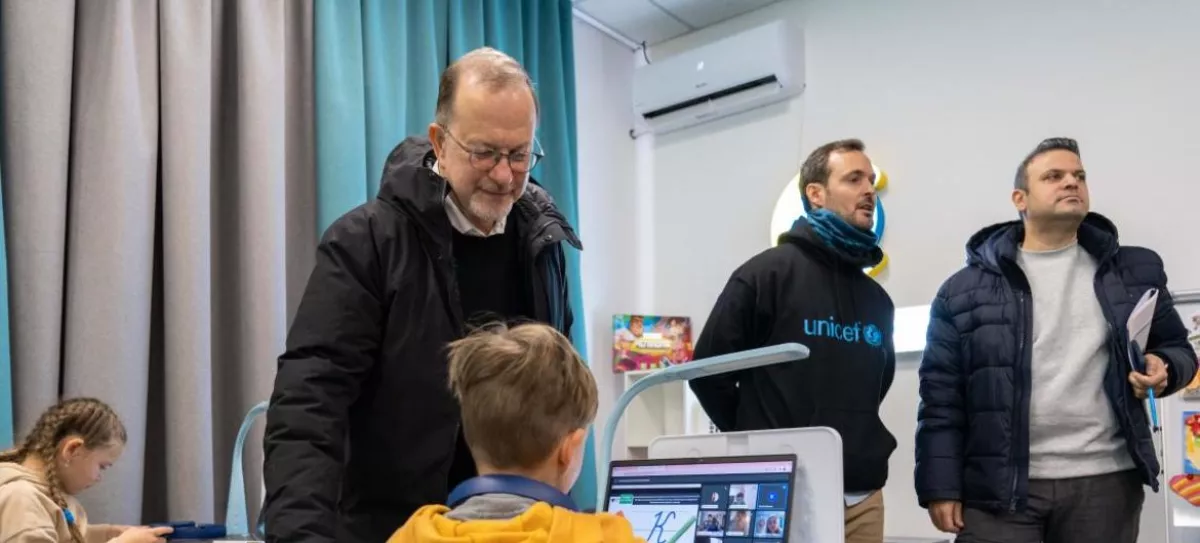
In quantitative terms, this negative trend is reflected, for example, in remarks made at the end of March by Ted Chaiban, Deputy Executive Director of UNICEF, who stated that since the beginning of the war involving Israel and the United States against Iran and the anti-Lebanon campaign, approximately 90 children are killed or injured every day.
According to data attributed to UNICEF Executive Director Catherine Russell (as of October 2025), “in the last two years, a staggering 64,000 children have reportedly been killed or maimed across the Gaza Strip, including at least 1,000 babies.” Moreover, if deaths from preventable diseases are taken into account, the picture appears even more alarming.
A number of analysts also refer to Tucker Carlson’s statement that war can be viewed as a “very stealthy, yet incredibly effective attack on what, from a Christian perspective.”
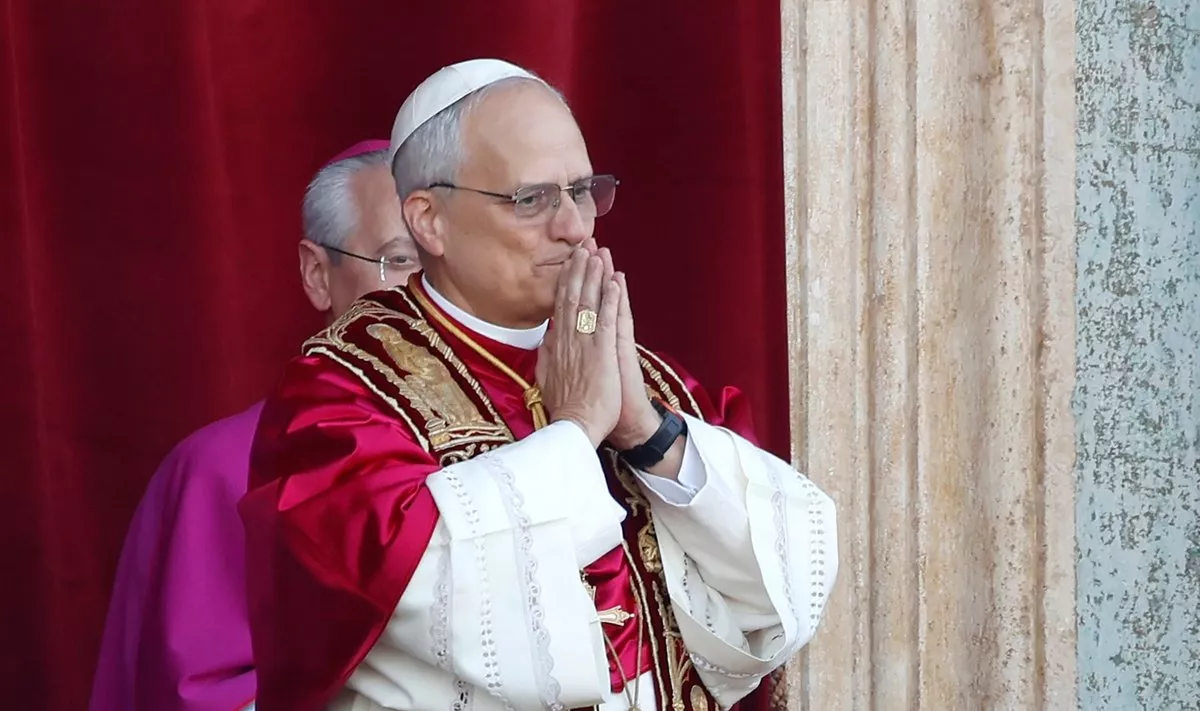
This idea resonates with the words of Pope Leo XIV regarding the incompatibility of military domination with the path of Jesus Christ: “In him, God has given us an example -- not of how to dominate, but of how to liberate; not of how to destroy life, but of how to give it.”
However, wisdom and compassion are not in high regard today. The logic of domination, as the Pontiff noted, has accompanied humanity for centuries.
This logic is already reflected in Homer’s Iliad, where it is written: “You agreed to show favour to Achilles, the plunderer, a man who has cast justice out of his thoughts and expelled all pity from his heart…”
Centuries later, Thucydides expressed the same idea in even starker terms: “while the strong do what they can and the weak suffer what they must.”
Plutarch summarised this principle as well: “the stronger always encroach upon the weaker ones.”
Euripides, meanwhile, warned about the cost of war: “For when the city has to vote on the question of war, no man ever takes his own death into account [...] how much better peace is for mankind than war.”
Unfortunately, more than twenty-five centuries later, little seems to have changed: the world still lacks sufficient commitment to creation and constructive development. The difference lies mainly in form—while the ancients expressed these ideas in the language of poetry and philosophy, today Recep Tayyip Erdoğan and Ilham Aliyev articulate them in the political sphere, remaining among the few leaders who emphasise the necessity of creation as an alternative to destruction and the loss of innocent lives.







 editor@caliber.az
 +994 55 444-88-98
 Азербайджан, Баку, ул. Низами, 203, Af Business House, 5-й этаж