










Sahel in turmoil: power vacuums, foreign interventions, and region in flux Reflections by Emin Galali
We have previously written about the Sahel region, a vast semi-arid belt stretching across Africa and comprising 11 states. The term Sahel itself means “shore” or “coast” in Arabic—a geographical metaphor for a transitional zone between the Sahara Desert and the savannah. Yet beyond this seemingly neutral definition lies a region whose reality is defined by deep instability, chronic development challenges, and escalating security crises that increasingly shape the wider African continent.
In recent years, the central Sahel has increasingly evolved into a prolonged zone of instability and humanitarian decline. Alongside long-standing structural challenges—recurring droughts, extreme poverty, and limited access to essential services (in some areas, less than 15% of the population has access to electricity)—state institutions have struggled to function effectively amid widespread corruption and weak governance.
These vulnerabilities have created fertile ground for the expansion of armed extremist groups. Mali, in particular, has become a focal point of this deterioration. In 2013, Islamist militants briefly declared the creation of the so-called state of Azawad in northern Mali, rooted in Tuareg-populated territories. The Tuareg issue, however, is far from straightforward: while some groups sought autonomy or independence, internal divisions and shifting alliances have often complicated their political role.
Following the collapse of the Azawad project, Mali’s territorial integrity was formally restored, but stability did not follow. Instead, long-standing grievances resurfaced, and segments of the Tuareg population intensified separatist rhetoric against the central government in Bamako. This cycle of rebellion and fragmentation contributed to the weakening of Mali’s already fragile democratic institutions and ultimately paved the way for military intervention and the establishment of a junta-led system in the capital.
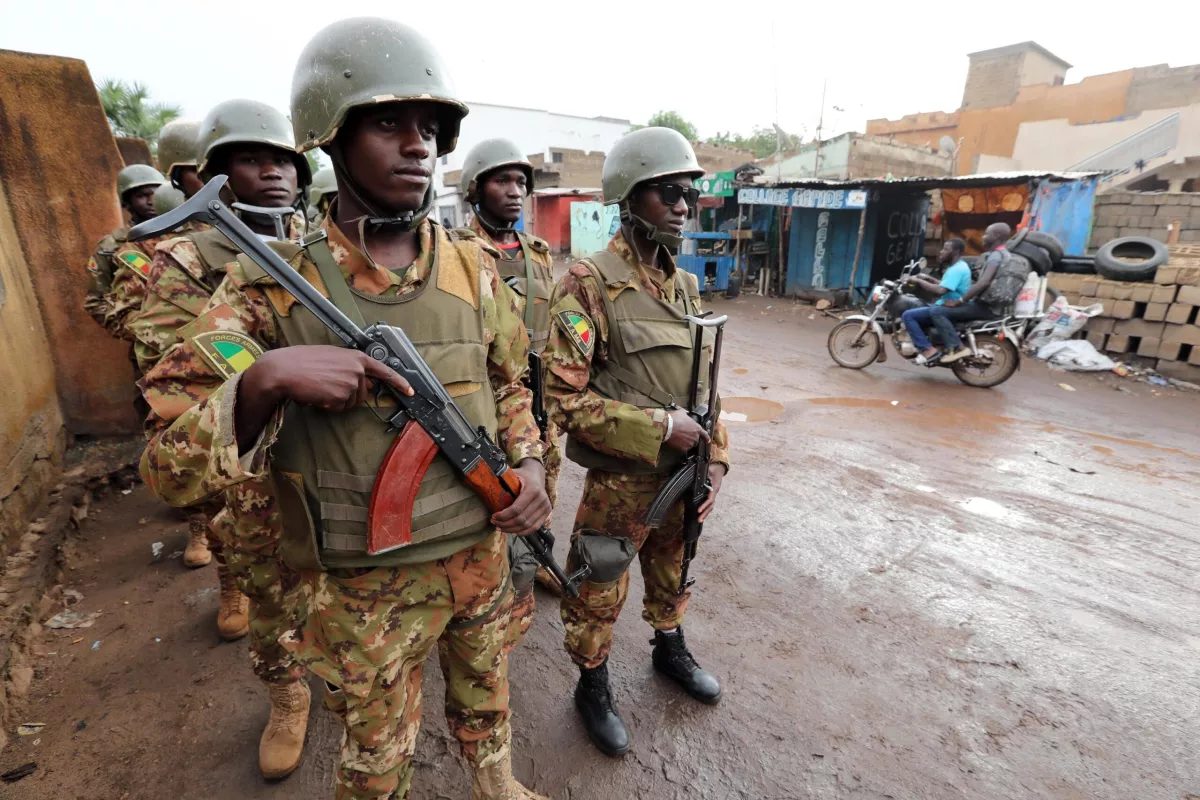
Military coups in the Sahel have become almost cyclical in nature, resembling a recurring seasonal phenomenon rather than isolated political disruptions. Burkina Faso, Niger, and Mali now rank among the countries most severely affected by terrorism globally, with state authority in many areas under sustained pressure from armed groups.
Mali, in particular, has become a focal point of this instability. A series of coordinated and large-scale attacks by militant organisations—including groups affiliated with the so-called Azawad movement and Jama’at Nusrat al-Islam wal-Muslimin—has pushed the country’s security forces into prolonged defensive operations. In such conditions, state structures have been repeatedly weakened: senior military officials have been killed, and at times even the head of state has been confined to heavily secured military installations amid ongoing threats.
At the center of the Azawad narrative lies Timbuktu—a city that resonates globally due to its historical and cultural symbolism, even entering popular culture through music and literature. Yet in today’s context, it has also become part of a fragmented geopolitical and security landscape stretching across multiple borders in the central Sahel, affecting at least four neighbouring states through interconnected militant networks and porous frontiers.
This instability has unfolded against the backdrop of a significant geopolitical shift: the gradual withdrawal of France from its long-standing military and political role in the region. Paris maintained influence over these territories for decades, but its counterinsurgency strategy and governance legacy are widely viewed locally as having failed to produce lasting stability. In many cases, public frustration with weakened civilian governments created conditions in which military actors were able to remove discredited leadership structures—only to subsequently face the same legitimacy crisis themselves while confronting expanding insurgent threats.
Into this vacuum stepped new external actors. Russia rapidly expanded its presence in the space left by France’s retreat. Private military contractors, most notably the Wagner Group, were deployed in several Sahel states as an alternative security partner, promising support against insurgencies and a different model of engagement compared to Western military missions and UN peacekeeping operations.
Within Mali’s internal political dynamics, figures such as the late defence minister Sadio Camara were associated with strong advocacy for deepened Russian military cooperation. In parallel, several governments that emerged from military coups in the region coordinated policy realignments, including temporary suspensions or reassessments of their engagement with the African Union.
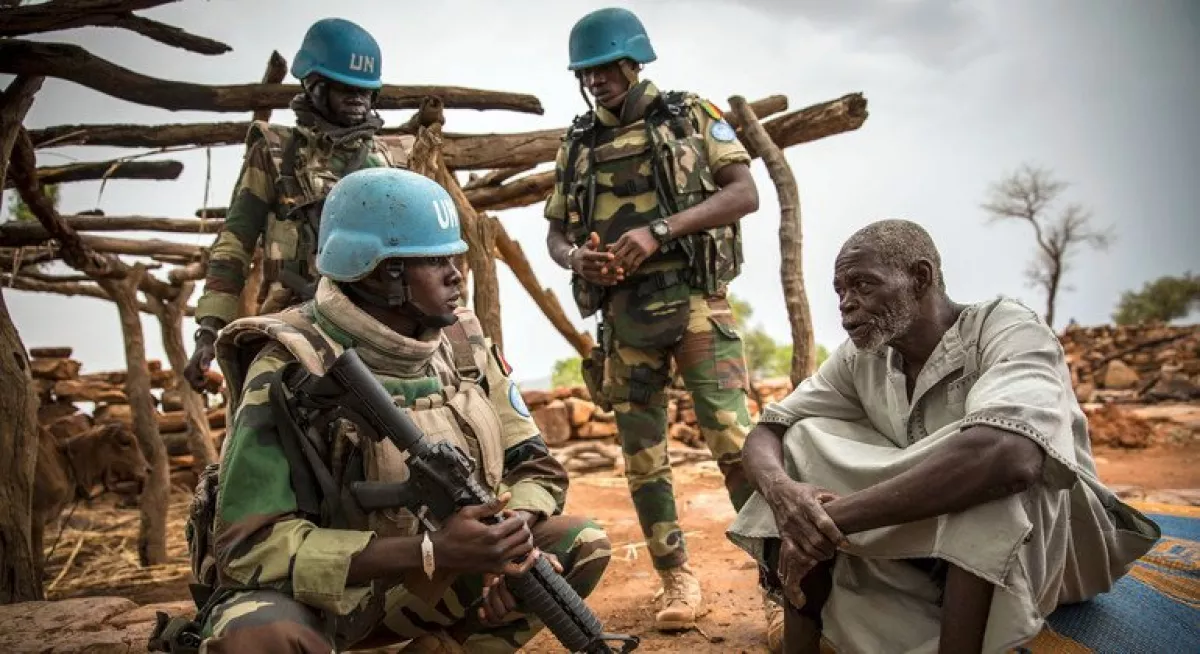
But the outcome was different. After the French presence—already weakened and ultimately compelled to withdraw—it is now the turn of Russian military specialists, or more bluntly, private contractors operating at the intersection of financial incentives and broader geopolitical calculations linked to Moscow’s long-term ambitions in Africa, to scale back or leave.
The moral of the story? Perhaps there is none in the traditional sense. Morality, in such contexts, often becomes a secondary category. What remains is a hard reality. A country may be extraordinarily rich in potential—natural resources, transit corridors, tourism opportunities—and yet remain deeply impoverished in practice, where basic needs, including food security for children, are not consistently met.
Who said that national potential automatically translates into prosperity or success?
Consider the late Turkish President Turgut Özal. When informed that Türkiye lacked sufficient oil reserves for large-scale commercial exploitation, he reportedly expressed gratitude rather than disappointment. His logic was simple: natural resources are not a guarantee of development. They are merely an opportunity—one that may or may not be converted into sustainable progress.
In other words, resources alone do not determine outcomes. They resemble a boarding pass: they grant access to possibilities, but do not guarantee a seat on the plane. The real challenge lies in whether a country is capable of navigating the struggle to turn potential into achievement.
Do natural resources truly define progress? The answer is far more complex than commonly assumed.
Without them, development would certainly be more difficult. But abundance alone does not prevent failure—and scarcity alone does not prevent success. Outcomes depend on governance, institutions, and political continuity.
In Azerbaijan’s case, the transformation of potential into tangible development was made possible through strategic state-building efforts initiated under Heydar Aliyev and continued under President Ilham Aliyev. This is not a matter of political praise, but an observation of continuity in state policy and economic direction.
This is not a comparison between Azerbaijan and Burkina Faso—countries with different histories, structures, and trajectories. Rather, it is a reminder that even states endowed with significant natural wealth and cultural depth can find themselves trapped in cycles of instability and deprivation, especially when governance systems are weak or externally disrupted.
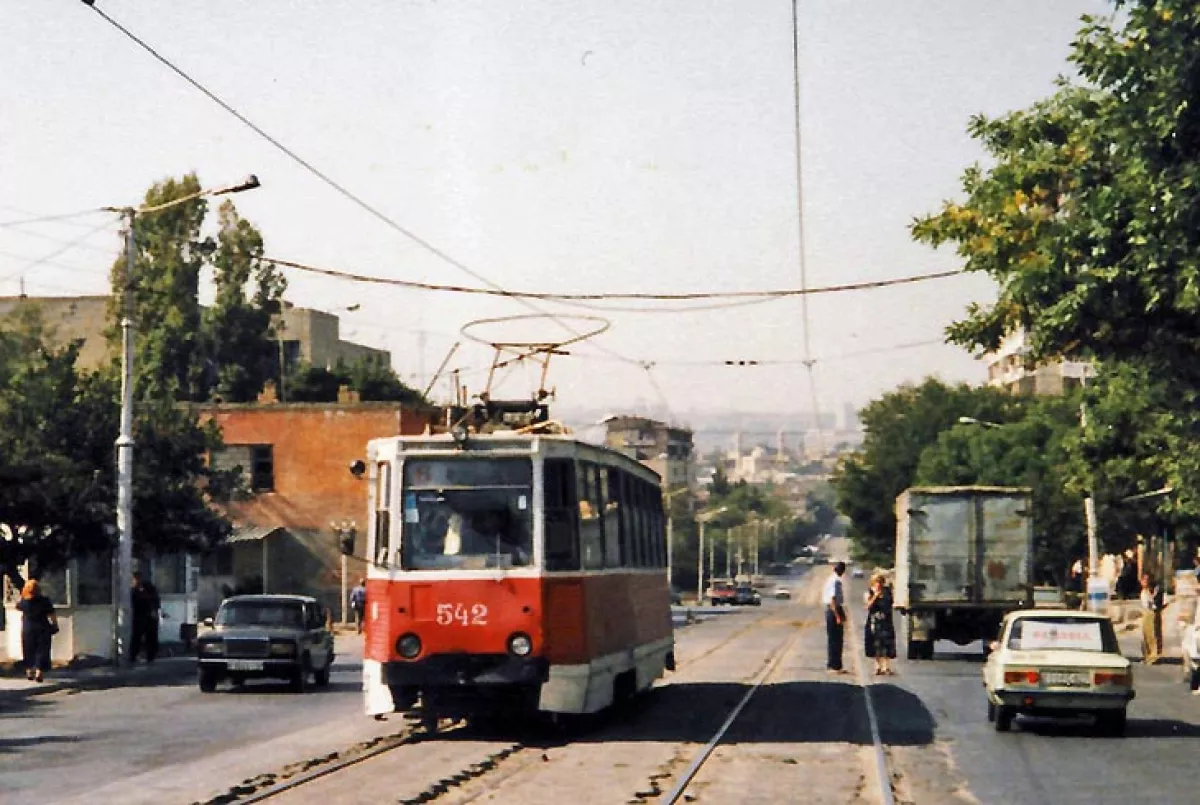
Who were we in the early 1990s? In many respects, we were a newly emerging state still searching for its footing—lacking experience, lacking reliable allies, and still shaped by idealistic expectations of “altruistic friendship” and universal brotherhood. Many still believed that justice would eventually arrive almost magically, like a figure from a children’s song about a “wizard in a blue helicopter” (a cultural reference, of course, not a political or social one).
In reality, the environment was far less romantic. Azerbaijan found itself squeezed between multiple centres of pressure: revolutionary Iran with its ideological fervour, and a post-Soviet Russia still struggling to recover from the collapse of the USSR. The latter, at the time, was itself in political and institutional disarray. Meanwhile, Armenia—strengthened by external support and regional dynamics—acted with a sense of strategic advantage, while much of the Western world remained distant, despite earlier expectations that it would serve as a guarantor of fairness and balance.
Georgia, for its part, navigated the same turbulence with pragmatic flexibility, adapting to rapidly shifting conditions in the region. In short, the South Caucasus was not a stable system—it was a geopolitical vacuum in which each actor was forced to improvise.
Even Türkiye—despite its historical, cultural, and linguistic proximity—had not yet fully developed a structured understanding of Azerbaijan’s emerging statehood or its strategic importance. Diplomatic channels were still forming. At the time, even relatively routine international contacts were often elevated to the highest levels simply due to the absence of established institutional frameworks.
But this is a digression. The more relevant question here is Africa.
The Sahel and broader African theatre today present a similarly complex and fragmented picture. Russia, positioning itself as an alternative to Western influence, has struggled to deliver sustainable security outcomes. The United States has largely reduced its direct engagement in several areas, at least in its traditional military form. Europe, meanwhile, remains preoccupied with internal political and strategic recalibration.
This leaves a more multipolar field: China expanding its long-term economic footprint, regional powers such as Türkiye increasing their diplomatic and security engagement, and even Israel—operating more discreetly but steadily expanding its presence in select strategic zones, including areas such as Somaliland.
In such an environment, influence is not simply declared—it is structured, maintained, and reinforced through networks, partnerships, and sustained engagement. The key question is not only presence, but participation in the decision-shaping “circle,” ensuring that when necessary, a state can project its position both directly and through aligned partners on the continent.







 editor@caliber.az
 +994 55 444-88-98
 Азербайджан, Баку, ул. Низами, 203, Af Business House, 5-й этаж