










Chernobyl: Forty years later, a wound that still bleeds A story that must not be forgotten
Forty years is practically a whole lifetime. Over this period, new generations grow up, countries change, empires collapse, and new threats emerge. But there are events that even time has no power over — they remain in memory as a warning, as pain, as an unhealed wound. One of them is the Chernobyl tragedy.
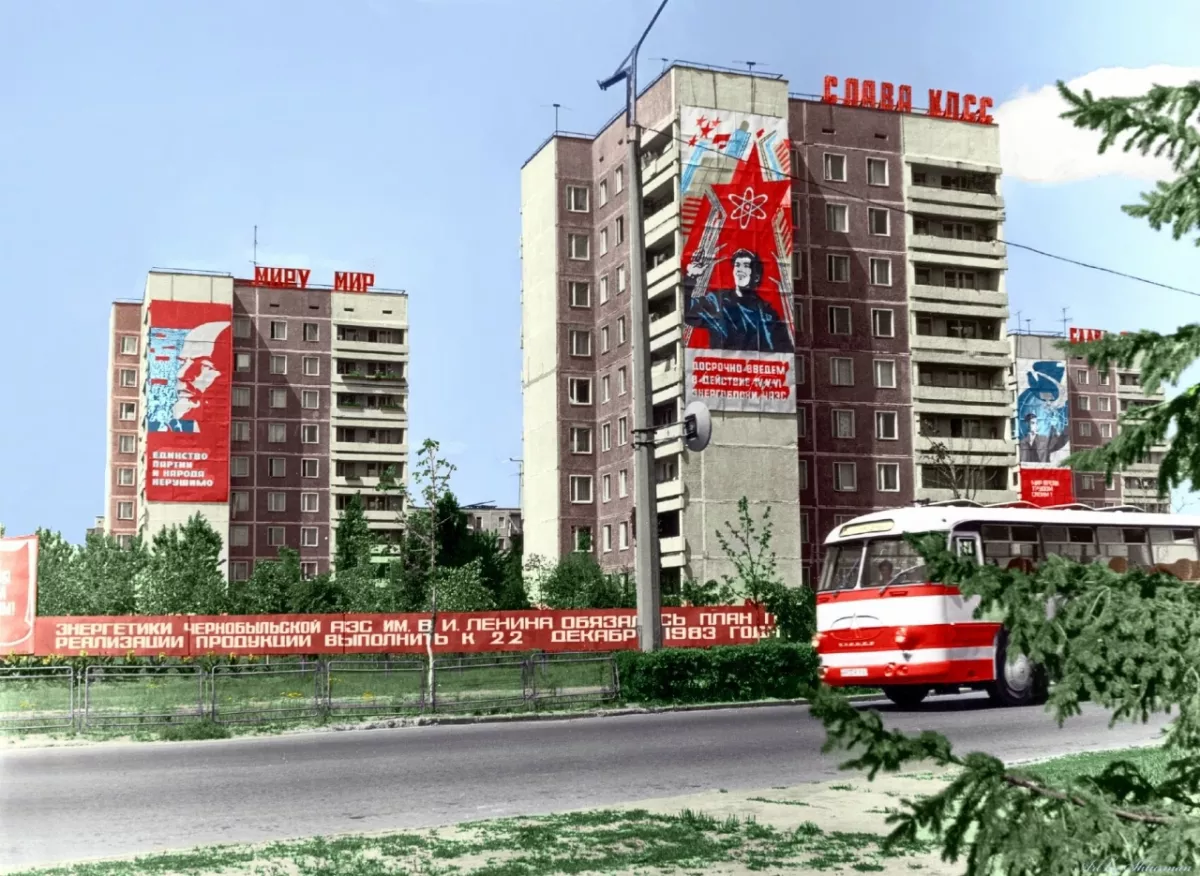
Before this date, Pripyat — known as an “atom city” — was a symbol of the future, scientific progress, and confidence in tomorrow, a source of pride in Soviet engineering. In this young, modern, and well-planned city, home to power engineers, technicians, and their families, there were 160 residential buildings, thousands of apartments, schools, and kindergartens — all built with the expectation of a long and happy life. And nearby stood the nuclear power plant, which had been planned to become the largest in the world, with twelve power units.
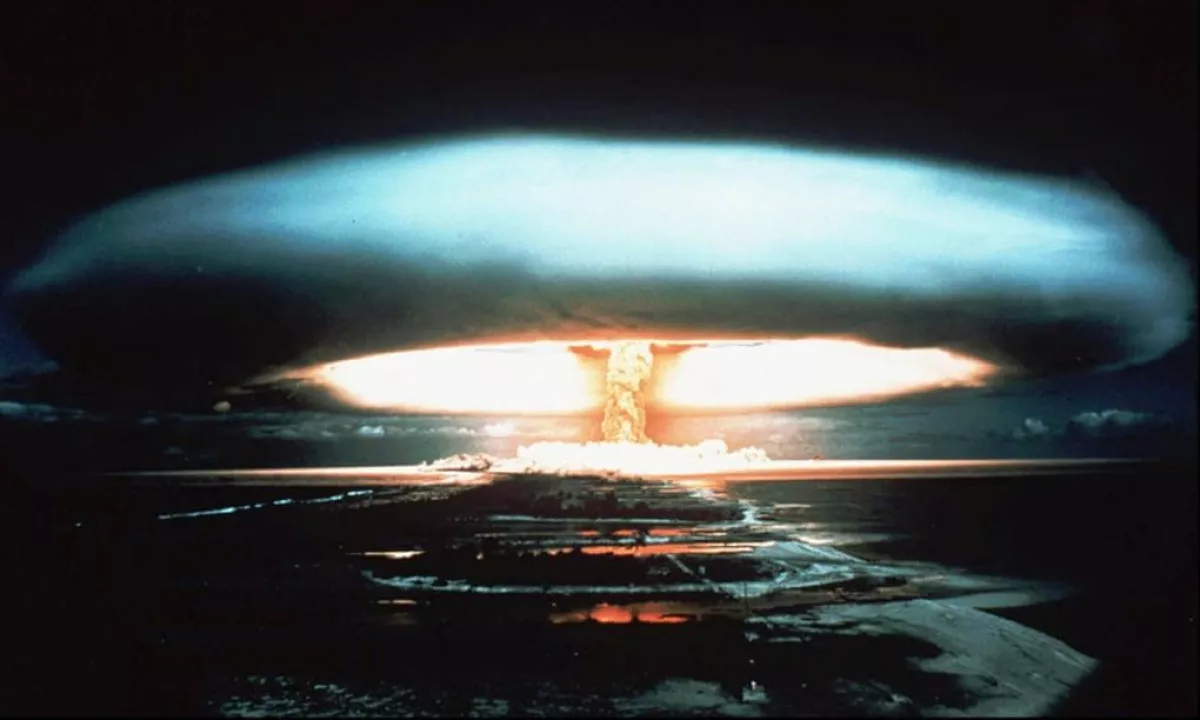
But in one night, all of this turned into a ghost. The explosion at the fourth reactor unit became a catastrophe of planetary scale: a huge amount of radioactive substances was released into the atmosphere, and this invisible enemy began to spread, recognizing no borders or nationalities. The fire, which lasted for almost two weeks, only intensified the scale of the disaster. A radioactive cloud covered vast territories — northern Ukraine, Belarus, and western Russia.
But the most terrifying part is that people did not understand what was happening. For years, they had been told that nuclear energy was the safest, that a reactor could not explode, and that everything was under control. As a result, they continued to live, walk, and work, unaware that they were being exposed to deadly radiation.
In addition, the then leadership of the USSR, headed by Mikhail Gorbachev, decided to conceal the true scale of the catastrophic disaster. At the time, there was no internet or social media, and television provided extremely limited and largely misleading information.
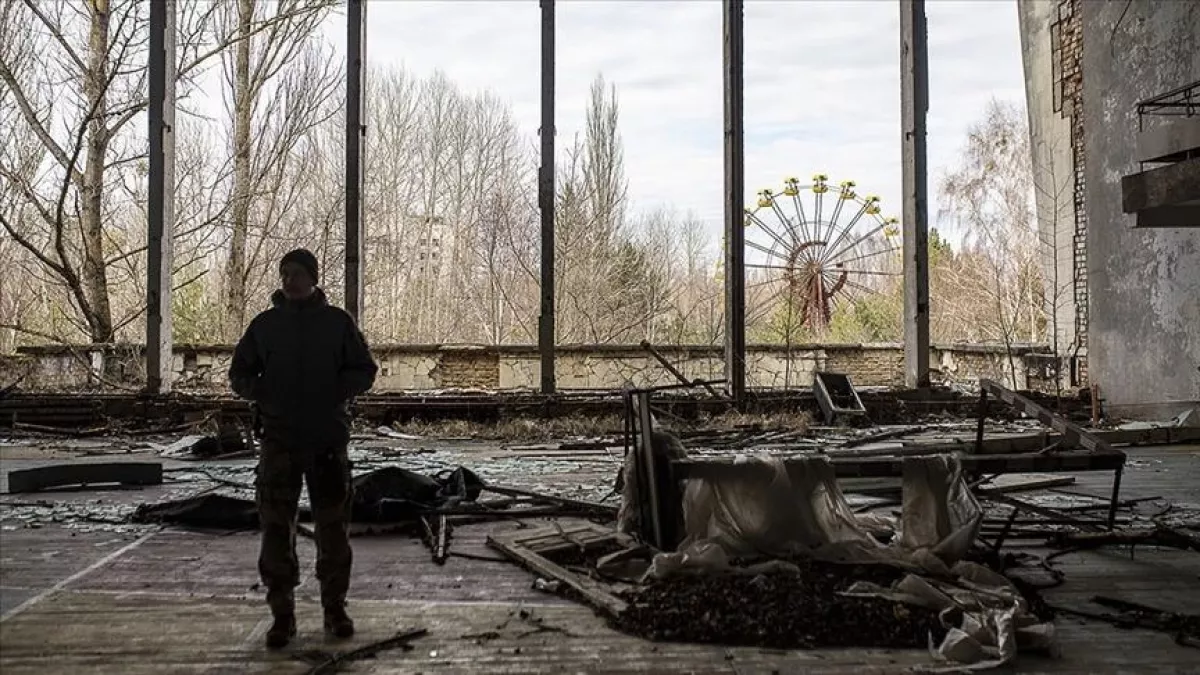
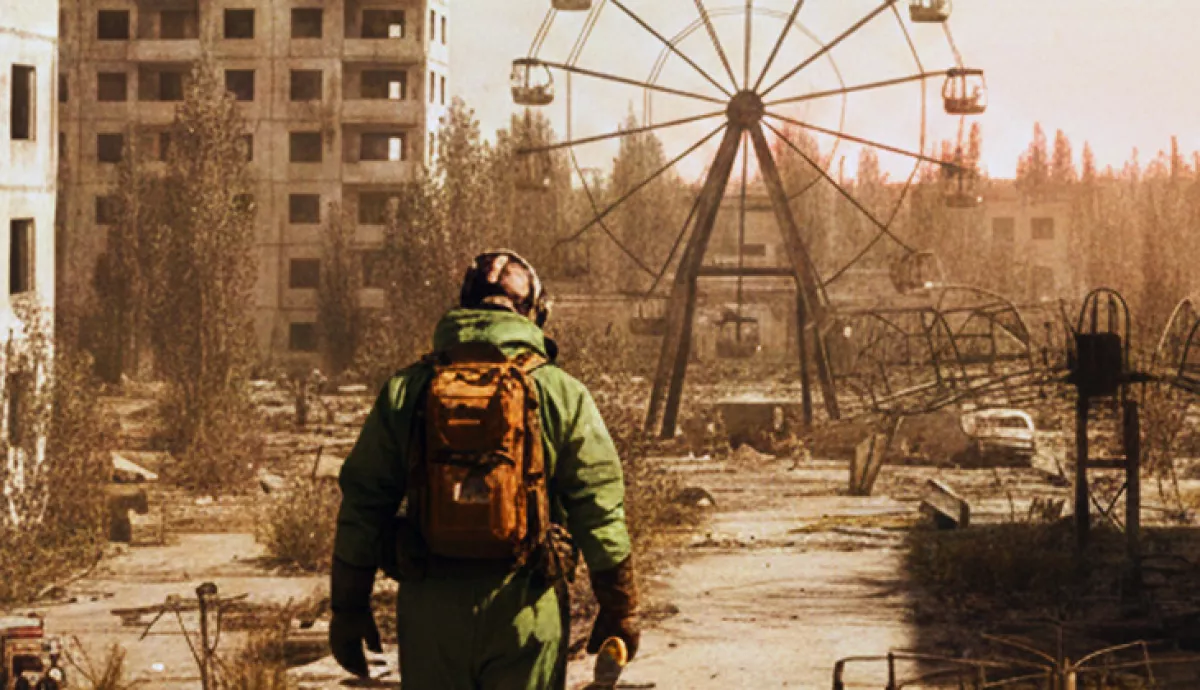
As a result, hundreds of thousands of people were forced to leave their homes. The city of Pripyat, once alive and bustling, turned into a dead exclusion zone. Today, you will not hear children’s laughter there or see lights in the windows — only ringing silence, ruined buildings, and nature slowly reclaiming the territory. Time stopped here forever on April 26, 1986.
The consequences of the tragedy are measured not only in destroyed cities, but in human destinies. According to UN estimates, around nine million people were affected in one way or another by the aftermath of the accident, four million of them children. These are illnesses, broken lives, unfulfilled dreams, and pain passed down from generation to generation.
A special chapter of the Chernobyl tragedy is the liquidators who went into the contaminated zone, fully aware of the risks, yet fulfilling their duty. Among them were thousands of citizens of Azerbaijan. I still vividly remember my many conversations on this topic with the late Honoured Builder of Azerbaijan, Emil Bahlul oglu Akhundov.
He said that the buildings in Slavutych, located 50 kilometres from Chernobyl, were constructed “by the whole world” — specialists from all republics of the former USSR took part in the construction. According to his recollections, the delegation from our country, formed by the Ministry of Industrial Construction, included 3,000 people. Employees of house-building plants from Baku, Ganja, and Sumgayit were involved in this effort.
In turn, according to the Chairman of the Chernobyl Disabled Persons’ Union Mirhasan Hasanov, more than 8,500 residents of Azerbaijan were involved in eliminating the consequences of the Chernobyl disaster in total, and among a significant number of them, children were either born with illnesses or died.
After the catastrophe, a sarcophagus was built over the destroyed reactor, and decades later — a new protective confinement structure. It seemed that humanity had drawn its lesson, and that from then on only control, safety, and responsibility would dominate the agenda. But…
As stated by former Minister of Ecology and Natural Resources of Ukraine Ostap Semerak at the Kyiv Security Forum, “Ukraine was ready to move to the next stage: dismantling the remaining structures and full cleanup of the Chernobyl NPP site; technical solutions and infrastructure had already been prepared for this purpose.” He added: “The full-scale war has set us back decades. Today, the level of danger has increased again, and part of the processes has lost manageability.”
In this context, it is worth recalling that on February 14, 2025, a Russian drone reportedly struck the shelter of the fourth reactor unit of the Chernobyl Nuclear Power Plant, which triggered a fire that was extinguished by March 7. All of this became a worrying reminder that even forty years later, Chernobyl remains a source of danger. Any damage to protective structures entails risks that may have consequences far beyond the borders of Ukraine.
Today, Chernobyl is a reminder that nuclear energy requires not only technology, but also responsibility — absolute, unconditional, and global. And the key lesson for human civilisation from this tragedy should be the following: such disasters must never be allowed to happen again. Never. Nowhere. Under no circumstances — neither due to technical error, nor negligence, nor, especially, war — because at stake are the lives and destinies of millions of people.







 editor@caliber.az
 +994 55 444-88-98
 Азербайджан, Баку, ул. Низами, 203, Af Business House, 5-й этаж