










WUF13: Azerbaijan’s new role on the global stage Review by Teymur Atayev
The 13th session of the World Urban Forum (WUF), organised by UN-Habitat and the Government of Azerbaijan, has concluded its work. The event was a significant success, as evidenced by the extremely positive response of participants to the Forum’s proceedings and the issues discussed within its framework. In the entire history of WUF, this was the largest session—over 57,000 participants from 176 countries. The success of the event is also confirmed by the reaction of global media, which provided extensive coverage of the Forum’s activities.
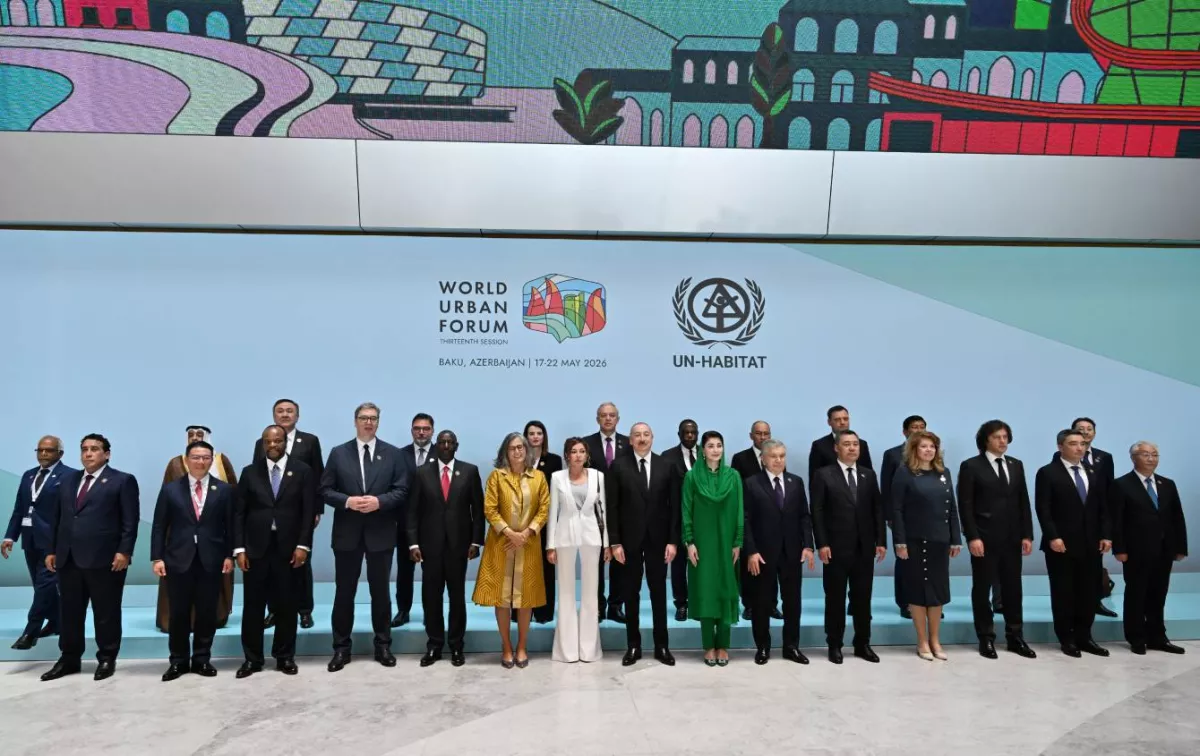
The main agenda of WUF13 was defined as ensuring housing for the world’s population, with an emphasis on achieving this goal through the creation of safe and sustainable cities and communities.
A number of media outlets covering the Forum raised the question of how Baku manages not only to successfully host events such as COP29 and WUF13, but also to embed key provisions of global relevance in the adopted decisions.
On the sidelines of both COP29 and WUF13, official Baku promoted important approaches for the international community, grounded in successes already achieved within Azerbaijan itself. For example, when Azerbaijan advocated at the Climate Summit for greater understanding between the Global North and the Global South, or for genuine assistance from leading world powers to small island states, did this not, at the very least, reflect the element of multiculturalism that has characterised our country for centuries? Has Baku not repeatedly hosted dialogue formats of an intercivilisational, intercultural, and interfaith nature?
Turning to WUF13, does not the emphasis voiced from Baku on global-scale creation in the context of building and improving sustainable cities carry a message derived from the ongoing transformation in Karabakh and East Zangezur? Is it not Azerbaijan that is demonstrating to the world how, after the devastation of urban destruction carried out during the years of occupation, “smart cities” can be built from ruins—cities where unique elements of life infrastructure stand out in particularly striking, including technological, ways?
In other words, it is not difficult for Azerbaijan to convey to the world ideas and plans that are being turned into reality, demonstrating pathways to achieving positive outcomes. The Baku platform has ultimately become a distinctive global arena where ideas of global solidarity and interconnectivity are being promoted. And while adversaries may attempt to place obstacles in the way of Azerbaijan’s constructive path, our locomotive has already gained such speed that its detractors simply cannot keep up.
Thus, the state’s significant contribution to international urbanisation processes acquires a completely new interpretation. Against this backdrop, the fact that the key focus of the current event placed the issue of housing at the centre of the global urban agenda is particularly noteworthy, underscoring the extent to which access to safe and sustainable housing remains one of the most pressing challenges of the present historical period.
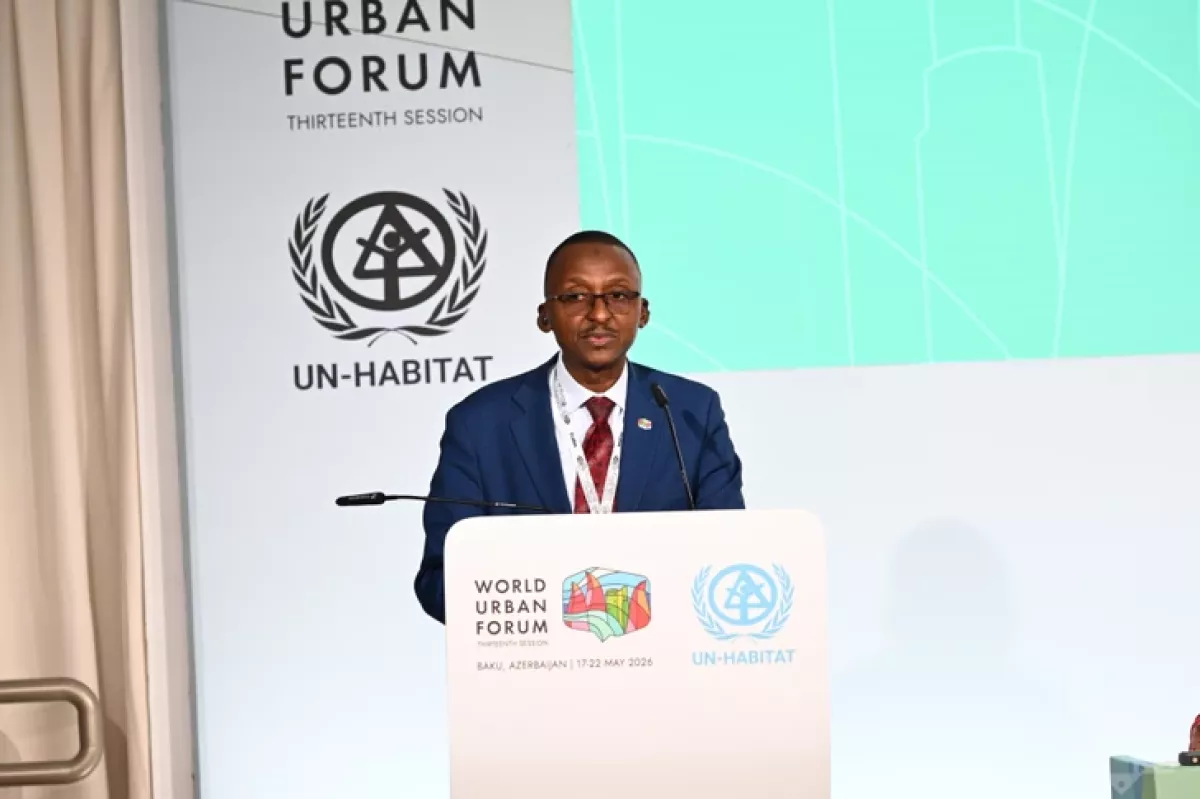
It is therefore no coincidence, for example, that the United Nations Economic Commission for Africa expressed its appreciation to the Government of Azerbaijan for the high level of organisation of WUF13, which took place at a critically important moment for urban development in Africa—against the backdrop of rapid urbanisation, growing social inequality, and increasing climate risks.
It is precisely here that the basis of Baku’s strengthened geopolitical reputation on a global scale becomes evident, which in turn has enabled Azerbaijan to host, at the highest international level, key global forums.
World leaders advancing such initiatives are confident in the successful outcomes of these events, where new formats across various fields are traditionally tested. For instance, on the sidelines of WUF13—World Urban Forum 13—the first-ever Leaders’ Summit of this Forum was successfully held. Expressing gratitude to Baku for its high level of organisation and numerous new ideas, it highlighted the transformation of Azerbaijan’s capital, under the leadership of President Ilham Aliyev, into a significant hub of international dialogue.
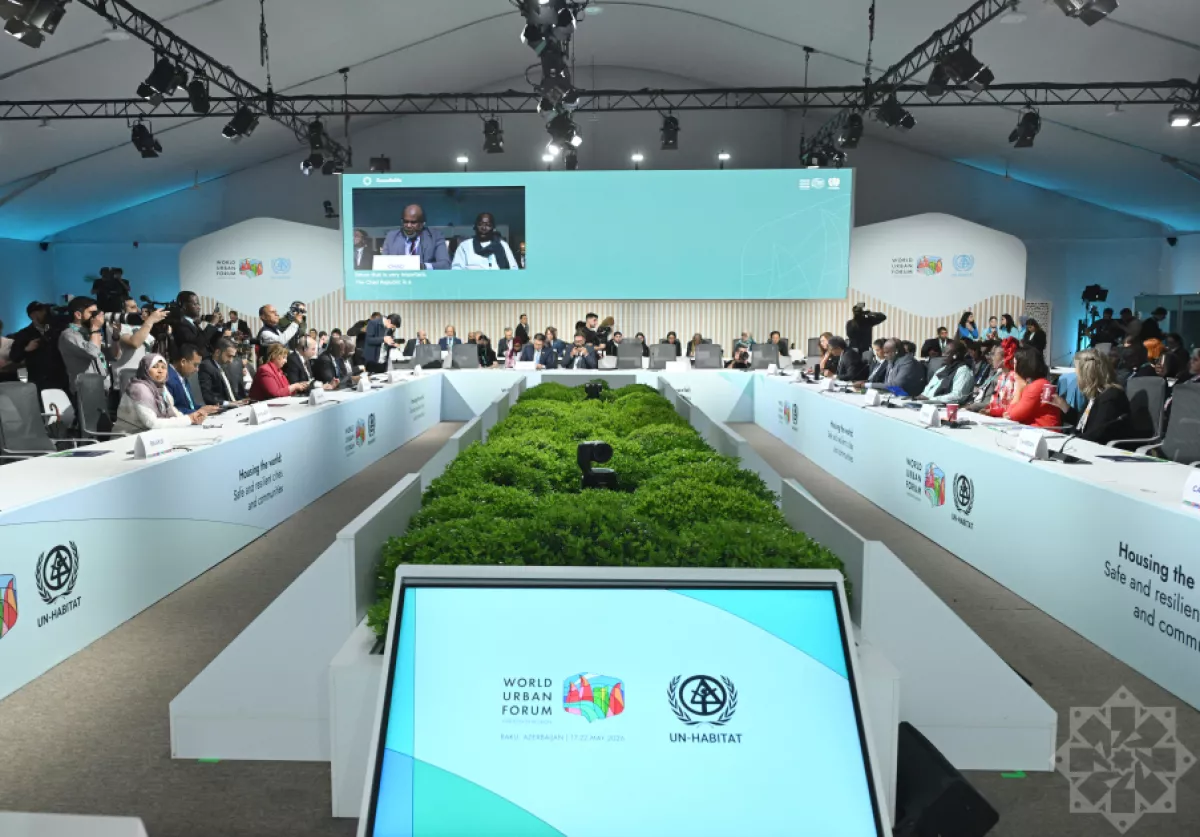
The ministerial meeting on the “New Urban Development Agenda” also generated significant resonance. Participants welcomed the Forum’s innovative approaches and, among other aspects, highlighted the importance of applying Azerbaijan’s experience in the reconstruction of liberated territories in the post-conflict period. It was also emphasised that, for the implementation of this programme, as well as the “Great Return” initiative, state budget funds of Azerbaijan were utilised.
The adopted document—the “Chair’s Summary”—also highlighted the need for joint steps towards sustainable urban development and affordable housing policies, recording the existence of concrete solutions to address the global housing crisis developed during the Baku discussions.
The “Chair’s Summary” played an important role in the preparation of the Forum’s final document—the “Baku Call to Action”—which, among other things, underlined the necessity of integrating housing policy with issues of infrastructure, transport, social protection, and other related areas. This represents an important step towards the upcoming session of the United Nations General Assembly on the interim review of the “New Urban Agenda”, scheduled for mid-year.
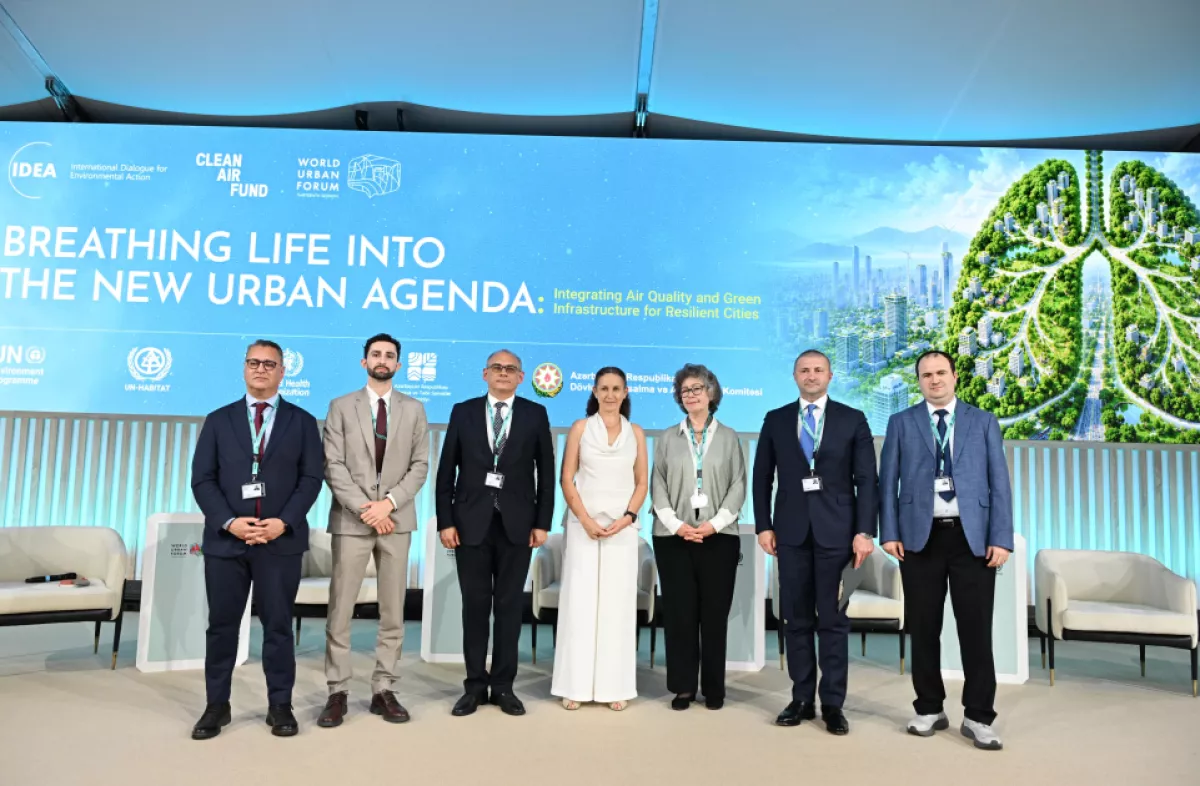
Participants of the Forum particularly noted the preservation of Azerbaijan’s ancient architectural traditions within modern urban development, as well as compliance with all environmental standards. In this context, one may highlight the event initiated by the Vice-President of the Heydar Aliyev Foundation, and founder and head of the IDEA Public Union, Leyla Aliyeva, titled “Breathing Life into the New Urban Agenda: Integrating Air Quality and Green Infrastructure for Resilient Cities”, within which a call was made to include the issue of clean air as a permanent item on the agenda of future sessions of the World Urban Forum.
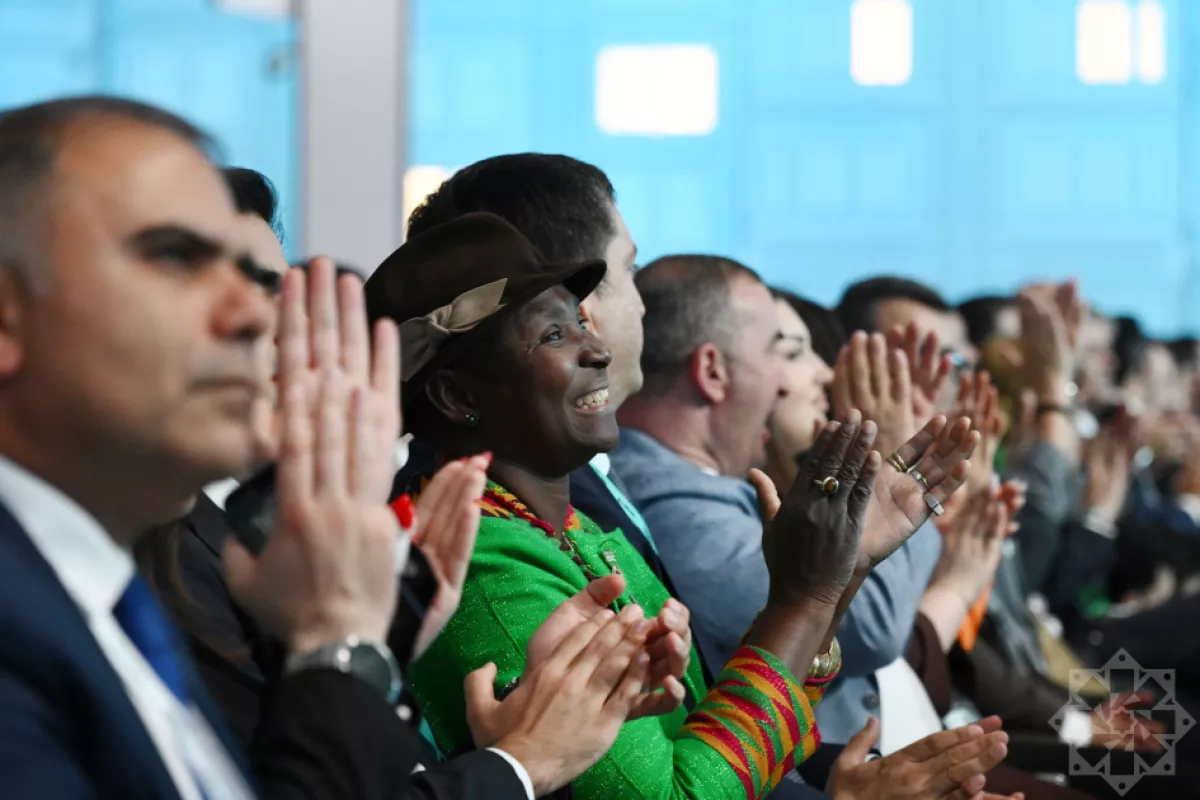
World Urban Forum 13 once again confirmed Azerbaijan’s growing international standing and its ability to serve as a platform for discussing and promoting global initiatives. Like COP29, the Forum in Baku went far beyond a conventional international event, becoming a space for developing relevant solutions to key global challenges.
Against this backdrop, Azerbaijan’s geopolitical role is becoming increasingly evident—not only as an active participant in international processes, but also as a country shaping modern trends in global development. An important role in this is played by the consistent policy of President Ilham Aliyev, aimed at developing sustainable urban planning, expanding international dialogue, and promoting Azerbaijan’s model of modern development on the global stage.







 editor@caliber.az
 +994 55 444-88-98
 Азербайджан, Баку, ул. Низами, 203, Af Business House, 5-й этаж