










How France fuels South Caucasus tensions From resolutions to Macron
Recently, the French National Assembly, prompted by the France–Armenia parliamentary friendship group, produced yet another portion of political “Escargots de Bourgogne.” In simpler terms, French deputies once again passed another worthless paper with an anti-Azerbaijani slant, full of pompous phrases and—what genuinely provokes laughter—demands directed at our country.
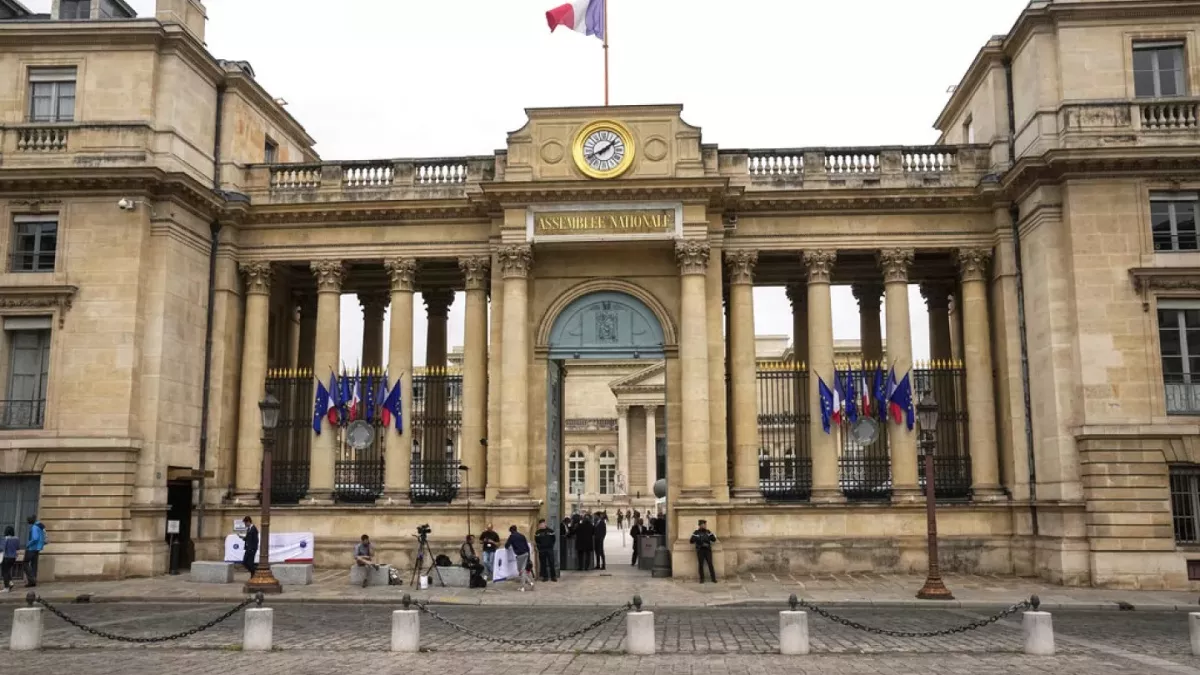
In this so-called “resolution,” presented by French parliamentarians, in addition to the now-familiar calls for “supporting the Armenian population of Artsakh, which was forcibly deported from its historic homeland” and the “right of the Armenians of Artsakh to self-determination,” there are absurd demands directed at Azerbaijan for the “immediate and unconditional release of the representatives of Artsakh’s military-political leadership, as well as all Armenian prisoners of war.”
This naturally raises the question: “What right does the French National Assembly have, in general, to demand anything from the independent, sovereign state of Azerbaijan?” Would it not be more logical for French parliamentarians to direct their demands at their own authorities, for example, regarding the resolution of socio-economic issues at home?
By and large, this “document” surprises hardly anyone, as it is in keeping with the tradition of the Parliament of the Fifth Republic, which has, to put it mildly, taken an unfriendly stance toward our country. We clearly remember how the French Senate in November 2020 voted for a “resolution” calling on the French government to recognise the mythical “Artsakh,” and how, in January 2024, it passed yet another “paper” condemning Azerbaijan’s military solution to the Karabakh issue, once again demanding that Baku release the “representatives of Artsakh’s military-political leadership,” and even calling on the EU to reconsider its relations with our country, including the possibility of sanctions.
On the other hand, how can one expect much from legislators whose predecessors allowed Armenian-politics-leaning politicians within the walls of parliament to express sympathy for an Armenian terrorist organisation and to use mild rhetoric in relation to those who carried out the 1983 Orly Airport bombing, calling them “fighters” and describing these actions as “resistance”?
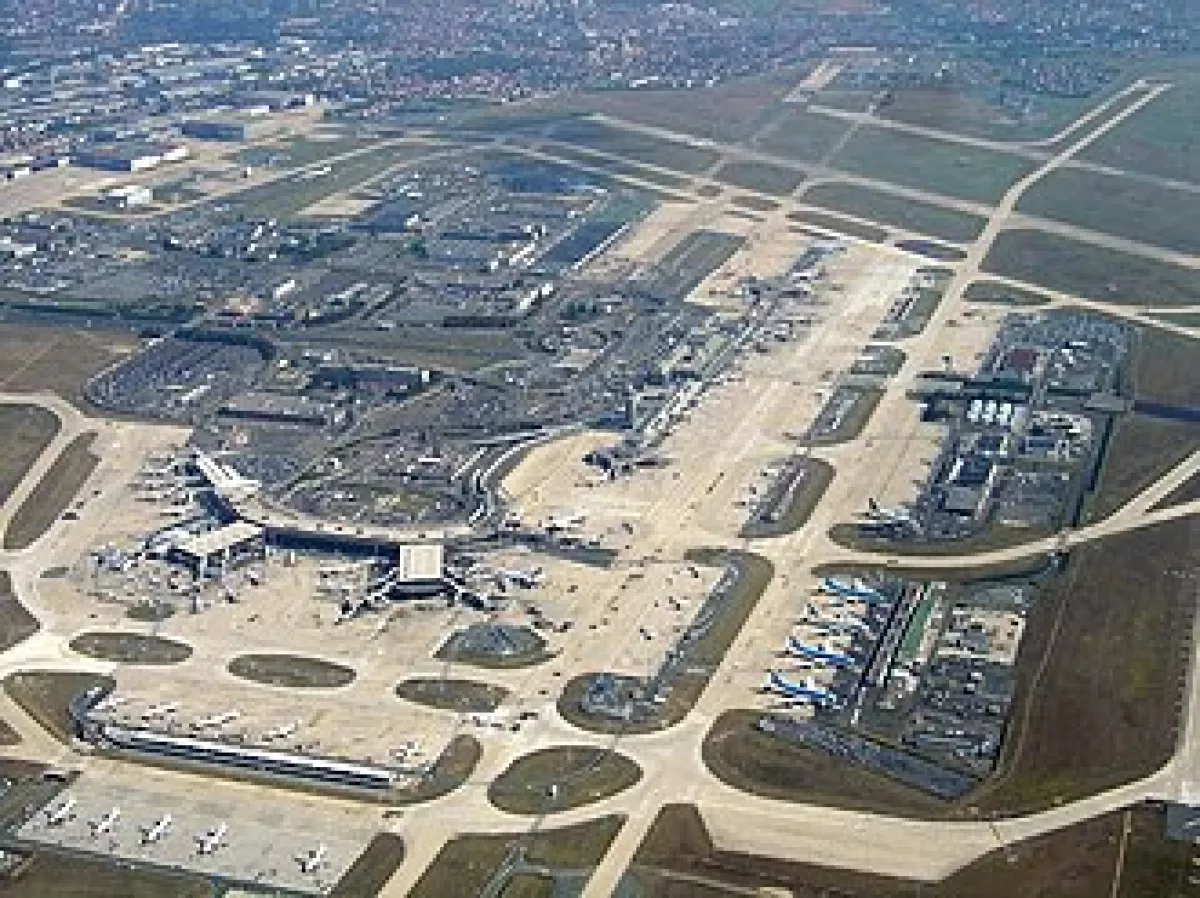
In the 1970s and 1980s, Armenian terrorist organisations carried out numerous attacks in various European cities, including France. On July 15, 1983, a bomb exploded near the Turkish Airlines check-in desk at Orly Airport, killing eight people and injuring 55. After the attack, French police arrested Varoujan Garabedian, a member of the Armenian Secret Army for the Liberation of Armenia (ASALA), who confessed to the crime and stated that the bomb had detonated prematurely; it was intended to explode in mid-air on the Paris–Istanbul flight. During the trial in Créteil, a suburb of Paris, Garabedian retracted his statements made during the investigation and, along with other defendants, denied involvement in the attack. On March 3, 1985, a jury found him guilty of carrying out the terrorist act and sentenced him to life imprisonment.
At that time, Patrick Devedjian, then mayor of Antony—who later became an aide to Nicolas Sarkozy, supported his presidential candidacy, and after Sarkozy’s election was appointed Executive Secretary of the ruling Union for a Popular Movement (UMP) party—went particularly far in defending ASALA, describing its actions as “resistance.” The parallels are obvious: the ghost of “Devedjianism” still haunts the French National Assembly today, as current deputies easily refer to the former leaders of the Karabakh junta—who committed grave crimes against the Azerbaijani people—as “leaders of Artsakh.”

However, the fate of the Karabakh separatists was decided on February 5 by the Baku Military Court. This verdict of the Azerbaijani Republic’s court stands as an example of the triumph of justice and the restoration of fairness, carried out in full compliance with all required procedural and legal norms.
If we consider this “resolution” in the context of Paris’s foreign policy, it clearly confirms that France, as a state, has not abandoned its plans to reignite tensions in the South Caucasus.
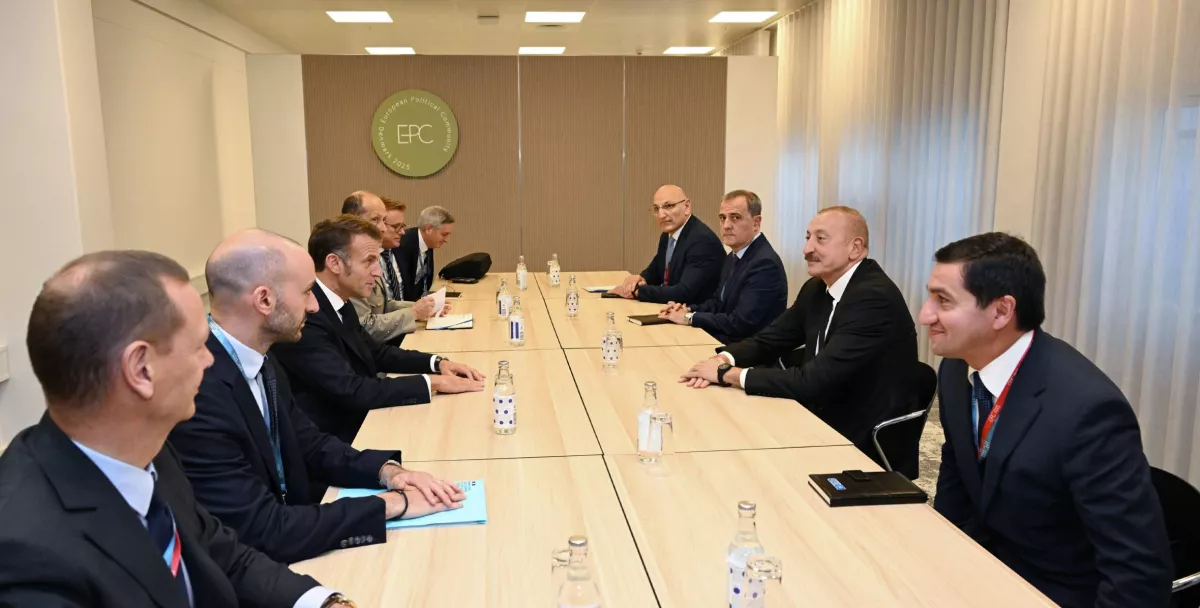
This is yet another confirmation of the duplicity of the French authorities and, personally, of President Emmanuel Macron, who, in October 2025, during a meeting with Ilham Aliyev on the sidelines of the 7th European Political Community (EPC) Summit in Copenhagen, urged the Azerbaijani leader to end the tension and restore relations between the two countries.
As we can see, this was merely a public relations exercise. In reality, neither Macron nor the French political establishment as a whole intends to abandon its plan to provoke a new wave of tension in the South Caucasus. In doing so, they undermine the United States’ efforts to advance the peace process and obstruct the development of relations between regional countries and the EU and NATO. Macron, in effect, acts as a schemer, engaging in political manoeuvring while counting on rising tensions in our region.
This is the choice of French politicians, which, to put it mildly, is of little concern to Azerbaijan. As for the latest provocative actions by French parliamentarians, Baku will respond when it deems appropriate. Fortunately, there are plenty of precedents showing that France has received diplomatic and political rebukes before.







 editor@caliber.az
 +994 55 444-88-98
 Азербайджан, Баку, ул. Низами, 203, Af Business House, 5-й этаж